
Chew toys calm jaws; interactive toys stimulate minds and extend playtime.
I have tested dozens of dog and cat toys over years of training and pet care. I’ll explain chew toys vs interactive toys with clear pros, cons, and real-life tips so you can pick what fits your pet. This guide blends hands-on experience, practical safety notes, and research-backed insights to help you decide between chew toys vs interactive toys for better play, dental health, and mental wellbeing.

Understanding chew toys vs interactive toys
Chew toys focus on jaw work. They are made to be chewed, gnawed, and mouthed. Chew toys help with dental health, easing teething, and reducing boredom from repetitive chewing.
Interactive toys focus on mental engagement. They ask pets to solve problems, chase movement, or use scent and sound. Interactive toys build problem-solving skills, slow fast eaters, and reduce anxiety through play.
Both types support healthy behavior. Choosing between chew toys vs interactive toys depends on your pet’s age, breed, chewing strength, and boredom level.
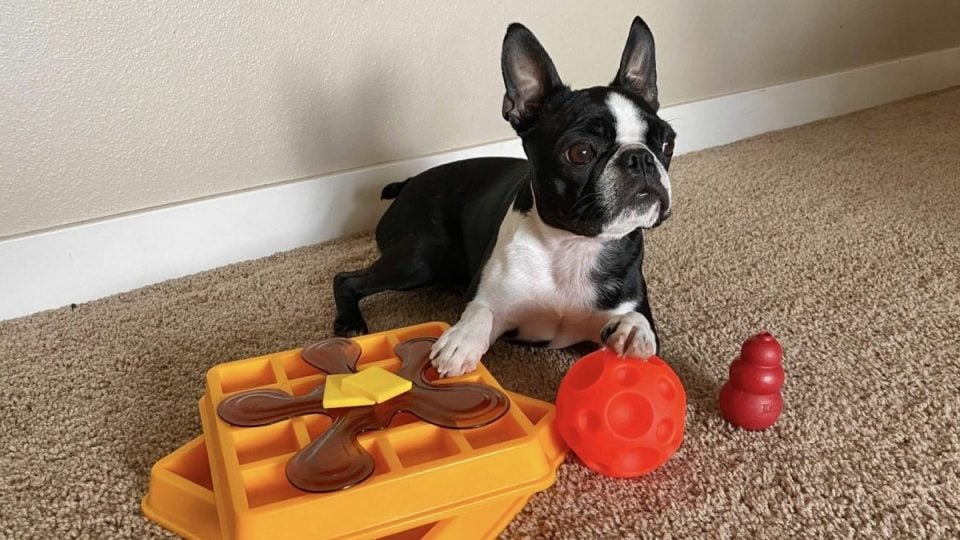
Benefits of chew toys
Chew toys are simple but powerful. They help remove plaque and massage gums when used correctly. Durable chew toys can prevent destructive chewing on furniture and shoes.
Chew toys soothe teething puppies and kittens. They give a safe outlet for natural chewing urges. For heavy chewers, specific tough materials reduce the risk of toy shredding.
Chew toys often cost less and require minimal supervision. You can leave safe chew toys with a pet for longer periods. This makes chew toys ideal for downtime or when you are away briefly.

Benefits of interactive toys
Interactive toys challenge the brain. Puzzle feeders reward pets with food when they solve a task. Treat-dispensing toys slow eating and add mental work to mealtimes.
Interactive toys reduce boredom and related behaviors like excessive barking or digging. They encourage focus and can increase confidence in timid pets. Many interactive toys come in adjustable difficulty levels to keep pace with learning.
They also create bonding moments. You can play actively with motion toys or sit with your pet while they explore a puzzle. Interactive toys turn idle minutes into enrichment sessions.

Key differences: chew toys vs interactive toys
Purpose and stimulation differ clearly. Chew toys target mouth and jaw activity. Interactive toys target cognition and problem-solving.
Safety needs vary. Chew toys must be durable and non-toxic. Interactive toys must be well-made, with secure batteries and small parts tucked away.
Time and supervision differ. Chew toys can be left alone if safe. Interactive toys often need supervision during the learning phase, especially with mechanical or electronic parts.
Cost and longevity differ too. Many chew toys are inexpensive and long-lasting. Interactive toys may cost more but offer varied stimulation and replay value. Understanding these contrasts clarifies whether chew toys vs interactive toys better suit your pet.

How to choose between chew toys vs interactive toys
Match the toy to your pet’s needs. If your pet chews destructively, start with sturdy chew toys. If your pet seems under-stimulated or eats too fast, choose interactive toys.
Consider age and teeth health. Young teething pets need softer chew toys. Older pets with dental issues need gentler options to avoid pain.
Look at behavior patterns. A working dog or energetic breed may enjoy interactive toys that challenge them. A calm, heavy chewer may benefit more from long-lasting chew toys.
Rotate toys for balance. Use both chew toys and interactive toys in a weekly rotation. Rotation keeps things novel and covers both physical and mental exercise for a well-rounded routine.
Safety, materials, and maintenance
Choose non-toxic materials. Look for BPA-free plastics, natural rubber, or FDA-grade silicone in treat toys. Avoid toys that flake, contain loose parts, or have small bits that can be swallowed.
Inspect toys regularly. Throw away toys with deep tears, exposed stuffing, or broken pieces. Replace worn chew toys before they shed dangerous fragments.
Clean interactive toys after heavy use. Remove food residues to prevent mold and bacteria. For electronic toys, follow manufacturer cleaning instructions to avoid damage.
Be aware of individual sensitivities. Some pets may have allergies to latex or certain dyes. Testing a toy under supervision for a short time helps spot problems early.
Personal experiences and product testing
I’ve tested chew toys vs interactive toys with different dogs and cats across homes and shelters. A lab mix destroyed a flimsy plush in minutes but cherished a heavy rubber chew for weeks. A senior terrier loved a slow feeder puzzle that extended mealtime and reduced gulping.
One mistake I made was leaving a small puzzle with a teething puppy unsupervised. The puppy chewed off a corner and swallowed it. I learned to match toy size and durability and to supervise early use.
Practical tips from testing:
- Always choose the right size so the pet can’t swallow the toy.
- Start with low difficulty on interactive toys and increase over days.
- Combine chew toys and interactive toys during the day for balance.
Buying guide and recommendations
Decide your budget and goals first. If the goal is dental health, prioritize tough chew toys. If the goal is boredom reduction, pick interactive puzzles.
Look for these features:
- Durability and chew resistance for aggressive chewers.
- Non-toxic, washable materials for frequent cleaning.
- Adjustable difficulty for puzzles to keep pets engaged.
- Clear safety labeling and age/weight guidance.
Trial and error will be part of the process. Keep receipts and take advantage of return policies. Choose one new toy at a time to see how your pet responds.
Frequently Asked Questions of chew toys vs interactive toys
What is the main difference between chew toys vs interactive toys?
Chew toys focus on chewing and jaw activity, helping with teething and dental hygiene. Interactive toys focus on mental stimulation and problem-solving through puzzles, movement, or treats.
Can chew toys replace interactive toys?
Chew toys cannot fully replace interactive toys because they do different jobs. For balanced enrichment, use both to address physical and mental needs.
Are interactive toys safe for unsupervised play?
Many interactive toys require supervision, especially the electronic or small-part types. Supervise early use and check the toy for wear before leaving it alone with your pet.
How often should I rotate chew toys vs interactive toys?
Rotate toys weekly or every few days to keep interest high. Alternating chew toys and interactive toys helps prevent boredom and overuse of a single toy type.
What material is best for aggressive chewers?
High-density rubber and reinforced nylon are best for aggressive chewers. Avoid soft plastics or fabrics that can tear and be swallowed.
Conclusion
Choosing between chew toys vs interactive toys comes down to your pet’s behavior, health, and needs. Chew toys excel at dental care and safe chewing; interactive toys excel at mental workout and enrichment. Use both in a rotation, supervise early use, and pick toys by size, material, and difficulty to match your pet. Try one new toy at a time, watch your pet’s reaction, and adjust based on wear and interest. Take action today: pick one chew toy and one interactive toy to test over the next week, and see which best improves your pet’s mood and behavior. Leave a comment with your favorite finds or subscribe for more hands-on pet tips.
