
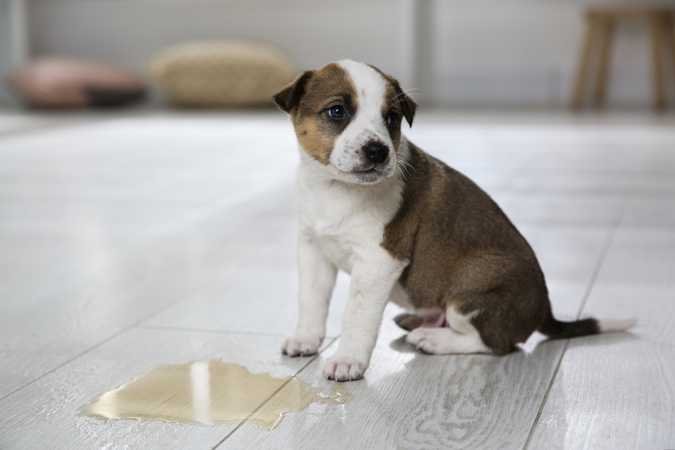
Crate training a puppy helps them learn house rules, feel safe, and speed up potty training.
I have trained dozens of puppies and worked with trainers and vets to refine safe, kind methods. This guide on crate training a puppy explains why it works, when to start, how to pick the right crate, step-by-step training plans, troubleshooting tips, and real-life lessons I learned. Read on for clear, practical steps that make crate training a puppy calm, confident, and fast.

Why crate training a puppy works
Crate training a puppy uses a dog’s natural den instincts. A crate becomes a cozy, safe space. It also helps with housebreaking and prevents trouble when you cannot supervise a puppy.
Crates teach routine, reduce stress during travel, and support training for alone time. When done right, crate training a puppy builds trust and boundaries without fear.

Benefits of crate training a puppy
Crate training a puppy offers many practical advantages.
- Encourages faster potty training by teaching bladder control.
- Reduces destructive chewing in unsupervised moments.
- Provides a safe spot during storms, guests, or recovery from surgery.
- Makes car travel and vet visits less stressful.
- Helps manage separation anxiety when gradually introduced.
From experience, puppies thrive with predictable routines. Crate training a puppy gave my dogs a clear base to return to, which lowered their anxiety and helped them learn commands faster.

When to start crate training a puppy
Start as soon as you bring a puppy home, ideally between 8 and 16 weeks. Young puppies learn fast and adapt to routines.
Avoid forcing a crate on a terrified dog. If an older dog resists, use slow, positive steps. Consistency matters more than speed when crate training a puppy.
Choosing the right crate
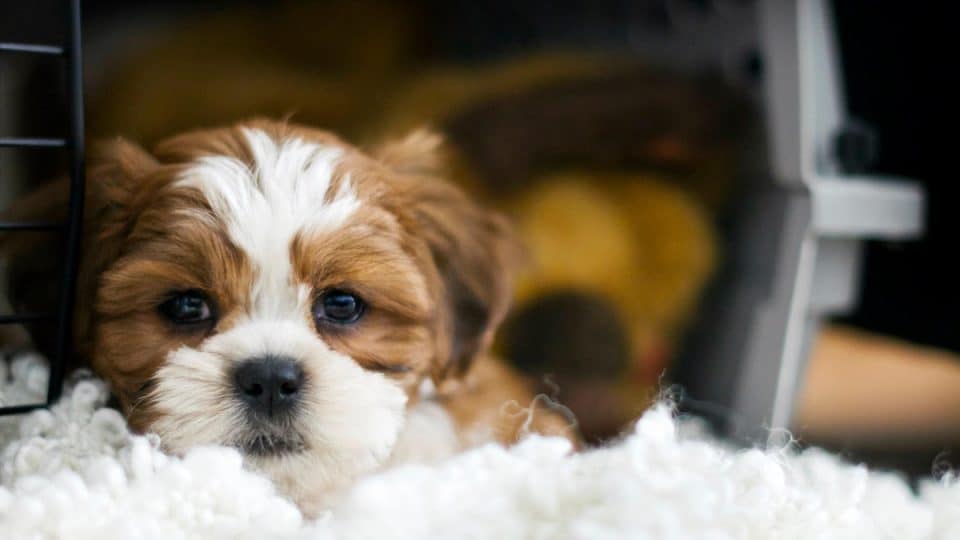
Pick a crate sized so the puppy can stand, turn, and lie down comfortably.
- Wire crates offer ventilation and visibility.
- Plastic crates are cozier and travel-friendly.
- Soft crates suit calm dogs for indoor use.
If the crate is too large, a puppy may use one end as a bathroom. Use a divider to shrink the space as the puppy grows. Quality bedding, a washable pad, and safe chew toys improve comfort when crate training a puppy.
Step-by-step crate training a puppy
Follow a calm, patient plan. Move at your puppy’s pace.
- Introduce the crate with the door open. Toss treats inside and praise. Let the puppy explore freely.
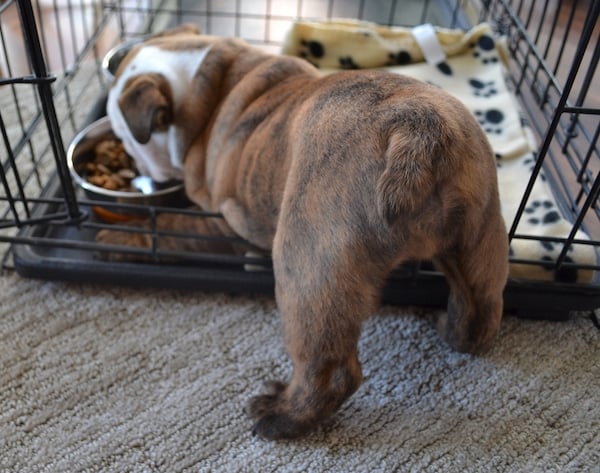
- Feed meals near and then inside the crate. This builds positive association while crate training a puppy.
- Start short closures: shut the door for a few seconds, then open and reward. Gradually increase time.
- Add brief absences: leave the room for a minute, then return. Extend durations slowly.
- Practice calm exits and entries. Avoid emotional goodbyes or greetings that excite the puppy.
- Work up to overnight stays and longer alone times. Keep a schedule for potty breaks.
Consistency, praise, and short sessions are the keys to successful crate training a puppy.
Nighttime routine and potty training
Set a reliable nighttime routine to support crate training a puppy.
- Take the puppy out right before bed.
- Place the crate near your bed at first so the puppy feels secure.
- Expect one or two night wakings for puppies under four months.
- Keep lights low and movement quiet during night trips outside.
Use a bathroom schedule every 1–2 hours for very young puppies, then stretch it out as they age. Accidents will happen; clean with enzyme cleaner and avoid punishment to keep crate training a puppy positive.
Common mistakes and how to avoid them
Avoid these pitfalls when crate training a puppy.
- Using the crate for punishment. That ruins trust.
- Leaving a puppy too long. Follow age-based limits for time alone.
- Rushing progress. Move slower if the puppy shows stress.
- Overfeeding right before crating. This can cause overnight accidents.
I once rushed crate training a high-energy pup and saw backsliding. Slowing down and adding play before crating fixed the issue. Gentle patience is essential when crate training a puppy.
Managing barking, whining, and anxiety
Barking or whining often signals a need, not defiance.
- Check for biological needs first: bathroom, water, comfort.
- Ignore attention-seeking whining after needs are met.
- Use short, gradual alone-time practice to reduce separation anxiety.
- Consider calming tools like a snug blanket, gentle music, or vet-approved pheromones when crate training a puppy.
If anxiety is severe, consult a trainer or vet. Professional guidance helps when crate training a puppy becomes emotionally hard for your dog.
Traveling and crate training a puppy
A well-trained crate makes travel safer.
- Introduce travel slowly by taking short car rides with the puppy crated.
- Secure the crate in the vehicle to prevent movement.
- Pack familiar bedding and a favorite toy to ease transition.
I used the crate on a long trip and found my puppy slept more and stressed less. Crate training a puppy beforehand made the journey easier for both of us.
Health, safety, and legal considerations
Keep safety top of mind during crate training a puppy.
- Never leave a puppy in a crate for longer than recommended by age.
- Ensure ventilation and avoid loose bedding for very young puppies.
- Remove collars that can snag when the puppy sleeps in the crate.
- Monitor for signs of stress or health issues like vomiting or refusal to eat.
If unsure, ask your veterinarian about safe timing and limits for crate training a puppy.
Personal tips and lessons learned
I learned three core lessons while crate training a puppy over the years.
- Small wins matter. Celebrate first calm minutes in the crate.
- Routine beats force. Consistent small steps work better than long sessions.
- Be patient with regressions. Growth is non-linear.
One puppy needed a soft toy and the crate door open for weeks before fully settling. Later, she took it as her safe spot. Tailor methods to your puppy’s temperament when crate training a puppy.
Expert tips and advanced strategies
These tips help refine crate training a puppy once basics are set.
- Pair crate time with puzzle toys for mental stimulation.
- Use a crate during short, safe alone practice while you run errands.
- Rotate toys and bedding scents to keep the crate novel and positive.
- Combine crate training with basic obedience to strengthen boundaries.
Always track progress and adjust. Advanced strategies should follow a solid foundation when crate training a puppy.
Frequently Asked Questions of crate training a puppy
How long can a puppy stay in a crate?
Puppies should not stay crated for more than their age in months plus one hour. For example, a three-month-old puppy needs frequent breaks and short crating sessions.
Will crate training a puppy make them lonely?
Not if you introduce the crate slowly and provide social time. The crate should be one safe place among many social interactions.
What if my puppy cries in the crate at night?
Check needs first, then use calm reassurance. Avoid giving attention for attention-seeking cries once needs are met.
Can I leave water in the crate when crate training a puppy?
For short periods, yes. For long overnight stays, limit water right before bed to reduce accidents and monitor hydration during the day.
How long does crate training a puppy usually take?
Most puppies adapt in a few weeks with consistent work, but full comfort may take longer. Individual temperament and past experience change the timeline.
Conclusion
Crate training a puppy gives your dog a safe den, speeds house training, and eases travel and alone time. Use short steps, gentle praise, and a steady routine to build trust and skill. Be patient, adapt to your puppy’s needs, and seek help when anxiety persists. Start small today, and your puppy will gain confidence and calm in the crate—share your progress, subscribe for updates, or leave a comment with your questions.
