
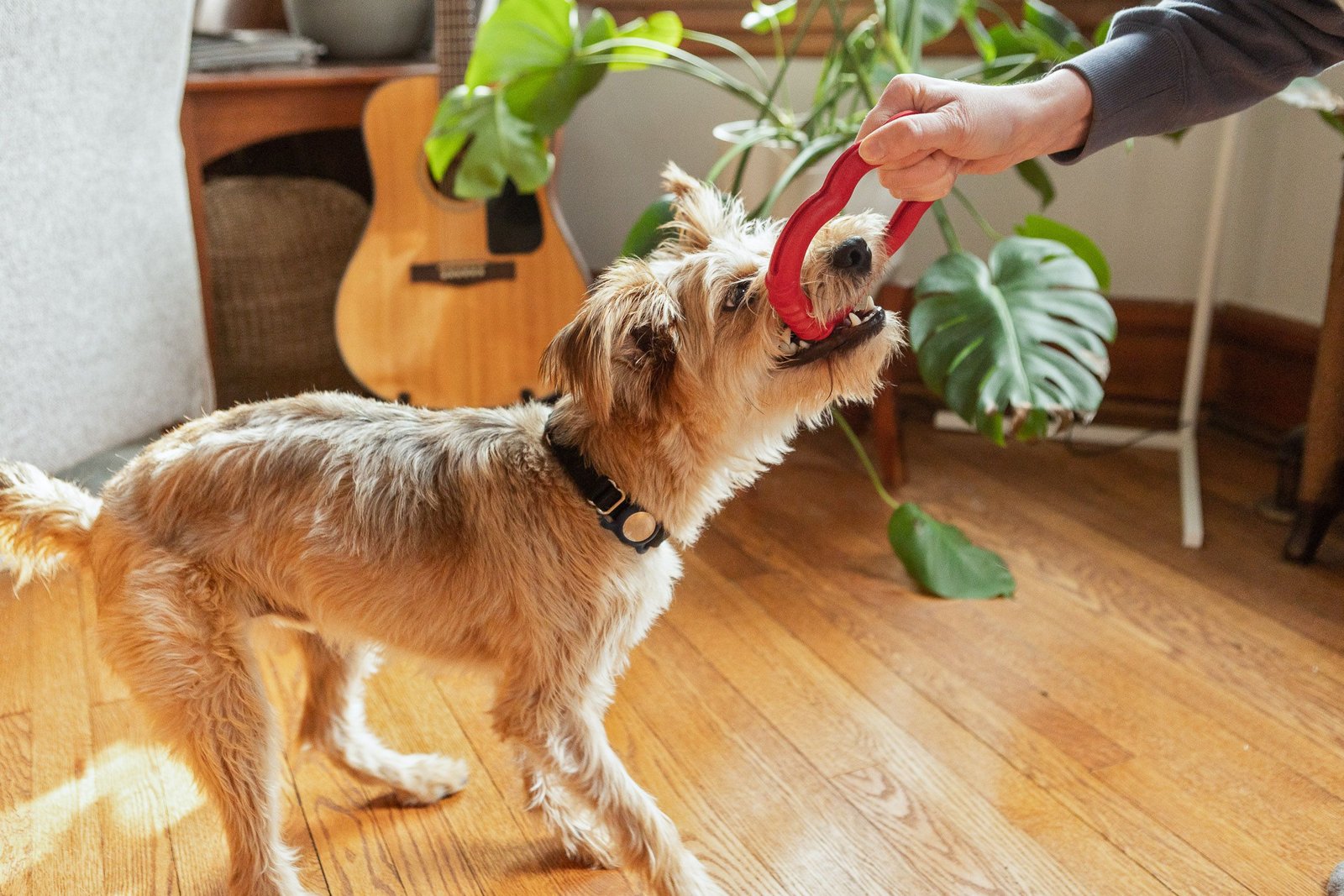
A sudden increase in aggression usually signals pain, fear, or a big change in the dog’s life.
I’ve worked with dogs and owners for over a decade, helping many families understand sudden shifts in behavior. This article explains why a dog aggression sudden change happens, how to spot the cause, what to do right away, and long-term steps to keep your dog and loved ones safe. I combine research-backed guidance with real-world experience to give clear, practical steps you can use today.
Why dogs have sudden aggression shifts
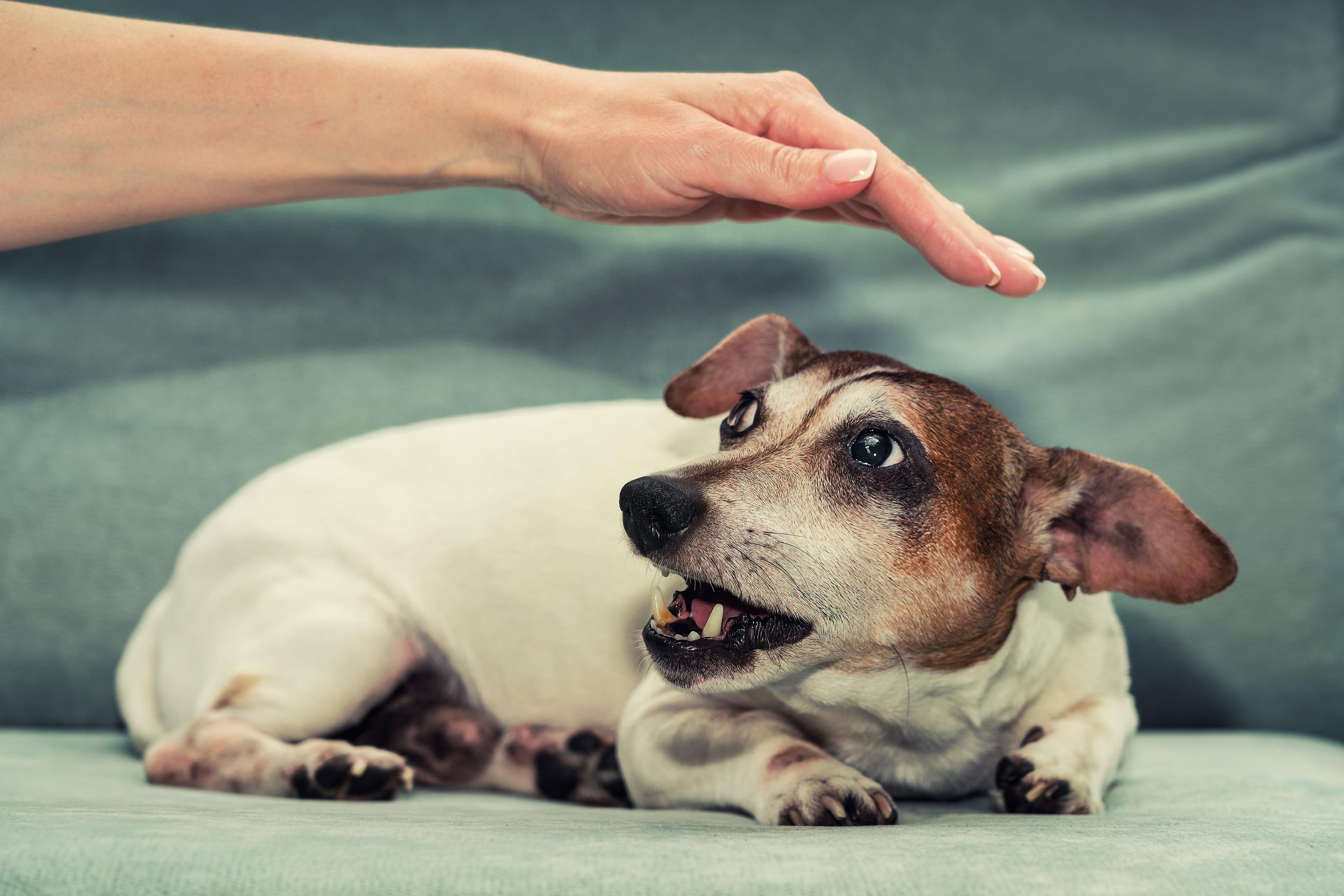
A dog aggression sudden change often surprises owners. One day a dog is calm. The next day it snaps or growls without clear reason. This abrupt shift is rarely “just the dog being bad.” It usually points to an underlying issue that needs attention.
Common reasons include pain, fear, confusion, or a change in environment. Quick detection matters. Acting early prevents escalation and helps the dog get the right care.
Medical causes to rule out first
Many sudden behavior changes are medical. Dogs can’t tell us when they hurt. Pain changes how they react to touch, commands, and presence.
Look for signs:
- Sudden limping, stiffness, or reluctance to use a limb.
- Changes in eating, drinking, or bathroom habits.
- Increased panting, hiding, or unusual licking at one area.
- Recent medication changes or illness.
I once had a client whose friendly Labrador snapped when approached while eating. A vet exam revealed a painful tooth infection. Treating the infection stopped the aggressive snaps almost overnight. Always rule out medical causes before starting behavior training.
Behavioral and environmental triggers
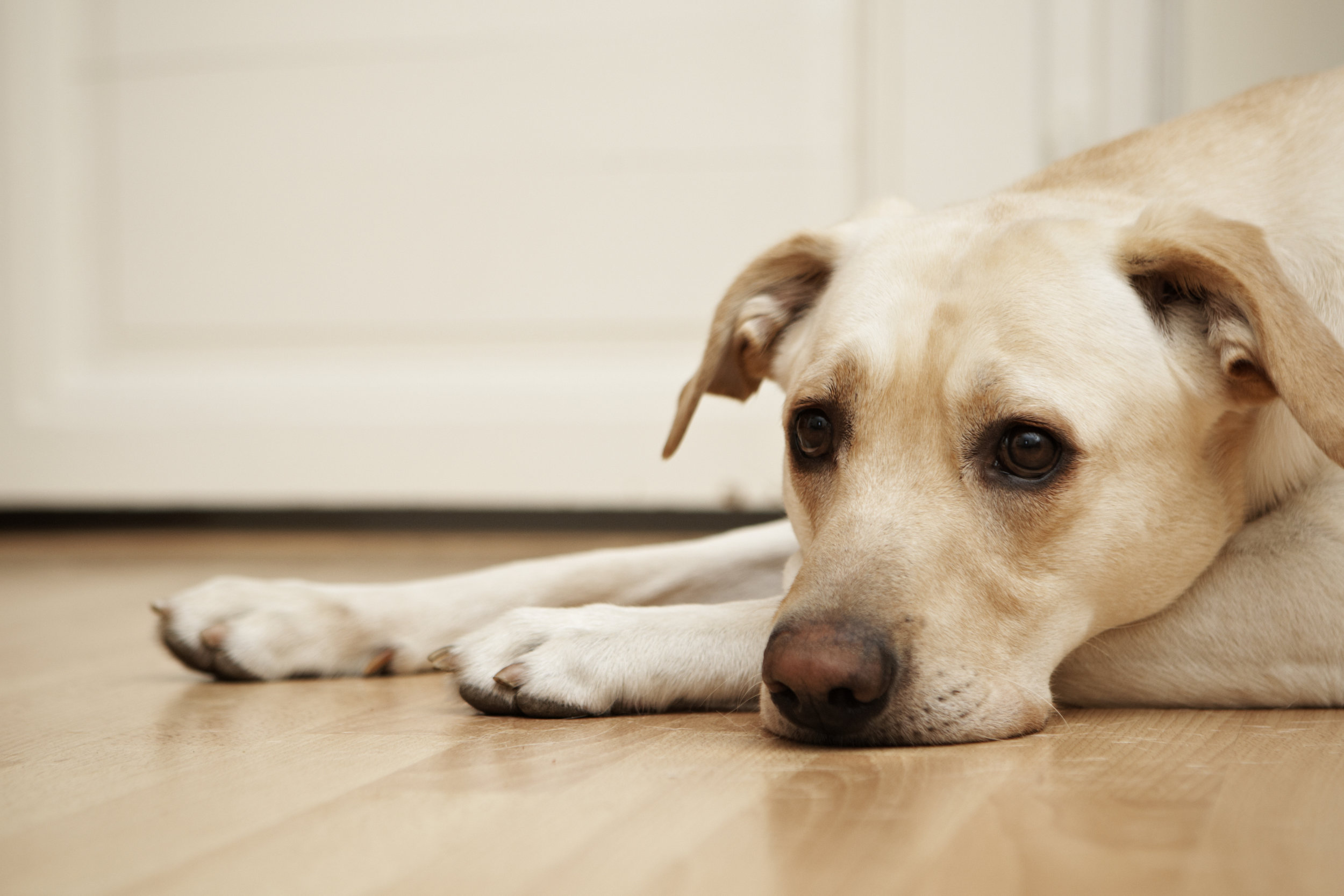
Behavioral triggers often underlie a dog aggression sudden change. These are non-medical reasons and include fear, guarding, redirected anger, and social stress.
Fear-based aggression
- New sounds, strangers, or sudden movement can provoke fear.
- A previously confident dog can become defensive after a scary event.
Resource guarding
- Dogs may guard food, toys, or resting spots.
- A change in the household, like a new pet or child, can trigger guarding.
Redirected aggression
- Dogs aroused by a squirrel, another dog, or loud noise may redirect aggression to the nearest person or animal.
Social changes and routine shifts
- Moving house, new people, or a different schedule can stress dogs.
- Stress accumulates and may suddenly bubble over into aggression.
If you suspect behavioral triggers, keep a simple diary for a week. Note times, people, events, and the dog’s reactions. Patterns often reveal the true trigger.

Immediate steps to keep everyone safe
When you notice a dog aggression sudden change, safety is the first priority. Quick, calm action reduces risk and creates space to evaluate the cause.
Do these right away:
- Stay calm and avoid sudden movements or loud scolding.
- Remove triggers if possible. Separate the dog from children or other pets.
- Use barriers like baby gates or crates for short-term safety.
- Call your veterinarian to rule out pain or illness.
- Avoid forcing interactions or punishment; these can worsen aggression.
If bites occur, seek medical care and document the incident. If the dog seems unpredictable, limit guest interactions until you’ve assessed the situation.
Long-term behavior modification and training
Once medical issues are ruled out, structured training helps resolve many cases of dog aggression sudden change. Two main methods work well: desensitization and counterconditioning.
Desensitization and counterconditioning
- Desensitization slowly exposes the dog to the trigger at low intensity.
- Counterconditioning pairs the trigger with something the dog loves, like high-value treats.
- Progress in tiny steps. Success is slow but steady.
Management strategies
- Modify the environment to reduce stress.
- Teach safe alternative behaviors, such as “go to mat” or “look at me.”
- Use positive reinforcement. Reward calm and predictable responses.
Tools and equipment
- Front-clip harnesses and sturdy leashes help manage movement.
- Muzzles may be needed temporarily for safety during training. Proper introduction to a muzzle is essential.
Personal note: I once worked with a shy terrier that began lunging at delivery people. We used a neighbor’s small package drop to desensitize the dog. Over six weeks the dog associated deliveries with treats rather than alarms. Consistency and patience were key. Mistakes I made at first involved pushing exposure too fast; that set us back. Take slow, measured steps.
When to consult a professional and what to expect
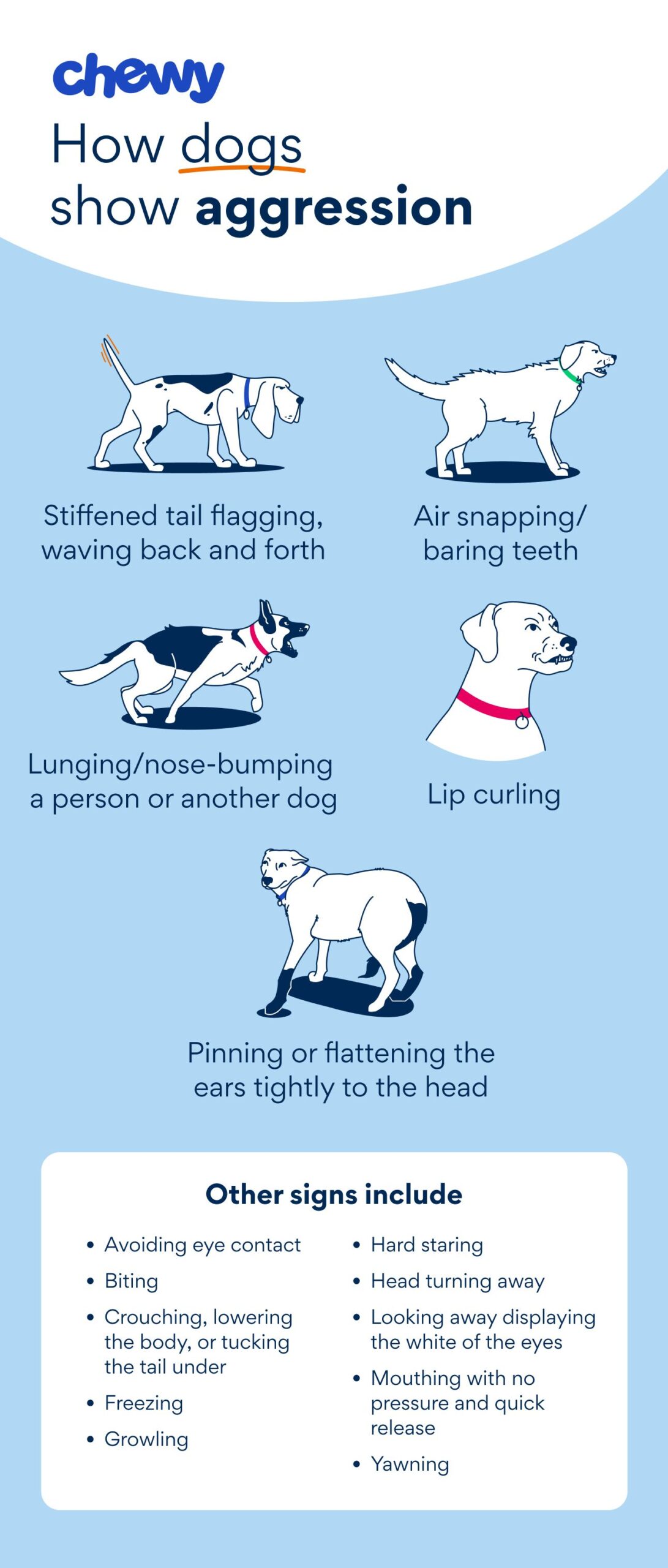
Some situations require expert help. If your dog aggression sudden change includes frequent lunges, multiple bites, or sudden mood flips, consult professionals.
Who to contact
- Veterinarian for a medical workup.
- Certified applied animal behaviorist or a force-free certified trainer for behavior plans.
- Veterinary behaviorist for complex cases or medication needs.
What professionals do
- Conduct a medical and behavioral assessment.
- Create a step-by-step training and management plan.
- Recommend medication when anxiety or pain prevents progress.
Expect honesty. A good specialist will tell you what can reasonably change and what steps are needed. They’ll also highlight safety measures and timelines.

Preventing future sudden aggression
Prevention focuses on health, routine, and positive social patterns. Small habits protect against a dog aggression sudden change.
Keep these routines:
- Regular vet checkups and dental care.
- Predictable routines for feeding, exercise, and rest.
- Ongoing socialization using calm, positive experiences.
- Early training for impulse control and body handling tolerance.
Create a safe home design:
- Provide quiet zones where the dog can retreat.
- Teach children and visitors how to greet the dog respectfully.
- Rotate toys and monitor resource guarding behaviors.
Prevention is about consistency. A stable environment and regular care reduce the chance of sudden shifts.
Frequently Asked Questions of dog aggression sudden change
What is the most common reason for a dog aggression sudden change?
Sudden aggression most commonly stems from pain, fear, or a stressful change in the dog’s environment. Always check with a veterinarian first to rule out medical causes.
Can a normally friendly dog suddenly become aggressive without warning?
Yes. A friendly dog can show sudden aggression if surprised by pain, a traumatic event, or a new trigger. The change usually signals an underlying problem rather than a personality flip.
How quickly should I see a professional about sudden aggression?
If the dog bites, shows escalating aggression, or changes abruptly, contact your vet within 24–48 hours and ask about a behavior referral. Immediate safety measures are essential.
Are punishment-based methods ever appropriate for sudden aggression?
No. Punishment often increases fear and can worsen dog aggression sudden change. Force-free methods and medical assessment are safer and more effective.
Can medication help with sudden aggression?
Medication can help when anxiety or pain is a key driver and is often paired with behavior therapy. A veterinary behaviorist can advise whether medication is appropriate.
Conclusion
Sudden changes in a dog’s aggression are signals, not character flaws. Start by checking health, then manage safety, and follow a patient, stepwise behavior plan. With the right team—veterinarian, trainer, and consistent owner action—most dogs can improve and regain trust. Take action now: schedule a vet check, make immediate safety adjustments, and consider a behavior specialist if needed. Share your story or questions below and subscribe for more practical dog behavior guidance.
