
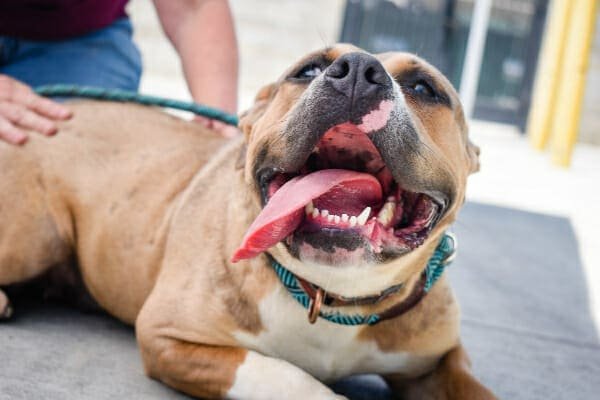
Rapid breathing at rest in dogs can signal stress, heat, pain, or a medical emergency.
I’ve worked with dozens of dog owners and vets to decode why a dog breathing fast resting can mean anything from simple excitement to life‑threatening disease. This guide explains what is normal, when to act, how vets diagnose causes, and practical steps you can take at home. Read on to learn clear, expert-backed advice and real-world tips to protect your dog’s breathing and health.

Why a dog breathing fast resting happens
Dogs breathe faster at rest for many reasons. Some are harmless and brief. Others point to underlying problems.
Common causes include:
- Heat and overheating. Dogs regulate temperature by breathing. Overheating causes fast breaths.
- Anxiety or stress. Fear, separation, or new environments raise breathing rate.
- Pain or recent injury. Pain can speed breathing even when a dog looks calm.
- Heart disease. A weak heart can cause faster, shallow breaths at rest.
- Respiratory disease. Bronchitis, pneumonia, collapsing airway, or fluid in lungs raise rate.
- Endocrine problems. Conditions like Cushing’s disease can indirectly increase breathing.
- Medication side effects. Some drugs raise respiratory rate.
- Recovery from exercise. Dogs may still breathe fast after play or walks.
I once saw a medium‑sized dog breathe fast resting after a hot afternoon. Cooling the dog and offering water calmed the rate. Later testing revealed mild heat stress, not heart disease. That experience taught me to treat rapid resting breathing calmly, then investigate.
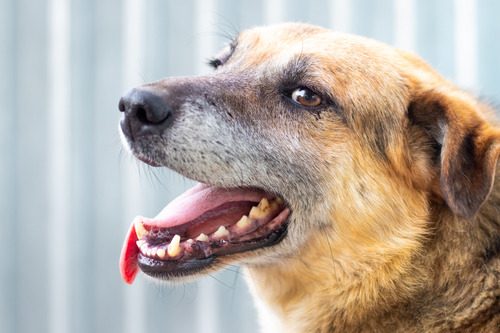
Normal resting respiratory rates and how to measure
Most healthy adult dogs have a resting respiratory rate of 10 to 35 breaths per minute. Smaller dogs and puppies often breathe faster. Rates above 40 at rest are often abnormal.
How to measure:
- Let your dog rest quietly for five minutes.
- Count chest rises for 30 seconds and multiply by two.
- Repeat the count twice to confirm accuracy.
- Note if breaths are shallow, deep, or noisy.
Track the rate for several days. If the dog breathing fast resting is a new or persistent change, record times and triggers. Short, clear notes help your vet.

When to worry: warning signs and emergencies
Some signs mean you must act fast. If you notice any of these with a dog breathing fast resting, seek veterinary care now:
- Blue or pale gums, or very dark red gums.
- Open‑mouth breathing at rest or struggling to breathe.
- Collapse, fainting, or repeated weakness.
- High fever, severe cough, or coughing up blood.
- Rapid breathing with poor response to cooling or calming.
- Sudden behavior change, vomiting, or severe lethargy.
If you are unsure, it’s safer to call your veterinarian or an emergency clinic. Rapid breathing can escalate quickly.
Diagnosis: what your vet will check
A vet will combine history, exam, and tests to find why a dog breathing fast resting happens. Expect:
- Full physical exam with lung and heart auscultation.
- Pulse and gum color check for oxygenation.
- Chest X‑rays to look for pneumonia, fluid, or masses.
- Bloodwork to check infection, organ function, and anemia.
- Electrocardiogram or echocardiogram for heart disease.
- Pulse oximetry or arterial blood gas in severe cases.
- Airway exam or bronchoscopy for chronic cough or collapsed trachea.
Accurate diagnosis matters. Treating the symptom without knowing the cause can delay needed care.
Treatment and home care for a dog breathing fast resting
Treatment depends on the cause. Immediate steps you can take at home while getting help:
- Move to a cool, quiet spot and offer water if alert.
- Remove tight collars and keep the dog calm.
- Use cool (not ice‑cold) towels on the neck and belly to lower temperature.
- Call your vet for advice. Rapid breathing with other signs may require urgent care.
- Follow prescribed medications exactly: antibiotics, bronchodilators, or heart drugs.
- Use oxygen therapy or hospitalization if recommended.
From experience, a calm approach helps. I once put a frightened rescue in a dim room with soft music. The breathing rate improved, and we avoided panic. But remember: home care is supportive, not a substitute for vet diagnosis.

Preventing episodes and managing chronic conditions
You can reduce episodes of a dog breathing fast resting with routine care and monitoring.
- Keep dogs cool in hot weather. Provide shade, air conditioning, and fresh water.
- Maintain healthy weight to reduce strain on lungs and heart.
- Avoid intense exercise in heat or after meals.
- Treat allergies, asthma, and infections promptly.
- Keep up with parasite preventives and vaccinations.
- Follow a vet’s plan for chronic heart or lung disease.
If your dog has a chronic condition, regular checkups and a clear action plan help you catch changes early.

Monitoring tools and practical tips for owners
Simple tools make tracking a dog breathing fast resting easier and more accurate.
- Use a stopwatch or phone timer for counting breaths.
- Keep a daily log with time, rate, and any triggers.
- Take short videos to show your vet how your dog breathes.
- Use a pulse oximeter made for pets if advised by your vet.
- Know baseline values for your dog so changes stand out.
A small notebook or app can be lifesaving. I recommend recording rates twice daily for a week after any episode. That record helped a friend and her vet spot heart failure early.
Frequently Asked Questions of dog breathing fast resting
What is a normal breathing rate for a resting dog?
A normal resting rate is about 10 to 35 breaths per minute for most adult dogs. Puppies and small breeds often breathe faster, so compare to your dog’s usual rate.
Can anxiety alone cause my dog to breathe fast while resting?
Yes. Anxiety or stress can cause rapid breathing at rest without a medical problem. Calm the dog and monitor; if it persists, seek veterinary advice.
How long should rapid breathing last before I worry?
If rapid breathing lasts more than a few minutes at rest, or is accompanied by other signs like weakness or pale gums, contact your vet. Persistent changes need assessment.
Is heatstroke the only heat‑related cause of heavy breathing?
No. Heat stress and heatstroke both increase breathing. Heatstroke is more severe and includes collapse, vomiting, and altered mental state, and needs emergency care.
Can heart disease cause a dog to breathe fast while resting?
Yes. Heart problems can lead to fluid in the lungs or poor circulation, causing fast resting breaths. Vets use X‑rays and heart tests to evaluate this.
Conclusion
A dog breathing fast resting can be harmless or a sign of a serious problem. Measure the rate calmly, note other signs, and act quickly when warning signs appear. Keep records, use simple monitoring tools, and work closely with your vet to find the cause and treatment. Take action today: measure your dog’s resting breaths, save the notes, and contact your veterinarian if you see unusual changes or emergency signs. Leave a comment below or subscribe for more practical pet health tips.
