
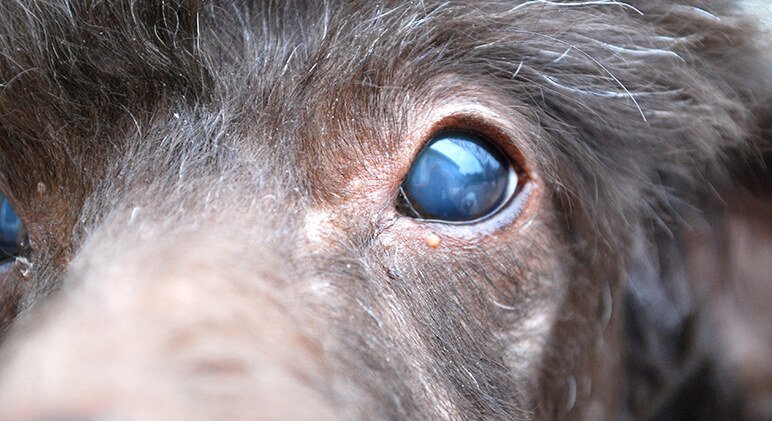
Dog cloudy eyes may signal cataracts, glaucoma, corneal disease, or normal aging.
I have worked with dogs and vets for years, and I know how worrying cloudy eyes can feel. This guide explains why dog cloudy eyes happen, how vets check them, and what you can do at home. I mix clinical facts with real-life tips so you can act fast and help your dog keep sight and comfort.
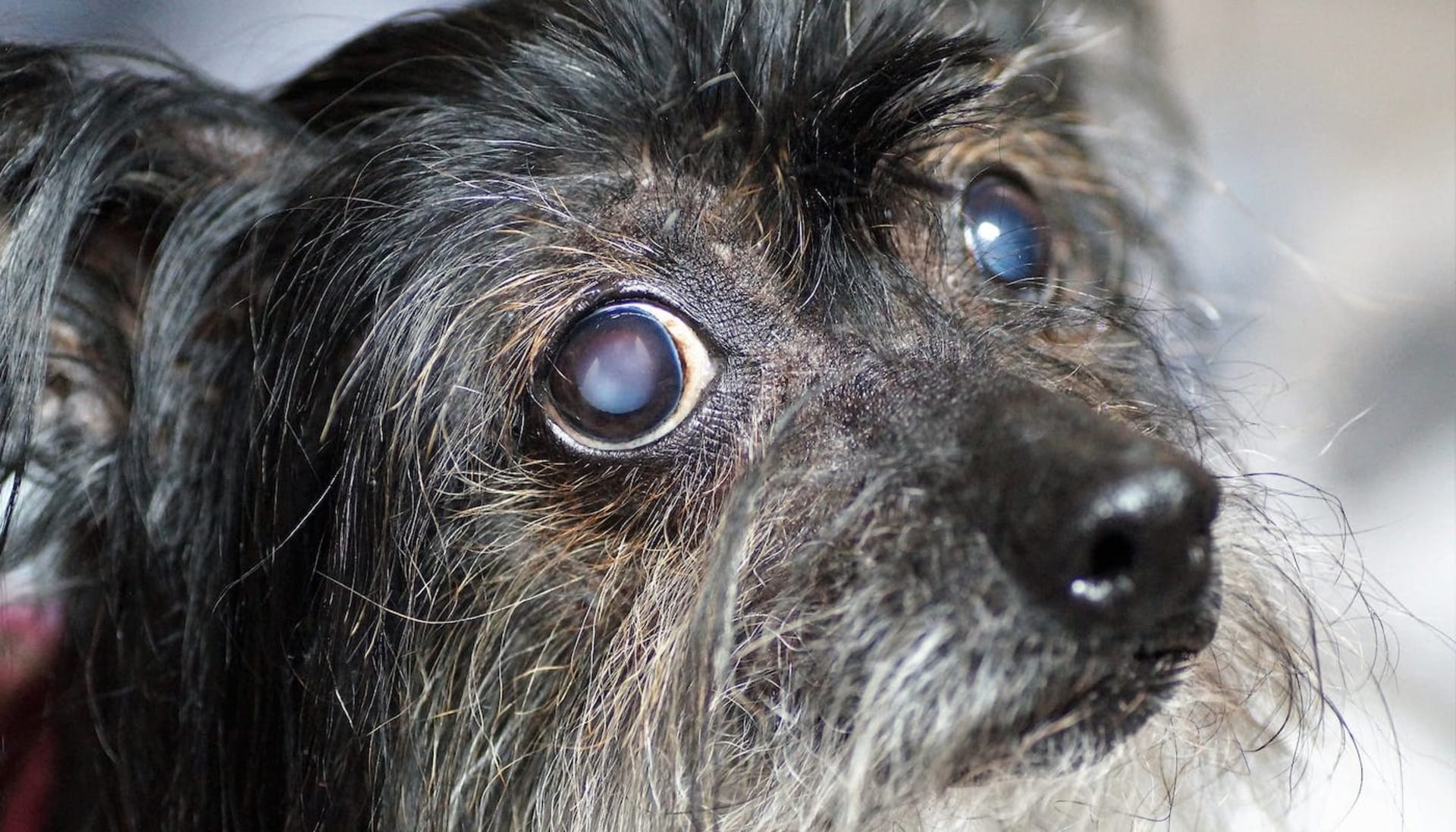
What causes dog cloudy eyes?
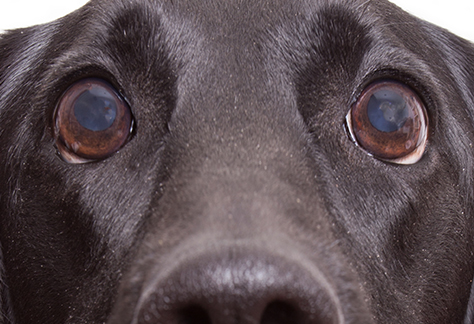
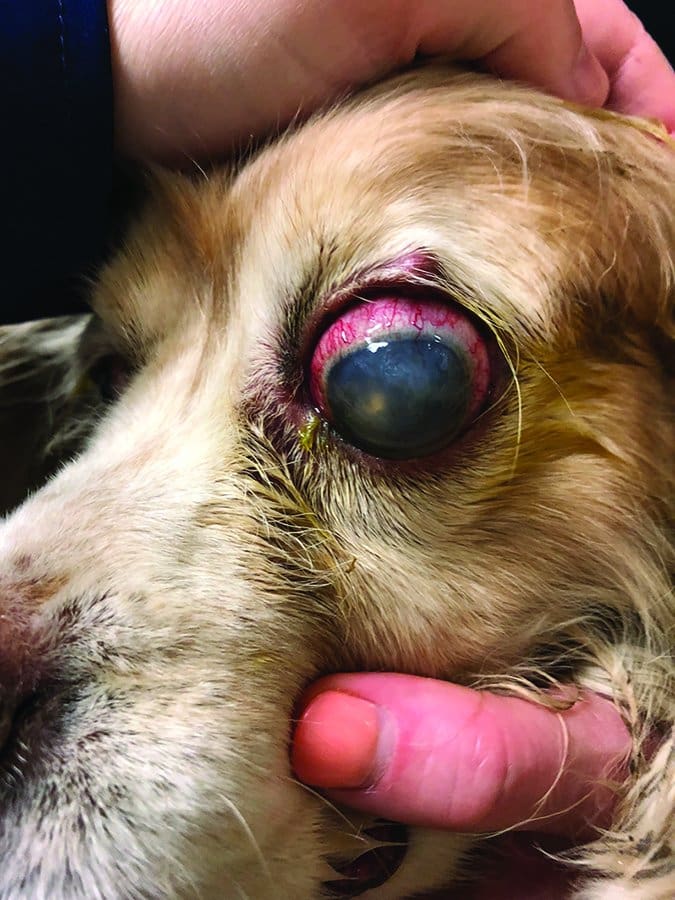
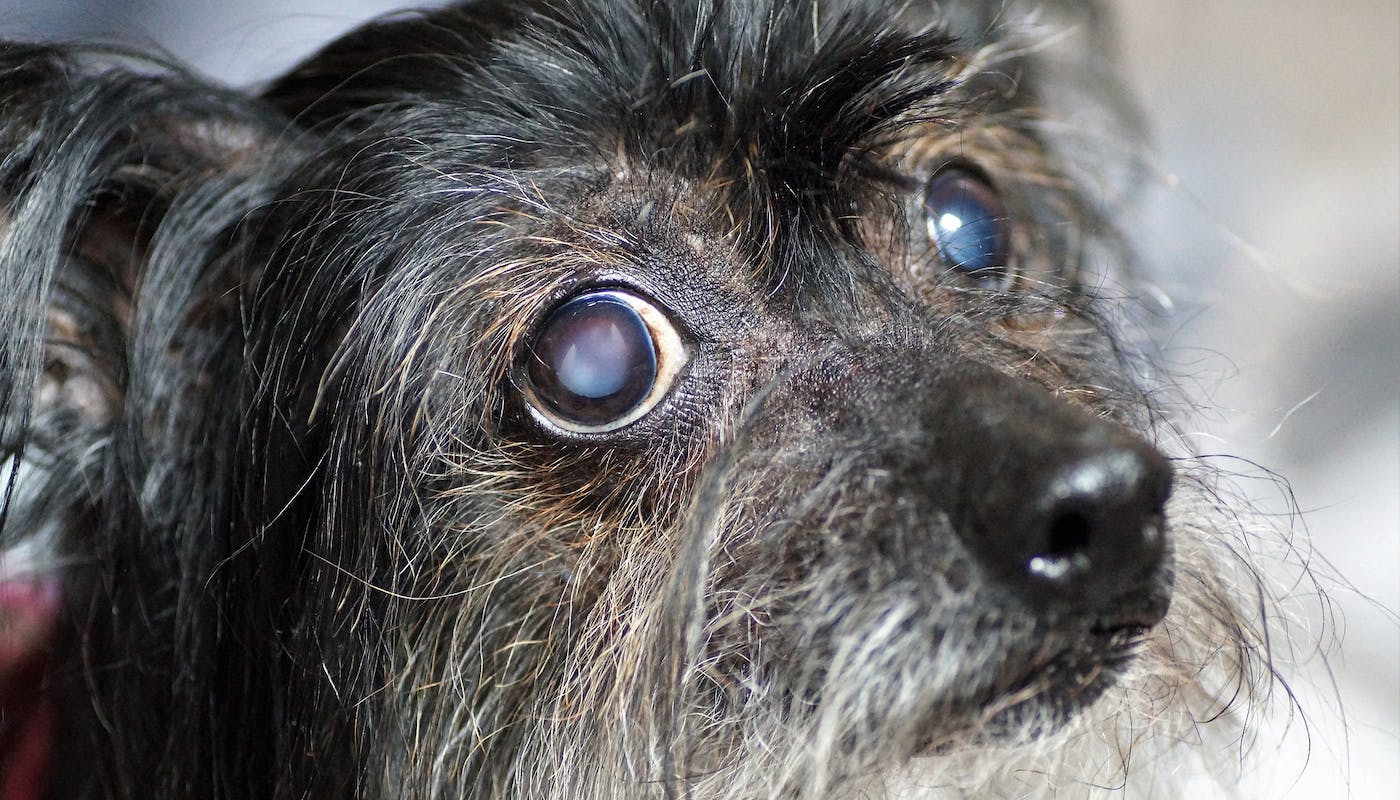
There are several common causes of dog cloudy eyes. Cataracts make the lens opaque and block light. Nuclear sclerosis is an age change that gives a bluish haze but often keeps vision. Corneal problems like ulcers and edema cause white or gray clouding on the surface. Inflammation inside the eye, called uveitis, and high pressure in the eye, called glaucoma, also make the eye look cloudy and may be painful.
Different causes need different treatments. That is why a clear diagnosis matters. I have seen similar clouding from very different problems. Watch your dog's behavior to help the vet find the cause.
:strip_icc()/blind-senior-dog--portrait-1269165814-1d4c680387924a36a1d893111d991439.jpg)
Common signs and how to spot them early
Look for these signs when you suspect dog cloudy eyes:
- Cloudy or bluish film over the eye, visible in bright light.
- Squinting, tearing, or pawing at the eye.
- Bumping into things or hesitating on stairs.
- Redness, discharge, or one eye appearing larger than the other.
- Sudden changes in vision or signs of pain like hiding or whining.
Early detection helps save vision. If cloudiness appears fast or your dog seems in pain, seek care right away. Slow, mild haze that does not affect behavior can still need a vet check.
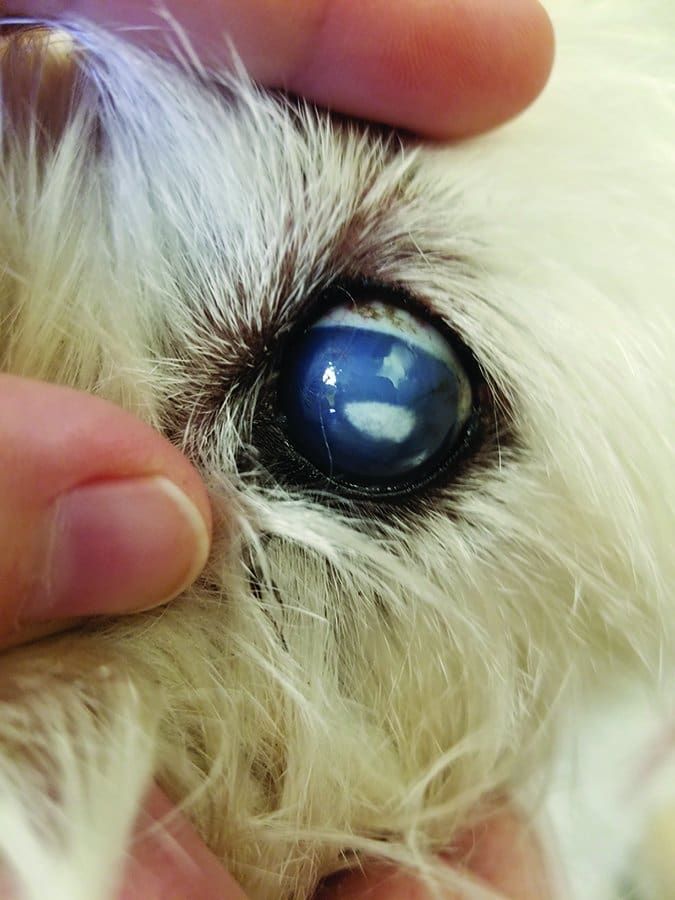
How veterinarians diagnose cloudy eyes in dogs
Vets use simple tests and tools to find the cause of dog cloudy eyes. Common steps include:
- A full eye exam with a bright light and magnifier to view the cornea and lens.
- Fluorescein stain to check for corneal ulcers.
- Tonometry to measure eye pressure for glaucoma.
- A slit-lamp exam to see deeper eye structures.
- Blood tests or imaging when infection, immune disease, or systemic illness is suspected.
These tests help decide if the clouding is serious and what treatment to try. I recommend asking the vet to explain each test so you know what to expect.
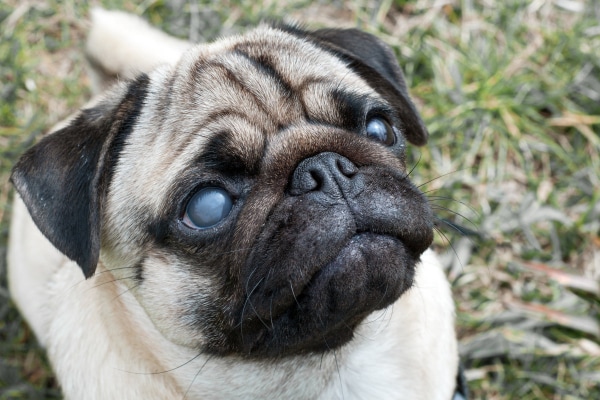
Treatment options for dog cloudy eyes
Treatment depends on the cause of dog cloudy eyes. Typical approaches include:
- Medical drops for inflammation, infection, or dry eye to reduce pain and heal tissue.
- Pressure-lowering drugs for glaucoma to save vision and ease pain.
- Surgery for cataracts when vision loss is severe and the dog is a good candidate.
- Corneal repair or grafts for deep ulcers or scars.
- Long-term care plans for chronic conditions like dry eye or lens changes.
Follow the vet’s instructions exactly. I once delayed a follow-up for a dog with a corneal ulcer and the healing took much longer. Timely meds and checks speed recovery.
Home care and prevention tips
You can help prevent and manage dog cloudy eyes at home with simple steps:
- Keep the eye area clean with vet-approved wipes or saline.
- Use prescribed drops on schedule and finish the full course.
- Protect the eye from further injury with a cone or soft collar.
- Schedule regular wellness checks, especially for senior dogs.
- Avoid using human eye drops or unproven home remedies.
Good home care reduces infections and keeps healing on track. I advise setting phone reminders for eye meds to avoid missed doses.
When to seek emergency care
Get urgent vet help if your dog shows any of these signs with cloudy eyes:
- Sudden clouding of the eye or quick vision loss.
- Severe squinting, heavy tearing, or a bulging eye.
- Thick or green discharge, which signals infection.
- Obvious pain, shaking, or refusal to eat.
Delaying care can mean permanent vision loss or worse. In my experience, fast action often prevents surgery or long-term damage.
My experience and practical lessons
I have cared for many dogs with cloudy eyes as a vet tech and pet caregiver. One senior lab developed a gray haze that looked like cataract, but testing showed nuclear sclerosis. He adapted well and did not need surgery. Another dog had a painful ulcer after a minor scratch. Quick vet care and antibiotics saved the eye.
Lessons I learned:
- Always note when cloudiness started and any behavior change.
- Take photos over days to track progress for the vet.
- Trust a vet exam rather than guessing the cause at home.
- Keep records of eye meds and reactions for future visits.
These small steps make vet visits faster and care more effective.

Frequently Asked Questions of dog cloudy eyes
What does a cloudy eye mean in a dog?
A cloudy eye can mean many things, such as cataract, nuclear sclerosis, corneal disease, uveitis, or glaucoma. The exact cause needs a vet exam and basic tests.
Can dog cloudy eyes be treated at home?
Some mild surface issues can improve with vet-approved cleanings and drops, but most causes need veterinary diagnosis and prescription treatment. Avoid home remedies or human drugs.
Will cataracts in dogs always cause blindness?
Not always. Some cataracts progress slowly and affect vision mildly. Surgery can restore vision in many cases, depending on the dog’s health and cataract type.
Is a bluish haze always dangerous?
A bluish haze can be harmless age-related nuclear sclerosis, but it can also hide more serious problems. A vet check can tell the difference and advise next steps.
How long does it take for a cloudy eye to clear?
Healing time varies by cause. Corneal ulcers may heal in days to weeks with care. Cataracts do not clear on their own. Follow-up with a vet for a proper timeline.
Can puppies get cloudy eyes?
Yes, puppies can get cloudy eyes from congenital causes, infections, or trauma. Early vet care is important to protect vision and development.
Conclusion
Dog cloudy eyes are common and can range from a harmless age change to a sight-threatening emergency. Prompt checks, clear diagnosis, and proper treatment help most dogs keep comfort and vision. Use simple home care, follow vet advice, and act quickly if pain or sudden change appears. If you noticed cloudiness in your dog’s eyes today, book a vet visit and start tracking signs. Share your story below or subscribe for more pet health guides.
