
Dog collars harness guide: pick the right fit for comfort, control, and safe daily walks.
I’ve helped dozens of dog owners find the right gear and tested many options. This dog collars harness guide covers types, fit, safety, and real-world tips. Read on to learn how to pick, measure, train, and maintain the best collar or harness for your dog.
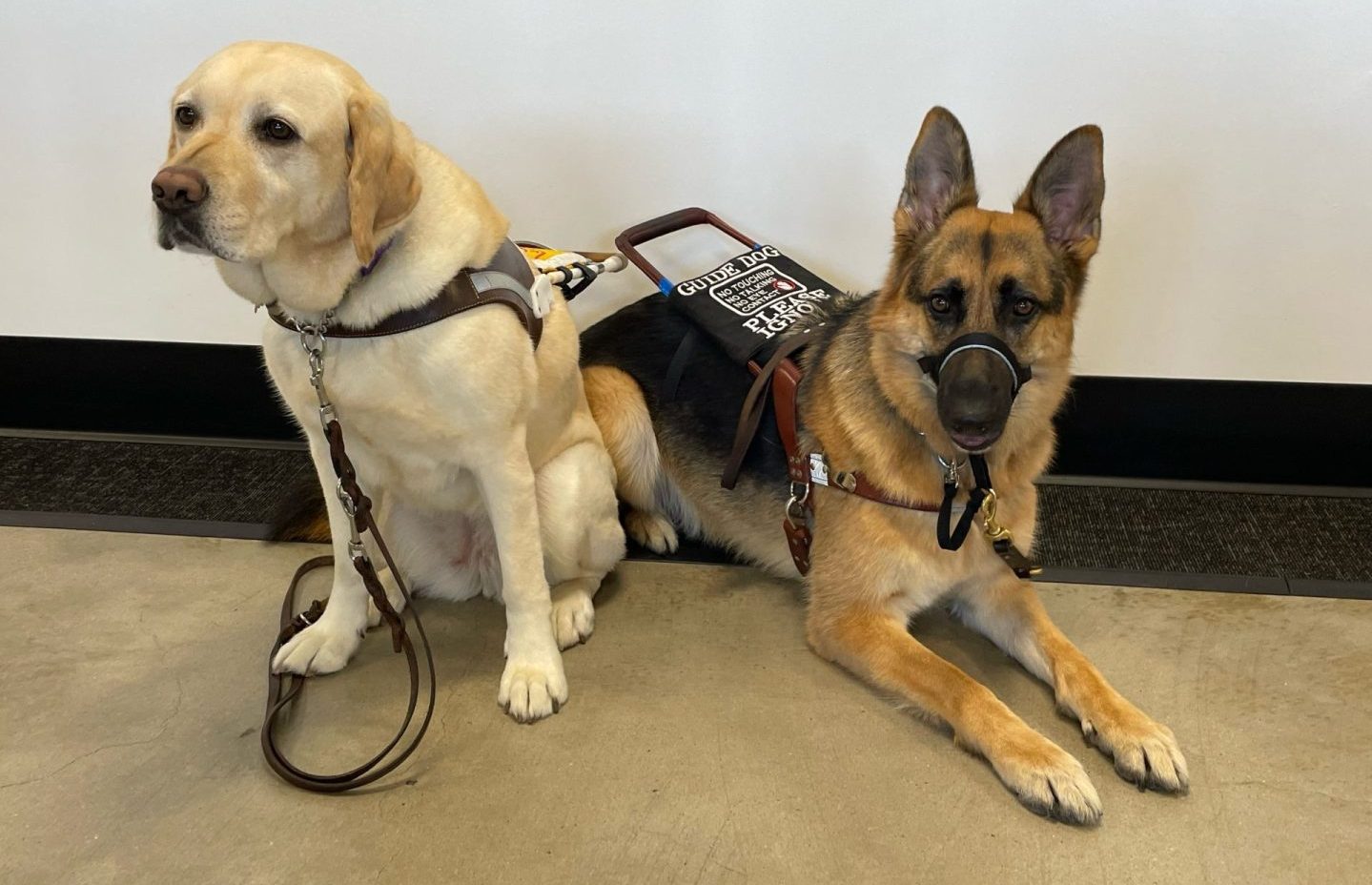
Why collars and harnesses matter
Collars and harnesses keep your dog safe and give you control. A good choice prevents injury and improves training. This dog collars harness guide focuses on comfort, behavior, and practical use. Knowing the right tool changes walks from chaotic to calm.

Types of collars and harnesses
Here are the main styles you will see. Each has pros and cons for different dogs and goals.
- Flat buckle collar – Simple, everyday ID and leash clip. Good for calm dogs and ID tags.
- Martingale collar – Limited-slip design that gives control without choking. Good for dogs with narrow heads.
- Choke chain and prong collars – High-risk tools. Use only under professional guidance.
- Head halter – Steers the head and reduces pulling. Some dogs resist at first.
- Back-clip harness – Easy and comfy. Best for small dogs and casual walks.
- Front-clip harness – Helps reduce pulling by redirecting motion. Good for training.
- No-pull harness with dual clips – Versatile for training and control.
This dog collars harness guide helps match type to need and behavior.
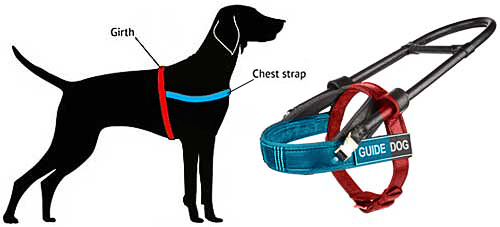
How to choose the right collar or harness
Follow clear steps to choose gear that fits your dog’s size and needs.
- Determine purpose – Is it ID, everyday walking, training, or safety? Pick a collar or harness that matches.
- Consider behavior – Pullers often do better in front-clip or no-pull harnesses. Calm walkers do fine with a flat collar.
- Check breed and anatomy – Deep chests, short necks, and flat faces need special fits.
- Test the hardware – Strong buckles and rust-proof D-rings matter for safety.
This dog collars harness guide gives a quick decision path for choosing gear.
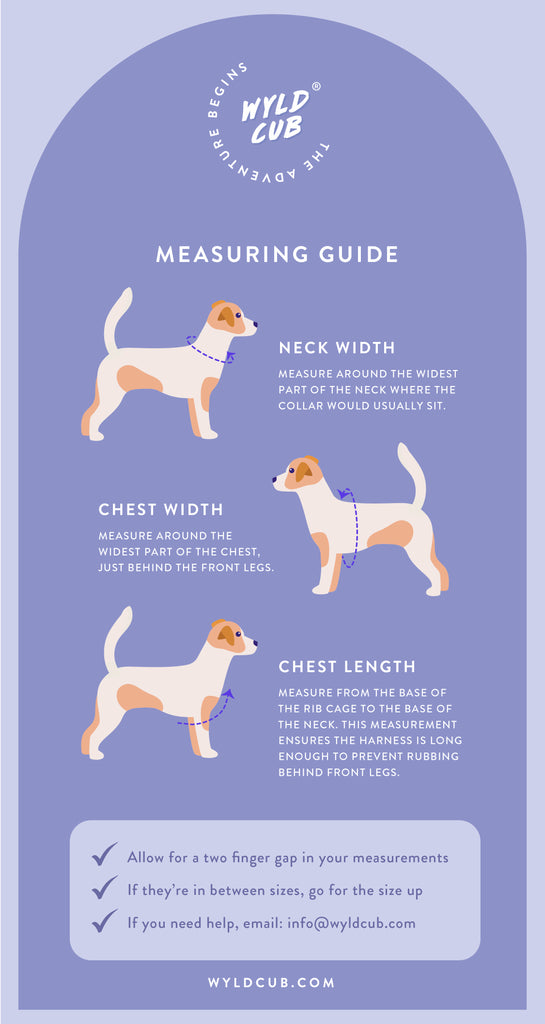
Measuring and fitting correctly
Measure carefully. Poor fit causes slippage or chafing.
- Neck girth – Use a soft tape and measure where the collar will sit.
- Chest girth – Measure widest part for harness sizing.
- Two-finger rule – You should fit two fingers under a collar or harness strap.
- Adjust while standing and walking – Re-check fit after a short walk.
- Watch skin and fur – Padding prevents rubs on thin-coated dogs.
Use this dog collars harness guide to avoid common measurement mistakes.

Training and safety tips
Use gear to support good behavior, not punish.
- Introduce slowly – Let the dog sniff and wear the collar or harness indoors.
- Use positive reinforcement – Treats and praise help accept new gear.
- Avoid sudden jerks – Use calm, consistent leash cues.
- Supervise with head halters – Head halters need gentle handling to avoid neck strain.
- Replace worn gear – Frayed straps and broken buckles are hazards.
This dog collars harness guide focuses on humane, effective training methods.

Materials, durability, and maintenance
Choose materials that fit your lifestyle and your dog’s activity level.
- Nylon – Lightweight and affordable. Washable and quick-dry.
- Leather – Durable and classic. Requires conditioning to stay supple.
- Padded fabric – Adds comfort for dogs with thin fur.
- Metal hardware – Choose stainless steel or brass to resist rust.
- Cleaning tips – Hand wash or use gentle cycles. Air dry to preserve shape.
This dog collars harness guide helps you pick materials for long life and comfort.
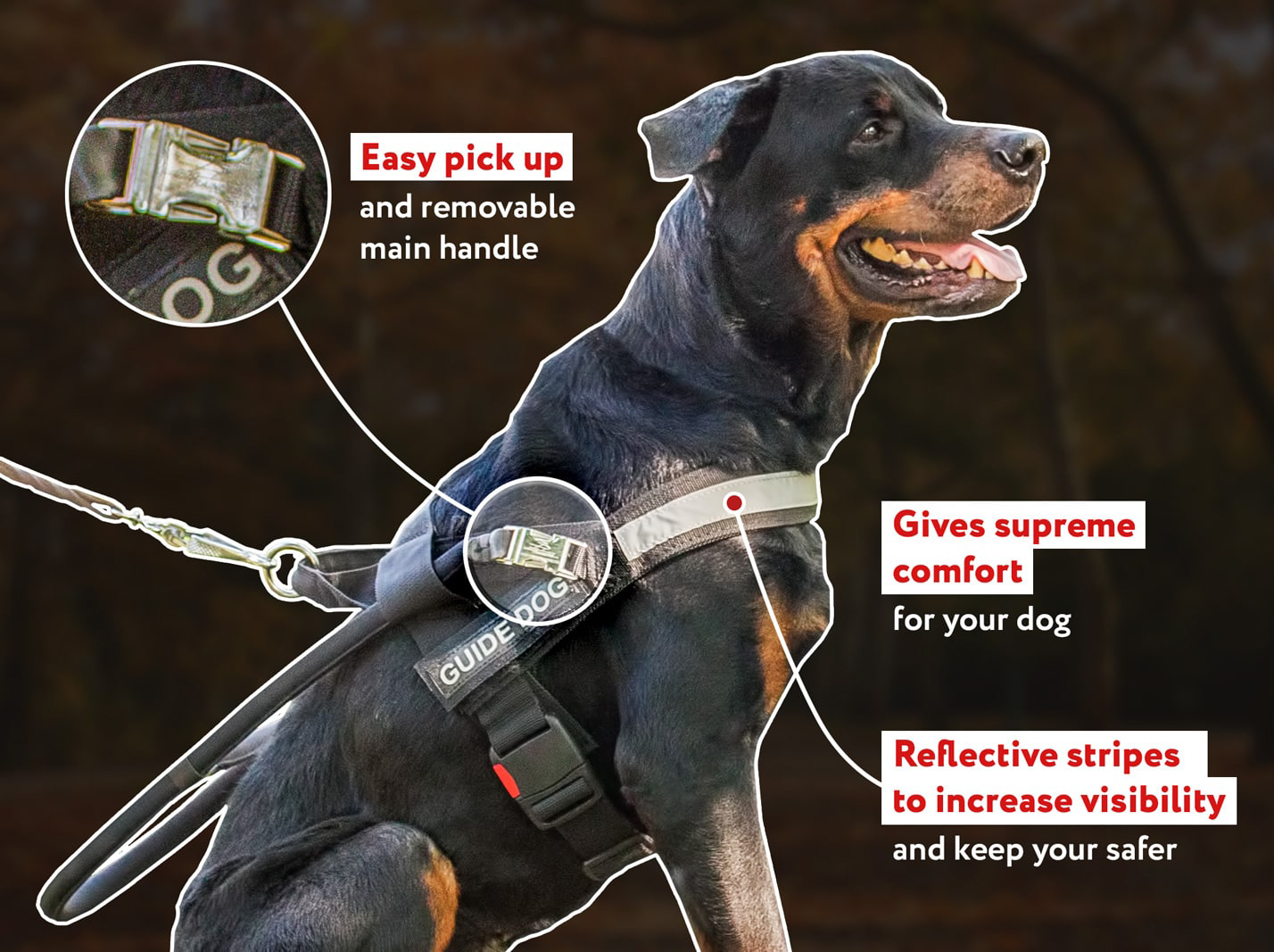
Special considerations by age and breed
Different dogs need different solutions. Consider these cases carefully.
- Puppies – Use lightweight, adjustable gear. Re-measure frequently as they grow.
- Senior dogs – Softer, padded harnesses ease joint strain and allow gentle control.
- Brachycephalic breeds – Avoid pressure on the throat; harnesses are often better than collars.
- Escape artists – Look for escape-proof harness designs and secure buckles.
- Reactive dogs – Dual-clip harnesses and training tools can improve safety.
This dog collars harness guide highlights tailored choices for unique needs.

Personal experience: lessons learned and mistakes to avoid
I trained multiple dogs and tested many collars and harnesses. I learned the hard way what to avoid.
- Mistake: Buying by price alone – Cheap buckles failed during a walk. Spend a bit more for quality.
- Lesson: Always test on short walks – A harness that looks good can chafe in motion.
- Tip: Keep a backup collar with ID – One buckle broke once and a backup saved a stressful trip.
- Tip: Introduce head halters slowly – My first dog needed several short sessions before accepting it.
Use this dog collars harness guide as a practical checklist to skip common errors.
Buying checklist and recommended features
Use this quick list when shopping. It helps you compare options fast.
- Measure neck and chest before ordering.
- Confirm adjustable range covers growth or weight change.
- Choose padded straps for long walks.
- Prefer stainless hardware for durability.
- Look for reflective trim for night safety.
- Ensure tag ring and ID placement are secure.
This dog collars harness guide makes shopping simpler and safer.
Frequently Asked Questions of dog collars harness guide
What is the best choice for a small dog?
For small dogs, a lightweight padded harness or a flat buckle collar works well. Choose soft straps to avoid pressure on the windpipe.
How often should I replace a collar or harness?
Replace gear if straps fray, stitching loosens, or hardware fails. Check every few months and after rough use.
Can a harness stop my dog from pulling?
A front-clip or no-pull harness reduces pulling by redirecting force. Combine with training for lasting change.
Are choke chains safe for training?
Choke chains carry risk of injury and should be used only by experienced trainers. Gentle, reward-based methods are safer.
How do I measure my puppy for a harness?
Measure neck and chest with a soft tape and add space for growth. Re-measure monthly during rapid growth phases.
Is a head halter cruel?
Head halters guide the head, not punish. When introduced gently and used properly, they are humane and effective for pullers.
Should ID tags go on collar or harness?
ID tags are best on a collar so they remain visible if the harness is removed. Keep contact info current.
Conclusion
This dog collars harness guide gives clear steps to pick, fit, and use the best gear for your dog. Practical tests, careful measuring, and gentle training make walks safer and more fun. Start by measuring your dog and picking one tool that matches their behavior. Try a short trial walk, adjust fit, and use positive training. Share your experience or ask questions below to get tailored advice and keep your dog safe and happy.

Pingback: Dog Leash Training Guide: Gentle Steps For Success - pettraiers.com
Pingback: Senior Dog Care Tips: Essential Guide For Loving Owners - pettraiers.com