
Most cases stem from diet, dehydration, or slow gut movement in dogs.
As a veterinary content writer and long-time dog owner, I have seen how distressing dog constipation causes can be for pets and their people. This guide explains the common dog constipation causes, clear warning signs, practical home care, and when to see a vet. I combine clinical knowledge, real-life examples, and simple steps you can use today to help a constipated dog feel better.
Common causes of dog constipation
Constipation happens when a dog has trouble passing stool. The root causes range from simple to serious. Knowing the cause helps you choose safe care for your pet.
Common dog constipation causes include:
- Low-fiber diet or sudden diet change that upsets bowel habits.
- Dehydration that makes stool hard and dry.
- Lack of exercise which slows gut movement.
- Ingesting bones, hair, or foreign objects that block the colon.
- Pain or nerve problems affecting the rectum or spine.
- Medications that slow bowel activity, such as some pain drugs.
- Anal gland problems or tumors near the rectum.
- Chronic illnesses like hypothyroidism or kidney disease that alter digestion.
I once treated a senior dog who stopped pooping after we switched dry food brands. The issue was a mix of low fiber and less water intake. Small changes fixed it in a few days.

Symptoms to watch for
Spotting constipation early makes treatment easier. Signs are often obvious and distressing.
Key symptoms:
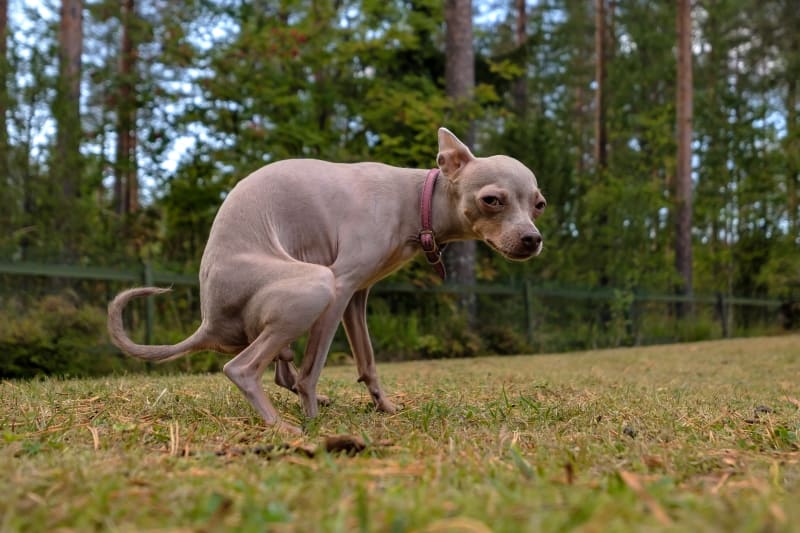
- Infrequent or straining bowel movements with little or no stool.
- Hard, dry, or pellet-like stools.
- Whining, pacing, or repeated trips to the litter area.
- Loss of appetite, lethargy, or belly discomfort.
- Vomiting or visible abdominal swelling in severe cases.
If your dog is uncomfortable or straining more than usual, don’t ignore it. Early care often prevents bigger problems.
How veterinarians diagnose constipation
A vet will combine history, exam, and tests. Diagnosis often points to the specific dog constipation causes.
Typical steps:
- Ask about diet, water, exercise, and medication history.
- Perform a physical exam, including a rectal check for blockage.
- Use abdominal X-rays to detect obstuction or hard stool.
- Run blood work if chronic disease is suspected.
- Take fecal samples to check for parasites.
These steps find both common and hidden causes. A clear diagnosis guides safe treatment.
Home remedies and immediate care
For mild cases, safe home care can help. Only try home remedies for stable dogs without severe signs.
Simple steps to try:
- Increase water by offering fresh water and wet food. Hydration softens stool.
- Add fiber slowly with canned pumpkin (plain) or a vet-approved fiber supplement.
- Increase gentle exercise to stimulate the gut.
- Offer small amounts of olive oil or fish oil only after vet approval.
- Avoid human laxatives; many are unsafe for dogs.
I used pumpkin for my older spaniel when she had mild constipation. It worked in 24–48 hours. Always call your vet before giving new remedies.
Veterinary treatments and medications
When home care fails, vets use safe medical options tailored to the cause. Treatments are effective when guided by diagnosis.
Common vet treatments:
- Stool softeners or osmotic laxatives to draw water into the colon.
- Lubricants that ease stool passage.
- Enemas performed in clinic for impacted stool.
- Manual removal under sedation for severe impaction.
- Surgery if a tumor or obstruction causes the problem.
Follow-up care is important. Vets often recommend diet changes and monitoring to prevent recurrence.
Prevention tips and diet changes
Preventing constipation focuses on diet, water, and routine. Small habits give big benefits.
- Feed a balanced diet with adequate fiber for your dog’s age and size.
- Offer wet food or add water to dry food to boost moisture.
- Ensure constant access to clean water throughout the day.
- Keep a regular exercise schedule to support gut motility.
- Monitor stool and act fast if changes appear.
I recommend a food transition plan of 7–10 days when changing diets. Sudden changes often trigger gut upset and can become a dog constipation cause.
When to see the vet urgently
Some signs require immediate veterinary care. Don’t wait when symptoms are severe.
Urgent red flags:
- Repeated vomiting with no stool passed.
- Bloody stool or black, tarry stool which indicates internal bleeding.
- Severe abdominal pain or a hard, swollen belly.
- Collapse, weakness, or high fever.
- Straining for more than 48 hours without relief.
If any red flag appears, contact your vet or an emergency clinic right away. Timely care prevents complications.
Frequently Asked Questions of dog constipation causes
What are the most common dog constipation causes?
Most commonly, diet low in fiber, dehydration, and lack of exercise cause constipation. Foreign objects and some medications are also frequent culprits.
Can a change in food cause constipation?
Yes. Sudden food changes can disrupt digestion and lead to constipation. Transition foods slowly over 7–10 days to reduce risk.
Is pumpkin safe for treating constipation in dogs?
Plain canned pumpkin is often safe and helps by adding fiber and moisture to stool. Check portion size with your vet, especially for dogs with other health issues.
How long is too long for a dog to be constipated?
If a dog strains or has no bowel movement for 48 hours, seek veterinary advice. Longer delays raise the risk of impaction and serious complications.
Are human laxatives safe for dogs?
Many human laxatives are unsafe for dogs and can cause harm. Always consult your vet before giving any over-the-counter laxative.
Can constipation be a sign of a serious disease?
Yes. Chronic constipation can signal nerve problems, tumors, or metabolic disease. A thorough vet exam and tests can find these issues.
Conclusion
Dog constipation causes range from simple diet and water issues to serious medical problems. Spotting symptoms early and acting with the right care often leads to quick improvement. Use hydration, fiber, exercise, and vet guidance to keep your dog regular and comfortable. Try small, consistent changes today and consult your vet if symptoms persist — your dog will thank you. Leave a comment with your questions or share your experience, and consider subscribing for more practical pet health guides.
