
Most dog diarrhea is caused by diet changes, parasites, infections, or stress upsetting the gut.
I’ve treated dozens of upset stomachs and studied veterinary resources, so this guide explains dog diarrhea causes clearly and simply. You’ll learn why diarrhea happens, how vets diagnose it, safe home care, and when to seek emergency help. My aim is to give practical steps and honest tips based on experience and evidence so you can help your dog fast.
Understanding dog diarrhea causes
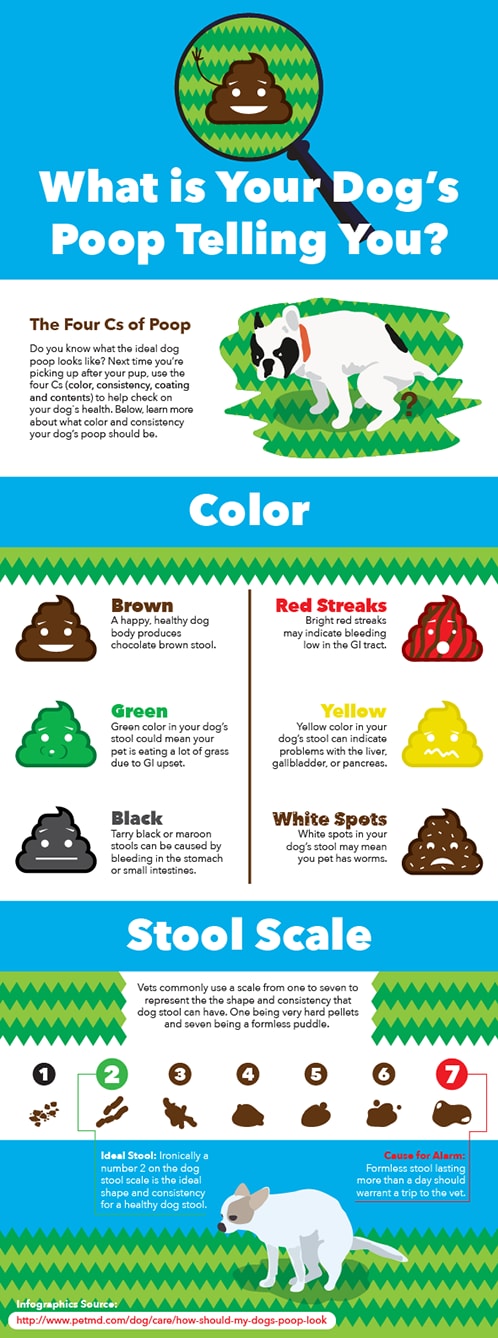
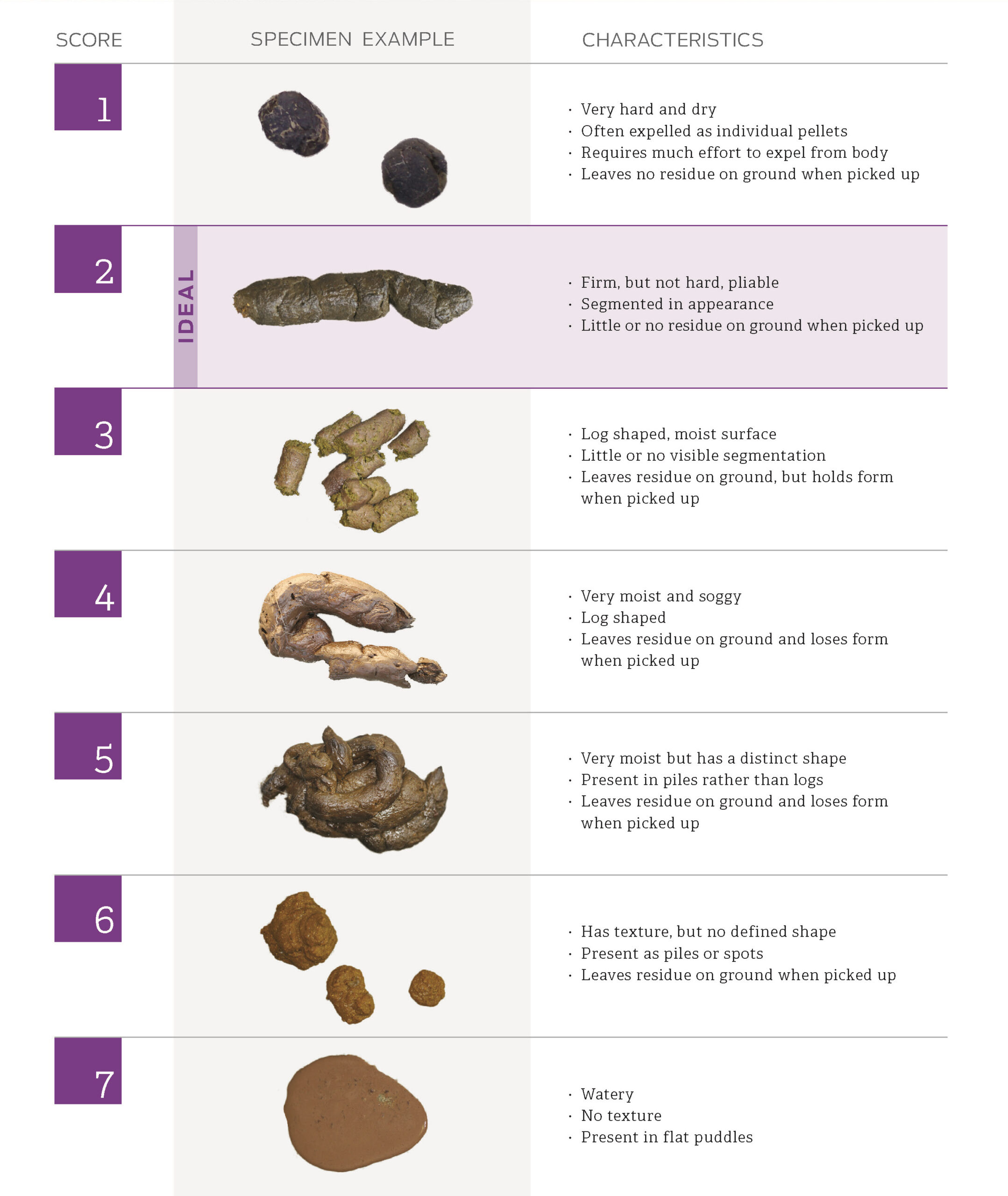
Diarrhea means loose, watery stools. It can be acute (sudden) or chronic (lasting weeks). Acute diarrhea often comes from eating something new, infections, or stress, while chronic diarrhea hints at deeper issues like inflammatory or metabolic disease. Knowing common dog diarrhea causes helps you decide if home care is safe or if a vet is needed.
Common dog diarrhea causes
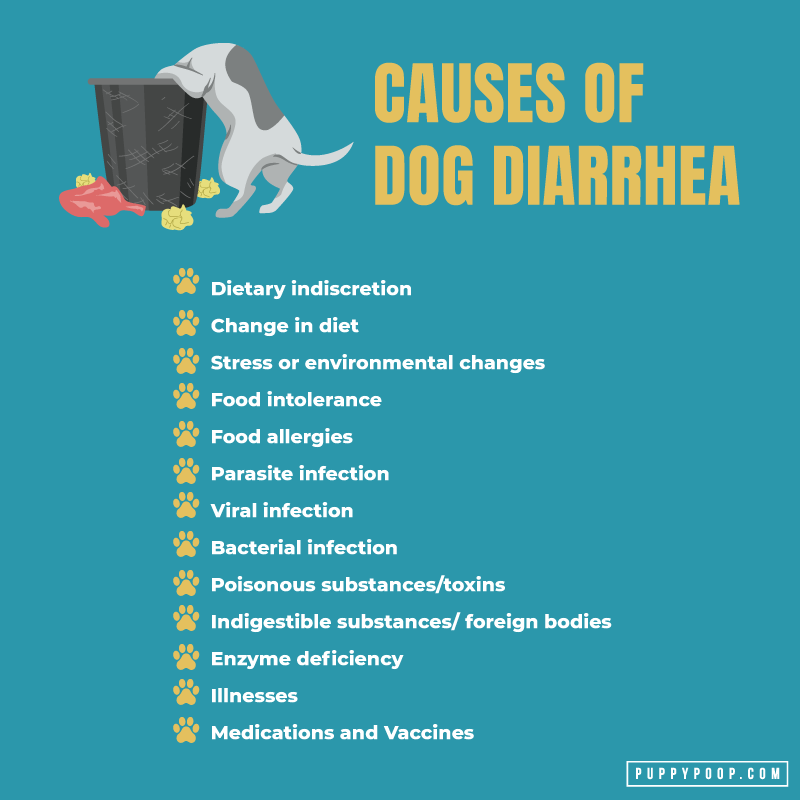
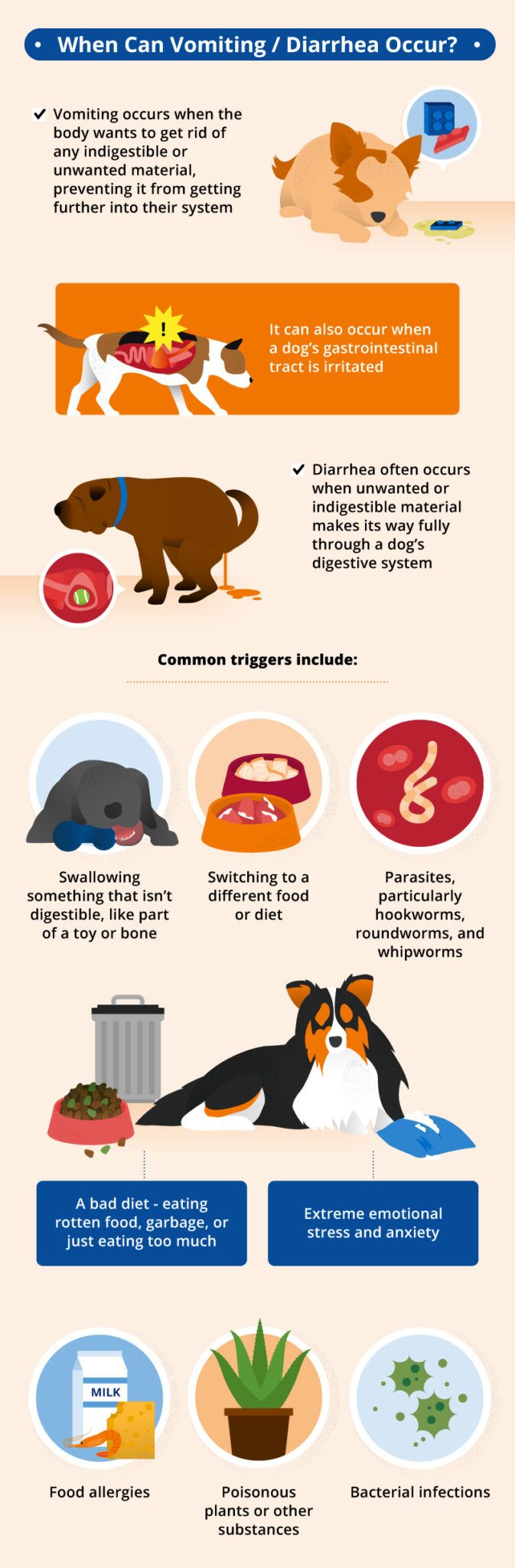
- Diet change: A sudden switch in food or table scraps often causes diarrhea in dogs because their gut needs time to adjust.
- Dietary indiscretion: Eating garbage, spoiled food, or foreign objects can trigger sudden diarrhea.
- Parasites: Worms, giardia, and coccidia are frequent causes of diarrhea, especially in puppies and dogs that go outside.
- Bacterial infections: Bacteria such as Salmonella or E. coli can cause severe diarrhea and sometimes blood.
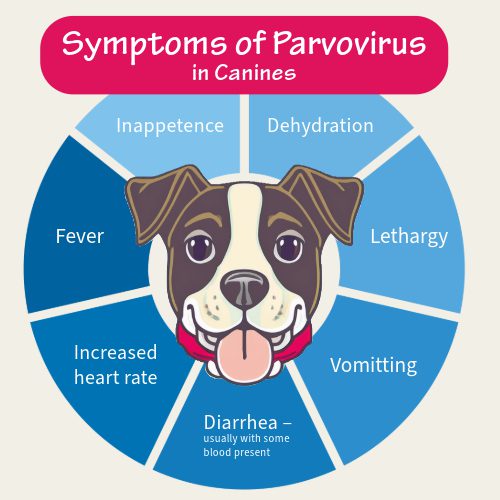
- Viral infections: Parvovirus and coronavirus cause dangerous diarrhea in unvaccinated dogs, often with vomiting and lethargy.
- Stress and anxiety: Travel, boarding, or major changes can cause stress-related diarrhea.
- Food intolerance or allergy: Chronic diarrhea can result from an intolerance to ingredients like beef, dairy, or grains.
- Inflammatory bowel disease: Immune-driven inflammation can cause long-term diarrhea and weight loss.
- Metabolic disease: Conditions like liver disease, kidney disease, or pancreatic insufficiency can result in chronic diarrhea.
- Medications and toxins: Some medicines and toxins irritate the gut and cause diarrhea as a side effect.
These common dog diarrhea causes cover most cases you’ll see at home or in the clinic. If symptoms are severe, persistent, or your dog is a puppy or senior, call your vet.
Signs and symptoms to watch for
Diarrhea is the key sign, but watch the whole dog.
- Increased frequency of watery stools, sometimes with mucus or blood.
- Vomiting, fever, weakness, or loss of appetite.
- Dehydration signs: dry gums, sunken eyes, and low energy.
- Weight loss or persistent diarrhea over weeks.
If your dog has bloody diarrhea, repeated vomiting, collapse, or severe dehydration, these are emergency signs. Prompt vet care is necessary to prevent complications.
How vets diagnose the cause
Veterinarians use a stepwise approach to find dog diarrhea causes.
- History and exam: The vet asks about diet, medications, travel, and other pets, and will do a physical exam.
- Fecal testing: A stool check looks for parasites, bacteria, and microscopic abnormalities.
- Blood tests: CBC and chemistry screens look for infection, dehydration, and organ problems.
- Imaging and biopsies: X-rays, ultrasound, or intestinal biopsies help with chronic or complex cases.
A clear history and a few basic tests often identify the cause quickly. If tests are inconclusive, vets may try dietary trials or more advanced diagnostics.

Treatment options and practical steps
Treatment depends on the cause and the dog’s condition. Basic steps for many cases include:
- Hydration: Offer small amounts of water frequently or an oral electrolyte solution to prevent dehydration.
- Bland diet: Feed a gentle diet such as boiled chicken with rice or a vet-formulated bland diet for 24–72 hours.
- Probiotics: Short-term probiotics can help rebalance gut bacteria and shorten diarrhea.
- Deworming: If parasites are found or suspected, appropriate dewormers clear infections.
- Medications: Vets may prescribe antibiotics for bacterial infections or anti-inflammatories for IBD.
- Hospital care: IV fluids and intensive monitoring are needed for severe dehydration, parvovirus, or shock.
Do not give human anti-diarrheal drugs without vet approval. Some treatments that work in people can harm dogs. For chronic cases, a vet may recommend hypoallergenic diets, bone broth, or long-term medications.
Preventing dog diarrhea causes
Prevention focuses on reducing exposure and supporting a healthy gut. Practical steps include:
- Slow diet changes: Transition new food over 7–10 days to avoid upsetting digestion.
- Safe feeding: Avoid table scraps and keep trash secured to prevent dietary indiscretion.
- Parasite control: Use regular deworming and monthly preventives as recommended by your vet.
- Vaccination: Keep vaccinations current to prevent viral causes like parvovirus.
- Stress reduction: Maintain routine, use calming aids for travel, and provide a stable environment.
- Regular checkups: Annual exams and stool checks catch problems early.
These habits lower the chance that your dog will develop diarrhea and make it easier to spot problems early.

Home care tips and remedies to use — and what to avoid
When dog diarrhea causes are mild, you can often manage at home safely. Try these steps:
- Rest the gut: Offer small, bland meals every 6–8 hours for a day or two.
- Keep water available: Encourage sipping and monitor urine to ensure hydration.
- Probiotic supplements: Choose products made for dogs and follow dosing instructions.
- Monitor closely: Track stool quality, appetite, and activity for 48–72 hours.
Avoid these common mistakes:
- Giving human medicines like ibuprofen or aspirin, which are toxic to dogs.
- Prolonged fasting in puppies or small breeds, which can cause low blood sugar.
- Overusing antibiotics without a vet diagnosis, which can harm gut flora.
If home measures don’t help within 48–72 hours, or if your dog worsens, see your vet.

Personal experience and lessons learned
I once cared for a young lab with sudden diarrhea after a weekend trip. We treated dehydration, changed to a bland diet, and ran a stool test that found giardia. The dog recovered in days after appropriate meds and a short probiotic course. That taught me to act quickly, keep calm, and rely on tests rather than guessing. Consistent prevention—slow food changes and parasite control—saved repeated vet visits for that owner.
Frequently Asked Questions of dog diarrhea causes
What should I feed my dog with diarrhea?
Start with small portions of a bland diet like boiled chicken and rice or a vet-formulated gastrointestinal diet for 24–72 hours. Resume normal food slowly over several days once stools firm.
When is dog diarrhea an emergency?
If your dog vomits repeatedly, shows blood in stool, becomes very weak, or shows signs of dehydration, get emergency vet care immediately. Puppies, seniors, and dogs with preexisting conditions are higher risk.
Can stress alone cause dog diarrhea?
Yes. Stress and anxiety can upset gut motility and cause diarrhea, especially during travel, boarding, or big routine changes. Calming strategies and short-term support often help.
Are probiotics helpful for dog diarrhea causes?
Probiotics can help restore healthy gut bacteria and may shorten mild cases of diarrhea. Use dog-specific products and check with your vet for the right strain and dose.
How long should I wait before seeing a vet?
For an otherwise healthy adult dog with mild diarrhea, watch for 48–72 hours while offering fluids and bland food. See a vet sooner if symptoms worsen, or if your dog is a puppy, senior, or has other illnesses.
Conclusion
Understanding dog diarrhea causes makes you a better advocate for your dog. Most cases are mild and respond to simple care, but some need prompt veterinary attention. Use prevention, quick observation, and a vet partnership to keep your dog healthy and comfortable. If you’re worried or the diarrhea is severe, contact your veterinarian right away — and share this guide to help others recognize and treat common causes of diarrhea in dogs.
