
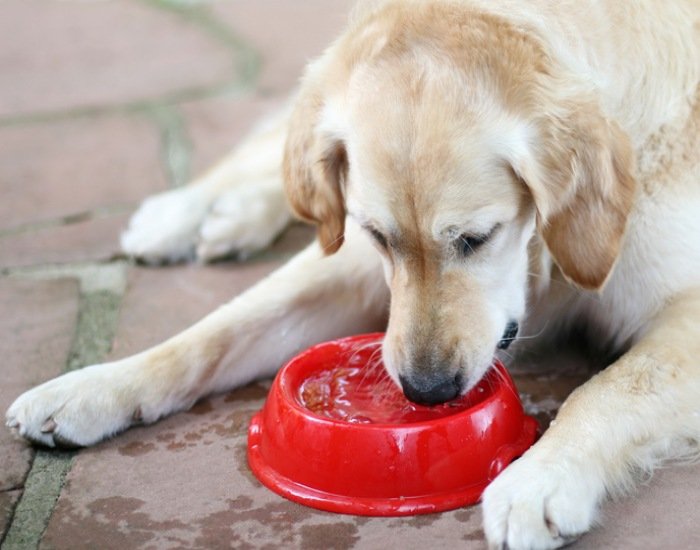
Most dogs drink more water due to heat, exercise, diet changes, or health problems.
I’ve worked with dogs and spent years reading veterinary research and case notes. If you’re worried about your dog drinking lots water, this guide breaks down why it happens, how to check it, when to worry, and what to do next. I’ll share real-life stories, clear steps, and practical tips so you can spot problems early and help your dog feel better.
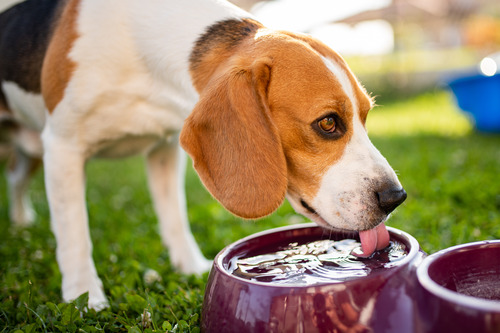
Why is my dog drinking lots water?
Dogs can drink more water for many simple reasons. Hot weather and play raise thirst. A diet with dry food or salty treats can increase water needs. Sometimes the cause is a health issue like diabetes or kidney disease. Watching patterns helps you tell normal thirst from a problem.
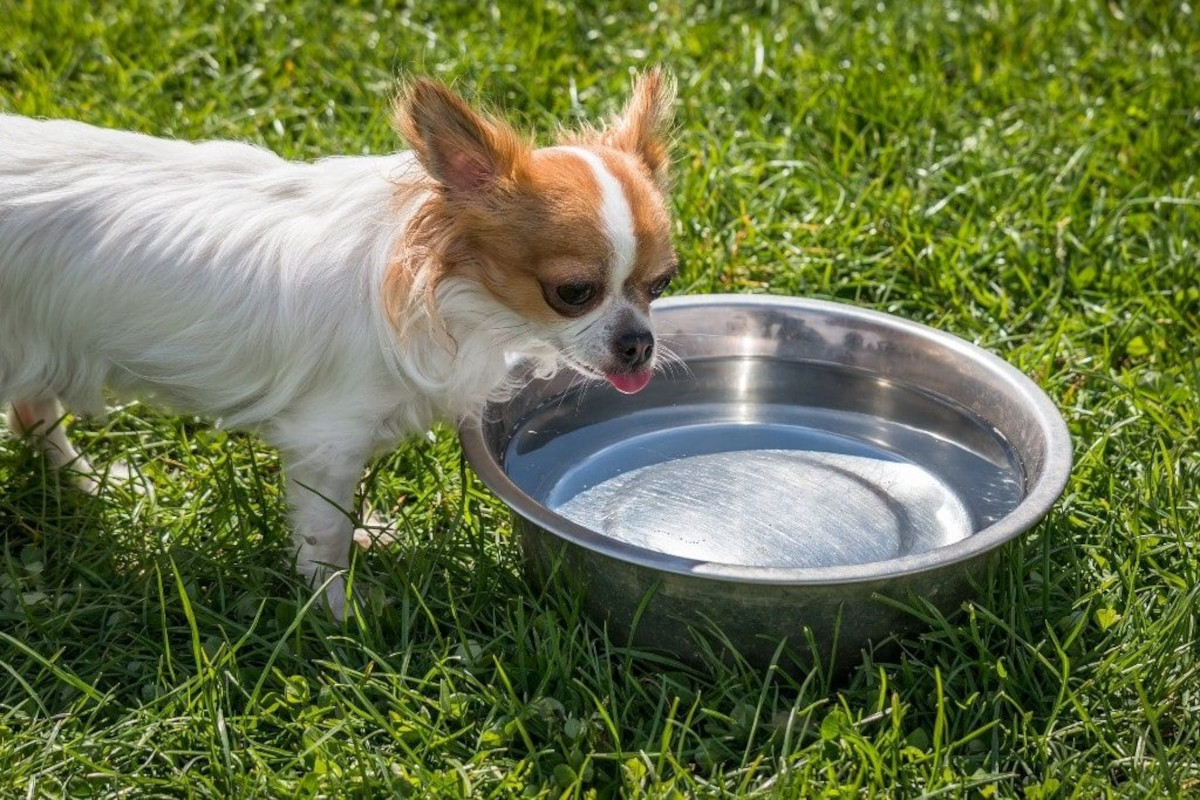
Normal versus abnormal drinking
Most dogs have daily water needs that match their size and activity. A small dog may drink a cup or two. A large dog can drink several cups. Watch for these signs of abnormal drinking:
- Drinking noticeably more than usual for several days
- Needing to drink during the night or more often than every few hours
- Urinating more often or having accidents in the house
If you notice these patterns, your dog drinking lots water may be worth a vet check.
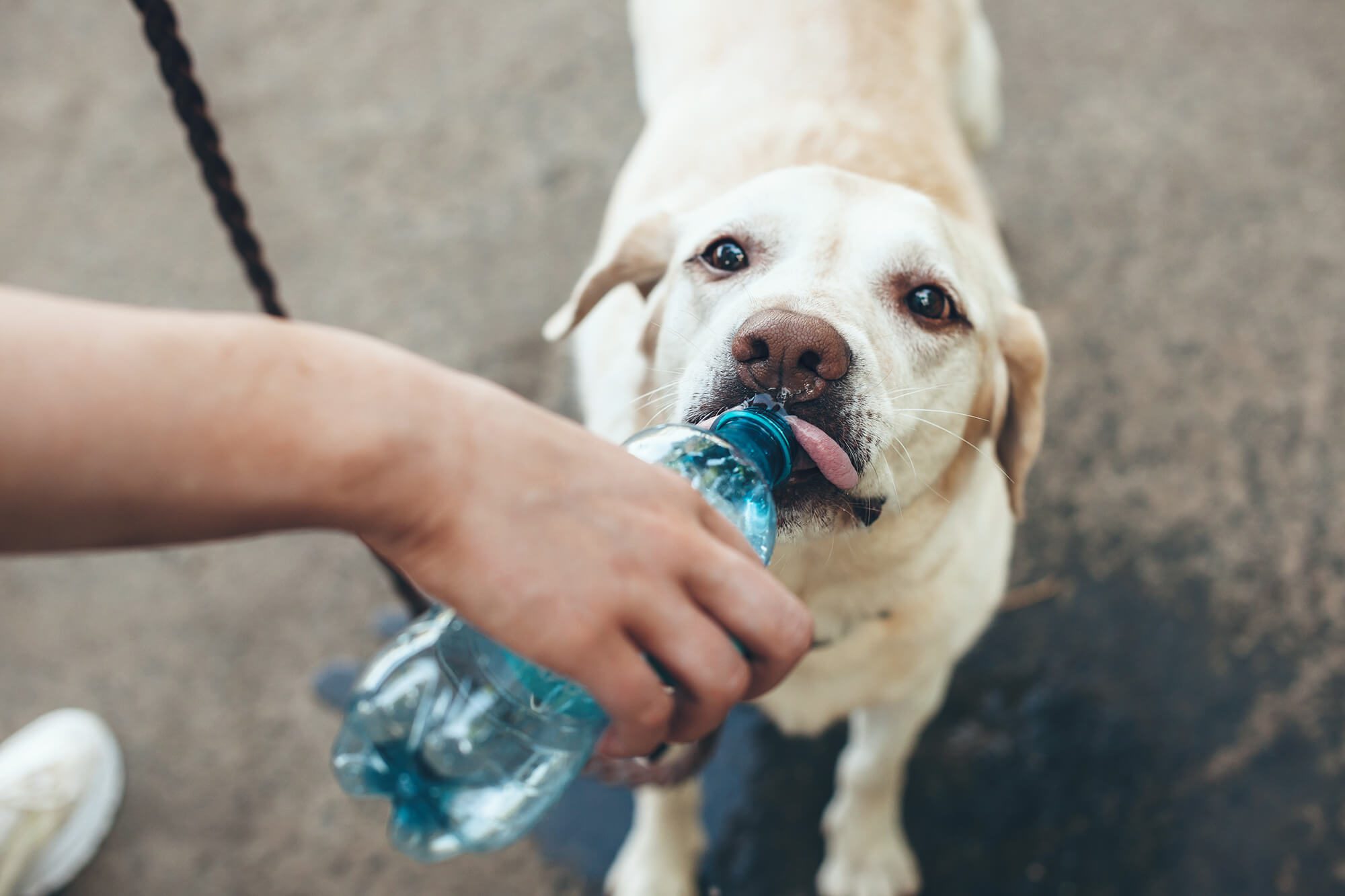
Common medical causes of a dog drinking lots water
Many conditions make a dog drink more. Here are the most common ones:
- Diabetes mellitus — High blood sugar causes heavy drinking and urination.
- Kidney disease — Poor kidney function raises thirst to flush toxins.
- Cushing’s disease — Hormone changes increase appetite and thirst.
- Urinary infections — These can lead to increased water intake.
- Medications — Some drugs make dogs thirsty as a side effect.
Each cause has typical signs. For example, diabetes often comes with weight loss and increased hunger. Kidney disease may cause poor appetite and bad breath.
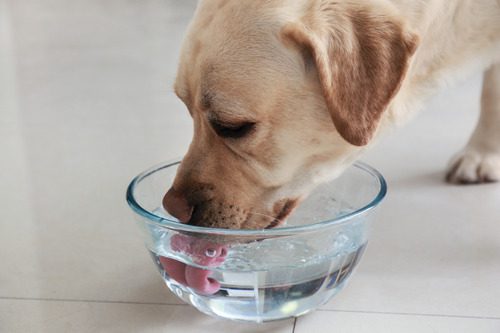
How to measure and monitor water intake
Tracking water helps spot trends and gives the vet useful data. Follow these steps:
- Use a clean measuring cup for each fill.
- Note how much water you put in and how much is left next refill.
- Keep a simple log with date, time, and amount your dog drank.
- Observe other changes like urination, appetite, and energy.
If your dog drinking lots water amounts to double or triple normal intake, call your vet.

Tests, diagnosis, and what to expect at the vet
Your vet will start with a history and a physical exam. Expect these tests:
- Urinalysis to check sugar, infection, and concentration.
- Blood tests for kidney function, liver, and blood sugar.
- Hormone tests if Cushing’s is suspected.
- Imaging, like X-rays or ultrasound, if needed.
Diagnosis guides treatment. Diabetes often needs insulin and diet change. Kidney disease care focuses on diet, fluids, and sometimes medication.
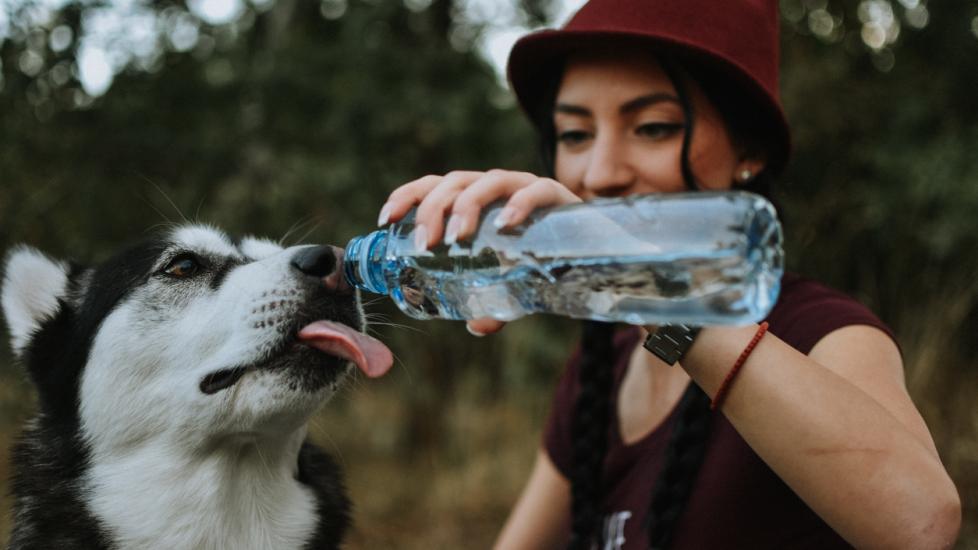
Practical tips to manage and prevent excessive drinking
You can help your dog at home while following the vet’s plan. Try these tips:
- Keep fresh water available but control refills to track intake.
- Offer wet food to add moisture and reduce thirst.
- Cut salty snacks and table scraps.
- Schedule water breaks during exercise and in hot weather.
- Use a consistent feeding and walking schedule.
My own dog once started drinking lots water after switching to dry food packed with salt. Adding wet food and checking with the vet solved the problem quickly.

Signs that require immediate veterinary attention
Some signs mean you should seek care right away:
- Sudden, extreme increase in drinking and urination
- Vomiting, severe lethargy, or collapse
- Blood in urine or trouble urinating
- Rapid weight loss or weakness
These symptoms can indicate serious disease. Quick action can make a big difference in outcomes.
Lifestyle and long-term management
For chronic conditions you will manage water and health over time. Key strategies:
- Follow the vet’s treatment and diet plan closely.
- Monitor weight, appetite, and water daily.
- Schedule regular rechecks and lab tests.
- Make small changes gradually to avoid stress.
I learned from cases that steady routines help dogs adapt and let owners spot subtle changes early.
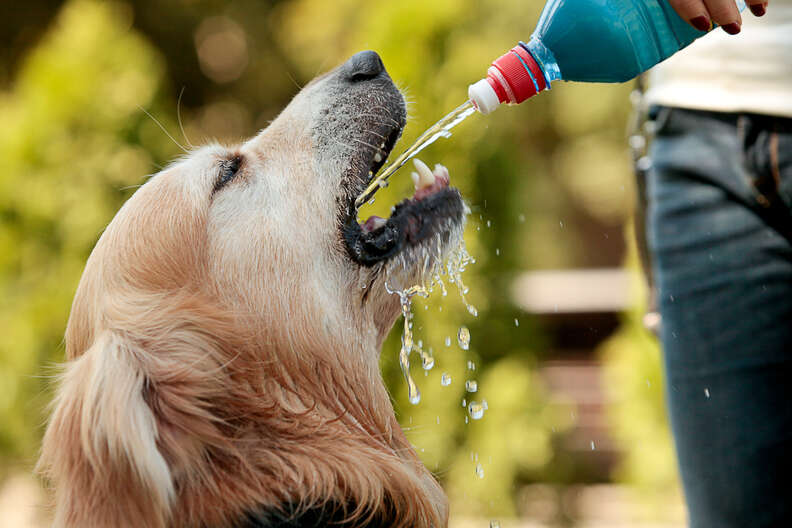
Frequently Asked Questions of dog drinking lots water
What is normal water intake for a dog?
Normal intake varies by size, diet, and activity. A general rule is about one ounce per pound of body weight per day, but it can vary widely.
Can a dog drink too much water?
Yes. Excess water can dilute salts and cause electrolyte problems. It can also signal an underlying illness that needs attention.
How long should I watch increased drinking before seeing a vet?
If increased drinking lasts more than 48–72 hours or is paired with other symptoms, contact your vet sooner rather than later.
Will switching to wet food reduce my dog drinking lots water?
Wet food adds moisture and often reduces water intake. It can help, but it may not fix an underlying medical cause.
Are there home tests I can do for diabetes?
You can check for sugary urine with over-the-counter strips, but a vet blood test is required to confirm diabetes and set treatment.
Conclusion
Paying attention to your dog drinking lots water gives you a powerful head start on health issues. Track intake, note other signs, and seek veterinary care when patterns change. Small steps—like measuring water, adjusting diet, and keeping a log—help you and your vet find the cause faster. Take action now: start a water log, talk to your vet if you see change, and leave a comment with your questions or experiences.
