
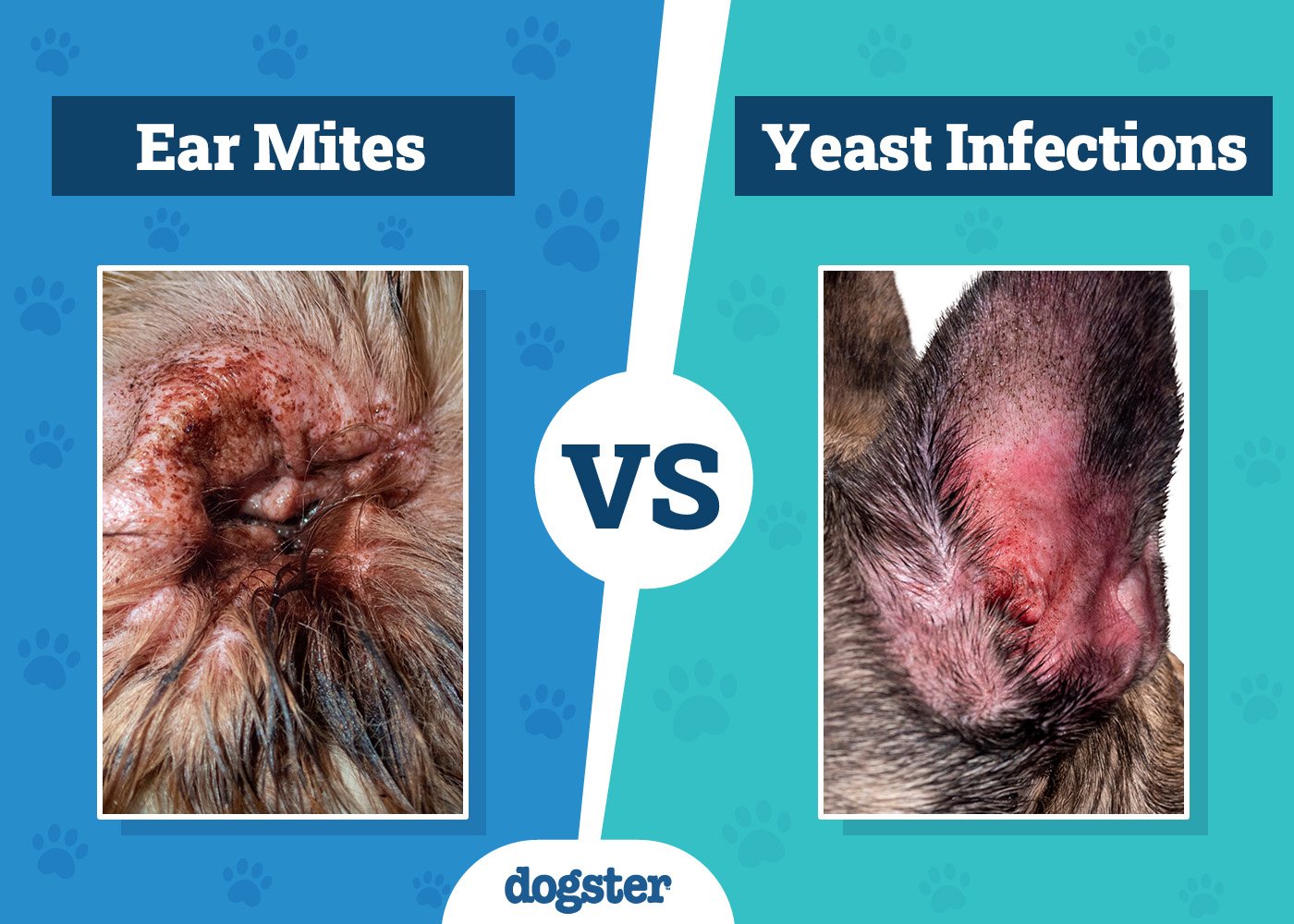
Common dog ear infection symptoms include itching, redness, odor, head shaking, and discharge.
As a veterinarian-trained content writer with years of hands-on clinic work, I’ll walk you through the full picture of dog ear infection symptoms. You’ll learn why infections start, how to spot subtle signs early, how vets confirm a diagnosis, practical home care tips, and when to seek urgent help. Read on for clear, evidence-based guidance and field-tested advice to keep your dog comfortable and healthy.
What causes dog ear infections?
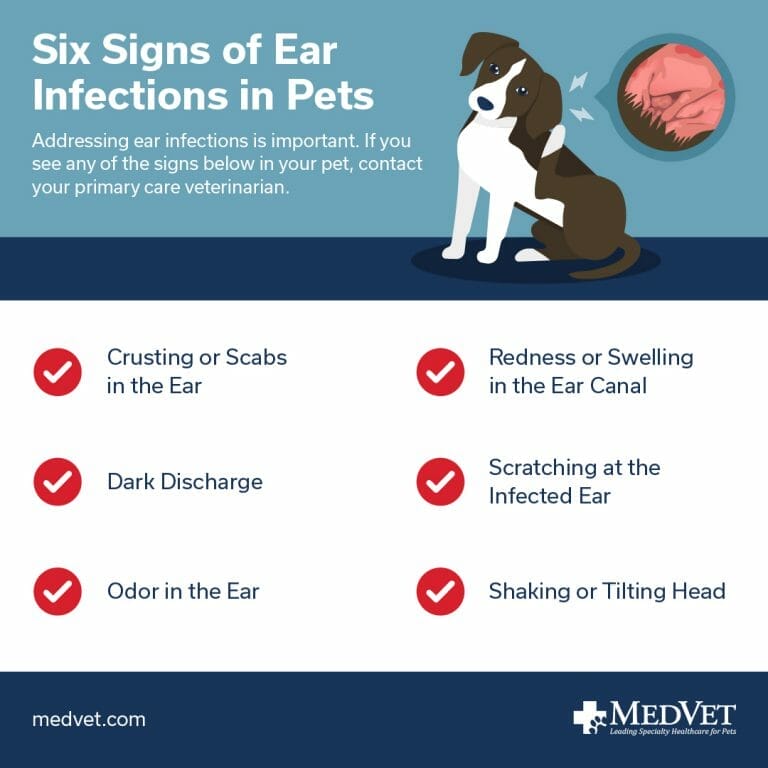
Dog ear infection symptoms come from several root causes. Understanding causes helps you prevent recurrences.
Common causes of ear infections in dogs:
- Bacteria overgrowth in the ear canal.
- Yeast (Malassezia) infections.
- Ear mites, especially in puppies.
- Allergies, including food and environmental allergens.
- Excess ear moisture after swimming or bathing.
- Narrow ear canals or lots of hair in the ear.
- Foreign bodies, like grass seeds.
- Hormonal or immune problems that change ear skin health.
Many dogs have more than one cause at once. For example, allergies often set the stage for yeast or bacterial overgrowth. That layered problem explains why dog ear infection symptoms can come back if you only treat one part of the issue.
Recognizing common dog ear infection symptoms
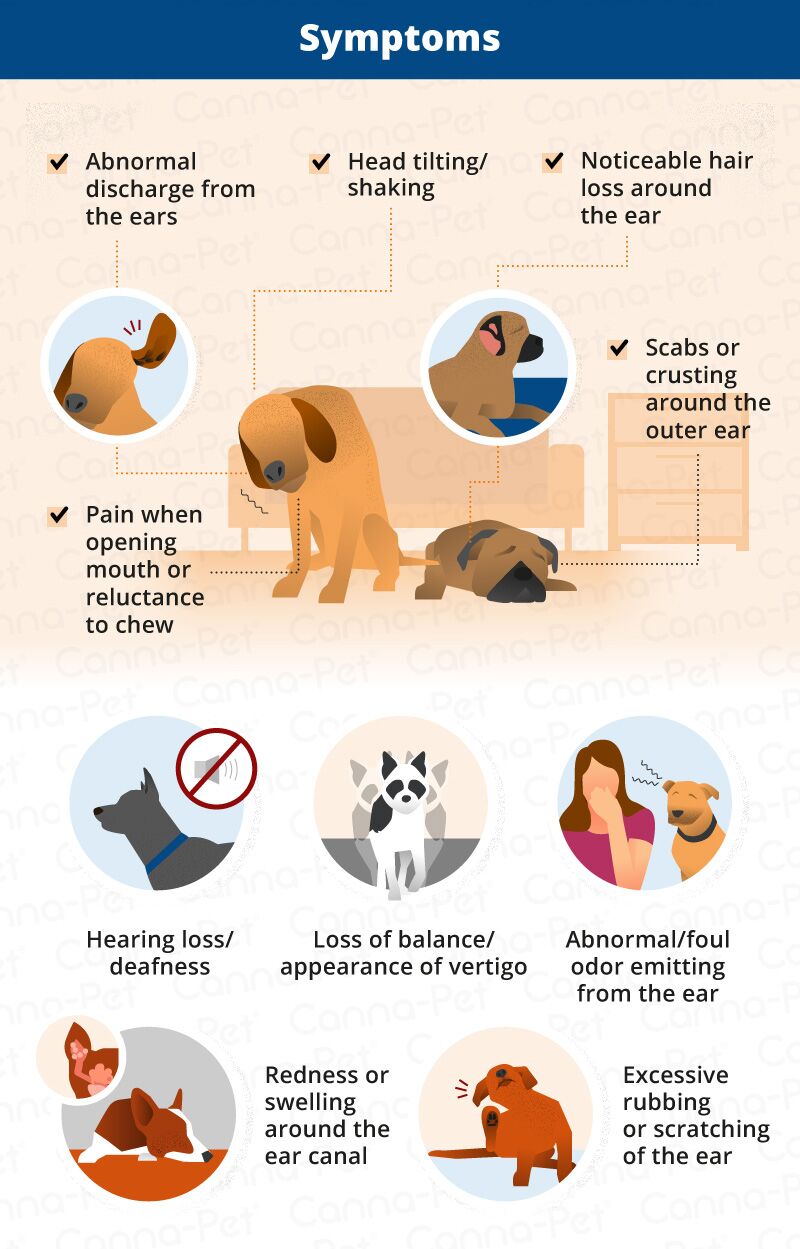
Spotting dog ear infection symptoms early prevents pain and long-term damage. Watch for these clear signs.
Itching and scratching
- Dogs often paw at an ear or rub their head on furniture.
- Persistent scratching is a top dog ear infection symptom to watch for.
Head shaking and tilting
- Frequent head shaking tries to dislodge material or fluid.
- A pronounced head tilt can indicate deeper ear or inner ear involvement.
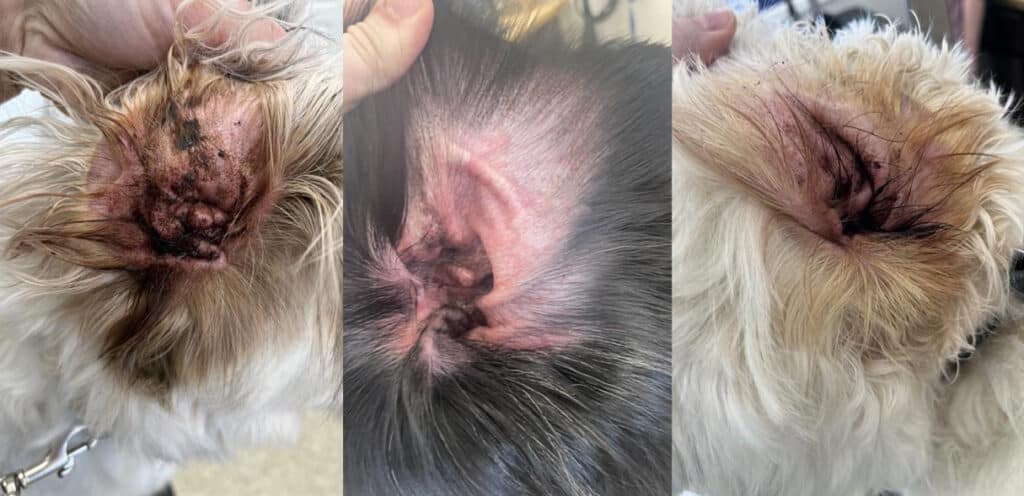
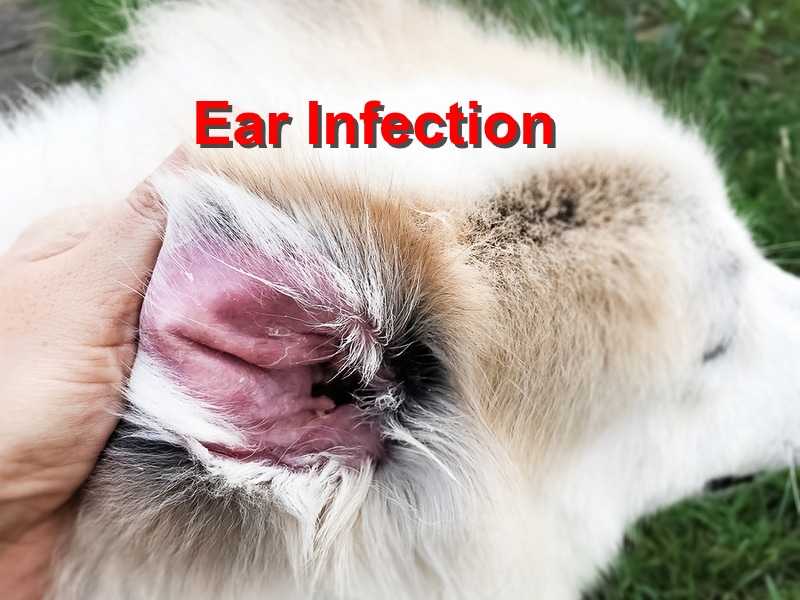
Redness and swelling of the ear flap and canal
- Inflamed skin looks red and may be warm to touch.
- Swelling can narrow the ear canal and cause discomfort.
Unusual odor from the ear
- A strong, foul smell usually means infection and bacterial activity.
- Yeast infections often have a sweet or musty odor.
Discharge and changed ear wax
- Discharge can be brown, yellow, green, or black depending on cause.
- Thick brown or black wax is common with yeast overgrowth.
Pain or sensitivity when touching the ear
- Dogs may flinch, yelp, or avoid touch near the ear.
- Pain indicates more advanced inflammation.
Hearing loss or balance problems
- Partial hearing loss shows up as not responding to calls.
- Inner ear infection can cause balance issues and circling.
Crusting, scabs, or hair loss around the ear
- Chronic scratching leads to sores and hair loss.
- Skin changes are often seen with allergic triggers.
If you spot one or more of these dog ear infection symptoms, jot them down. Note when they started, which ear is affected, and any triggers like swimming. This timeline helps your vet craft the right treatment plan.

How veterinarians diagnose ear infections
Vets use simple, effective steps to confirm dog ear infection symptoms and find the cause.
Typical diagnostic steps:
- Full history and physical exam to learn onset and triggers.
- Otoscopic exam to view the ear canal and eardrum.
- Cytology by taking a swab and viewing it under a microscope to identify yeast, bacteria, or mites.
- Ear culture if infection is resistant to initial treatment or if unusual bacteria are suspected.
- Imaging or referral if inner ear or chronic disease is suspected.
Cytology is quick and tells us the likely culprit in most cases. Accurate diagnosis reduces repeated courses of antibiotics and speeds recovery.

Treatment options for dog ear infections
Treatment targets the cause and relieves dog ear infection symptoms quickly.
Topical treatments
- Medicated ear drops or ointments that combine antibiotics, antifungals, and anti-inflammatories.
- Often first-line for external ear infections.
Systemic medications
- Oral antibiotics or antifungals for severe or deep infections.
- Pain relief and anti-inflammatories may be used short-term.
Ear cleaning and flushing
- Professional ear flushes remove debris and drug-resistant buildup.
- At-home cleaning with vet-approved solutions helps during and after treatment.
Address underlying causes
- Allergy management, dietary changes, and parasite control prevent recurrence.
- Surgery may be needed for severe, chronic changes like a closed canal.
Treatment duration varies. Many infections clear in 7–14 days, but chronic cases may need weeks or months of therapy. Follow your vet’s instructions and complete the full course even if symptoms improve early.
Home care, cleaning, and prevention
Consistent home care reduces dog ear infection symptoms and lowers recurrence risk.
Safe ear cleaning routine
- Clean only when advised by your vet and use a recommended ear cleaner.
- Gently apply cleaner, massage the base of the ear, then wipe away debris with cotton or gauze.
- Never insert cotton swabs deep into the ear canal.
Tips to prevent future infections
- Dry ears after swimming or baths by gently wiping the entrance to the canal.
- Trim excess hair in and around the ear for breeds with hairy canals.
- Control allergies with diet trials, medication, or environmental measures.
- Keep routine vet checkups for dogs prone to ear problems.
Real-life note from my clinic experience: I once treated a golden retriever who had repeated ear infections after weekend lake swims. A simple habit change — towel-drying and a vet-approved drying solution right after swimming — stopped the cycle. Small actions like that can dramatically reduce dog ear infection symptoms.
When to see a vet and emergency signs
Some dog ear infection symptoms need immediate attention. Don’t wait if you see these red flags.
Seek urgent care if you notice:
- Sudden severe pain, bleeding, or a burst eardrum.
- Facial paralysis, persistent head tilt, or rapid circling.
- High fever, lethargy, or loss of appetite along with ear signs.
- A mass, large swelling, or inability to open the mouth.
Early vet care prevents progression from external ear disease to painful inner ear infections or chronic damage. If symptoms persist after initial treatment, ask your vet about further diagnostics.

Frequently Asked Questions of dog ear infection symptoms
What does a dog ear infection smell like?
An infected ear often has a strong, unpleasant odor that can be musty, sweet, or foul depending on whether yeast or bacteria are present.
Can ear infections in dogs go away without treatment?
Mild cases sometimes improve, but most dog ear infection symptoms need targeted treatment; untreated infections often worsen or recur.
How long does it take for dog ear infection symptoms to improve?
Most dogs show improvement within 3–7 days on appropriate treatment, but full resolution may take 2–4 weeks for persistent infections.
Are certain breeds more prone to ear infections?
Yes. Breeds with floppy ears or narrow ear canals are more prone to ear infections because they trap moisture and reduce airflow.
Can humans catch ear infections from dogs?
Most ear infections are caused by dog-specific bacteria, yeast, or parasites and are not transmissible to humans; good hygiene is always advised.
Is ear cleaning safe at home?
Ear cleaning is safe when you use vet-approved cleaners and follow your vet’s instructions; avoid cleaning if the ear is painful or the eardrum is suspected to be ruptured.
Conclusion
Dog ear infection symptoms are common but manageable with prompt recognition, correct diagnosis, and consistent care. Watch for itching, head shaking, odor, discharge, and pain. Work with your vet to treat the cause, follow the full treatment plan, and adopt simple prevention habits like drying ears and managing allergies. Start small: check your dog’s ears weekly and get early advice if you spot symptoms. If this guide helped, subscribe for more pet health tips or leave a comment with your questions.
