
Ear odor in dogs usually means infection, yeast, trapped debris, or poor ear care.
I’ve cared for many dogs with smelly ears and seen how a bad scent can worry owners. This guide explains why a dog ear smells bad, how to spot the cause, and clear steps to treat and prevent it. I’ll share practical tips from hands-on experience, simple cleaning routines, and red flags that need a vet. Read on to get confident about fixing and avoiding that foul ear smell.

Why a dog ear smells bad
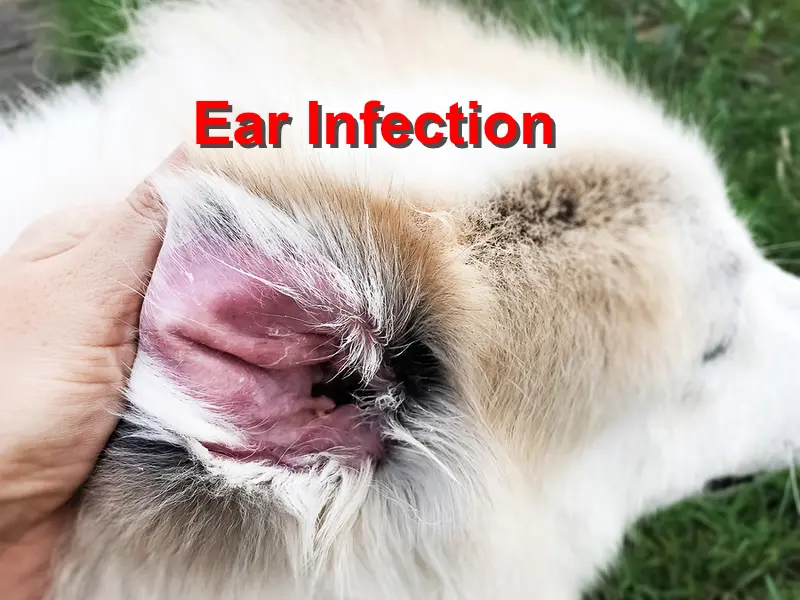
A smelly ear usually points to an underlying problem. Common causes include infection, yeast overgrowth, trapped moisture, foreign objects, allergies, or poor grooming. The ear canal is warm and dark. That makes it easy for bacteria and yeast to grow. Long-eared or floppy breeds often trap more dirt and moisture. If your dog's ear smells bad, you want to act fast. Left unchecked, pain and damage can follow.
Common causes explained
Below are the main reasons a dog ear smells bad, with short, clear explanations.
-
Ear infections (bacterial)
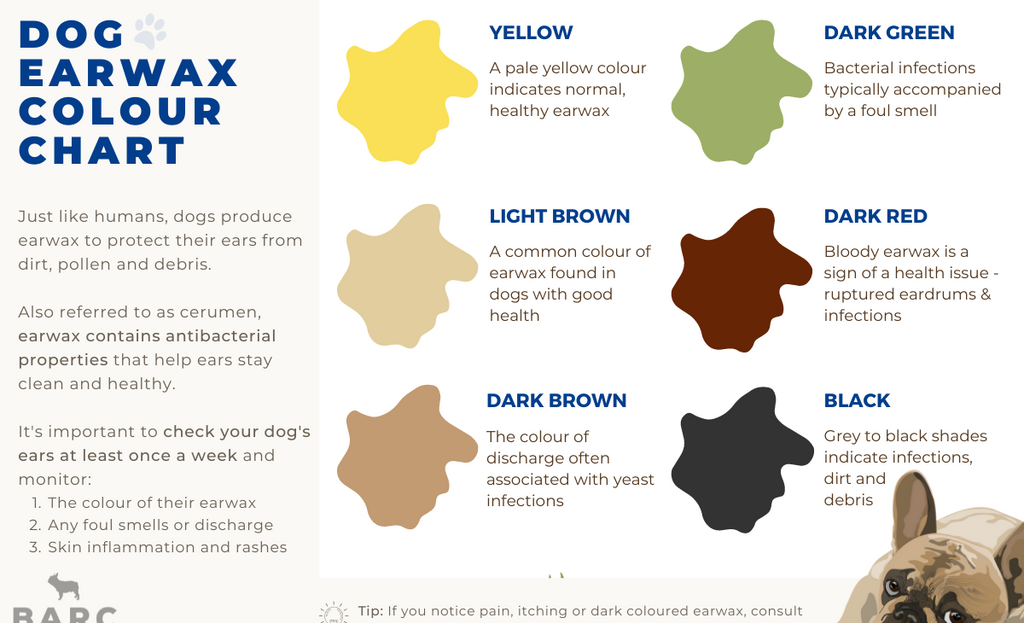
- Bacteria can grow in a moist ear. Infection often makes a strong, nasty smell. You may see dark discharge and your dog may scratch.
-
Yeast infections
- Yeast loves warm, dark spaces. Yeast smell is often musty or like mold. Ears may be red and itchy.
-
Ear mites
- Small parasites produce a crumbly, coffee-ground discharge and a bad odor. These are more common in puppies and outdoor dogs.
-
Trapped moisture
- Water after baths or swimming stays in the ear. Dampness lets microbes grow. This is a common cause of ear odor.
-
Foreign objects
- Grass seeds, foxtails, or small bits of debris can cause irritation, infection, and smell.
-
Allergies
- Food or environmental allergies can cause chronic ear inflammation. That inflammation leads to infections and odor.
-
Poor grooming and wax buildup
- Too much wax and debris can trap bacteria or yeast and start to smell.
-
Skin conditions and tumors
- Less common causes include skin disease or growths that change ear health and scent.

Signs and symptoms to watch for
If you notice a bad smell, check for these signs. Early detection helps treatment.
- Scratching at the ear or shaking the head
- Redness, swelling, or hot ears
- Dark or yellow discharge
- Scabs, crusts, or crumbly debris
- Pain when touching the ear
- Loss of balance or unusual tilt of the head
- Hearing changes or ear sensitivity
If your dog shows pain, loss of balance, or green pus, seek veterinary care right away.

How to clean your dog's ears safely
Cleaning can help when the smell comes from wax or minor debris. Do not clean if the ear is raw, bleeding, or very painful. In those cases, go to the vet.
Step-by-step safe ear cleaning
-
Get supplies ready
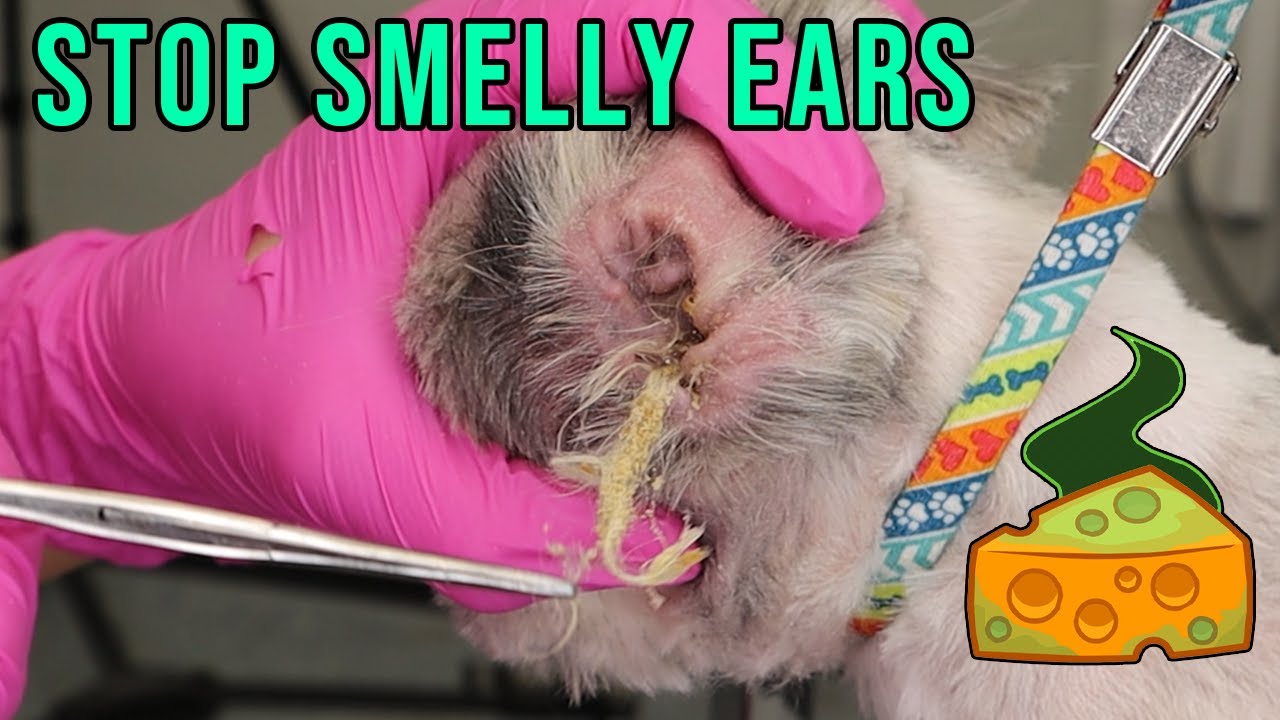
- Use a vet-approved ear cleaner, cotton balls, and treats. Avoid cotton swabs inside the canal.
-
Calm your dog
- Hold gently. Offer treats. Keep sessions short and positive.
-
Apply cleaner
– Squeeze a small amount into the ear canal. Massage the base of the ear for 20–30 seconds. -
Let your dog shake
- The shake helps loosen debris. Wipe away loosened wax with a cotton ball.
-
Dry the outer ear
- Use a clean cotton ball to dry the flap and ear entrance. Keep deeper cleaning to the vet.
-
Frequency
- For prone dogs, clean once weekly. For general care, check and clean monthly.
Cleaning mistakes to avoid
- Do not push cotton swabs into the ear canal.
- Do not use alcohol or hydrogen peroxide without vet advice.
- Do not over-clean; that can dry and irritate the ear.
From my experience, a calm routine and praise make cleaning easy. One anxious beagle needed a short treat break between steps. Small rewards build trust.
Treatment options and when vets get involved
If cleaning and home care do not fix the smell, a vet can diagnose and treat the cause.
What the vet may do or prescribe
- Ear exam using an otoscope
- Microscopic exam of discharge
- Bacterial or fungal culture if needed
- Prescription ear drops (antibiotics, antifungals, anti-inflammatories)
- Oral medication for severe cases
- Removal of foreign objects or growths
- Allergy testing or diet trials for chronic cases
When to see the vet right away
- Severe pain or sudden head tilt
- Heavy bleeding or large amounts of pus
- Facial swelling, fever, or lethargy
- Treatment-resistant chronic odor
Prompt vet care usually clears an infection quickly. I’ve seen fast turnarounds once the right drops and a short course of oral meds began.

Prevention and long-term care
Preventing recurrence is often about routine and small changes.
Routine tips
- Dry ears after swimming and baths
- Check ears weekly for odor or discharge
- Clean ears on a schedule if prone to issues
- Keep ear hair trimmed for breeds that need it
- Use gentle, vet-approved ear cleaners
- Maintain good general skin health with proper diet
Lifestyle and diet
- Food allergies can cause ear problems. Try an elimination diet under vet advice if allergies are suspected.
- Omega-3 supplements can improve skin and ear health for some dogs.
Breed-specific care
- Breeds with floppy ears (Cocker Spaniels, Basset Hounds) need more frequent checks.
- Hairy ear canals (Poodles) may need hair removal by a groomer or vet.
Personal tip: When my older spaniel started getting smelly ears yearly, switching to a simple weekly check and drying after each swim stopped most problems.
Frequently Asked Questions of dog ear smells bad
Why does my dog ear smells bad after a bath?
A wet ear creates a moist environment where bacteria and yeast grow. Dry the ear thoroughly after a bath and use a vet-safe drying solution if prone to infections.
Can I use vinegar to clean my dog’s ears?
A diluted vinegar mix is sometimes used for mild cleaning, but it can sting if the ear is inflamed or has open wounds. Check with your vet before using vinegar solutions.
How long does a dog ear infection smell last?
With proper vet treatment, the smell often improves in 48 to 72 hours. Complete healing can take one to three weeks depending on severity and underlying causes.
Are smelly ears contagious to other pets?
Some causes, like ear mites, can spread between pets. Bacterial and yeast infections are generally not contagious but shared environments can transfer microbes. Treat all affected pets if mites are found.
Can diet change stop smelly ears?
If food allergies cause ear problems, a diet change may reduce inflammation and future infections. Work with your vet to try elimination diets or hypoallergenic food.
Conclusion
A dog ear smells bad for many reasons, most commonly infections, yeast, moisture, or debris. Check ears often, dry them after water exposure, and use gentle cleaning routines for pets prone to odor. Seek veterinary care for pain, heavy discharge, or persistent smell. Start with small, consistent steps and you’ll cut down odor and keep your dog's ears healthy. If you found this helpful, try the cleaning steps, track any changes, and talk to your vet if the smell continues — and feel free to leave a comment or share your experience.
