
Dog eye discharge meaning: eye mucus ranges from normal tears to signs of infection or disease.
As a long-time dog caregiver and content writer who has helped many pet owners, I’ll guide you through what dog eye discharge meaning really covers. This article breaks down causes, colors, home care, and when to see a vet, using plain language and practical examples from hands-on experience. Read on to learn how to spot trouble early and care for your dog’s eyes with confidence.
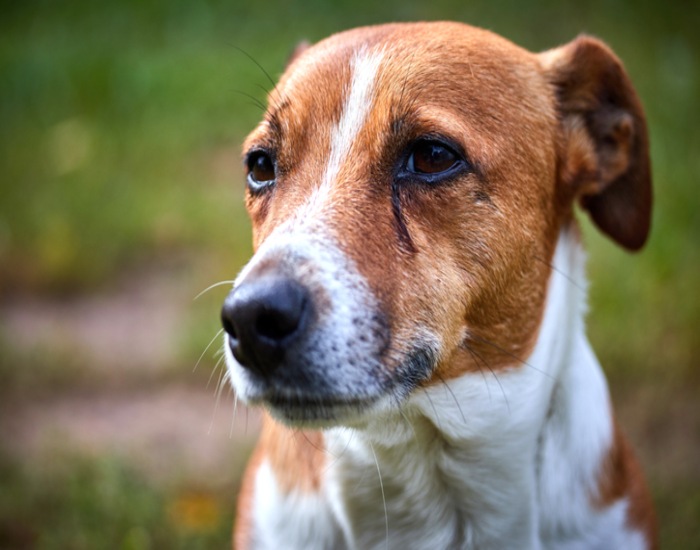
What does dog eye discharge mean?
Dog eye discharge meaning describes the type, amount, and color of fluid that comes from a dog’s eyes. It can be a simple tear, a response to dust, or a sign of allergies, infection, injury, or a chronic condition. Understanding the discharge helps you decide whether cleaning at home is enough or a vet visit is needed. I’ve seen subtle changes tell a clear story—small watery tears often need no treatment, while thick, colored discharge usually does.
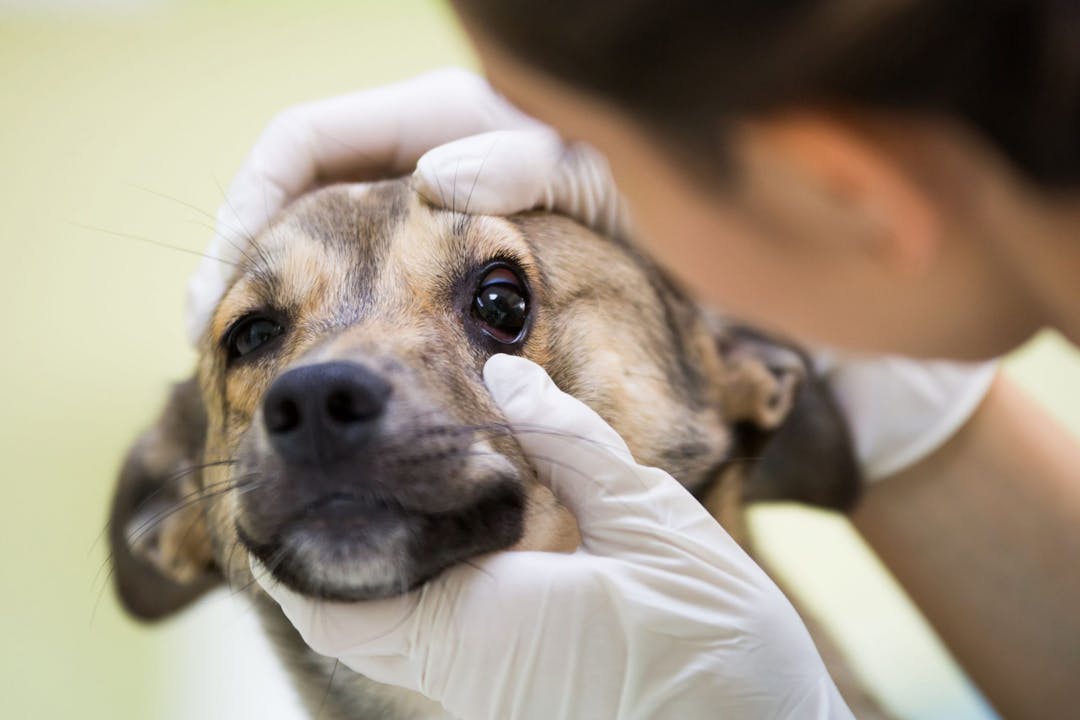
Common causes of dog eye discharge
- Allergies: Seasonal pollen or household dust can cause watery, itchy eyes and clear discharge.
- Conjunctivitis (pink eye): Bacterial or viral infections create red eyes with yellow or green discharge.
- Foreign body: Grass seed or debris leads to sudden tearing and scratchy behavior.
- Dry eye (keratoconjunctivitis sicca): Thick, mucoid discharge from low tear production.
- Blocked tear ducts: Excess tearing that puddles at the eye’s corner.
- Eyelid problems: Entropion or ectropion can cause irritation and chronic discharge.
- Corneal ulcers: Painful, often bloody or cloudy discharge from injury.
- Breed traits: Flat-faced breeds often have tearing and staining from anatomy.
- Systemic illness: Some infections or autoimmune diseases affect the eyes.
- Tear staining: Pigmentation from chronic wetness, common in light-coated breeds.
Knowing dog eye discharge meaning helps prioritize care. When I worked with rescue dogs, distinguishing cause meant fewer unnecessary vet visits and faster relief for the animals.
Types and colors of discharge and what they mean
Clear and watery
Clear, watery discharge usually means irritation, allergies, or a mild foreign body. If it’s brief and your dog isn’t squinting, watch and clean gently.
White or mucoid
Thick white discharge often suggests dry eye or chronic inflammation. This needs veterinary assessment and sometimes medicated eye drops.
Yellow or green
Yellow or green discharge usually indicates bacterial infection. This is a common sign that veterinary treatment, like antibiotics, is likely required.
Bloody or brown
Blood in the eye or brown discharge can point to trauma, a corneal ulcer, or severe infection. Seek prompt vet care.
Crusty or sticky
Crusts at the eyelid margin often appear after sleep and can be normal, but heavy crusting with redness needs attention.
Cloudy or gray
A cloudy eye may indicate ulceration, cataract, or deeper eye disease and warrants a vet exam.
Spotting and matching the type of discharge to symptoms is central to understanding dog eye discharge meaning and getting the right care quickly.
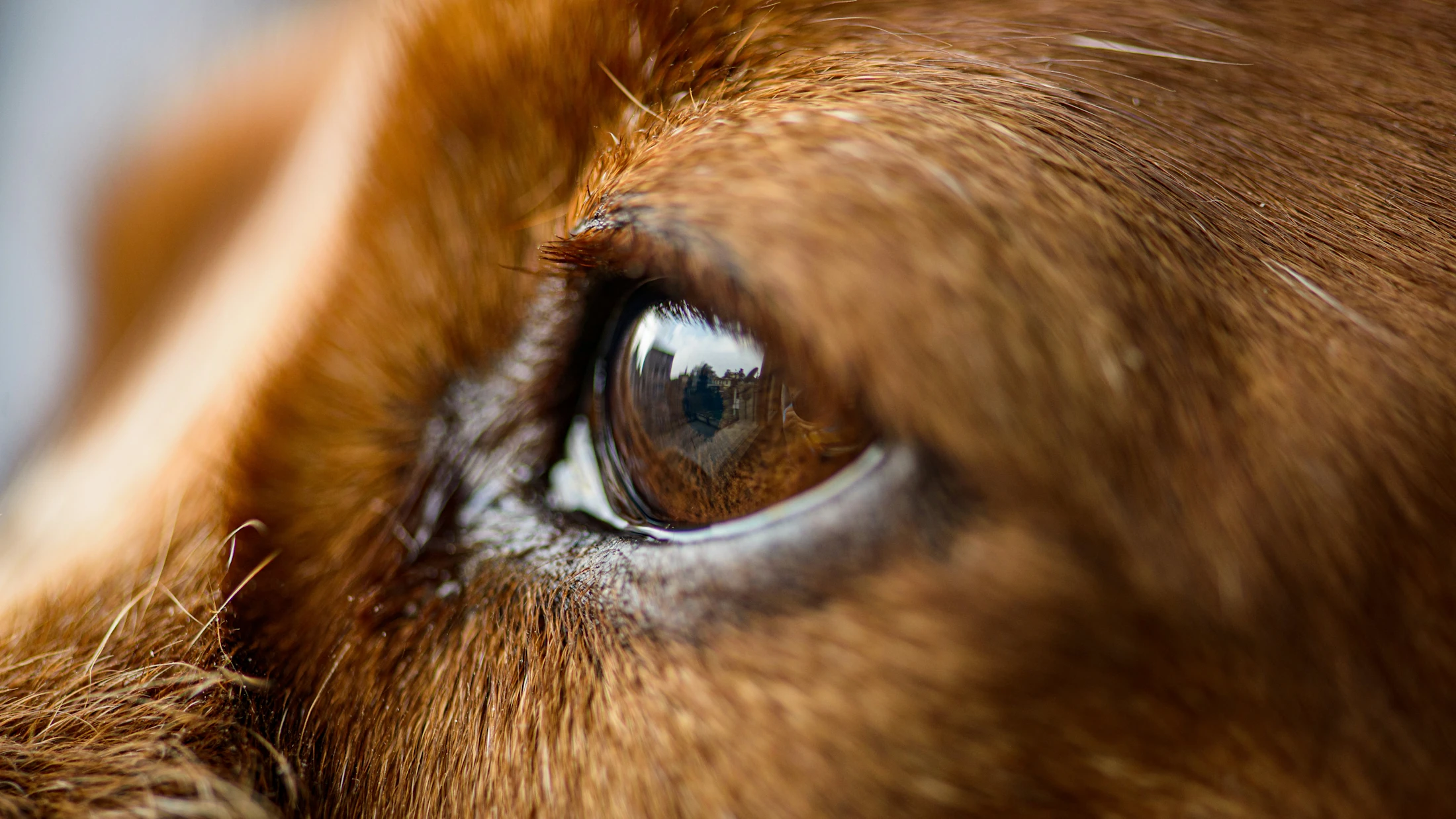
When to see a vet
Look for these red flags and contact your veterinarian promptly:
- Sudden onset of thick yellow/green discharge or blood.
- Persistent squinting, pawing at the eye, or sensitivity to light.
- One eye suddenly different from the other, cloudy appearance, or swelling.
- Discharge lasting more than 48 hours despite gentle cleaning.
- Changes in vision, bumping into objects, or unusual behavior.
If you’re ever unsure, calling your vet for quick advice is better than waiting. In my experience, timely vet checks prevent small issues from becoming painful or vision-threatening problems.

Home care, treatments, and what to expect at the vet
Simple home care steps
- Wash hands first to avoid introducing bacteria.
- Use a soft, damp cloth or sterile saline to wipe from the inner corner outward.
- Do not use human eye drops or medications unless directed by a vet.
What the vet may do
- Perform a full eye exam with fluorescein staining to check for corneal ulcers.
- Measure tear production if dry eye is suspected.
- Prescribe topical antibiotics, anti-inflammatories, or tear-stimulating drugs as needed.
- Recommend surgery for eyelid issues or persistent blocked tear ducts.
Common mistakes to avoid
- Delaying care when discharge changes color or increases.
- Using leftover or human medications without guidance.
- Overcleaning aggressively and causing irritation.
From personal experience cleaning a spaniel’s constant tear staining, gentle daily wipes and vet-approved drops made a big difference. Trust the vet’s plan and follow instructions closely.
Preventing dog eye discharge
Practical steps to reduce risk and manage chronic issues:
- Regular grooming around the eyes to keep hair out of the tear film.
- Keep the environment free of smoke, strong perfumes, and dust.
- Trim facial hair for breeds prone to eye hair irritation.
- Use vet-approved eye wipes or saline for routine cleaning.
- Maintain good nutrition and regular vet checkups to catch systemic causes early.
- Monitor seasonal allergies and ask your vet about antihistamine safety for dogs.
Prevention often reduces the frequency and severity of symptoms tied to dog eye discharge meaning. Small, consistent habits can prevent many common problems.
Frequently Asked Questions of dog eye discharge meaning
What does clear, watery eye discharge mean in dogs?
Clear, watery discharge usually signals irritation, allergies, or a mild foreign body. If your dog is not squinting and the discharge resolves, it’s often not urgent.
Is yellow or green eye discharge dangerous?
Yellow or green discharge often indicates a bacterial infection and should be evaluated by a vet promptly. Treatment usually involves topical antibiotics.
Can tear staining be prevented?
Tear staining can be managed with regular grooming, gentle cleaning, and addressing underlying tear flow or allergy issues. Some breeds need ongoing care due to facial anatomy.
How long can I safely wait before seeing a vet?
If discharge is thin, clear, and your dog is comfortable, monitor for 24–48 hours; if it thickens, changes color, or your dog shows pain, see a vet immediately. Timely care prevents complications.
Are human eye drops safe for dogs?
No, do not use human eye drops unless directed by a veterinarian; some contain ingredients that are harmful to dogs. Always follow vet-prescribed treatments.
My dog blinks a lot with discharge—what should I do?
Frequent blinking plus discharge may mean irritation or corneal disease; gently clean the eye and call your vet for an exam. Quick action can save vision and reduce pain.
Conclusion
Understanding dog eye discharge meaning helps you act quickly and wisely when your dog’s eyes change. Watch the color, amount, and behavior, clean gently at home when appropriate, and seek veterinary care for thick, colored, or painful discharge. Take action early, keep a calm mindset, and establish simple grooming habits to prevent many issues. If this guide helped, share your experience, subscribe for more pet care tips, or leave a comment with questions you’d like answered.
