
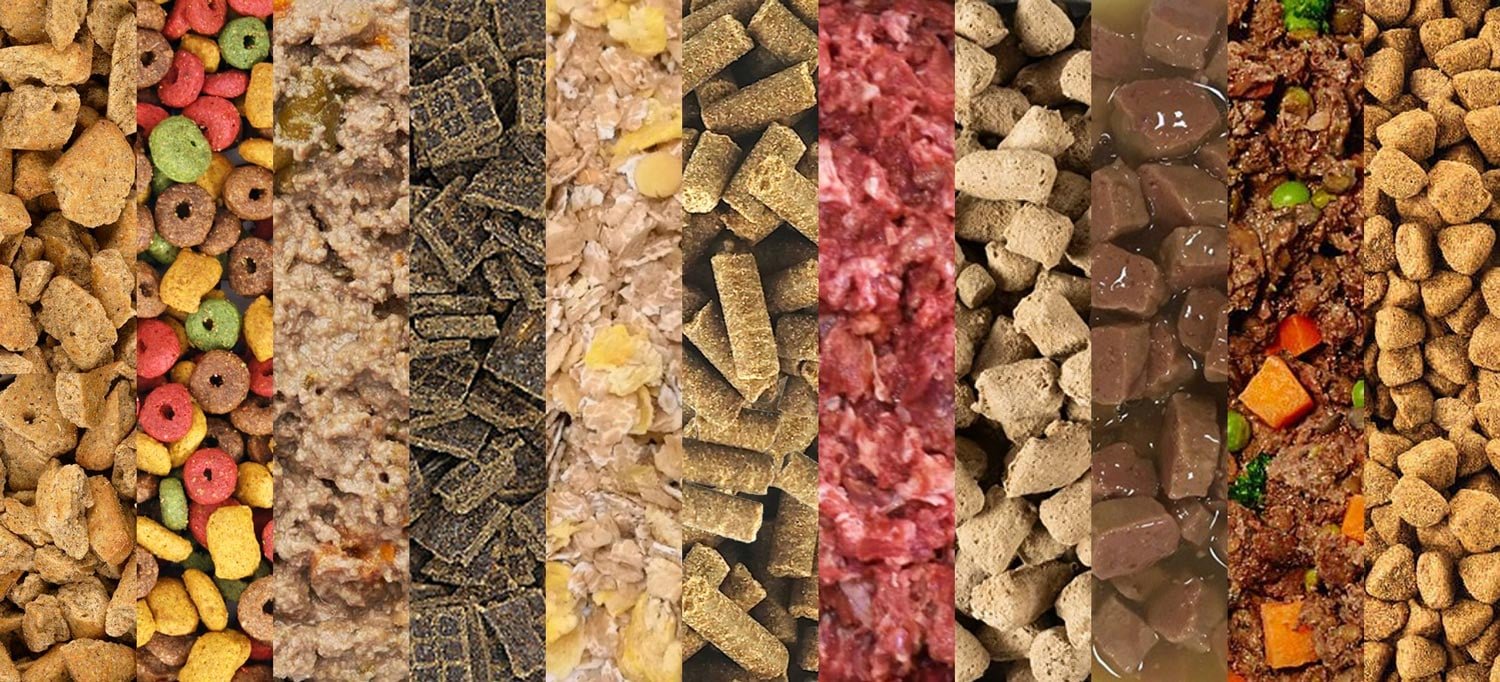
Most common dog food types include kibble, canned, raw, fresh, and freeze-dried options.
As a pet nutrition writer and longtime dog owner, I explain dog food types explained in simple terms so you can choose with confidence. I combine hands-on experience, vet guidance, and plain facts to help you compare dry kibble, wet food, raw diets, fresh meals, freeze-dried options, and specialty formulas. Read on for clear pros, cons, feeding tips, and real-life lessons to make the best choice for your dog.

Dry kibble: the staple diet for many dogs
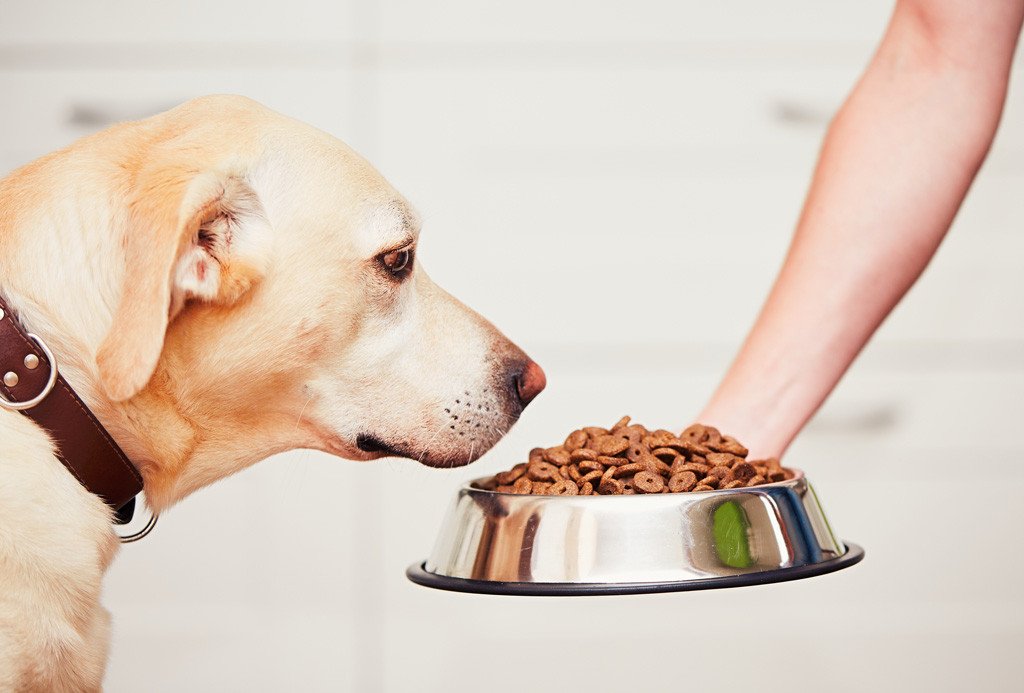
Dry kibble is the most common commercial dog food. It is easy to store, affordable, and comes in many formulas. Many pet owners prefer kibble for convenience and dental benefits. dog food types explained often list kibble first because of its ubiquity and variety.

Wet and canned food: palatable and hydrating
Canned food is soft, flavorful, and high in moisture. It can help picky eaters or dogs with dental pain. Wet food usually has higher protein and lower carbs than many kibbles. I often mixed wet with kibble to encourage eating when my senior dog lost interest in dry food, and the change helped quickly.

Fresh and home-cooked diets: real food approach
Fresh diets use whole ingredients cooked or prepared daily. They can be tailored to your dog’s needs and taste. Fresh food often improves coat, energy, and digestion when done right. When I cooked balanced meals for a picky pup, the vet checked nutrient balance and we adjusted recipes for safety and balance.
Raw diets (BARF) explained: pros and risks
Raw diets aim to mimic ancestral eating with raw meat, bones, fruits, and vegetables. Some dogs thrive on raw food with shinier coats and more energy. Raw food carries risks like bacterial contamination and nutrient imbalance. I recommend consulting a vet before trying raw diets and following strict handling rules.

Dehydrated and freeze-dried food: concentrated nutrition
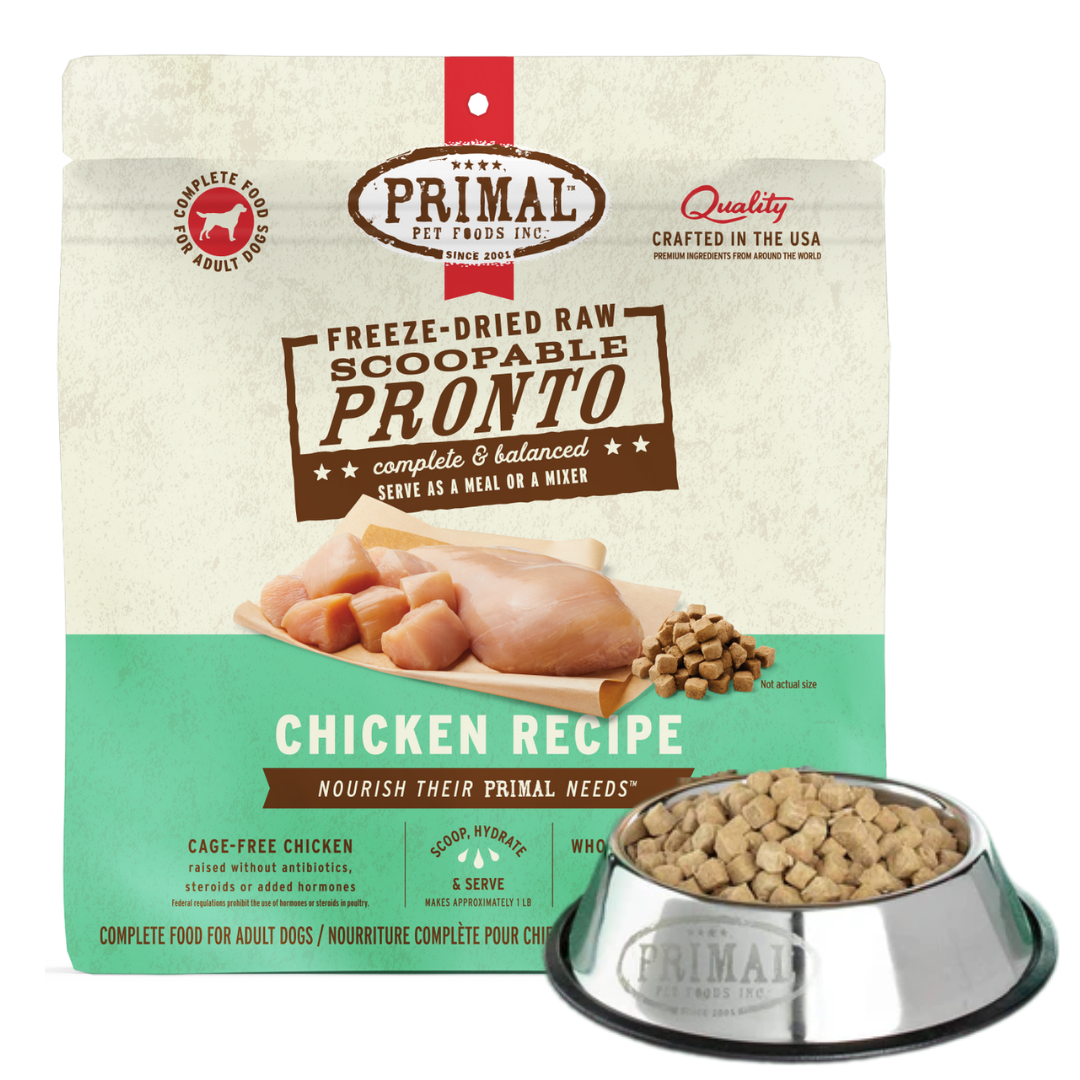
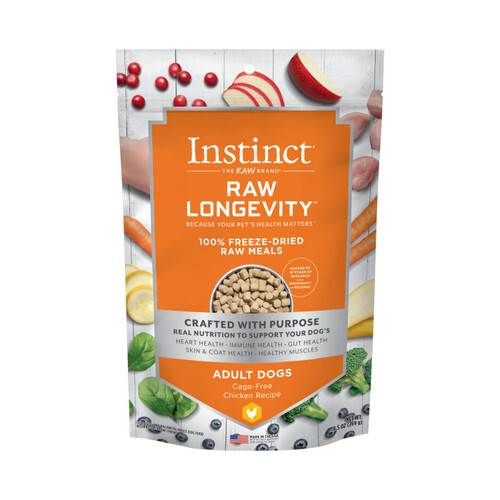
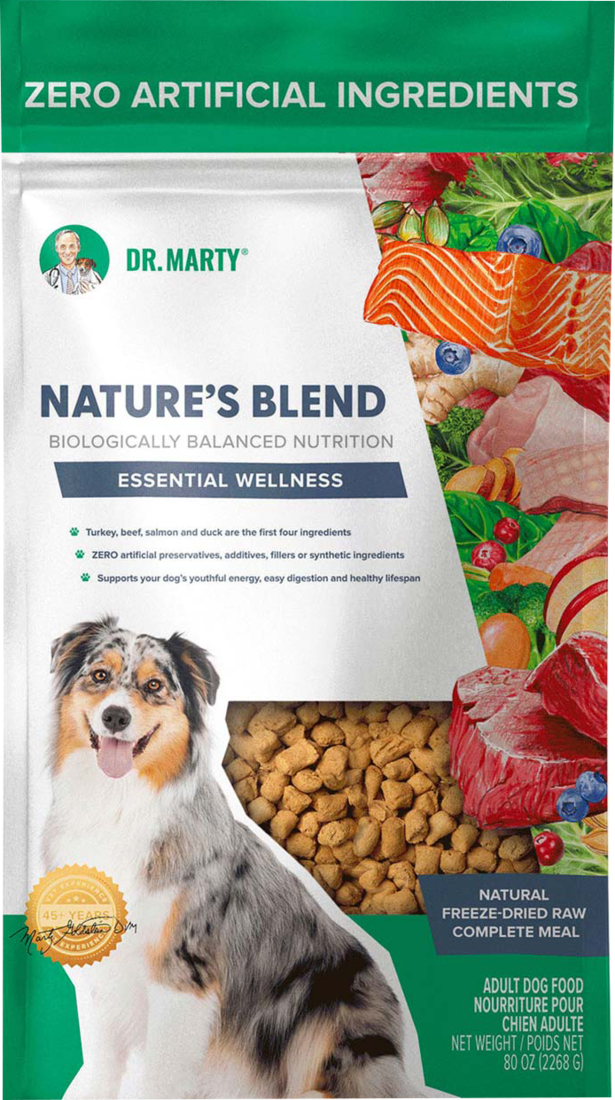
Dehydrated and freeze-dried foods remove water but keep nutrients and flavor. They rehydrate quickly and offer a middle ground between fresh and kibble. These options are lightweight for travel and often use high-quality ingredients. Many pet owners use freeze-dried toppers to boost mealtime appeal without switching diets.
Prescription and specialty diets: medical and life-stage needs
Prescription diets target conditions like kidney disease, allergies, weight control, or joint care. Specialty diets meet needs for puppies, seniors, small breeds, or large breeds. Always use these diets under vet supervision to ensure safety and proper results. My clinic experience shows that targeted diets often work best when combined with monitoring.

How to choose the right food for your dog
Choosing food depends on age, size, activity, health, and taste. Read labels for protein sources, guaranteed analysis, and AAFCO statements. Consider budget, storage, and cooking time. When I changed foods, I logged weight, stool quality, and energy over four weeks to pick the best match.
Feeding guidelines and safe transitions
Switch foods slowly over 7 to 10 days to reduce upset stomachs. Start with 75 percent old food and 25 percent new, then shift gradually. Watch stool, appetite, and behavior. If you see vomiting, diarrhea, or sudden weight change, contact your vet.
Common ingredients to watch and avoid
Check for whole protein sources listed first like chicken or beef. Watch for excessive fillers, artificial colors, and unnamed meat meals. Be cautious with garlic, onions, and excessive salt or sugar. I learned the hard way to read labels after my dog reacted to a cheap treat ingredient.
Cost, convenience, and sustainability trade-offs
Budget affects your options. Kibble is often cheaper per meal. Fresh and freeze-dried cost more but may offer better ingredient quality. Consider packaging waste and ingredient sourcing if sustainability matters. A balanced choice often blends convenience with quality.
Personal tips from real experience
Start with reputable brands that use quality protein and clear labels. Introduce new foods slowly and track your dog’s response. Use wet toppers or broth to tempt picky eaters. Keep a feeding journal for changes in weight, coat, and energy. These small habits made feeding easier and healthier for my dogs over the years.
Frequently Asked Questions of dog food types explained
What is the healthiest dog food type?
Health depends on the dog’s needs, not just the type. A balanced, vet-approved diet that suits your dog’s life stage is best.
Can I feed my dog a raw diet safely?
You can, but it requires strict hygiene and vet guidance to prevent bacterial risks and nutrient gaps. Many vets recommend careful planning or alternatives.
How long should I switch foods when changing diet?
Transition gradually over 7 to 10 days to prevent digestive upset. Some sensitive dogs may need two weeks.
Are fresh and home-cooked diets better than kibble?
Fresh diets can be higher quality, but they must be balanced. Kibble offers convenience and consistent nutrition when chosen well.
Do freeze-dried foods count as raw food?
Freeze-dried can preserve raw ingredients but may differ in processing and safety steps. They often offer raw-like nutrition with easier handling.
How do I pick the right food for a puppy or senior dog?
Choose life-stage formulas labeled for puppies or seniors and follow feeding amounts. Regular vet checkups help adjust diet as the dog grows or ages.
Is it okay to mix dry and wet food?
Yes, mixing can improve palatability and hydration. Ensure overall calories and nutrients match your dog’s needs.
What ingredients should I avoid in dog food?
Avoid foods with unnamed meat by-products, artificial dyes, and excess fillers. Also avoid toxic foods like onion or chocolate.
How often should I change my dog’s diet?
No set rule, but avoid frequent switches. Change only when needed and transition slowly to avoid upset.
Are prescription diets necessary for allergies?
They can help manage food allergies under vet supervision. An elimination trial or testing often identifies triggers.
Conclusion
You now have a clear guide to dog food types explained and how each option fits different needs. Use this knowledge to match food with your dog’s health, age, and lifestyle. Start small, track results, and ask your vet when unsure. Try one change at a time, note the outcome, and share what works in the comments or subscribe for more pet nutrition tips.
