
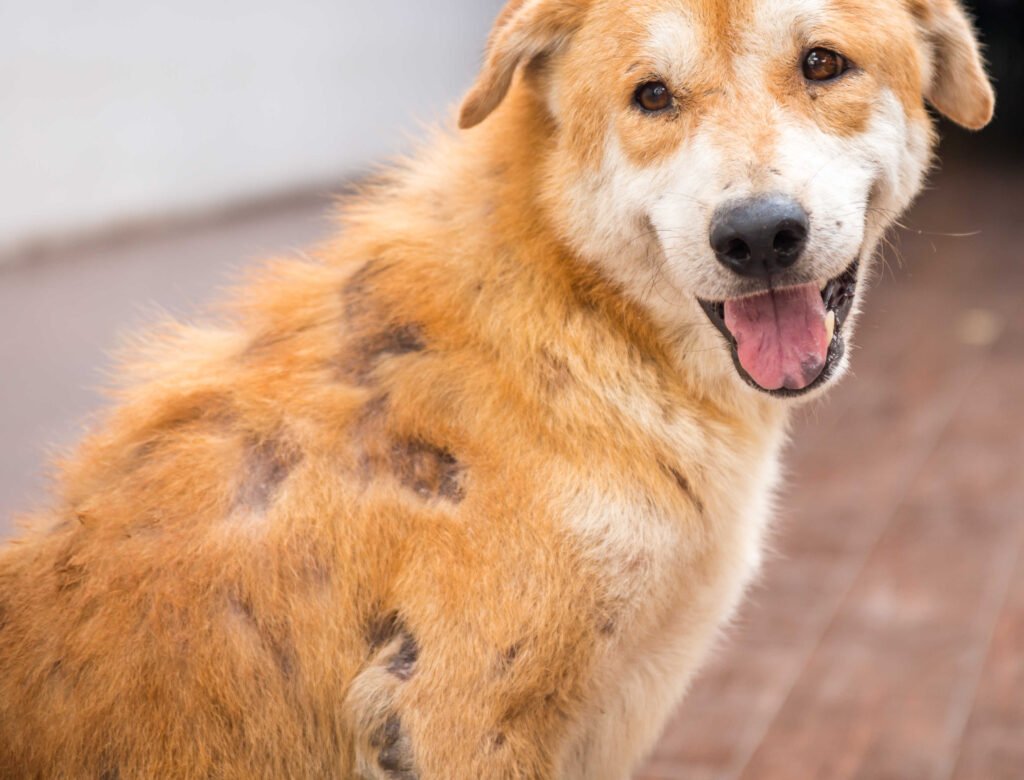
Dog hair loss patches often signal allergies, parasites, infections, or hormonal problems.
I’ve spent years helping dogs and owners figure out why those round or irregular bald spots appear. This guide on dog hair loss patches explains causes, diagnosis, treatment, and prevention in plain language. I mix clinical knowledge with real-life experience so you can act fast and help your dog feel better.
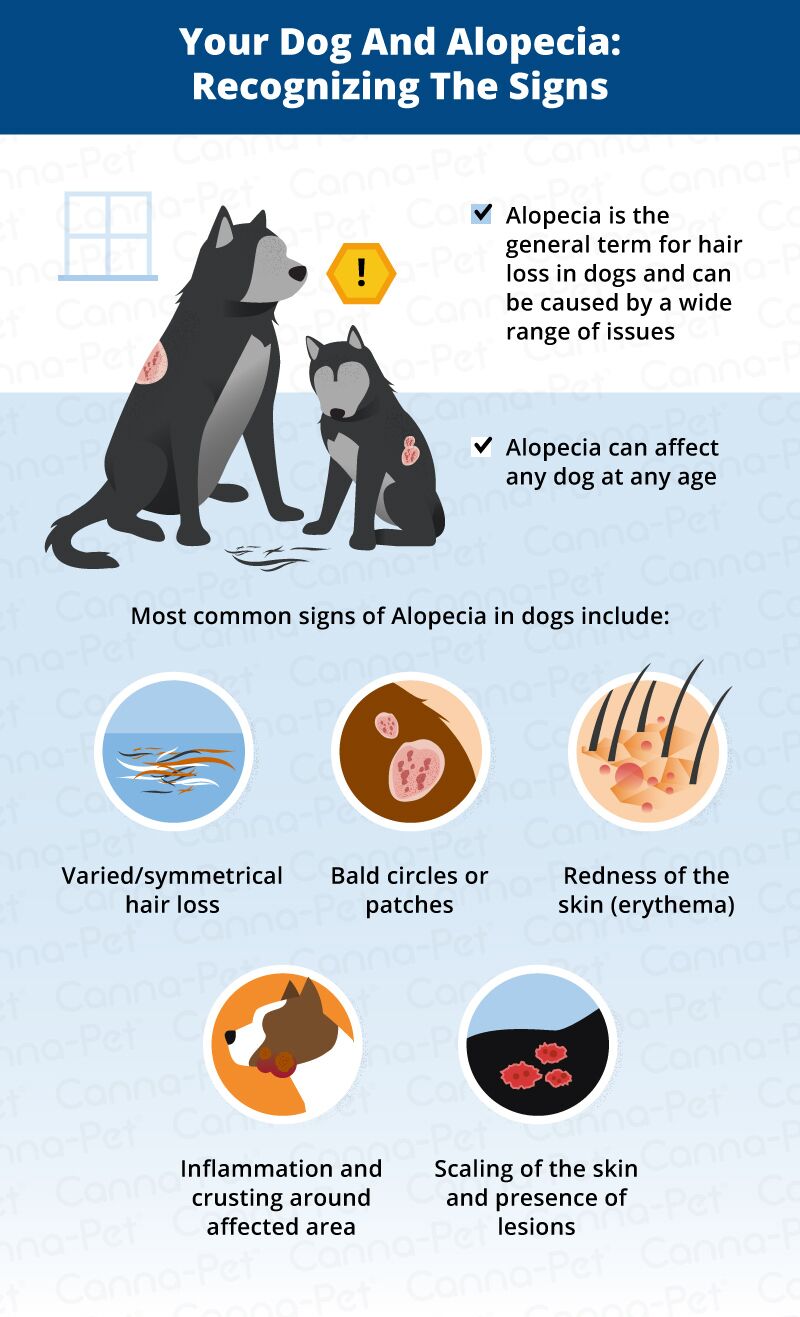
What exactly are dog hair loss patches?
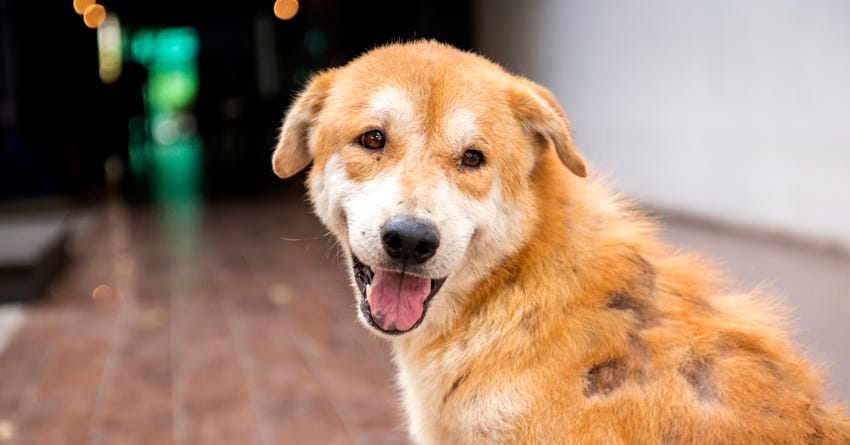
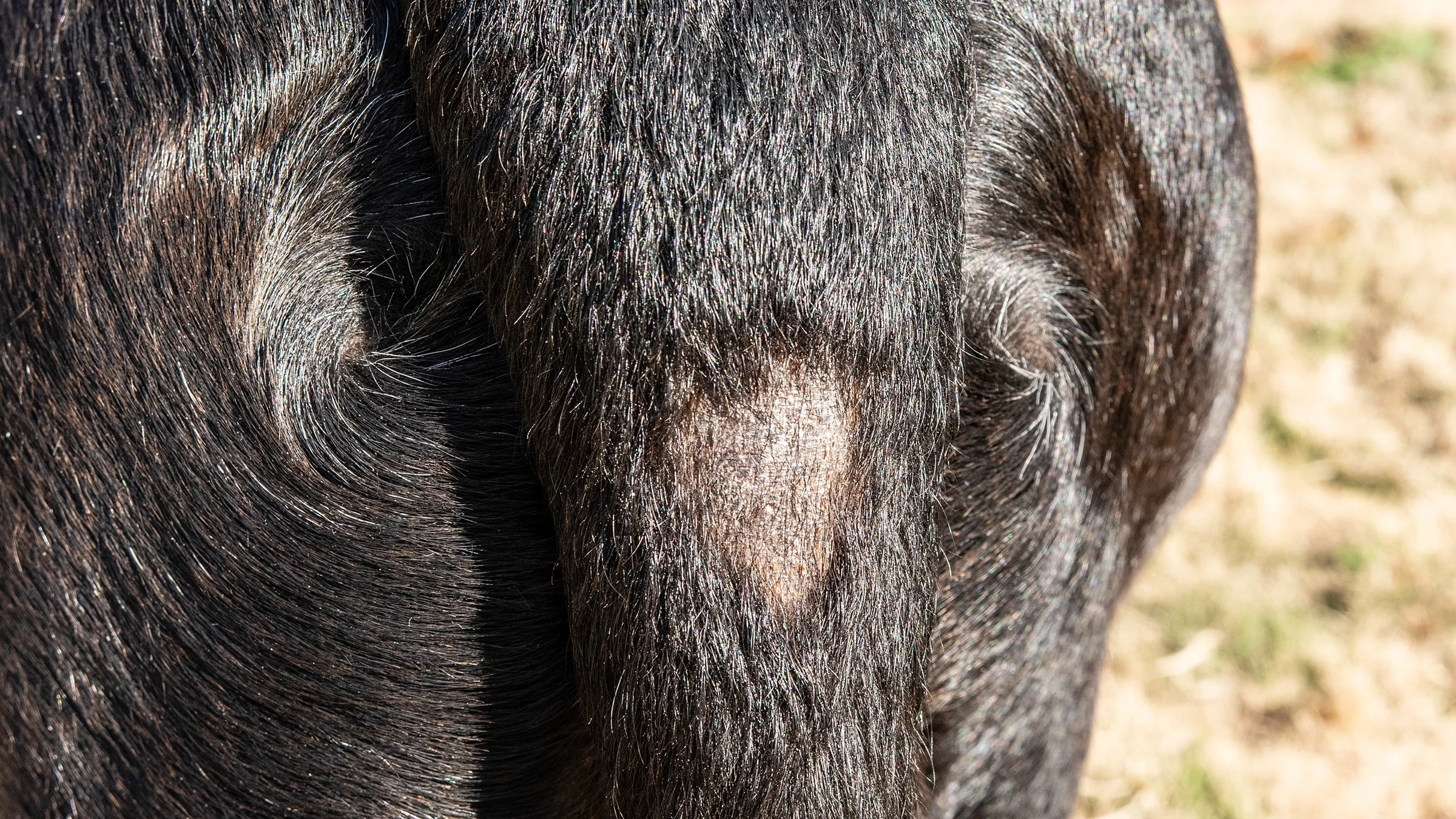
Dog hair loss patches are local areas where fur is missing. They can be tiny spots or large bald areas. Causes range from simple fleas to complex hormonal disease. Understanding the look and behavior of a patch helps narrow the cause. I’ve seen patches that looked harmless but hid a deeper issue. Always check the skin texture, color, and whether the dog scratches or licks the area.

Common causes of dog hair loss patches
Many issues can create dog hair loss patches. Below are the most frequent causes:
-
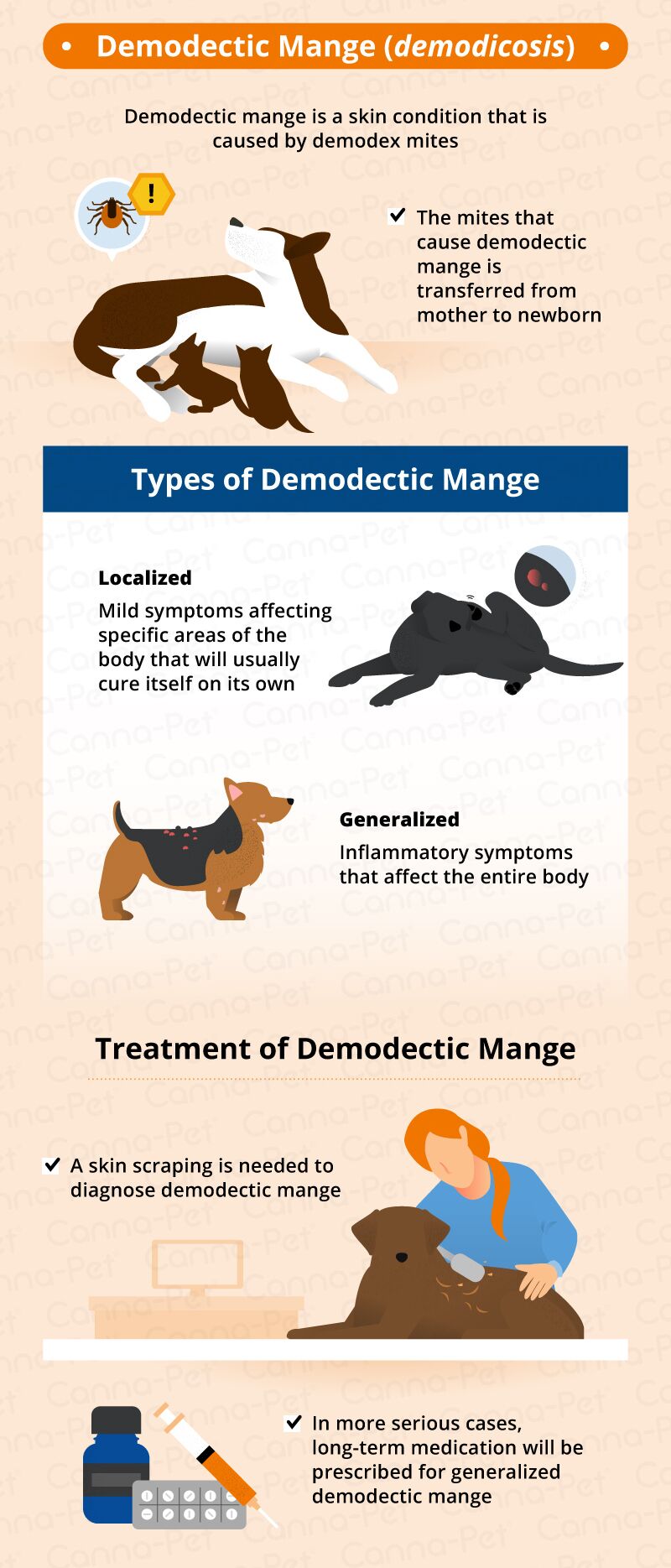
Fleas and mites
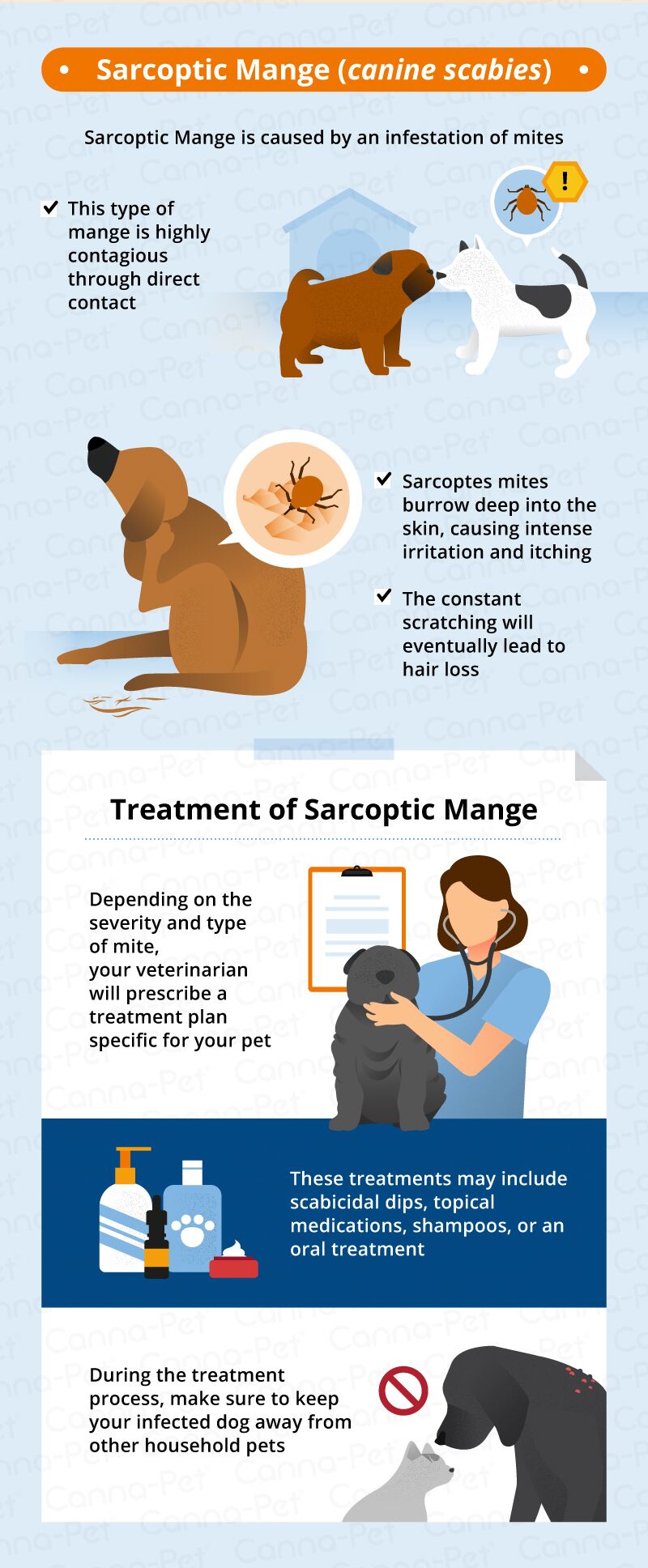
Flea bites cause intense itching and hot spots. Mange mites create small, round patches that often spread. -
Allergies
Food or environmental allergies can cause repeated scratching and hair loss. Seasonal flares are common. -
Fungal infections (ringworm)
Ringworm causes circular, scaly patches. It can spread to people and other pets. -
Bacterial skin infections
Secondary infections develop after scratching. These patches can be sore and smelly. -
Endocrine disorders
Conditions like hypothyroidism or Cushing’s disease can cause widespread thinning and patches. -
Trauma and behavior
Biting, licking, or rubbing focused on one area can create bald spots. Stress and boredom often drive this. -
Nutritional deficiencies
Poor diet may weaken the coat and cause shedding and patches. -
Contact irritation
Shampoos, plants, or chemicals can cause localized hair loss where the skin was touched.
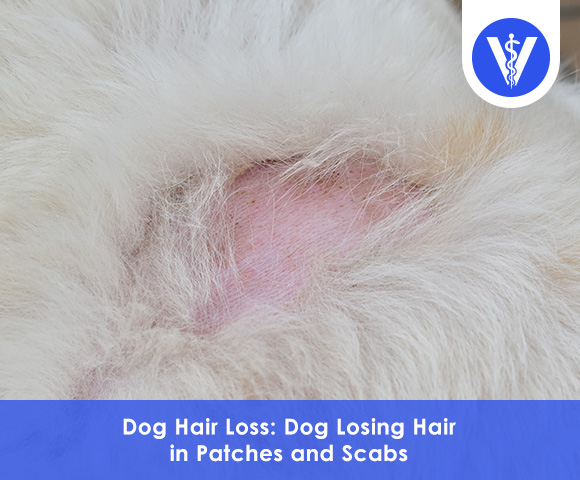
How vets diagnose dog hair loss patches
A quick, accurate diagnosis guides the right treatment. Common diagnostic steps include:
-
Physical exam and history
Your vet will check the pattern, skin changes, and ask about diet, fleas, medications, and environment. -
Skin scraping and microscope exam
This checks for mites and other tiny parasites. -
Fungal culture or UV test
These help confirm ringworm. -
Cytology and bacterial culture
These tests show bacteria or yeast and guide antibiotic use. -
Blood tests and hormone panels
These help detect hypothyroidism or Cushing’s disease. -
Biopsy
In stubborn cases, a small skin biopsy gives a detailed answer.
I remember a dog I treated that had a single large patch. A simple skin scrape found mange mites. The right treatment cleared the patch in weeks, showing how vital proper tests are.
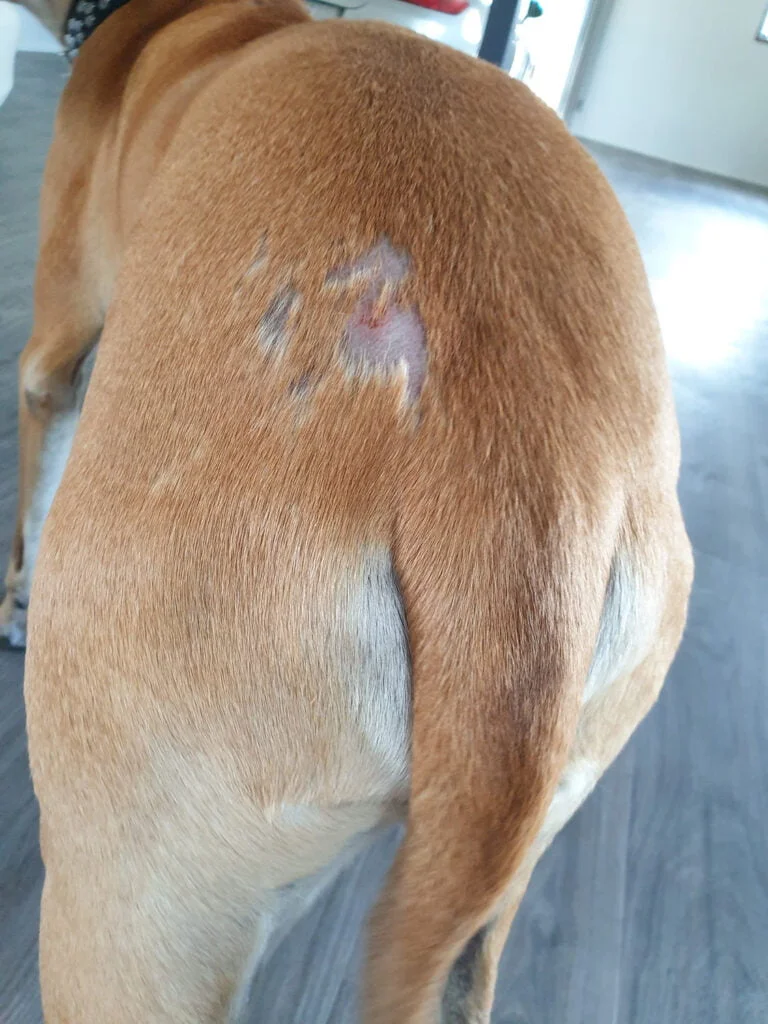
Treatment options for dog hair loss patches
Treatment depends on the cause. Here are typical approaches:
-
Parasite control
Use vet-recommended flea and tick preventives. For mange, topical or oral medications are common. -
Antifungal therapy
Oral or topical antifungals treat ringworm. Cleaning bedding helps prevent re-infection. -
Antibiotics or antiseptics
Bacterial infections may need oral antibiotics and medicated shampoos. -
Allergy management
Dietary trials, hypoallergenic diets, and allergy medications can reduce flare-ups. Immunotherapy is an option for confirmed allergies. -
Hormone therapy
If tests show endocrine disease, targeted medications help restore hair growth. -
Behavior and pain management
E-collars, topical deterrents, and training reduce self-trauma from licking or biting. -
Nutritional support and supplements
Balanced diets and omega-3 supplements can improve skin health and coat regrowth.
I once used a short, combined plan of medicated shampoo and a short antibiotic course on a dog with infected patches. The skin calmed fast and hair returned in months. Patience is key—fur regrowth takes time.
Safe home care and prevention
You can do a lot at home to prevent new dog hair loss patches. Try these practical steps:
- Keep up with flea and tick prevention year-round.
- Use gentle, dog-safe shampoos and avoid over-bathing.
- Feed a balanced diet and consider supplements if the coat looks dry.
- Reduce stress with play, exercise, and enrichment.
- Check skin regularly for early signs and treat promptly.
- Wash bedding and toys when your dog has a skin issue.
Be cautious with home remedies. Natural products can still irritate skin. When in doubt, ask your vet before trying new topical treatments.
Choosing products and grooming tips
Selecting the right products helps healing. Look for these features:
- Medicated shampoos labeled for bacteria, yeast, or mites.
- Hypoallergenic or limited-ingredient diets for food-sensitive dogs.
- Veterinarian-formulated supplements with omega-3 fatty acids.
- Non-irritating topical sprays for itchy spots.
- Soft brushes that do not abrade fragile skin.
Grooming tips to protect skin and coat:
- Bathe only as needed with the right shampoo.
- Dry the skin thoroughly to avoid yeast growth.
- Trim around sores carefully and avoid shaving unless instructed by a vet.
- Use an Elizabethan collar to prevent self-trauma during healing.
When to see a vet right away
Some signs need urgent care. Take your dog to a vet if you notice:
- Rapidly spreading patches or severe raw skin.
- Fever, lethargy, or loss of appetite.
- Patches that bleed or smell bad.
- Thick crusts, open sores, or pain when touched.
- A puppy or senior dog developing sudden hair loss.
Fast evaluation can prevent complications. If a patch is contagious like ringworm, quick action protects your family and other pets.
My experience and lessons learned
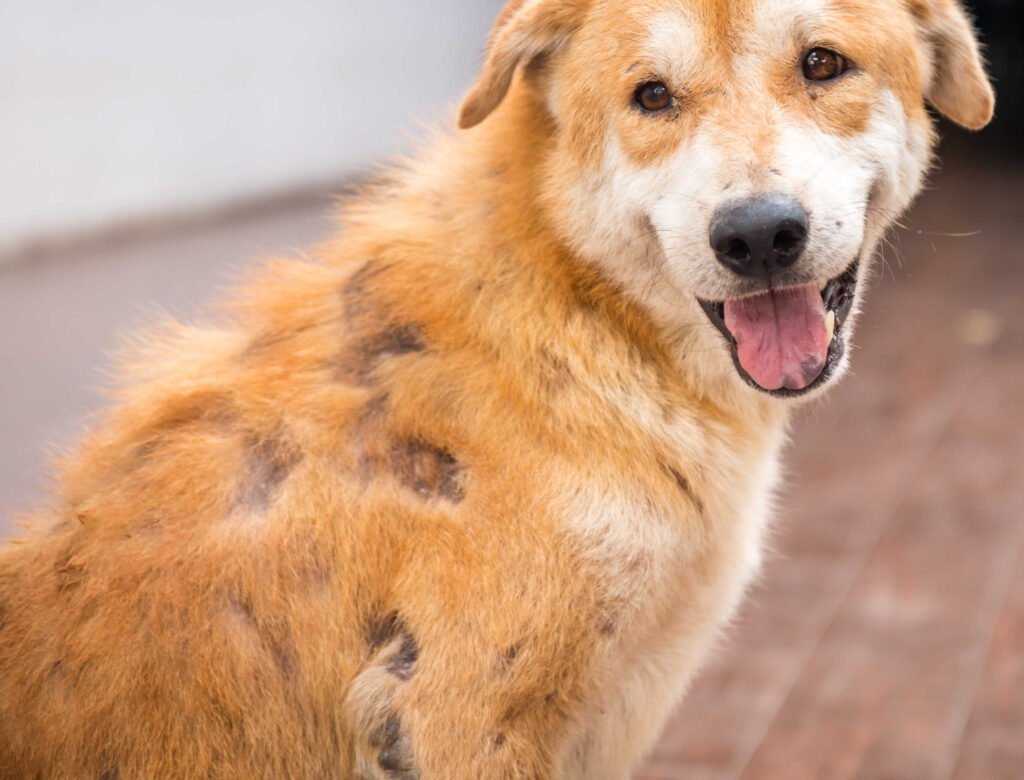
I once treated a rescue with multiple dog hair loss patches that owners assumed were allergies. Tests showed a mix of mites and a secondary bacterial infection. Treating both issues and improving diet fixed the problem over a few months. The main lessons I learned were to test early, treat the root cause, and be patient with regrowth.
Monitoring recovery and realistic timelines
Hair regrowth takes time and patience. Typical timelines:
- Parasite treatments: 2–8 weeks for visible improvement.
- Ringworm: 6–12 weeks to clear and longer for full regrowth.
- Endocrine disorders: several months after hormone control.
- Bacterial infections: skin clears in 1–3 weeks, regrowth follows.
Track progress with photos. If a patch does not improve, follow up with your vet for re-evaluation.
Frequently Asked Questions of dog hair loss patches
What causes sudden dog hair loss patches?
Sudden patches often come from parasites, allergic reactions, or trauma from licking. A vet exam and simple tests can pinpoint the cause.
Can dog hair grow back after a patch appears?
Yes, hair often regrows once the underlying cause is treated. Hormonal or chronic conditions may delay or limit regrowth.
Are dog hair loss patches contagious to humans?
Some causes, like ringworm, are contagious to people. Parasites and bacterial infections can also spread, so take precautions and seek vet advice.
How long until I should see a vet for a patch?
If a patch appears and worsens in a few days, or if it is raw, painful, or spreading, see a vet right away. For small, stable patches you can monitor for a week while minimizing irritation.
Can diet cause dog hair loss patches?
Yes, poor nutrition or food allergies can cause patchy hair loss. Switching to a vet-recommended diet and testing for food sensitivities helps.
Are home remedies safe for dog hair loss patches?
Some home remedies can soothe skin but others can irritate or mask a serious problem. Always check with your vet before trying new topical treatments.
Conclusion
Dog hair loss patches can signal a range of issues from simple fleas to complex hormonal problems. Fast diagnosis, the right tests, and a targeted treatment plan give the best chance for full recovery. Stay observant, keep grooming and prevention up to date, and consult your vet when patches appear or worsen. Start by taking photos, checking for parasites, and booking a vet visit if the patch spreads. If this helped, share your story or subscribe for more practical pet care guides.
