
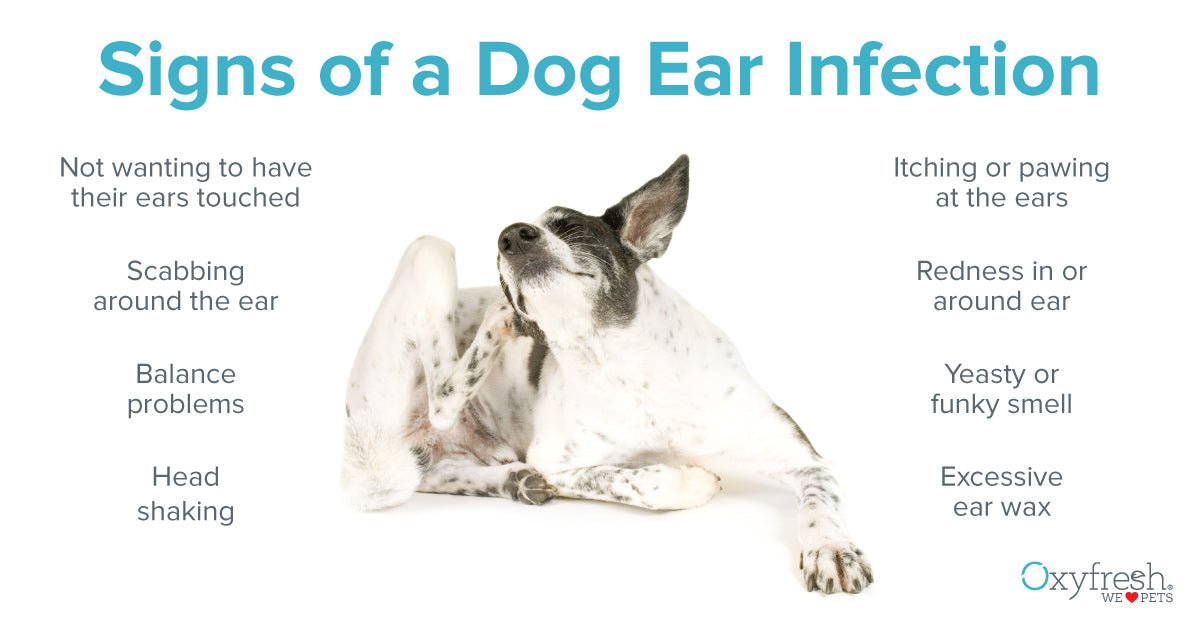
Dog head shaking often usually means ear itch, infection, or a trapped object.
I’ve worked with dogs and vets for years, and I’ll walk you through why dog head shaking often happens, how to spot trouble, and what to do next. This guide blends clear facts, real cases, and practical steps so you can help your dog fast and confidently.
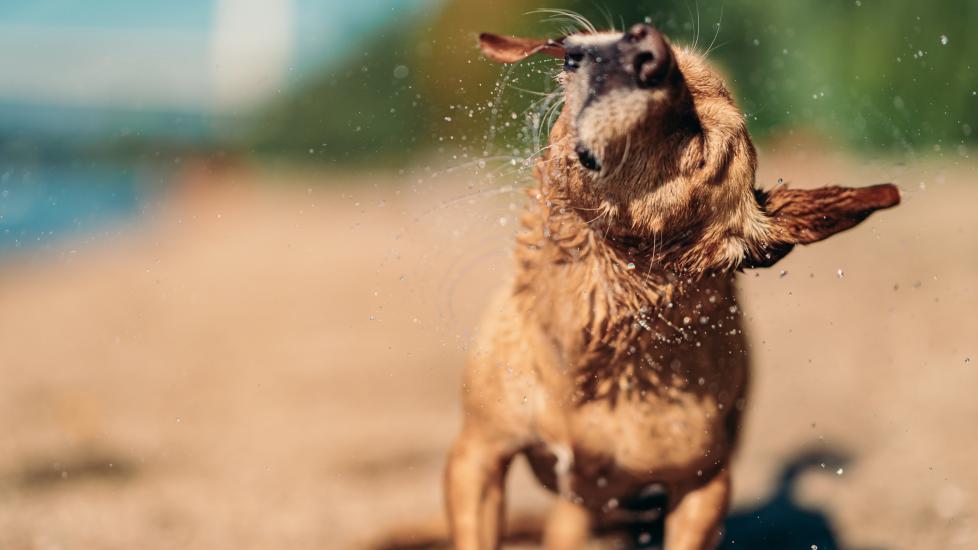
Why dogs shake their heads often
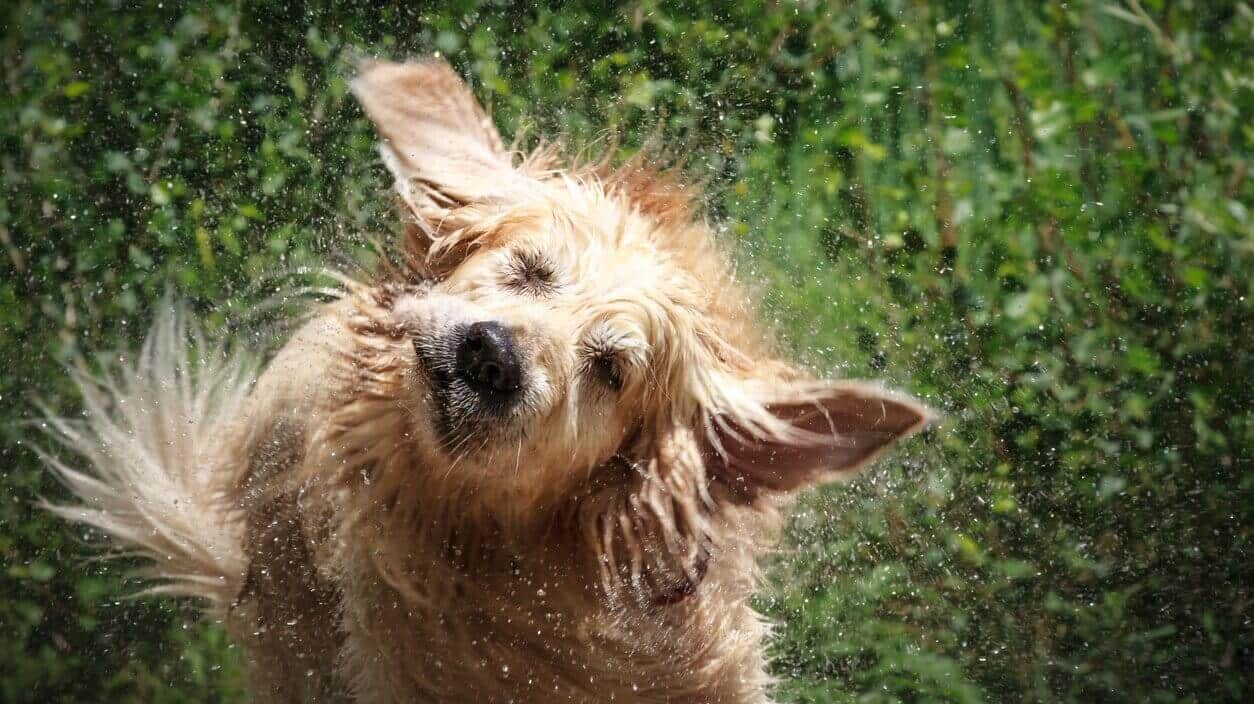
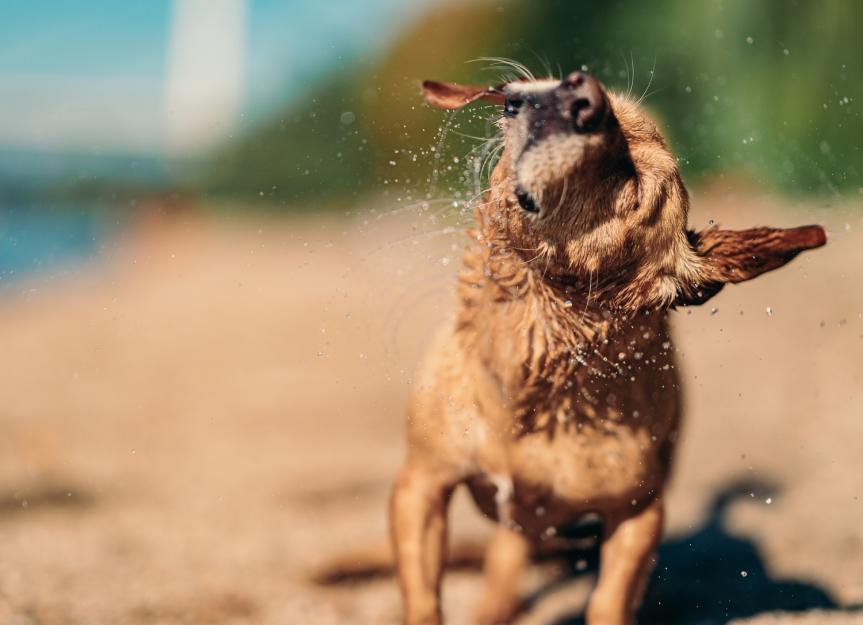
Dogs shake their heads to clear something from their ears. The behavior is a simple reflex to move water, hair, wax, or an insect out of the ear. When head shaking is frequent, it often points to ongoing irritation or pain inside the ear. Learning the common causes helps you decide if a home fix will help or if you need a vet visit.

Common causes of dog head shaking often
Ear problems are the top cause of repeated head shaking. Here are the main reasons I see in practice:
- Ear infection
Continuous head shaking often follows bacterial or yeast infections in the ear canal. Infections make the ear red, smelly, and painful. - Ear mites
Tiny parasites cause intense itching. Puppies and outdoor dogs get mites more often than indoor dogs. - Foreign body in the ear
Grass seeds or small debris can lodge in the ear and cause sudden, intense shaking. - Allergies
Food or environmental allergies can make ears itchy and lead to chronic head shaking. - Excess water after bathing or swimming
Water in the ear can feel irritating and trigger repeated shaking. - Ear canal growths or tumors
In older dogs, abnormal tissue can cause ongoing irritation and shaking. - Neurologic issues or vestibular disease
Less common, but balance or nerve problems can show up as head tilts and shaking.
These causes range from easy fixes to serious issues. Track how long the shaking lasts and what other signs you see. That helps narrow the cause quickly.
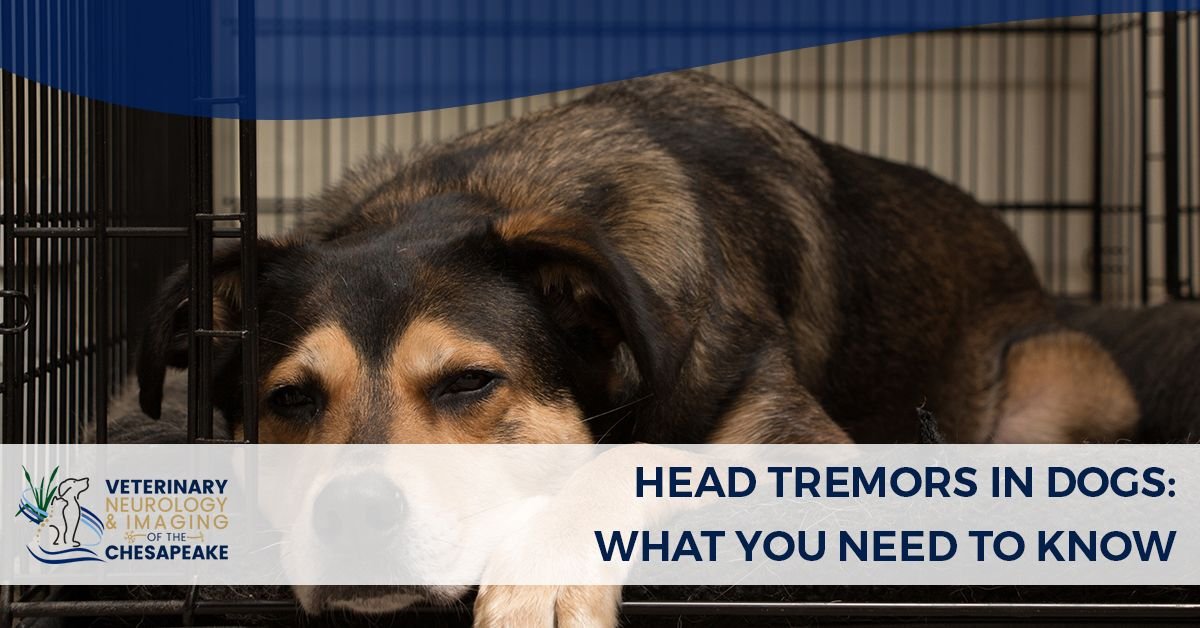
When to worry about dog head shaking often
Minor shaking after a swim is usually fine. Worry when the shaking is frequent or gets worse. Look for other signs that warrant urgent care:
- Pain or yelping when you touch the ear
- Thick discharge, a bad smell, or blood in the ear
- Head tilt, loss of balance, or stumbling
- Swelling around the ear or face
- Repeated shaking for more than 48 hours
If you see any of these, call your vet. Delays can let an infection worsen and hurt hearing or deeper structures.

How vets diagnose the problem
A clear diagnosis helps give the right treatment fast. Typical vet steps include:
- Visual exam
The vet checks the ear flap and canal for redness, swelling, and discharge. - Otoscope exam
An otoscope lets the vet view deeper into the ear canal to spot foreign bodies or damage. - Ear cytology
A small swab checked under a microscope identifies bacteria, yeast, or mites. - Culture and sensitivity
For stubborn infections, a culture shows which drug will work best. - Imaging
X‑rays or CT scans help when growths, tumors, or deep disease are suspected. - Neurologic exam
If the dog has balance issues, the vet checks nerve and brain function.
This stepwise approach avoids guesswork. Tests are often quick and give clear answers.
:max_bytes(150000):strip_icc()/what-does-it-mean-when-dogs-shake-their-heads-90033537-2000-a2de3898a90943b2b220395f9e1b71a0.jpg)
Treatment options for dog head shaking often
Treatment depends on the cause. Here are common approaches:
- Ear cleaning
Gentle cleaning removes debris and helps meds work better. - Topical medication
Drops can treat bacteria, yeast, or mites and calm inflammation. - Oral medications
Antibiotics or antifungals may be needed for deep or severe infections. - Anti‑inflammatory drugs
Short courses of steroid or NSAID therapy can reduce pain and swelling. - Removing foreign bodies
A vet will remove grass seeds or objects safely under sedation if needed. - Allergy control
Diet change, allergy testing, or meds can reduce chronic ear problems. - Surgery
In severe, recurring cases, surgery to open or remove the ear canal may be recommended.
Follow the vet’s full course of treatment. Stopping meds early often leads to relapse.
Prevention tips and daily care
Small habits cut down the chance your dog will start to shake their head often. Try these simple steps:
- Check ears weekly
Lift the ear flap and look for redness, wax, or smell. - Dry ears after water play
Use a soft towel or a vet‑approved ear drying wipe. - Clean gently when needed
Use a vet‑recommended cleaner. Avoid cotton swabs inside the canal. - Keep hair trimmed
Trim excess hair around the ear to improve airflow if your dog’s ears are hairy. - Manage allergies
Work with your vet on diet or meds to limit allergic flareups. - Regular vet checks
Schedule ear checks during annual exams, especially for dogs prone to infections.
Prevention saves money and keeps your dog more comfortable.
My experience with dogs who shook their heads often
I once had a spaniel that shook its head after every walk. A brief home bath didn’t help. The vet found a tiny grass awn stuck deep in the ear. We removed it and used a short drop course. The dog stopped shaking within 24 hours. That case reminded me to check ears after walks in tall grass.
Another dog had chronic shaking for months. The owners tried home remedies and delayed the vet visit. Cytology showed a yeast overgrowth. After targeted drops and allergy changes, the shaking stopped. The lesson: early diagnosis prevents long problems.
From my hands‑on cases I learned to trust early signs. Ask for vet help fast if shaking is new or intense.
Frequently Asked Questions of dog head shaking often
Can ear cleaning stop dog head shaking often?
Yes. Regular, gentle ear cleaning can reduce irritation and lower the chance of infections. Use a vet‑recommended cleaner and avoid digging deep into the canal.
How long before a vet visit for a dog that keeps shaking its head?
If shaking lasts more than 48 hours, see a vet. Seek immediate care if you see blood, severe pain, or balance problems.
Are certain breeds more likely to have dog head shaking often?
Yes. Breeds with floppy ears or hairy ear canals, like spaniels and poodles, often have more ear issues. Their ear shape traps moisture and debris that can lead to infections.
Can home remedies make dog head shaking often worse?
They can. Wrong products or rough cleaning can irritate the ear and mask a serious problem. Always check with a vet before trying home treatments.
Will repeated head shaking affect my dog’s hearing?
Left untreated, chronic infections or growths can damage the ear and reduce hearing. Prompt treatment protects hearing and comfort.
Are ear mites common in adult dogs with head shaking?
Ear mites are more common in puppies and outdoor dogs. They still show up in adult dogs, and they cause intense itch and shaking. A vet can spot mites on cytology.
Conclusion
Dog head shaking often is a common sign that your dog needs attention. Most causes are treatable if you act early. Check ears regularly, dry and clean them safely, and call your vet for persistent or painful shaking. Take action now to ease your dog’s discomfort and protect their hearing. Leave a comment with your own experience, or subscribe for more pet care guides.
