
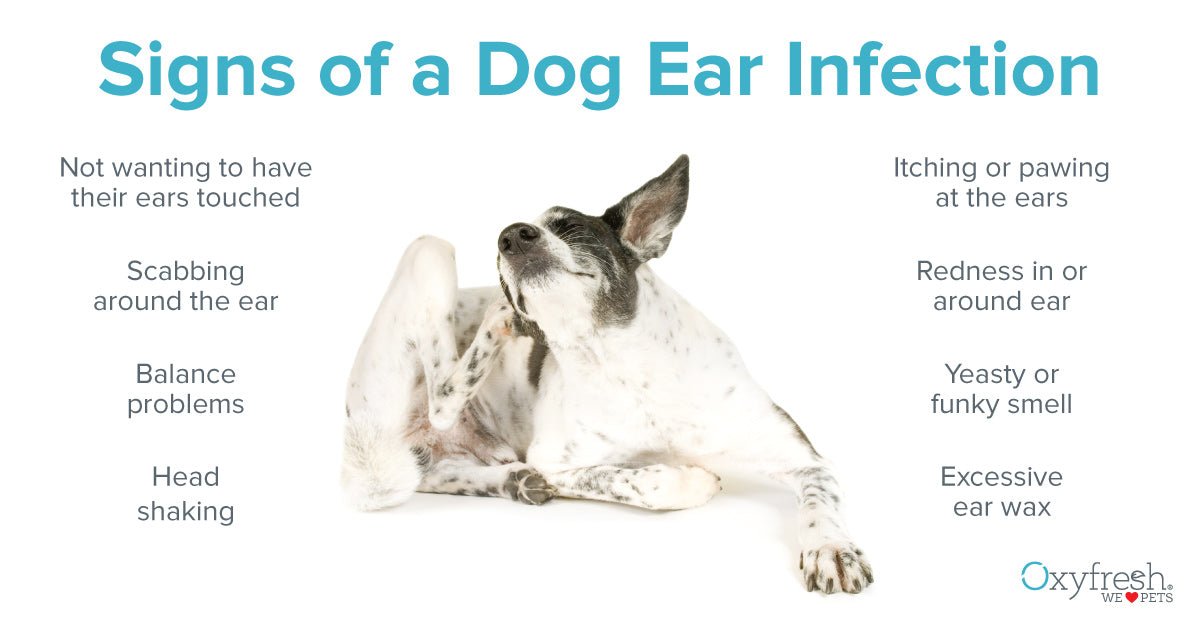
Dog head shaking often usually signals ear irritation, allergies, or an ear infection needing attention.
I’ve spent years working with dogs and their owners, helping diagnose why a dog head shaking often happens and what to do next. In this guide I’ll explain common causes, clear signs that you should see a vet, step-by-step home care tips, and prevention strategies so you can keep your dog comfortable and healthy.

Why dogs shake their heads
Dogs shake their heads for simple reasons and for urgent ones. Sometimes it is a quick way to remove water or a tickle. Other times it is a sign of ear disease, allergies, or pain. If you notice your dog head shaking often, it is important to watch for patterns and other symptoms like odor, redness, or pawing at the ear.
I have seen dogs that shake their heads after a bath and dogs that shake constantly because of chronic ear problems. Observing when and how often your dog head shaking often happens tells you a lot about the cause. Note the time of day, activity before the shaking, and any discharge or smell.

Common medical causes
Ear problems are the top medical reason dogs shake their heads. These include infections, mites, foreign bodies, and growths. Other causes include allergies, dental pain, neurological issues, and skin irritation near the ear.
Common causes explained
- Ear infection: Bacterial or yeast infections cause itch, pain, and discharge.
- Ear mites: Tiny parasites that make dogs shake their heads and scratch.
- Foreign object: Grass awns or seeds can lodge in the ear and cause violent shaking.
- Allergies: Food or environmental allergies can cause chronic ear inflammation.
- Dental and jaw issues: Pain in the mouth can lead to head shaking and tilting.
When a dog head shaking often is paired with redness, swelling, bad odor, or blood, it is likely a medical issue that needs vet care. In my clinic days I treated many ear infections that resolved after cleaning and medicine. Quick attention often prevents chronic problems and hearing loss.
:max_bytes(150000):strip_icc()/what-does-it-mean-when-dogs-shake-their-heads-90033537-2000-a2de3898a90943b2b220395f9e1b71a0.jpg)
When to worry and see a vet
Not all head shaking needs an emergency visit, but some signs mean you should seek help right away. If your dog head shaking often is paired with severe pain, bleeding, or sudden behavior changes, contact your vet.
Red flags that warrant prompt vet attention
- Continuous shaking for more than a day or two.
- Thick, colored discharge or foul odor from the ear.
- Visible swelling, heat, or bleeding around the ear.
- Head tilt, loss of balance, or stumbling.
- Repeated shaking despite home care.
If you are unsure, call your vet and describe the symptoms. A quick phone triage often helps decide if an in-person exam or emergency care is needed. In one case I recall, a dog with constant head shaking had a grass awn that needed removal under sedation—delaying care would have made it worse.
At-home care and treatment options
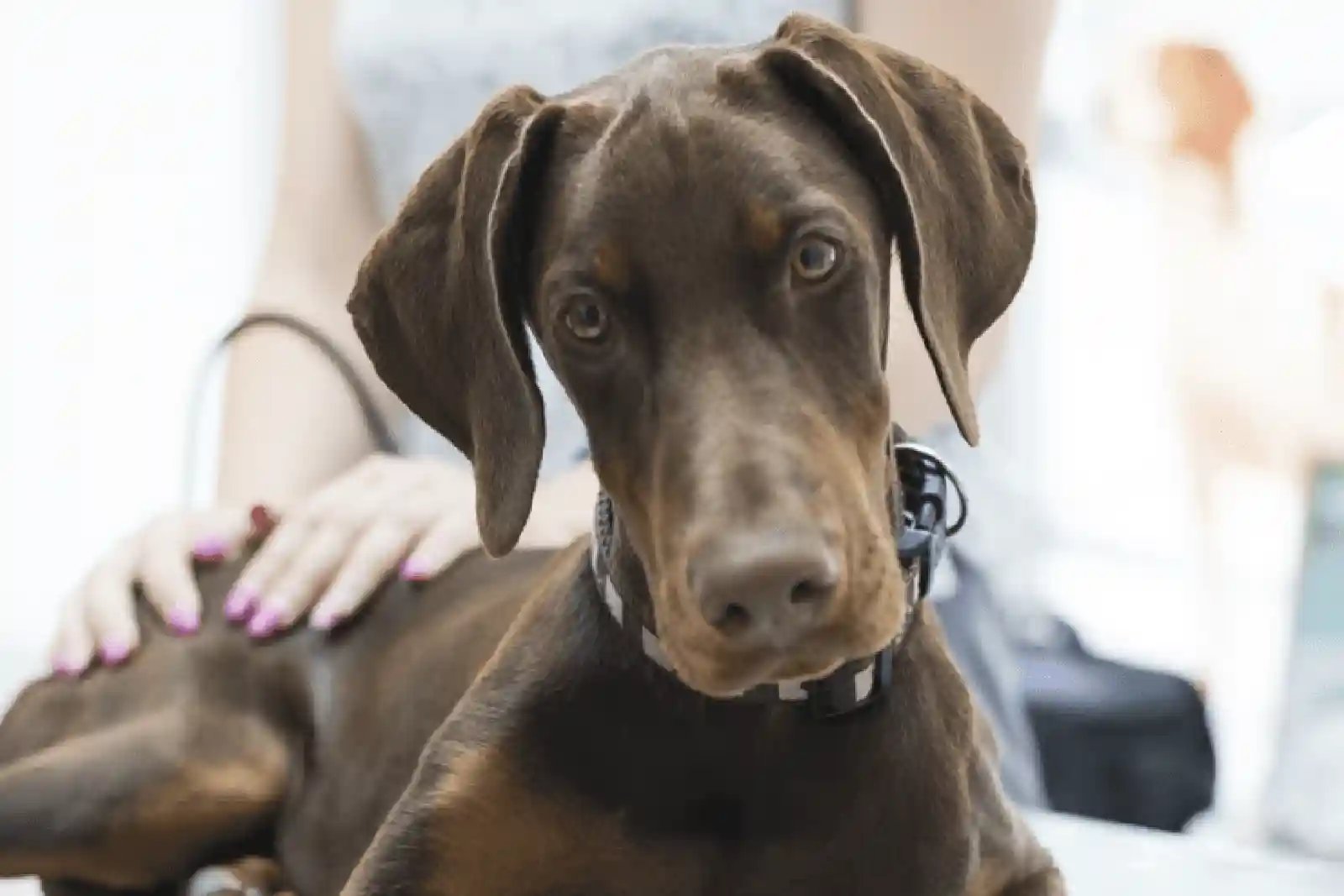
You can take safe steps at home for mild cases. But never insert cotton swabs deep into the ear. Use gentle methods and seek vet advice for any persistent issue.
At-home steps to try
- Inspect the outer ear for foreign objects, redness, or discharge.
- Gently wipe only the visible part of the ear with a soft, damp cloth.
- Use vet-recommended ear cleaner if instructed, and follow directions.
- Prevent water entry during baths until the ear is healed.
When to use medications
- Only give medications prescribed by your vet.
- Topical drops often treat infections or mites.
- Oral drugs may be needed for severe infection or pain.
I once helped an owner who used an over-the-counter human ear drop that burned the dog’s ear. That taught me to always advise: check with a vet before applying anything. Proper diagnosis ensures the right treatment and stops the pattern of dog head shaking often.

Prevention and long-term care
Keeping ears dry, clean, and checked regularly lowers the chance your dog head shaking often becomes a chronic issue. Breed, ear shape, and lifestyle affect risk.
- Routine ear checks once a week for active or water-loving dogs.
- Clean only when recommended with a vet-approved cleaner.
- Dry ears well after swimming or baths.
- Control allergies with diet changes or vet guidance if needed.
- Keep long hair around the ear trimmed to improve airflow.
For dogs prone to ear problems, schedule regular vet checks. Long-term care can include medicated cleanses or allergy management. From my experience, owners who stay consistent with simple care reduce flare-ups and the need for repeated vet visits.
Frequently Asked Questions of dog head shaking often
Why does my dog shake its head after a bath?
Most dogs shake to remove water and relieve a tickling feeling. If shaking continues for hours or is paired with redness, check for trapped water or infection.
Can allergies cause a dog head shaking often?
Yes, allergies often inflame the ear and lead to repeated head shaking. Managing allergies can reduce ear issues and shaking behavior.
Is ear cleaning safe to stop dog head shaking often?
Gentle, vet-recommended cleaning is safe when done correctly. Avoid deep probing and never use unapproved products without veterinary advice.
Could a foreign object make my dog head shaking often?
Yes, grass seeds, small twigs, or insects can lodge in the ear and cause vigorous shaking. A vet may need to remove stubborn objects.
When will head shaking go away after treatment?
If treatment is correct, improvement often starts within 48 to 72 hours. Persistent shaking beyond a few days needs follow-up and possible re-evaluation.
Conclusion
Dog head shaking often is a common sign with many causes, from harmless water removal to serious infections or foreign objects. Watch for red flags, use gentle home care when appropriate, and seek veterinary help for persistent or severe signs. Take action early to prevent chronic problems and keep your dog comfortable.
Take one small step today: inspect your dog’s ears gently and note any changes. If you’re worried, schedule a vet check. Share your experience below or subscribe for more practical pet care tips.
