
Dog hot spots healing needs quick cleaning, vet care, and stopping licking fast.
I’ve treated many dogs and studied best practices for dog hot spots healing. This guide explains what hot spots are, why they flare, how to treat them at home, when to see a vet, and how to prevent repeat problems. Expect clear steps, practical tips, and real-life lessons to help your dog recover fast and stay healthy.
 display: block; margin: 0 auto;”
loading=”lazy”
/>
What are hot spots and why they matter
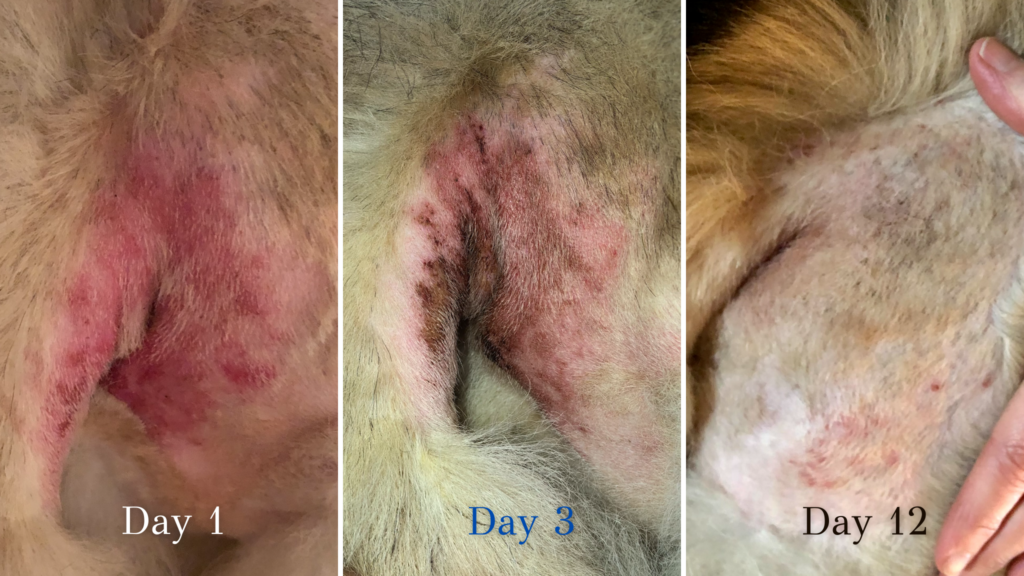
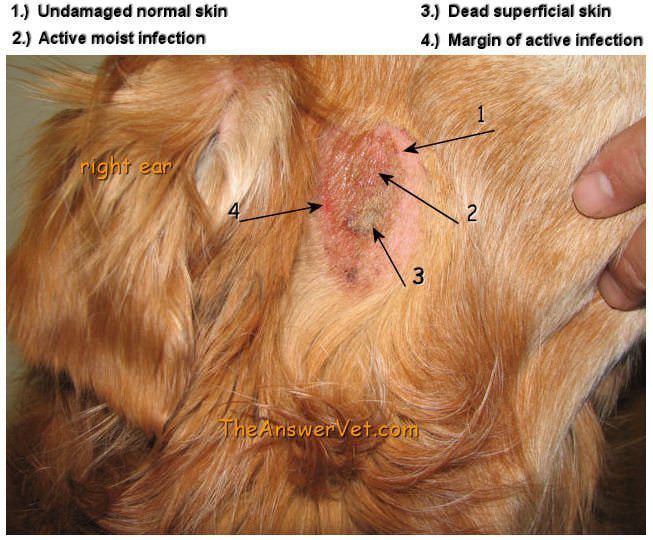
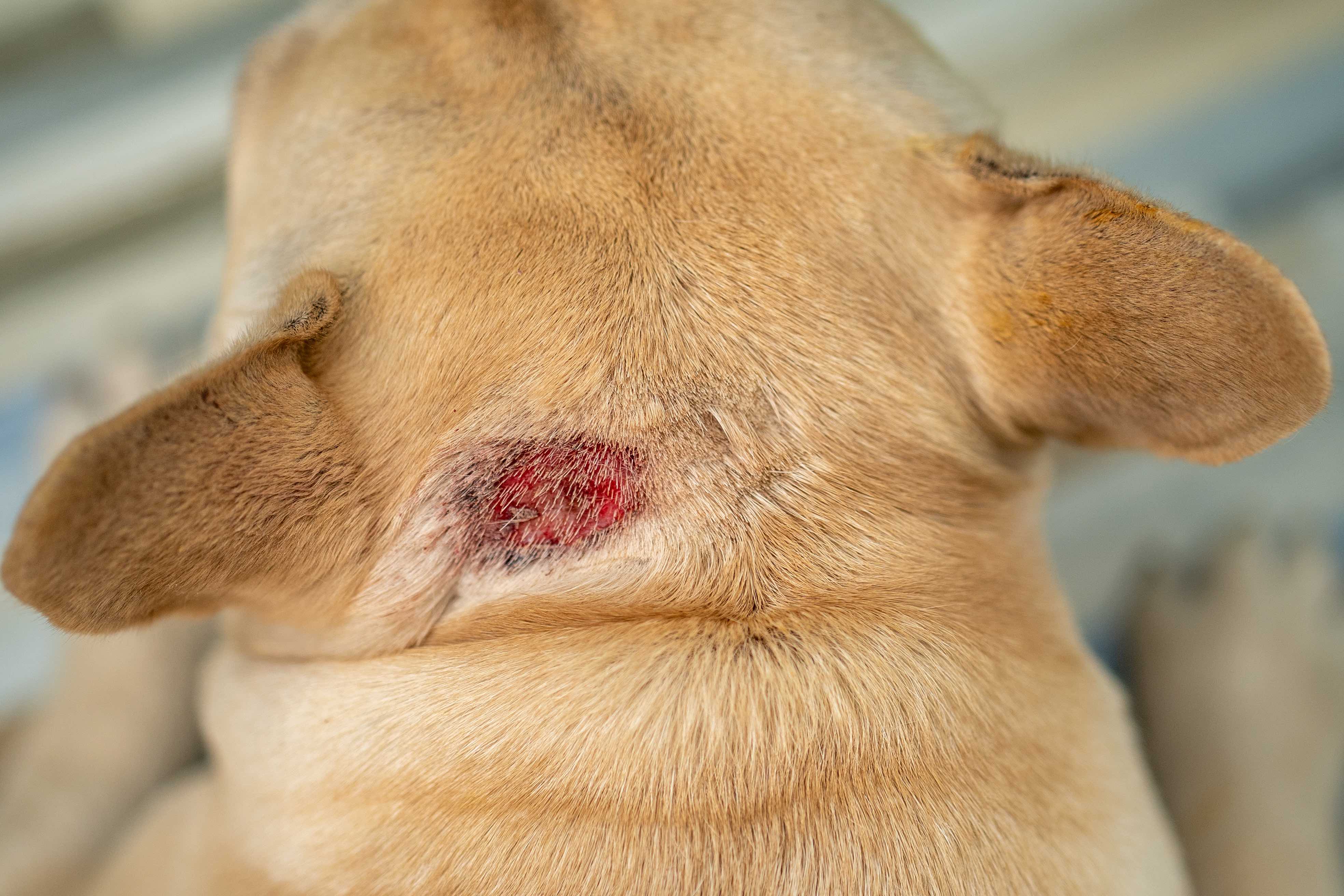
Hot spots are acute, red, wet areas of skin that worsen fast. They are painful and often smell bad. These sores result when dogs lick, chew, or scratch a small irritation until it becomes infected. Understanding dog hot spots healing starts with knowing this cycle of irritation, moisture, and skin break down.
Common causes of hot spots
Hot spots can start for many reasons. Identifying the cause helps speed dog hot spots healing.
- Fleas and ticks can make a dog scratch or bite a spot repeatedly.
- Allergies to food, pollen, or grooming products can lead to intense itching.
- Skin infections, yeast, or bacteria may create tender areas.
- Moisture trapped in fur after swimming or bathing makes skin soft and easy to damage.
- Trauma from rubbing or a tight collar can start the cycle.
Spotting the root cause helps you choose the right treatment and reduce repeat problems.
Signs, diagnosis, and common locations
Recognize hot spots early to improve dog hot spots healing.
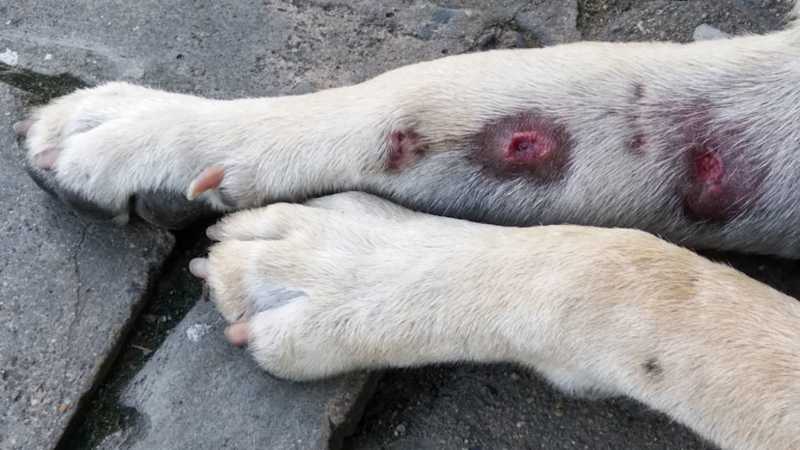
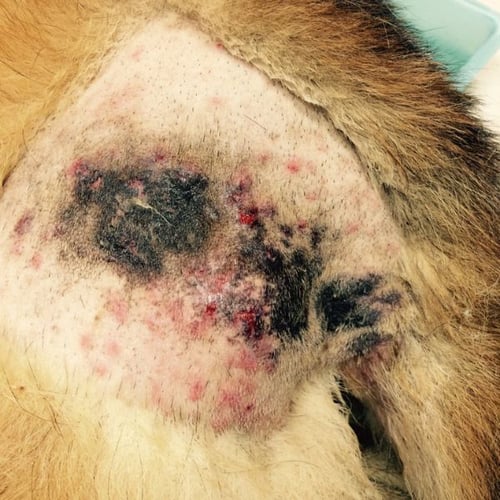
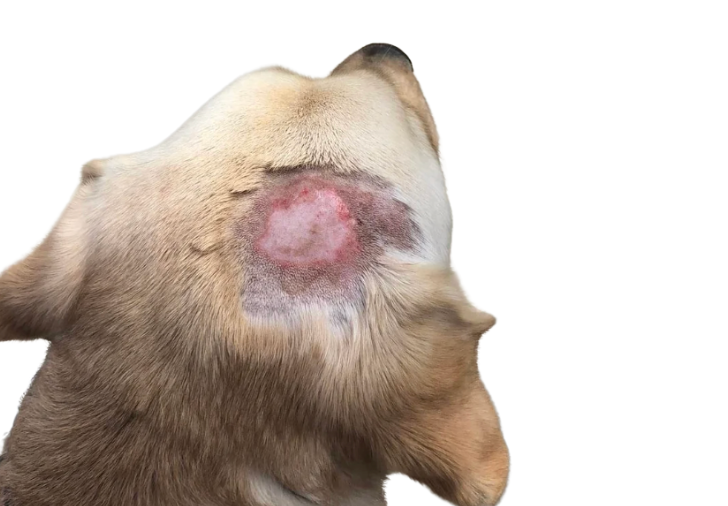
- Red, raw, and wet patches on the skin that appear quickly.
- Hair loss around the sore and a foul smell from infection.
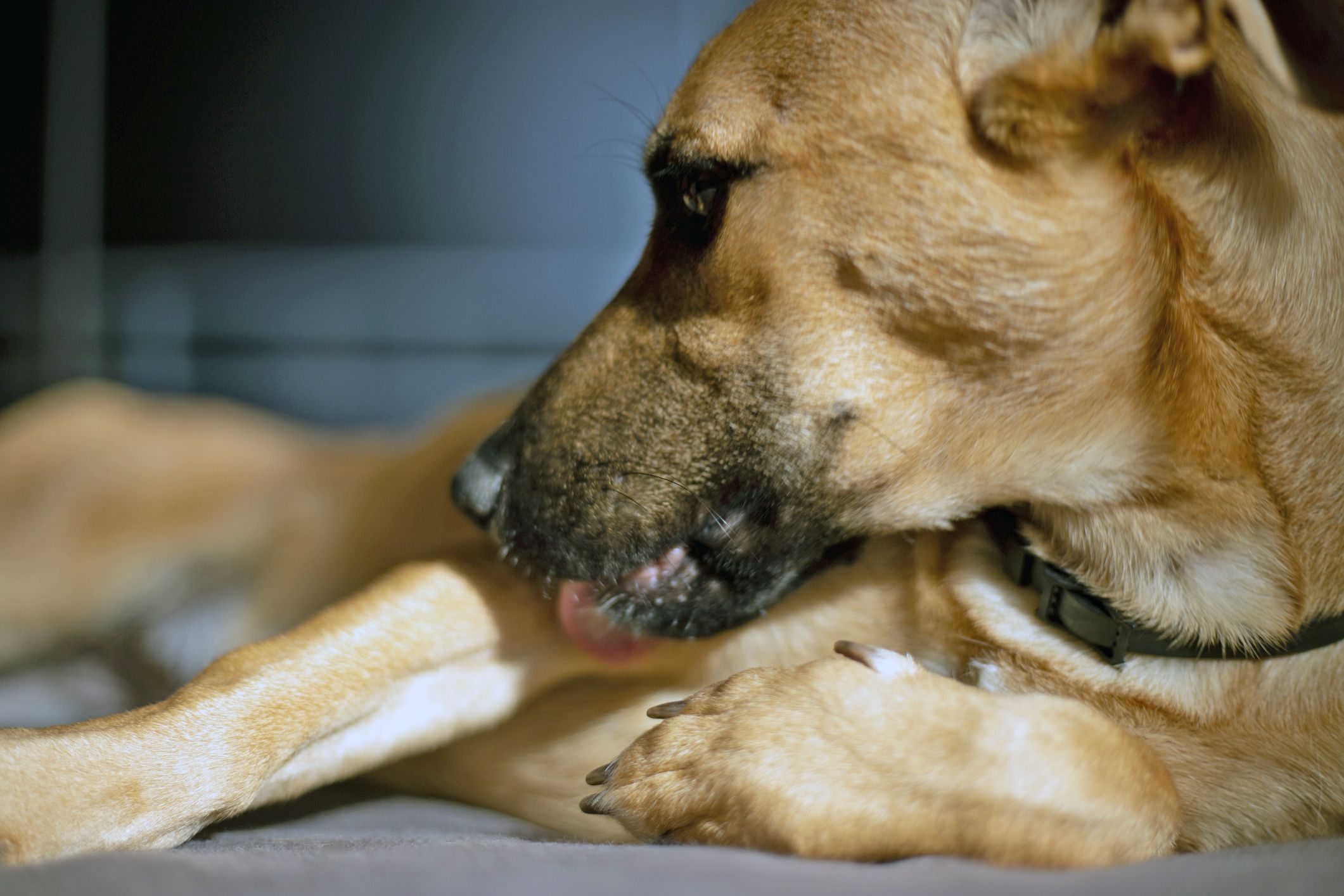
- Intense itching, licking, or chewing at the area.
- Common locations include the head, hips, chest, and flank.
A vet will examine the area, check for underlying causes, and may take skin swabs or allergy tests if needed. Early diagnosis shortens healing time.
Home care steps to speed healing
You can start safe home care right away to help dog hot spots healing. Follow these steps and watch for signs of improvement.
- Clip hair gently around the sore to let air reach the skin and to keep it clean.
- Clean the wound with a gentle saline rinse or a vet-recommended antiseptic solution.
- Dry the area softly; damp skin delays healing.
- Use an Elizabethan collar or similar device to stop licking and chewing.
- Apply vet-approved topical treatments or sprays as directed.
- Avoid home remedies that sting or delay healing, such as alcohol or undiluted hydrogen peroxide.
If the sore is large, deep, spreading, or very painful, stop home care and see your vet right away. Good home care supports medical treatment and speeds dog hot spots healing.
:strip_icc()/How-to-soothe-a-hot-spot-3384808-V2-a6e7fbf5af0649f9a0b88a5a558fd82c.png)
Veterinary treatments and medications
When proper care is needed, vets offer targeted therapy to achieve dog hot spots healing.
- Oral antibiotics for bacterial infection when needed.
- Short courses of steroids to reduce intense inflammation and itching.
- Medicated shampoos or sprays with chlorhexidine or benzoyl peroxide for cleansing.
- Topical antibacterials or healing ointments prescribed by the vet.
- Pain control or sedatives for severe cases to reduce stress and prevent further damage.
Follow the vet’s instructions exactly. Stopping medicine too early can cause relapse and slow dog hot spots healing.
Healing timeline and what to expect
Most hot spots show improvement within a few days. Full healing can take one to three weeks depending on severity and cause.
- Mild cases may improve in 3 to 7 days with cleaning, topical care, and an e-collar.
- Moderate cases treated with antibiotics often heal in 7 to 14 days.
- Severe or deep infections may take longer and might need follow-up care.
Track healing by watching for reduced redness, less wetness, and new hair growth. If there’s no improvement in 48–72 hours, consult your vet. Prompt action shortens dog hot spots healing time.
Prevention strategies to reduce recurrence
Preventing hot spots is the best way to avoid pain and repeated dog hot spots healing cycles.
- Keep fleas and ticks under control with vet-approved preventives.
- Dry your dog well after baths, swims, or rainy walks.
- Maintain regular grooming to prevent matted fur and skin traps.
- Address allergies with diet changes or vet guidance.
- Check collars, harnesses, and gear for chafing or tight spots.
- Reduce stress and boredom, which can lead to over-grooming.
Prevention is a combination of good grooming, flea control, and addressing medical causes. This approach lowers the chance your dog needs dog hot spots healing again.
Personal experience and practical lessons
I once cared for a golden retriever with recurring hot spots on the flank. At first I clipped the hair too short and used a home paste that burned the skin. The sore worsened. After a vet visit we used a gentle antiseptic wash and an e-collar. The dog healed in ten days and had no relapse once fleas were controlled.
Lessons I learned:
- Don’t rush to strong home remedies; they can harm the skin.
- Stop the licking first, then treat the wound.
- Find and fix the root cause to avoid repeat problems.
These real steps improved recovery and gave me a clear plan for dog hot spots healing in the future.
When to see the vet — warning signs
Some cases need urgent care to avoid complications and speed dog hot spots healing.
- Large, spreading sores or multiple hot spots at once.
- Heavy pus, bad odor, fever, or lethargy.
- No improvement after 48–72 hours of home care.
- Signs of severe pain or the dog stops eating.
Be prompt. Early vet care often means simpler treatment and faster recovery.
Frequently Asked Questions of dog hot spots healing
What is the fastest way to help a hot spot heal?
Clean the area gently, stop licking with an e-collar, and use vet-recommended topical care. If the spot is infected, see the vet for antibiotics.
Can hot spots heal without antibiotics?
Mild hot spots can heal with cleaning and anti-itch measures, but infected or large sores often need antibiotics for full recovery.
How long until my dog’s hot spot is fully healed?
Most cases improve in 3 to 7 days and fully heal in one to three weeks, depending on cause and treatment.
Is it safe to shave the fur around a hot spot?
Yes, gentle clipping helps air and medicine reach the skin, but avoid close shaving that can irritate. Ask your vet if unsure.
Will my dog keep getting hot spots forever?
Not usually. Treating the cause—fleas, allergies, or moisture—greatly reduces recurrence. Ongoing prevention helps a lot.
Can I use human creams on my dog’s hot spot?
Avoid most human creams unless your vet approves them. Some contain ingredients that can be toxic or slow healing.
Are certain breeds more prone to hot spots?
Yes. Breeds with thick coats or skin folds, like golden retrievers and bulldogs, can be more prone to hot spots and need more grooming care.
Conclusion
Dog hot spots healing is fastest when you act early, stop licking, clean gently, and follow vet advice. Treat the sore and find the cause to prevent repeat problems. Take action today: check your dog for new sores, remove moisture, and schedule a vet visit if the wound looks infected. Share your own experiences or questions below and subscribe for more pet-care guides.
