

Dogs itch for many reasons, from fleas and allergies to dry skin or infections.
I’ve spent years helping pet owners solve stubborn skin problems, and I know how upsetting persistent scratching can be. This guide dives deep into dog itching causes with clear, practical steps you can use today. You’ll learn how to spot common triggers, how vets diagnose problems, which home treatments help, and when you must seek professional care. Expect straightforward advice, real-life tips from my experience, and reliable actions that help dogs feel better fast.
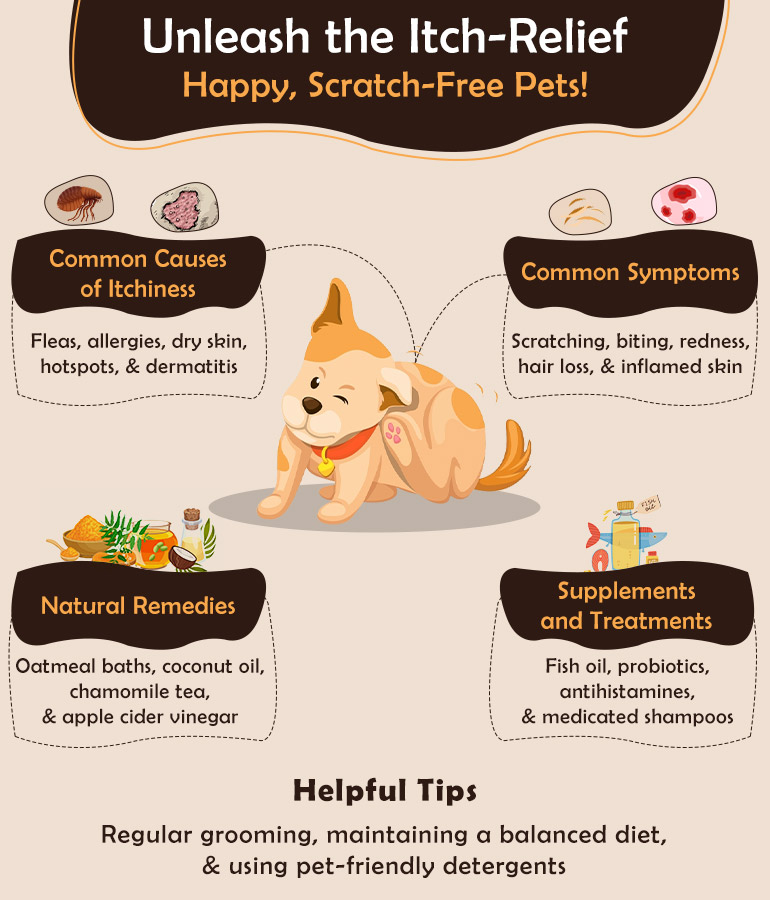
Common causes of dog itching
Dogs scratch for lots of reasons. The top triggers include parasites, infections, allergies, dry skin, and behavior. Each cause looks a bit different and needs a tailored approach. Understanding the likely causes is the first step to easing your dog’s discomfort.
Parasites: fleas, mites, and ticks
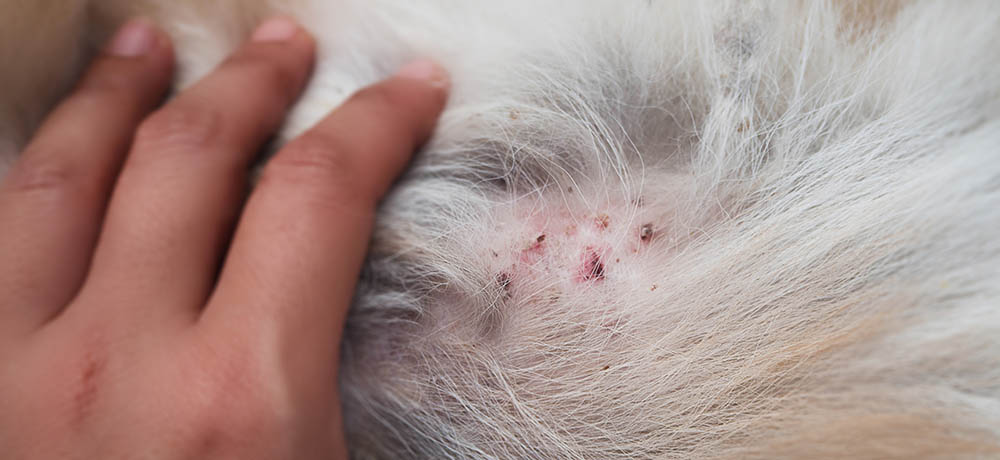
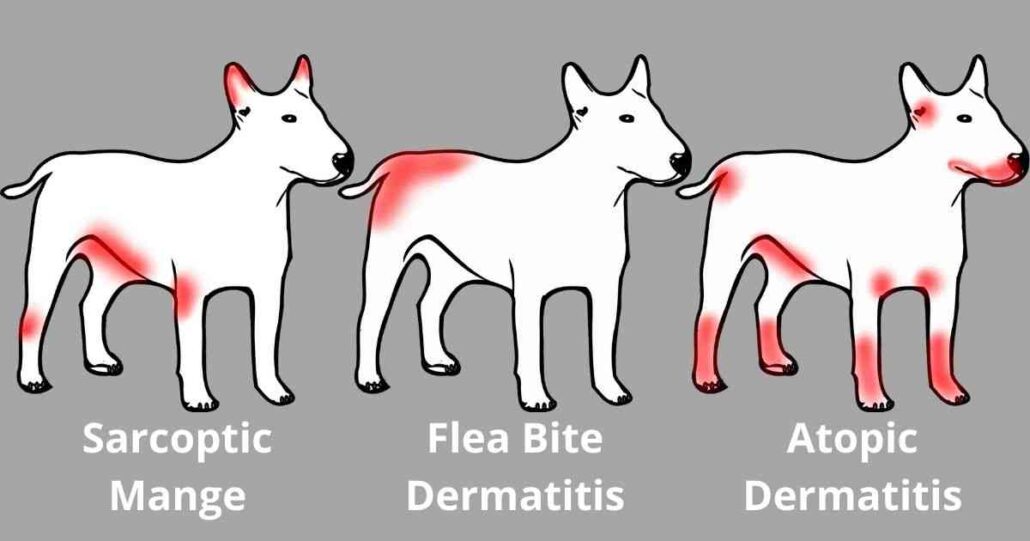
Parasites are among the most common dog itching causes. Fleas cause intense, focused scratching, often around the tail base and lower back. Mites, like sarcoptes or demodex, lead to scaly patches, hair loss, and widespread itching. Ticks irritate the skin locally and can transmit diseases that worsen itch. If you see tiny moving dots or red bumps, check with a vet and start parasite control right away.

Allergies: environmental and food
Allergies are a major driver of dog itching causes and can be tricky to pinpoint. Dogs can react to pollen, dust mites, mold, or ingredients in their food. Environmental allergies often cause seasonal or chronic paw licking, ear infections, and face rubbing. Food allergies usually show as ongoing itch, hot spots, or poor coat quality. An elimination diet or allergy testing can clarify the trigger.
Skin infections: bacterial and fungal
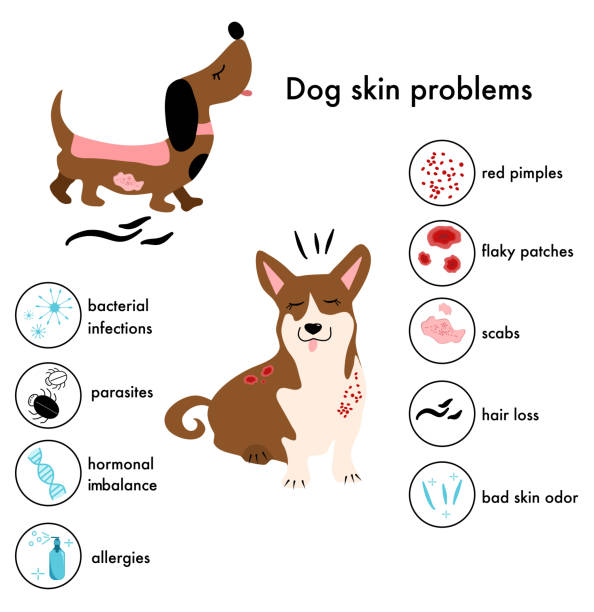
Bacterial and fungal infections often follow other dog itching causes, like allergies or wounds. Infections cause redness, bad odor, scabs, or greasy fur. Ringworm, a fungal infection, can leave circular patches of hair loss. Treating the underlying cause plus targeted antimicrobials usually clears infections. If the skin looks angry or the dog seems unwell, see a vet for culture or cytology.

Dry skin and environmental factors
Dry air, frequent bathing, poor grooming, or low-quality diets can produce dry, itchy skin. Seasonal shifts and indoor heating also strip natural oils. Dogs with dry skin often have dandruff, brittle hair, and general scratching. Improving humidity, using gentle shampoos, and adding skin-support nutrients can help quickly.

Behavioral itching and stress
Not all scratching is medical. Dogs sometimes lick or scratch from boredom, anxiety, or habit. This is called psychogenic pruritus. The behavior usually targets the same spot and persists despite treating medical causes. Enrichment, training, and anxiety-management techniques can reduce stress-related scratching. If behavior seems likely, discuss options with your vet or a behaviorist.
How vets diagnose dog itching causes
Veterinarians use a stepwise approach to nail down dog itching causes. Expect a full history, skin exam, and targeted tests. Common tests include skin scrapings for mites, cytology for bacteria and yeast, fungal cultures, and allergy tests. Bloodwork or biopsy is sometimes needed for complex cases. Clear communication with your vet speeds diagnosis, so note when the itching started and what treatments you’ve tried.

Home care and immediate steps to comfort your dog
You can take several safe steps at home while you arrange veterinary care. These actions address common dog itching causes and bring relief.
- Check for fleas and ticks by parting the fur and looking for movement or black “flea dirt.”
- Use an oatmeal or hypoallergenic shampoo to soothe irritated skin once or twice weekly.
- Keep nails short to reduce damage from scratching.
- Provide a cool, clean resting area and avoid known irritants like strong cleaners.
- Offer a balanced diet and consider supplements like omega-3 fatty acids for skin health.
If symptoms worsen or include swelling, oozing sores, or fever, stop home treatments and see a vet.
Medical treatments and when they’re needed
When home care is not enough, medical options target specific dog itching causes. Vets may prescribe:
- Flea preventives and parasite treatments that stop reinfestation.
- Antibiotics or topical ointments for bacterial skin infections.
- Antifungals for yeast or ringworm.
- Short courses of steroids or other anti-inflammatories to bring rapid relief.
- Allergy-specific treatments like immunotherapy or prescription diets.
Follow the vet’s instructions closely and complete medication courses to prevent relapses. Some therapies need monitoring for side effects.
Nutrition, supplements, and long-term skin health
Diet plays a big role in preventing many dog itching causes. A high-quality diet supports the skin barrier and immune system. Consider these options:
- Foods rich in omega-3 and omega-6 fatty acids to reduce inflammation.
- Limited-ingredient or novel-protein diets for suspected food allergies.
- Probiotics to support skin and gut health in some cases.
- Hydration and consistent feeding schedules to support overall wellness.
I’ve seen dogs improve within weeks after switching to a better diet and adding fish oil. Always introduce changes gradually and consult your vet for dosing.
Prevention and management strategies
Managing chronic itching is often a long-term effort. Preventive steps address common dog itching causes and reduce flares.
- Use year-round flea and tick prevention.
- Bathe with mild, moisturizing shampoos and avoid over-bathing.
- Maintain a regular grooming routine to check skin and ears.
- Limit exposure to known environmental allergens when possible.
- Provide mental and physical stimulation to reduce stress-related licking.
Keep a diary of flare-ups. Note season, food changes, and new products. This log can reveal patterns and point to triggers.
My experience and lessons learned
I once worked with a Labrador that scratched nonstop each spring. After tests, we found both flea exposure and seasonal pollen allergy. Treating fleas, switching the diet, and starting allergy shots made a huge difference. The lesson: multiple dog itching causes often overlap. Treating one issue may help, but long-term relief often needs a combined plan. I advise patience and steady tracking of treatments and responses.
Frequently Asked Questions of dog itching causes
What are the first signs that my dog is itching for a serious reason?
Serious signs include open sores, hair loss in large patches, swelling, pus, or fever. If your dog is lethargic or stops eating, seek veterinary care right away.
Can food alone cause chronic itching?
Yes. Food allergies can cause ongoing itch, ear infections, and hot spots. An elimination diet supervised by a vet can reveal food-related causes.
How fast do flea bites make a dog itch?
Flea bites can cause immediate itching, but sensitivity varies. Some dogs develop severe allergic reactions to even a single flea bite.
Are over-the-counter shampoos safe for itchy dogs?
Many gentle, oatmeal-based shampoos are safe and soothing. Avoid medicated shampoos unless directed by your vet, as incorrect use can worsen the problem.
When should I consider allergy testing?
Consider testing if itching is seasonal, persistent, or if environmental triggers are suspected. Testing helps create a targeted long-term plan, such as immunotherapy.
Can anxiety cause my dog to scratch constantly?
Yes. Anxiety and boredom often lead to repetitive licking and scratching. Behavioral changes and enrichment can reduce stress-related itching.
Conclusion
Understanding dog itching causes makes it possible to act quickly and wisely. Start with simple checks for fleas and infections, use gentle skin care, and consult your vet for persistent or severe cases. Track flare-ups, try a combined approach when needed, and be patient—relief often takes time. Take action today: inspect your dog, keep a symptom diary, and schedule a vet visit if scratching continues. Share your story in the comments or subscribe for more practical pet care guides.
