

Sudden limping in dogs usually stems from injury, paw problems, arthritis, or infection.
I’ve seen dozens of dogs go from sprinting to limping in minutes, and knowing the likely causes can help you act fast. This article explains the most common dog limping suddenly reasons, how to check your dog safely at home, when to rush to the vet, likely tests and treatments, and practical prevention tips based on hands-on experience and veterinary guidance. Read on to learn clear, reliable steps you can take the moment your dog starts limping suddenly.
:strip_icc()/why-is-my-dog-limping-4125207-final-2063d54b740d485c9caa789c4b8662ea.jpg)
Common causes of sudden limping in dogs
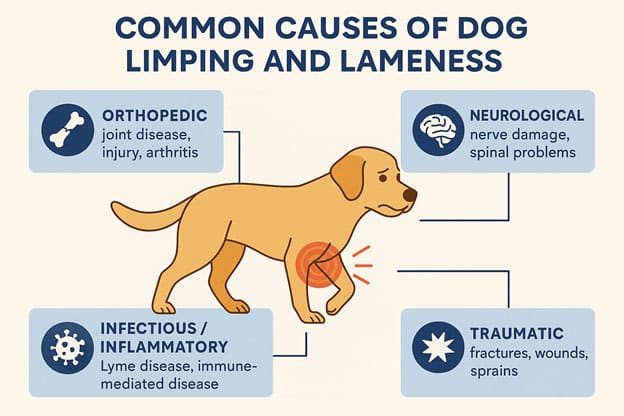
Dogs can start limping suddenly for many reasons. Some are minor and fixable at home. Others need urgent vet care. Below are the most common dog limping suddenly reasons, with short descriptions.
-
Soft tissue injury
A sprain or strain from rough play or a jump can cause sudden limping. Pain and swelling are typical signs. -
Paw pad problems
Cuts, punctures, torn pads, or stuck objects like thorns cause immediate limping. Check between toes for foreign bodies. -
Nail injuries
A broken or torn nail is painful and often causes limping on that foot. -
Foreign body in paw
Glass, burrs, or foxtail awns can penetrate and cause limping and infection. -
Fractures and dislocations
A broken bone or joint dislocation usually causes severe limping and refusal to bear weight. -
Soft tissue infection or abscess
Infections after a bite or puncture can lead to sudden limping and swelling. -
Nail bed infections or ingrown nails
These cause pain while walking and may appear swollen or red. -
Joint issues and ligament tears
A torn cruciate ligament or severe sprain can produce sudden limping, often with intermittent use of the leg. -
Osteoarthritis flare-up
Older dogs may appear to start limping suddenly if arthritis flares after activity or cold weather. -
Neurological problems
Nerve pain or compression can show as sudden lameness, sometimes with other signs like weakness. -
Systemic disease or referred pain
Hip or spinal problems may cause a dog to limp in a limb that isn’t directly injured.
I’ve treated dogs with nearly every one of these causes. Quick inspection often points to paw or nail issues, while joint injuries usually need a vet visit for diagnosis. Use what follows to assess safely.
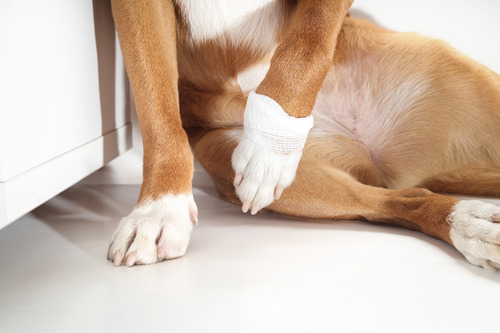
How to quickly assess your dog at home
When your dog starts limping suddenly, stay calm. A calm owner keeps the dog calmer and makes assessment safer.
-
Keep your dog still and supported
Use a towel or leash. Prevent running or jumping. -
Look for visible signs
Check paws, nails, between toes, and pads for cuts, debris, swelling, or foreign objects. -
Gently palpate the leg
Start at the toes and move toward the shoulder. Stop if your dog shows strong pain or aggression. -
Observe weight bearing and gait
Note if the dog puts any weight on the leg, if it hops, or if the limp is intermittent. -
Check the opposite limb and hips
Pain can shift weight and cause secondary limping in another leg. -
Test the claws and nails
A damaged nail often reveals itself when you lightly flex the nail bed.
From experience, most cases I could manage at home were due to small foreign bodies or broken nails. If you find an obvious wound, clean it gently and monitor. If the dog won’t let you touch the area, seek veterinary help.
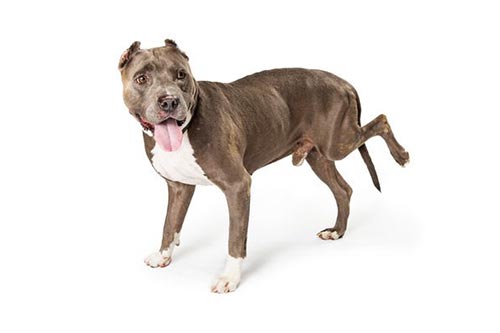
When to see the vet immediately
Some dog limping suddenly reasons require urgent care. Go to the vet right away if you notice any of the following:
-
Severe pain or yelping
If your dog cries out and refuses to move, this is an emergency. -
Non-weight-bearing for more than a few hours
If the dog won’t use the limb at all, get professional help. -
Visible deformity or bone sticking out
These signs suggest a fracture or severe joint dislocation. -
Wounds that are deep, bleeding heavily, or contaminated
Deep punctures and heavy bleeding need immediate care to prevent infection. -
Signs of systemic illness
Fever, lethargy, loss of appetite, or swelling around multiple joints require vet assessment. -
Signs of neurological deficits
Weakness, dragging limbs, or urinary issues can point to spinal problems.
When in doubt, call your vet. Early diagnosis often reduces complications and speeds recovery.

Diagnosis and tests your vet may use
Your vet will combine history, exam, and tests to find the cause of sudden limping in dogs. Common diagnostic steps include:
-
Physical and orthopedic exam
The vet checks pain points, joint range of motion, and limb stability. -
X-rays (radiographs)
X-rays reveal fractures, joint changes, bone tumors, and some soft tissue problems. -
Fine needle aspiration or culture
For swollen or infected areas, sampling helps find infection or abnormal cells. -
Joint taps and cytology
If joint infection or arthritis is suspected, fluid analysis can guide treatment. -
Advanced imaging (CT or MRI)
Used for complex fractures, soft tissue injuries, or suspected spinal problems. -
Diagnostic anesthesia or nerve blocks
These can help localize pain for surgical planning. -
Blood tests and urinalysis
Useful when systemic disease or infection is suspected.
In my practice, X-rays and careful palpation solved many acute limping cases. For persistent or unclear limps, advanced imaging clarified the diagnosis and prevented unnecessary surgery.
Treatments and at-home care options
Treatment depends on the cause. Below are common approaches for the various dog limping suddenly reasons.
Immediate first aid at home
-
Clean minor wounds with saline or clean water
Apply gentle pressure for bleeding. Avoid hydrogen peroxide on deep wounds. -
Bandage only if you know how
Improper bandaging can cut off circulation. Seek guidance if unsure. -
Restrict activity
Crate rest or short leash walks for 7–14 days often helps soft tissue injuries heal.
Medical and veterinary treatments
-
Pain control and anti-inflammatories
Your vet will prescribe safe medications to control pain and inflammation. -
Antibiotics for infected wounds
Prescribed if infection is present or likely. -
Suturing or wound repair
Deep wounds, torn pads, or significant lacerations may need surgery. -
Splints, casts, or slings
Used for certain fractures or ligament injuries. -
Surgery for fractures or ligament tears
Cruciate ligament repairs and complex fractures usually need surgical correction.
Rehabilitation and recovery
-
Physical therapy and controlled exercises
Rehab helps regain strength and range of motion. -
Weight management
Overweight dogs heal slower and place extra stress on joints. -
Slow return to activity
Gradual ramp-up prevents re-injury.
From real cases, I learned that consistent rest and controlled rehab matter more than rushing back to full activity. Follow vet instructions closely for the best outcome.
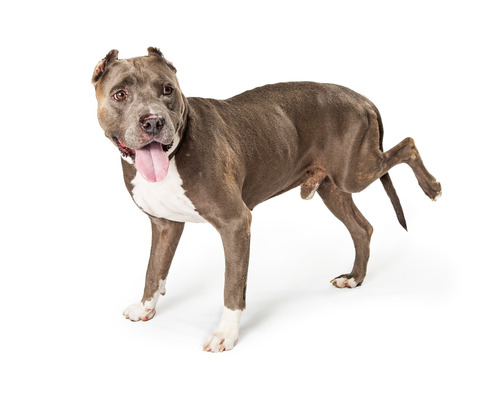
Preventing sudden limps: tips for owners
You can reduce the risk of dog limping suddenly reasons with regular care and attention.
-
Inspect paws after walks
Look for cuts, burrs, or foxtails and remove debris promptly. -
Keep nails trimmed
Short, healthy nails lower the risk of breaks and injuries. -
Maintain a healthy weight
Less weight means less stress on joints and ligaments. -
Use safe play practices
Avoid high-impact jumps on slippery floors for breeds prone to ligament injuries. -
Provide paw protection in harsh conditions
Dog boots help on hot pavement, ice, or rough terrain. -
Regular veterinary checkups
Early detection of arthritis and other problems prevents sudden flares.
Simple habits like checking paws and controlling weight saved several active dogs I cared for from repeat limps. Prevention is often the easiest treatment.
Common myths and mistakes to avoid
Owners sometimes follow bad advice that delays healing. Avoid these common mistakes.
-
Myth: If the dog can walk, it’s not serious
Even if a dog walks, hidden fractures, ligament tears, or infections can be present. -
Mistake: Using over-the-counter human meds
Many human painkillers are toxic to dogs. Always use vet-prescribed drugs. -
Myth: Rest alone fixes everything
Some injuries need surgery or antibiotics; rest alone may not suffice. -
Mistake: Ignoring subtle signs
Slight limping or favoring a leg can signal early problems that respond well to swift care. -
Myth: Home remedies replace vet care
Clean wounds can be managed at home, but more than minor injuries need professional evaluation.
I once saw a minor limp become a major issue because an owner used unapproved meds. Quick vet care avoids such outcomes.
Frequently Asked Questions of dog limping suddenly reasons
Why did my dog start limping suddenly after running?
Running can cause sprains, strains, or small tears in soft tissue. Sometimes a nail or pad injury occurs mid-run, so inspect the paw and rest the dog.
Can a small cut on the paw cause sudden limping?
Yes. Even a tiny puncture can be painful and can contain debris that causes limping. Clean the area and see a vet if the dog remains lame or the wound looks infected.
How long should I wait before seeking veterinary care?
If your dog won’t bear weight, cries in pain, or shows swelling or deformity, seek immediate care. For mild limps, monitor for 24–48 hours with rest and contact your vet if no improvement.
Will arthritis cause sudden limping in older dogs?
Arthritis can flare unexpectedly and cause sudden limping, especially after activity or cold weather. A vet can adjust pain control and provide therapy to improve comfort.
Can an embedded grass awn cause serious problems?
Yes. Grass awns can work deeper into tissue and cause abscesses or migration to other areas. If you suspect a foxtail or similar foreign body, see your vet.
Is limping always due to injury?
No. Limping can also result from infection, arthritis, neurological issues, or referred pain. A vet exam helps pinpoint the cause.
Can home rest and ice help a sprain?
Yes, brief rest and cold compresses reduce swelling for minor sprains. Avoid prolonged immobilization and consult your vet for persistent limping.
Conclusion
Sudden limping in dogs can come from simple paw problems, injuries, infections, or serious joint and bone issues. You now have clear steps to check your dog, recognize urgent signs, and understand likely tests and treatments for dog limping suddenly reasons. Act quickly, stay calm, and seek veterinary care when needed to give your dog the best chance to recover fully. If this article helped, bookmark it, share your story in the comments, or subscribe for more practical pet care guides.
