
Sudden loss of appetite in dogs often signals illness, stress, dental pain, or diet change.
I’ve worked with dogs for years and seen many cases of a dog not eating suddenly. This guide explains why it happens, what to watch for, what vets do, and safe home steps you can try. I’ll share real-world tips from clinic work and home care, so you can act fast and wisely if your dog stops eating.

Why a dog not eating suddenly happens
A dog not eating suddenly is common, but it is not normal. Appetite can drop from mild causes like picky eating to serious illness. Knowing the likely causes helps you decide if it’s a minor issue or an emergency. Below are the main reasons I see in practice.
- Medical illness — infections, fever, organ disease, and parasites can cut appetite quickly.
- Pain and dental problems — a sore mouth or toothache often makes dogs avoid food.
- Digestive upset — nausea, vomiting, or diarrhea often stop a dog from eating.
- Stress and environment — moves, storms, new pets, or loud noises can shut a dog down.
- Food or diet change — a new brand or formula can upset a dog’s gut or taste.
- Medications and vaccines — some drugs or vaccine reactions can cause short-term appetite loss.
- Toxin exposure — ingesting chemicals, plants, or human foods can make dogs refuse food.
A sudden drop in appetite can be a clue to many issues. If your dog not eating suddenly and shows other signs, treat it seriously.
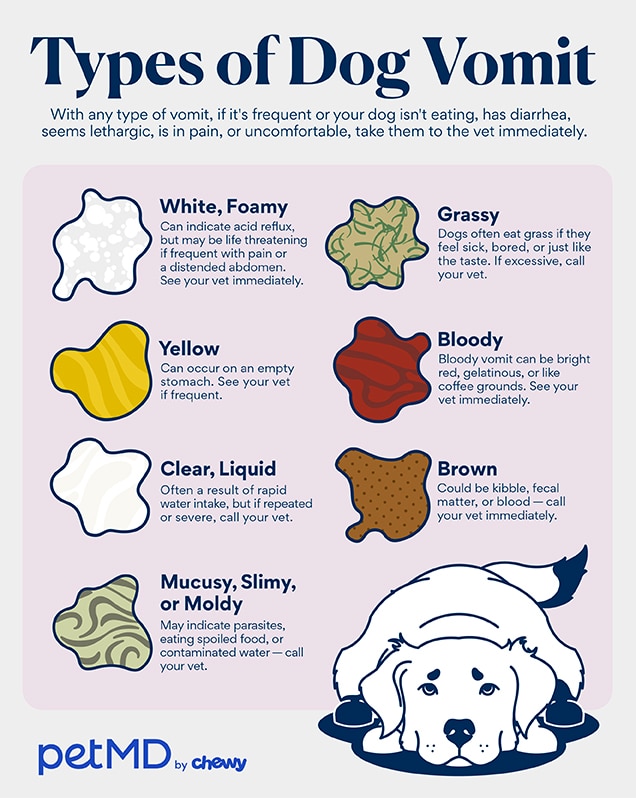
Common medical causes of sudden appetite loss
When a dog not eating suddenly, think first of medical causes. These are the most urgent to rule out.
Systemic illness
Blood sugar issues, liver or kidney disease, and heart disease can lower appetite fast. Bloodwork helps find these problems.
Gastrointestinal disease
Stomach flu, pancreatitis, blockages, or ulcers cause pain and nausea. Imaging and blood tests often reveal the issue.
Dental and oral pain
Broken teeth, gum disease, or mouth sores make chewing painful. A quick oral exam can point this out.
Infections and parasites
Viral or bacterial infections and heavy parasite loads reduce appetite. Vaccines and deworming help prevent many cases.
If you suspect any of these causes, contact your vet. Quick testing saves time and prevents complications when a dog not eating suddenly.
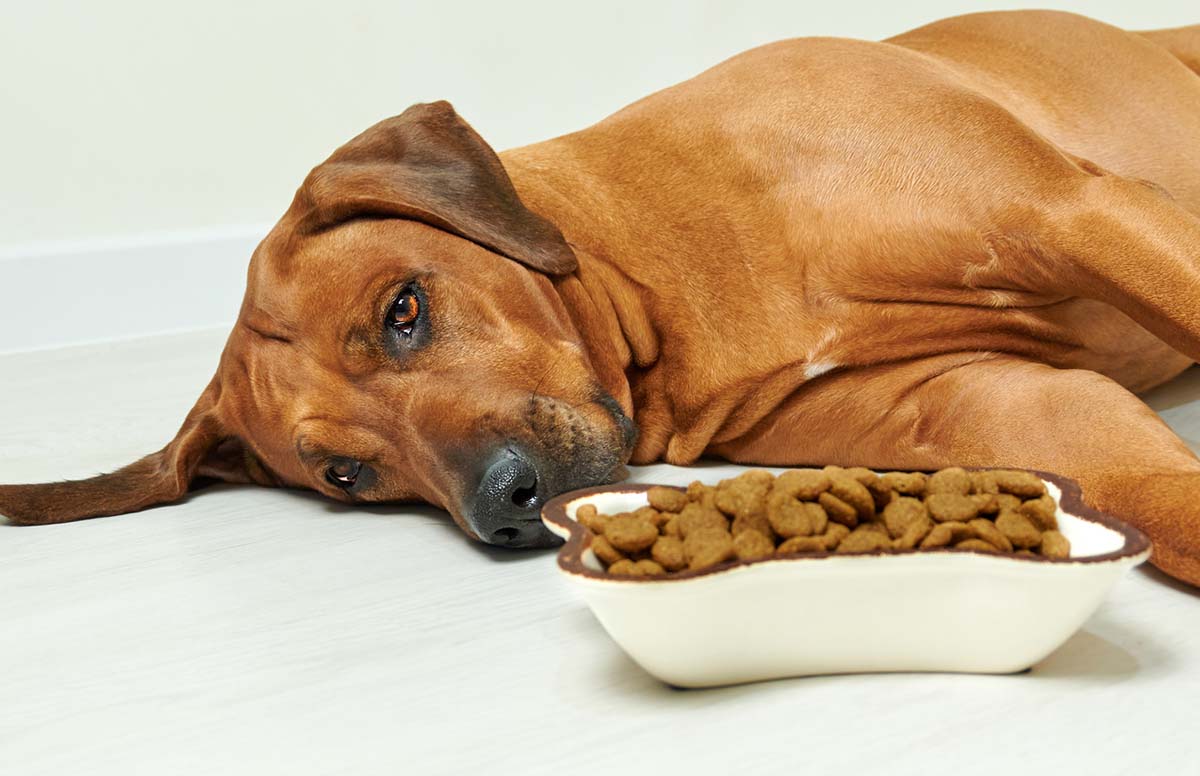
Behavioral and environmental causes
Not every case of a dog not eating suddenly is medical. Dogs can change habits fast.
- Stress events — moving, boarding, or a new family member can cut appetite for days.
- Changes in routine — new feeding times or locations can confuse some dogs.
- Picky eating and learned behavior — dogs may hold out for treats or human food.
- Aging and cognitive change — older dogs may eat less due to memory or smell loss.
Watch for patterns. If the change follows a clear stressor and your dog acts well otherwise, try gentle home steps first.
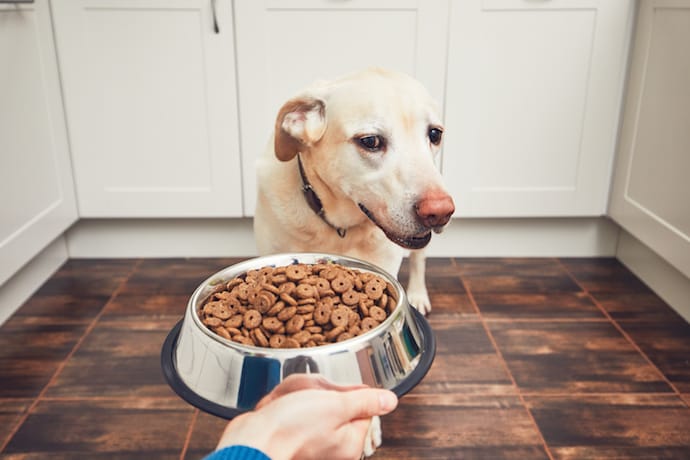
When to see a vet right away
Some signs mean you should seek immediate care when a dog not eating suddenly.
- Vomiting repeatedly or severe diarrhea
* Weakness, collapse, or trouble breathing - Signs of severe pain like whining or guarding the belly
- Blood in vomit, stool, or black tarry stool
- Refusal to drink for 24 hours or more
If any of these occur alongside a dog not eating suddenly, go to the vet now. Early care can be lifesaving.

What your vet will check and tests to expect
At the clinic, vets follow a step-by-step plan when a dog not eating suddenly.
- Physical exam — mouth, abdomen, lymph nodes, and vital signs are checked.
- Bloodwork and chemistry — these reveal organ function, infection, and more.
- Urinalysis — helps check kidney function and dehydration.
- Imaging — X-rays or ultrasound look for blockages, tumors, or organ changes.
- Fecal testing — checks for parasites and gut infections.
- Dental exam under sedation — if oral pain is suspected.
Tests help find the cause. Clear answers lead to the right treatment and faster recovery for a dog not eating suddenly.
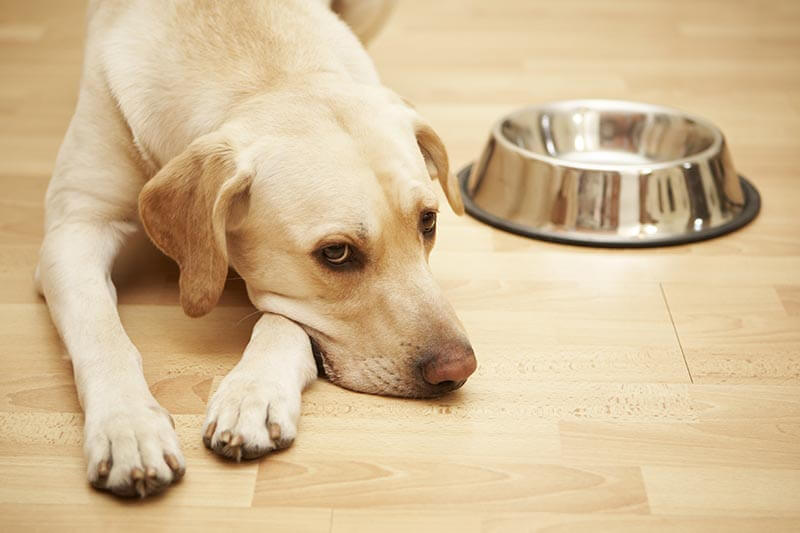
At-home care and safe diet strategies
You can try simple, safe steps at home when a dog not eating suddenly and the dog is otherwise stable.
- Keep water available — hydration matters most. Offer fresh water often.
- Warm and soften food — warming boosts aroma; mix water into dry food.
- Offer bland meals — plain boiled chicken and rice or low-sodium broth can tempt many dogs.
- Small, frequent meals — give tiny portions every few hours to reduce nausea.
- Avoid force-feeding — it can cause stress and aspiration pneumonia if the dog resists.
- Monitor weight and behavior — note how many meals are missed and any other signs.
If your dog still won’t eat after 24–48 hours, or shows weakness, contact your vet. For small dogs and puppies, act sooner because they can become weak fast when a dog not eating suddenly.
Preventing future appetite loss
Reduce the chance a dog not eating suddenly with routine care and habits.
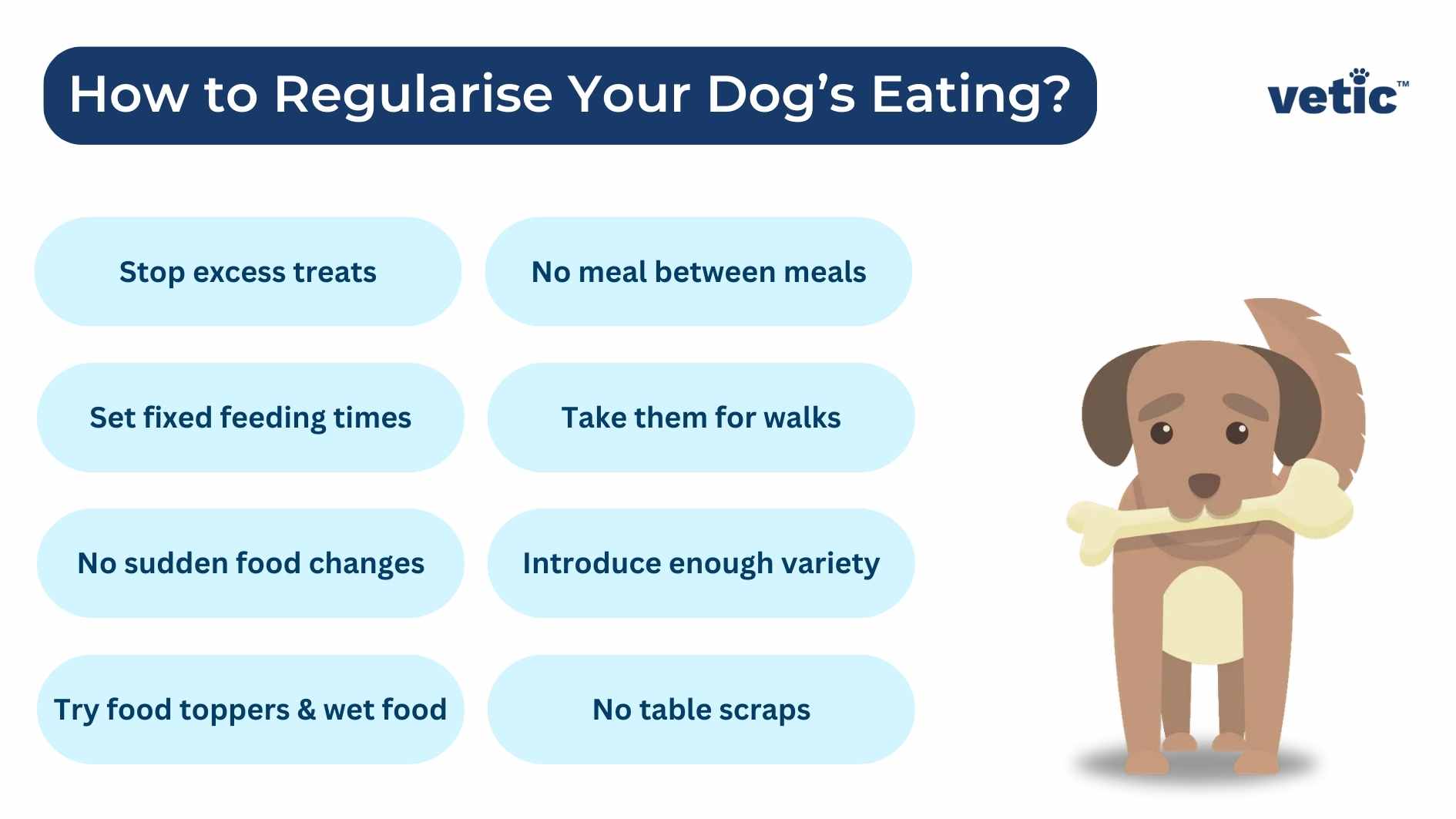
- Keep routine feeding times and a calm spot to eat.
- Transition diets slowly over 7–10 days when you change food.
- Maintain good dental care with regular checks and cleanings.
- Avoid leaving toxic foods or plants within reach.
- Keep vaccines and parasite prevention current to lower disease risk.
- Manage stress with exercise, toys, and gradual exposure to changes.
Prevention saves worry. A steady routine and good care help keep appetite steady.
Personal experience and lessons learned
I once treated a middle-aged lab that refused food for two days. The owner thought it was a mood. A quick exam and bloodwork showed early kidney trouble. We started fluids and a tailored diet. The dog improved in days.
From years of work, these lessons stand out.
- Don’t assume a missed meal is harmless. Watch and act.
- Small dogs and puppies need faster action.
- Simple at-home fixes often help, but tests rule out hidden illness.
- Clear notes on appetite, vomiting, and behavior help your vet.
These practical tips come from real cases and help when a dog not eating suddenly.
Common myths and facts about dogs and appetite
Myth: Dogs skip meals with no harm. Fact: One missed meal is often fine, but multiple days can be risky.
Myth: Dogs will always eat when hungry. Fact: Pain, smell loss, or nausea can stop a dog from eating even when hungry.
Myth: Forcing food is best. Fact: Forcing can harm and increase stress. Gentle coaxing and vet advice work better.
When a dog not eating suddenly, separate myth from fact to act wisely and avoid harm.
Frequently Asked Questions of dog not eating suddenly
Why is my dog not eating suddenly but still acting normal?
A dog can skip meals due to mild stomach upset, picky behavior, or a minor stressor. If behavior and energy are normal, watch for 24–48 hours and offer tempting, bland food.
How long can a dog go without food safely?
Healthy adult dogs can often go 48–72 hours without food, but small dogs, puppies, and ill dogs cannot. If your dog not eating suddenly and shows other signs, call your vet sooner.
Can dental pain cause a dog not eating suddenly?
Yes. Pain from broken teeth or gum disease makes chewing painful and can cause sudden appetite loss. A quick mouth check or vet dental exam can reveal the issue.
What foods should I offer to entice my dog to eat?
Try warm, plain boiled chicken with rice, low-sodium bone broth, or canned dog food warmed slightly. Offer small amounts often and avoid rich or fatty human foods that can worsen symptoms.
When is a sudden refusal to eat an emergency?
If your dog not eating suddenly and shows vomiting, bloody stool, severe lethargy, breathing trouble, or collapse, seek immediate care. These signs suggest serious illness or poisoning.
Conclusion
A dog not eating suddenly can be caused by many issues, from stress and diet changes to serious illness. Watch behavior, offer gentle home care, and contact your vet when signs worsen or last more than a day or two. Act early for small dogs, puppies, and senior pets. Use the tips here, keep records of symptoms, and speak openly with your vet for the best outcome. If this guide helped, try the diet tips, comment with your story, or subscribe for more pet care advice.
