
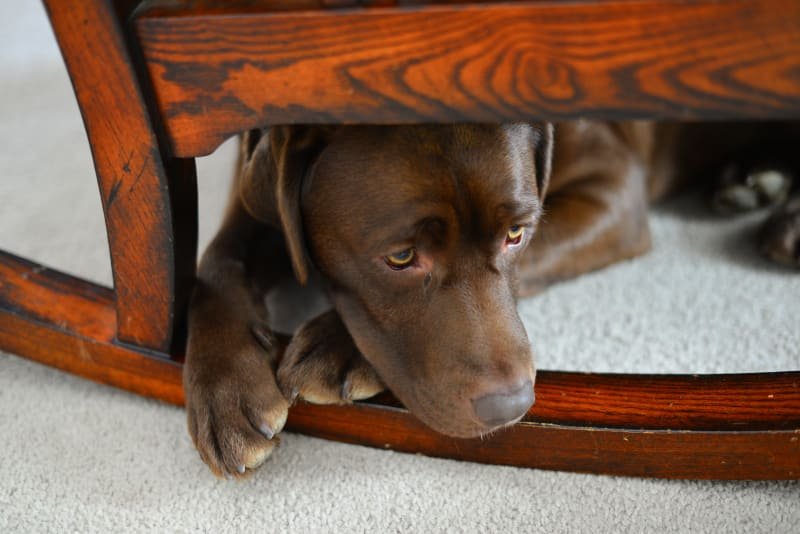
Night panting in dogs often signals heat, stress, pain, or an underlying health problem needing attention.
I have worked with dogs for years and seen many nights where a pet's breathing raises worry. This article explains dog panting at night in clear, simple terms. You will learn common causes, what is normal, red flags, and step-by-step help you can try at home. I mix research, clinical tips, and real-life examples so you can act with confidence.
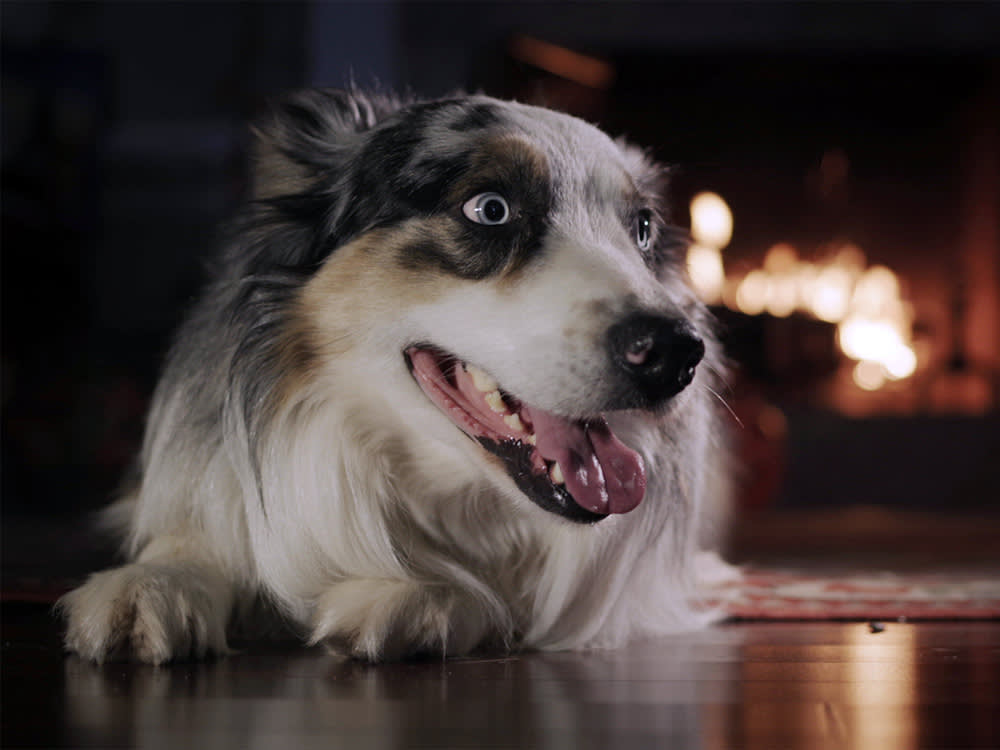
Why dogs pant at night
Panting is how dogs cool down and show emotion. At night, panting may be normal if the dog is warm, excited, or recovering from exercise. It may also mean anxiety, pain, breathing trouble, or a medical issue that wakes at night. I have seen dogs pant through heatstroke, pain, heart problems, and anxiety — each needed a different response.

Common causes of dog panting at night
Dogs pant for many reasons. Here are the main ones to watch for.
- Heat and poor ventilation
Dogs pant to lower body heat. A warm bedroom or heavy bedding can cause night panting. - Anxiety and nightmares
Fear or bad dreams can trigger heavy breathing while asleep or waking. - Pain or discomfort
Arthritis, injury, or internal pain can raise breathing and panting at night. - Heart and lung disease
Congestive heart failure, pneumonia, or collapsing airways can show as panting when resting. - Cushing’s disease and hormonal issues
Some hormonal problems cause increased panting overall, including night hours. - Medication side effects or toxins
Certain drugs or poisons can cause labored breathing or excessive panting. - Heatstroke or fever
Fever or overheating often shows as intense panting and drooling.
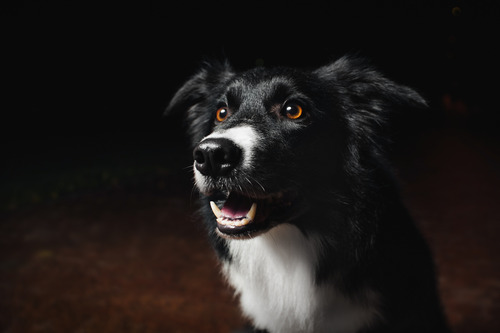
What is normal versus worrying
Normal night panting often stops when the room cools or the dog settles. Worrying signs include panting tied to collapse, blue gums, fainting, very rapid breathing, or a dry, hot body. If panting comes with vomiting, confusion, or a sudden change in behavior, treat it as an emergency. I learned this after a dog I cared for went from mild night panting to collapse in hours. Quick action made the difference.

How to check your dog at night — practical steps
When you wake to your dog panting, try this short checklist. Keep calm. Your tone affects the dog.
- Observe breathing rate
Count breaths for 15 seconds and multiply by 4. Normal resting rates are 10–30 breaths per minute depending on size. - Check gums and tongue
Gums should be pink and moist. Pale, blue, or very red gums need quick vet attention. - Feel for fever
Place a hand on the ears and paws. A very warm body may signal fever or heatstroke. - Look for other signs
Is there coughing, drooling, weakness, or staggered movement? Note these for your vet. - Cool and calm the dog
If the dog seems hot, move to a cooler room and offer water. Avoid sudden cold baths.

Immediate home remedies and safety tips
Simple actions can help while you arrange vet care. Use gentle methods.
- Create airflow
Turn a fan on the dog or open a window to cool the room. - Offer small sips of water
Do not force large amounts at once. Small sips help with mild overheating. - Remove heavy bedding
Let the dog lie on a cool floor if possible. - Keep calm and quiet
Reduce lights and noise to lower anxiety or stress. - Avoid medications unless prescribed
Do not give human meds like aspirin without vet advice.

When to see a vet — red flags
Some signs mean you should seek veterinary care now. I recommend urgent vet evaluation for any of these.
- Sudden, intense panting with collapse
- Blue, very pale, or very dark red gums
- Rapid breathing above normal resting range for more than a few minutes
- Coughing up blood, severe coughing, or choking sounds
- Fainting, disorientation, or weakness
If you are unsure, call an emergency line. Early intervention can prevent worse outcomes.

Long-term care and prevention
Preventing night panting often means managing comfort and health. Small changes help a lot.
- Keep bedrooms cool and well ventilated
Use air conditioning, fans, or cooling mats in summer months. - Maintain a healthy weight
Overweight dogs pant more and have higher risk for heart or breathing problems. - Regular vet checkups
Annual exams can catch heart, lung, or endocrine issues early. - Treat anxiety
Behavior work, safe spaces, and sometimes medication reduce night panting tied to fear. - Review medications and environment
Check if new medicine or household chemicals could cause symptoms.
Monitoring and tracking at home
Track patterns to help your vet. A clear record speeds diagnosis.
- Keep a night diary
Note time, duration, temperature, and what preceded the panting. - Record a video
A short clip shows breathing pattern, color of gums, and behavior. - Use simple tools
A thermometer, a small fan, and a notebook help you act and report clearly.

My experience and lessons learned
I once treated a senior dog that panted each night for weeks. The family thought it was age. A short exam and chest x-ray found fluid in the lungs. Early treatment eased the panting and extended quality time. Lesson: persistent night panting is not just "old dog breathing." Act early. Trust your gut.
Evidence and limits
Research shows that panting is a common sign for many conditions. Diagnostic tests like blood work, x-rays, and heart scans guide treatment. Not every case is the same. I will be clear: if signs are severe, home care is not enough. A vet should evaluate the dog promptly.
Frequently Asked Questions of dog panting at night
Why does my dog suddenly start panting at night?
Sudden night panting can follow heat, pain, anxiety, or an acute illness. If it lasts or is severe, seek veterinary evaluation.
Can older dogs pant more at night due to age?
Some aging dogs pant more from arthritis, heart disease, or decreased fitness. But age alone is not a diagnosis; check with a vet.
Is it normal for puppies to pant at night?
Puppies pant more when active or warm, but persistent night panting can mean infection, stress, or overheating. Monitor closely.
Should I give my dog water if it pants at night?
Offer small sips of water. Do not force large amounts. If the dog won’t drink or shows other signs, contact a vet.
Could anxiety cause night panting every night?
Yes. Anxiety, separation issues, or nightmares can cause recurrent night panting. Behavior work and a calm routine can help.
Conclusion
Dog panting at night can be simple cooling or a sign of a serious problem. Watch for patterns, note red flags, and try calm cooling steps at home. If panting is sudden, severe, or comes with other worrying signs, seek prompt veterinary care. Take action early and track changes so your vet can help fast. If this article helped, share your experience below or subscribe for more practical pet health guides.
