
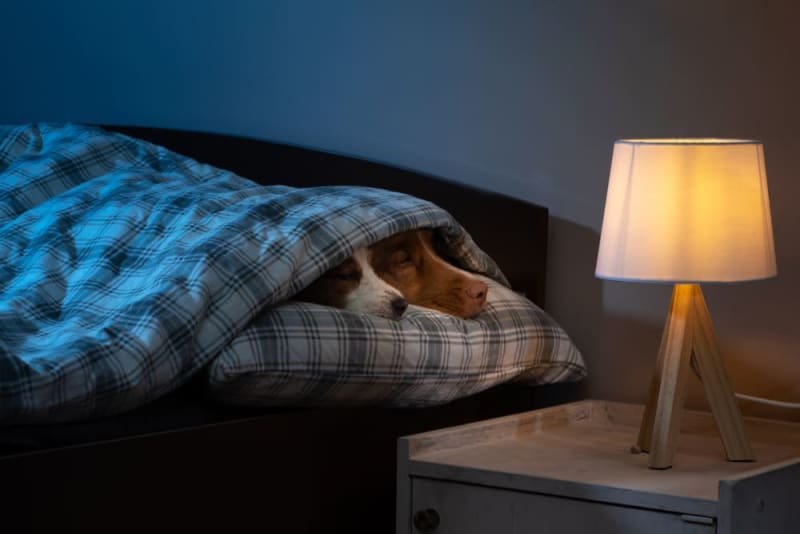
Excessive dog panting at night may signal heat, anxiety, pain, or an underlying medical issue.
I’ve spent years working alongside veterinarians and caring for anxious and senior dogs, so I know how unnerving night panting can be. This article covers why your dog is panting at night, what to watch for, immediate steps you can take, and when to seek veterinary care. Read on for clear, practical advice rooted in real-world experience and clinical best practices to help your dog rest easier tonight.

Why dogs pant at night
Dogs pant to cool down, relieve stress, and manage pain. At night, panting may look more alarming because it happens during quiet hours. Some panting is normal when a dog wakes from a dream or shifts positions. Persistent or loud panting during sleep or rest deserves attention.
Common reasons you might see dog panting at night
- Heat and poor airflow in the bedroom.
- Recent exercise or excitement before bed.
- Anxiety, separation stress, or bad dreams.
- Pain from injury, arthritis, or dental issues.
- Respiratory or heart problems that worsen at rest.
Watch for patterns. If the panting is tied to heat or a noisy dream, it may be short-lived. If it is frequent, prolonged, or paired with other signs, it could be medical. I use simple checks at home to decide whether to monitor or rush to the vet.
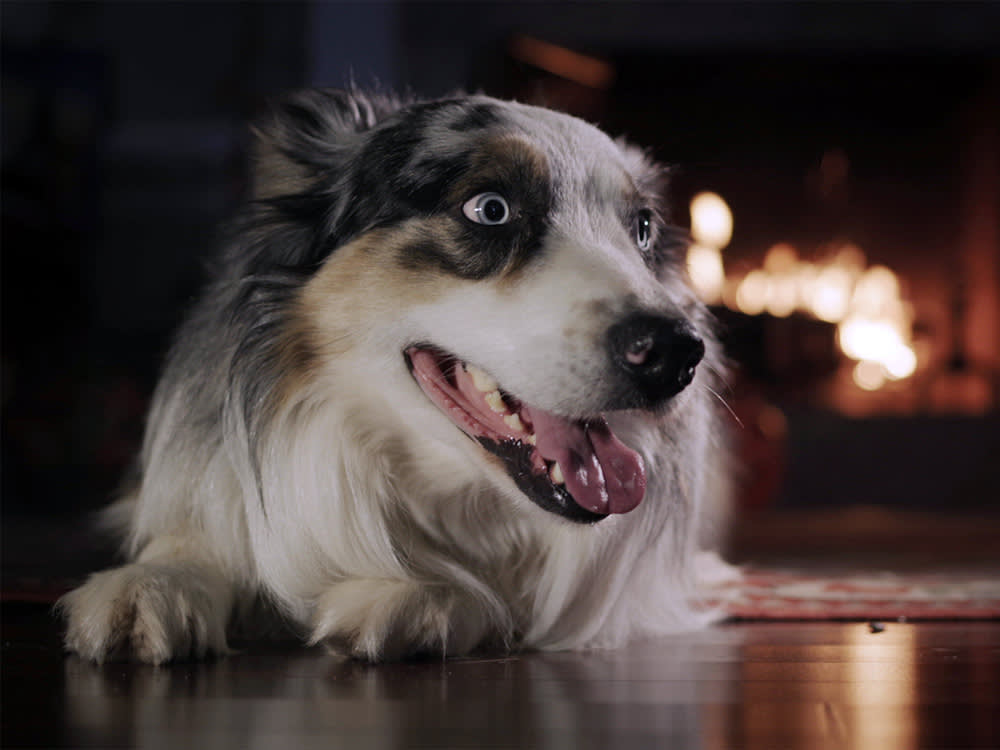
Night-specific triggers and scenarios
Nighttime brings unique triggers that raise breathing and stress levels in dogs. Darkness, quieter surroundings, and disrupted routines can all make a dog more alert or anxious. Senior dogs often pant at night because they feel disoriented or uncomfortable.
Examples of night triggers
- Room temperature rising due to covers or poor ventilation.
- New sounds outside that spike anxiety, especially in shy dogs.
- Increased pain when lying down or standing after rest.
- Medications taken in the evening that affect breathing or temperature.
A cool, calm sleeping area can cut down on panting from environmental causes. Simple routine tweaks often help quickly.

Medical causes and red flags
Some medical problems can cause dog panting at night. These require prompt assessment and, in some cases, urgent care.
Medical causes to consider
- Respiratory disease such as pneumonia, collapsing trachea, or brachycephalic airway syndrome.
- Cardiac disease leading to poor oxygenation and nocturnal panting.
- Pain from arthritis, injury, or internal issues.
- Endocrine disorders such as Cushing’s disease or thyroid imbalance.
- Fever, infection, or systemic illness raising body temperature.
Red flags — seek immediate vet attention if your dog shows any of these
- Blue or pale gums and tongue.
- Collapse, severe weakness, or unresponsiveness.
- Difficulty breathing, noisy breathing, or open-mouth breathing at rest.
- Continuous panting for more than 30 minutes without calming.
- Vomiting blood, bleeding, or sudden severe lethargy.
If your dog fits any of these red-flag signs at night, call your emergency vet right away. Early intervention often improves outcomes.
What to do immediately if your dog is panting at night
When your dog starts panting at night, act calmly and check basic things first. Quick, simple steps can help while you decide on further action.
Immediate steps to take
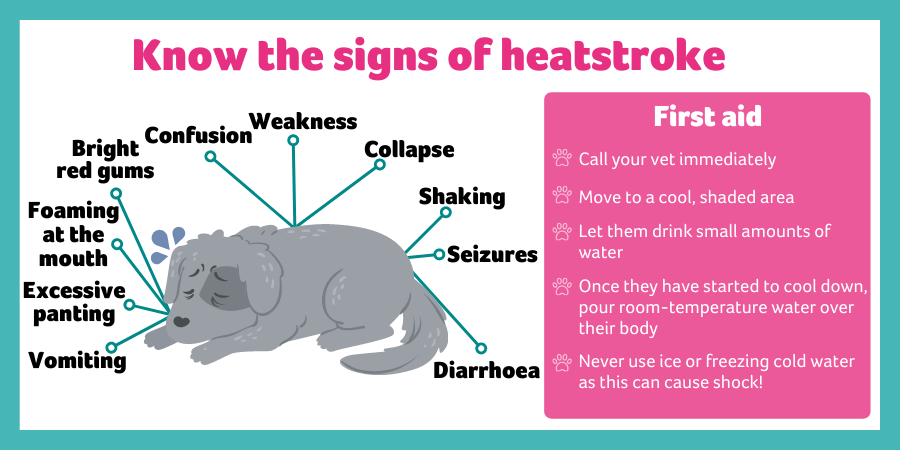
- Move your dog to a cooler spot with good airflow and shade.
- Offer fresh water in small amounts; do not force it.
- Remove heavy bedding or heat-holding materials.
- Gently check gums for color and feel the body for fever or pain.
- Count the respiratory rate: normal resting dogs breathe about 10 to 30 breaths per minute; higher rates may be concerning.
If panting does not ease within 15–30 minutes or is paired with red flags, contact your vet or emergency clinic. Keep notes on how long the panting lasts and any other symptoms to report.

How vets diagnose and treat night panting
Veterinarians use a stepwise approach to find the cause of dog panting at night. Diagnosis balances history, physical exam, and targeted testing.
Typical diagnostic steps
- Detailed history focused on onset, patterns, and triggers.
- Physical exam emphasizing lungs, heart, temperature, and pain points.
- Blood tests to check for infection, organ function, and endocrine issues.
- Chest x-rays or ultrasound for heart and lung evaluation.
- Advanced tests like echocardiogram or laryngeal exam when needed.
Common treatments depend on the cause
- Cooling, fluids, and rest for heat exhaustion.
- Pain meds and joint support for arthritis-related panting.
- Antibiotics for infections and specific therapies for cardiac disease.
- Behavior modification and short-term anti-anxiety medication for stress-related panting.
- Surgery in selected cases like severe airway obstruction.
Always follow your veterinarian’s instructions and ask for clear home-care steps. Timely diagnosis helps prevent nighttime episodes from becoming chronic.
Preventing night panting: long-term care and habits
Prevention focuses on comfort, routine, and ongoing health. Small changes cut back on episodes and improve your dog’s sleep quality.
Practical prevention tips
- Keep sleeping areas cool and well-ventilated with a fan or open window.
- Use breathable bedding and remove heavy blankets if dog overheats.
- Maintain a regular evening routine to reduce anxiety before bed.
- Manage weight and exercise schedule—avoid heavy exercise right before sleep.
- Schedule regular vet checkups and monitor chronic conditions closely.
Long-term care also includes monitoring medications and adjusting environment as dogs age. Prevention reduces emergency visits and improves life quality for both of you.

Personal experiences and lessons learned
I’ve helped anxious dogs and senior companions who panted nightly at first. One rescue dog would pant every night when fireworks started; we treated anxiety with training, a thunder vest, and a white-noise machine. Another senior husky panting at night improved after pain meds and a softer bed.
Lessons that helped
- Small environmental fixes often cut episodes quickly.
- Tracking patterns for a week provides valuable clues to your vet.
- Trust your instincts; owners notice subtle changes before tests show them.
- Never ignore new, persistent panting — early care is better than delayed action.
These practical steps come from hands-on experience and collaboration with clinicians. They work repeatedly in everyday cases.

Frequently Asked Questions of dog panting at night
Why is my dog suddenly panting at night but fine during the day?
Sudden night panting can be triggered by heat, anxiety, or pain that worsens when the dog lies down. If it recurs or is severe, have a vet evaluate for medical causes.
Can fear or bad dreams make a dog pant at night?
Yes. Dogs can pant during stressful dreams or if they wake startled. If panting is brief and the dog settles quickly, it’s likely stress-related.
How do I measure my dog’s respiratory rate at night?
Count the full breaths (one in, one out) for 60 seconds while the dog is at rest or asleep. Normal resting rates are typically 10 to 30 breaths per minute for many dogs.
Is panting at night a sign of heart problems?
It can be. Heart disease can reduce oxygenation and cause nocturnal panting, especially when lying down. A vet exam and chest imaging can help diagnose cardiac causes.
My brachycephalic dog pants a lot at night. Is surgery needed?
Many short-nosed breeds have airway issues that cause noisy or excessive panting; surgery helps some dogs, but not all need it. A specialist evaluation will clarify whether surgery, weight loss, or medical therapy is best.
When should I go to the emergency vet for night panting?
Go immediately if your dog has blue gums, collapse, severe difficulty breathing, or continuous panting that won’t calm. These signs may indicate an emergency requiring urgent care.
Can medications cause night panting?
Yes, some drugs can raise body temperature or anxiety and lead to more panting. Review any new or changed medications with your vet if night panting starts after a prescription change.
Conclusion
Dog panting at night ranges from harmless dreaming to signals of serious illness. Monitor patterns, check simple environmental causes, and act quickly if red-flag signs appear. Use the steps here to calm your dog tonight and gather useful observations for your vet. Take action: adjust the sleep environment, track episodes, and schedule a vet visit if panting is frequent or severe. Share your experiences below or subscribe for more practical pet health guides.
