
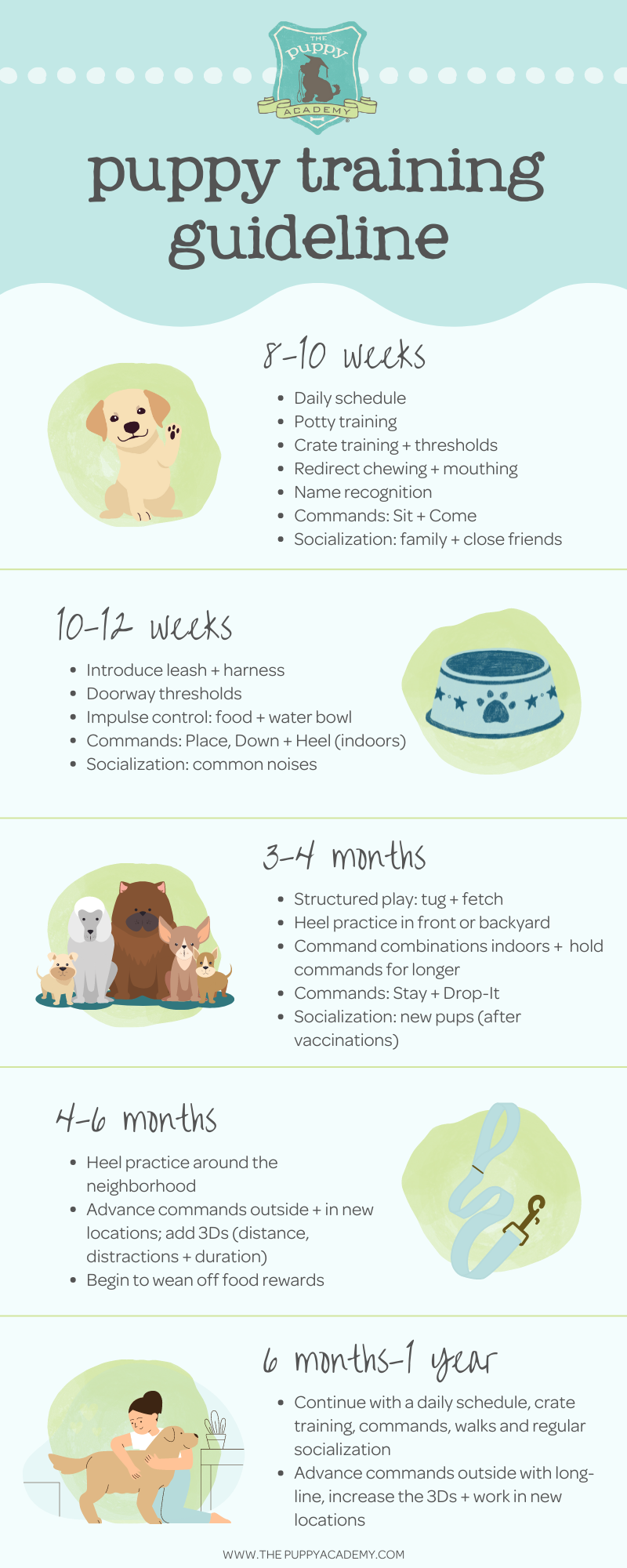
Most dogs learn through clear stages: routine, reinforcement, independence, and troubleshooting.
I’ve trained dozens of dogs and studied behavior patterns, so this guide breaks down the dog potty training stages into clear steps you can use today. You’ll get practical timelines, easy routines, common pitfalls, and real-life tips from my experience to help your dog move through each stage smoothly and confidently. Read on to learn each stage, what to expect, and how to accelerate progress with simple, proven methods.
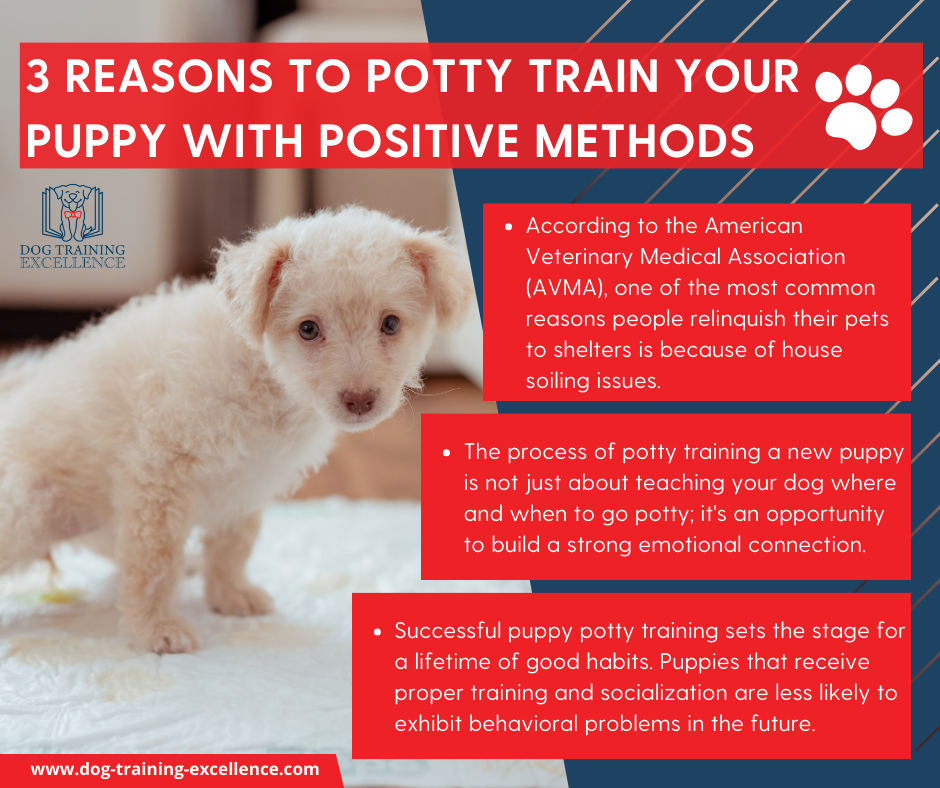
Understanding dog potty training stages
Dog potty training stages map how a puppy or adult dog learns where and when to eliminate. Each stage has a goal, common behaviors, and training actions you can take. Knowing the stages helps you set realistic expectations and respond correctly when accidents happen.
Typical dog potty training stages include:
- Preparation and observation
- Building routine and location training
- Reinforcement and fading cues
- Independence and longer holds
- Troubleshooting and relapse management
I’ll explain each stage, give timelines, and share tools and tactics that worked for me and many owners. This way you can move steadily from accidents to confident outdoor or indoor success.
Stage 1 — Preparation and observation (first days to 2 weeks)
Goal: Learn your dog’s signals and establish a safe space.
Signs: Sniffing, circling, sudden pauses, whining, sudden acts toward the door.
What to do:
- Set up a crate or confined area for the dog to reduce free-roam accidents.
- Observe elimination patterns: after sleep, play, eating, or drinking.
- Start a feeding and potty schedule right away.
Practical example from experience:
When I brought home a 10-week puppy, I watched for 10 minutes after each meal. That quick observation revealed a 20–30 minute window when the puppy needed to go. Knowing that saved many accidents.
Common mistakes:
- Letting the dog roam unsupervised too soon.
- Skipping routine observation and assuming all dogs follow the same schedule.
Stage 2 — Establishing routine and location (weeks 1–4)
Goal: Teach where to go and when to go.
Steps:
- Choose a consistent potty spot outdoors or a specific indoor pad.
- Take the dog to the spot right after waking, after meals, and every 1–2 hours for young puppies.
- Use a short cue phrase like “go potty” and reward immediately after elimination.
Training tips:
- Keep outings calm and focused — no long play before the potty.
- Praise and reward within 2 seconds of the action so the dog links the reward to the right behavior.
- Use a consistent door, leash, and pathway for the first few weeks to build a strong mental map.
Personal tip:
I used a small pouch of treats and a bell by the door. The bell became a reliable signal the dog learned to ring to ask to go out. It took about two weeks to work consistently.
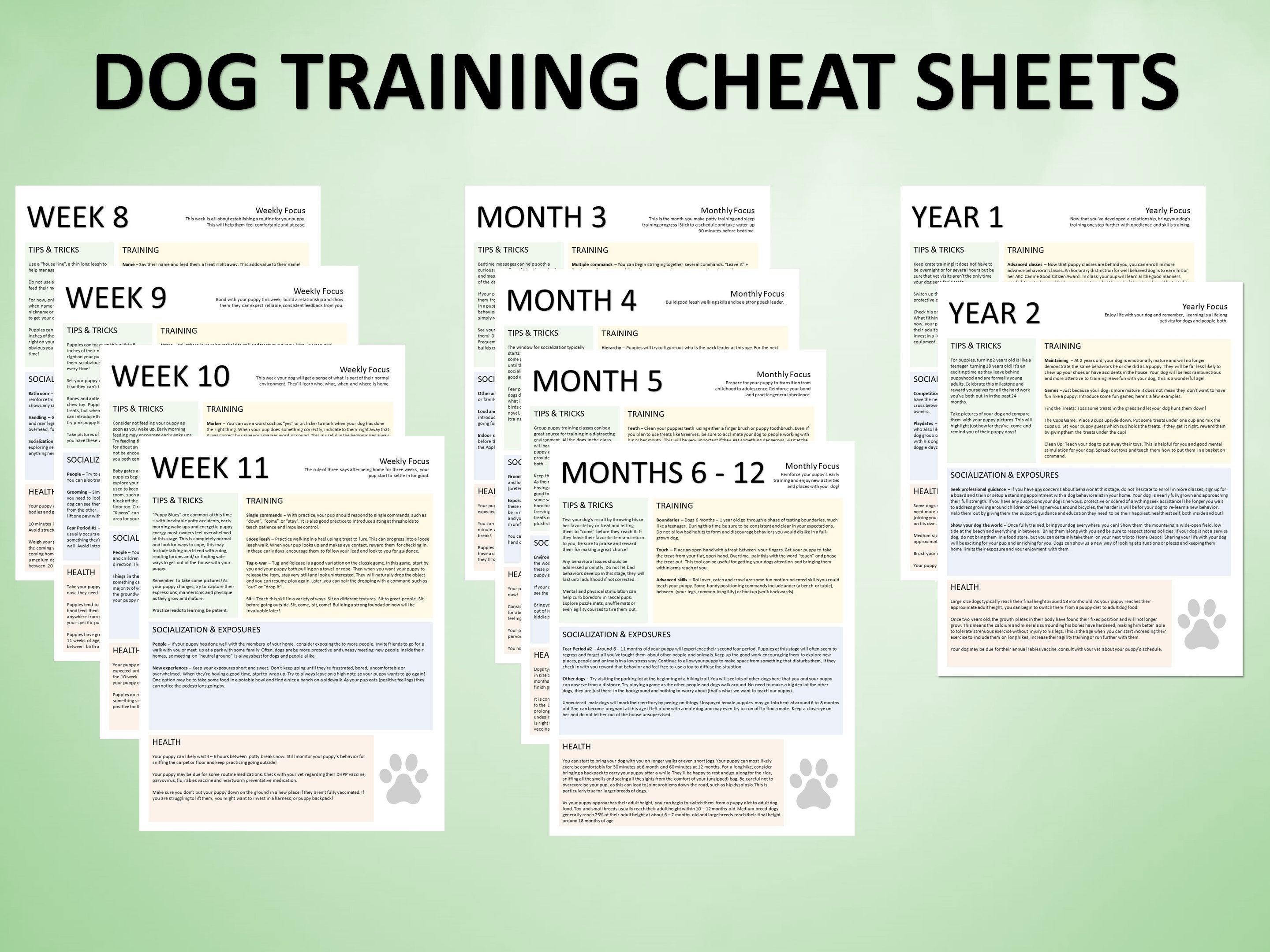
Stage 3 — Learning and reinforcement (weeks 3–8)
Goal: Reinforce success and start to lengthen time between breaks.
What this stage looks like:
- Fewer accidents in the living area.
- Dog begins to show reliable signals or goes to the door.
- Ability to wait longer between potty breaks, gradually.
How to shape behavior:
- Reward the desired action every time at first. Then move to a variable reward schedule.
- Praise quietly for intermediate gains. Make rewards meaningful: very tasty treats or short play sessions.
- Start practicing “wait” and “sit” before leaving for the potty spot for safety and impulse control.
Example:
A 4-month-old I trained went from needing outings every 45 minutes to lasting 3–4 hours by week six, after gradual increases and consistent rewards. This worked because we tracked progress and adjusted only when the dog succeeded.
Stage 4 — Independence and longer holds (2–6 months)
Goal: Dog reliably waits to go outside and rarely has accidents.
What to expect:
- Nighttime holds improve as bladder control strengthens.
- Dog can be left alone for longer with a reduced risk of accidents.
- Cues may be reduced; routine becomes internalized.
How to encourage independence:
- Gradually increase time between breaks by 15–30 minutes every few days.
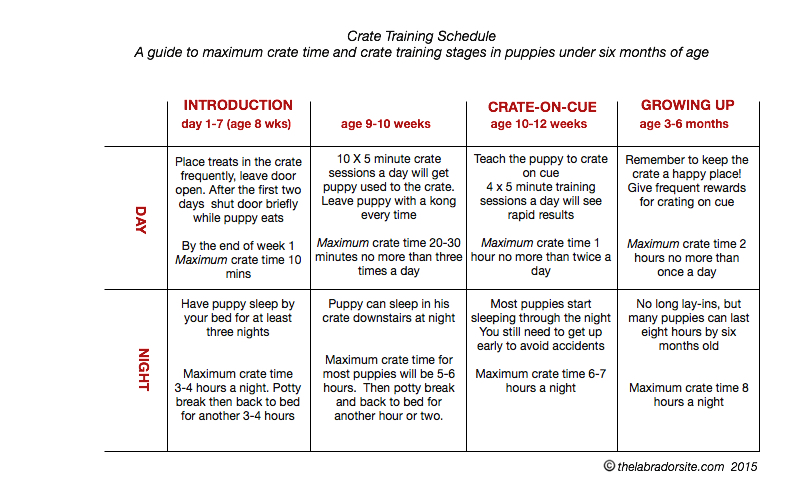
- Use crate training to build safe alone time and bladder control.
- Avoid testing limits aggressively; progress should be steady.
Things to watch for:
- Stress, schedule changes, or illness can cause setbacks.
- Puppies mature at different rates; large breeds may take longer to finish this stage.

Stage 5 — Troubleshooting and relapse management (ongoing)
Goal: Identify causes of accidents and correct them quickly.
Common causes of relapse:
- Medical issues like urinary tract infections.
- Anxiety from changes in environment.
- Inconsistent routines due to owner's schedule changes.
Steps to troubleshoot:
- Rule out medical issues with a vet if accidents start suddenly.
- Re-establish a tighter routine for a week: more frequent outings and supervised time.
- Use enzymatic cleaners to remove scent markers that encourage repeat elimination.
From experience:
A dog I trained had sudden accidents after a move. Restoring the old routine and increasing potty breaks for a week solved the problem. Patience pays off when life disrupts training.

Tools and supplies for each dog potty training stage
Useful items:
- Crate sized for comfort to encourage bladder control.
- Leash for consistent outdoor trips.
- Treats that the dog loves for immediate rewards.
- Enzymatic cleaner to remove odors after accidents.
- Potty bells, pads, or indoor grass patches if needed.
How to choose:
- Use a crate that allows standing and turning.
- Pick treats that are fast to eat so you can reward and move on quickly.
- Buy a jar or spray of enzyme cleaner before training begins to avoid lingering odors that invite repeats.

Sample training schedule and timeline
Puppy 8–12 weeks:
- Wake up — immediate outside.
- After meals — 5–15 minutes outside.
- Every 45–60 minutes while awake.
- Before bed and once at night if needed.
Puppy 3–6 months:
- Wake up — outside.
- After meals — outside.
- Every 2–3 hours.
- Nighttime gradually stretches to 6–8 hours.
Adult dog:
- Morning, midday, evening, and before bed.
- Take breaks aligned with walks and play sessions.
- Adjust schedule to your dog’s behavior and health.
Keep a log for 7–10 days to find the pattern, then adjust timing.

Positive reinforcement and behavior shaping
Principles:
- Reward quickly and specifically after a correct potty action.
- Use a simple cue phrase and consistent rewards.
- Slowly reduce the treat frequency but keep praise high.
Effective methods:
- Clicker training to mark the exact moment of success.
- Variable rewards to maintain strong behavior.
- Ignore small mistakes without punishment so the dog retains confidence.
Mistakes to avoid:
- Punishing accidents — this causes fear and hides signals.
- Rewarding too late — the dog then links the reward with the wrong behavior.
When to seek help
Seek professional help if:
- Accidents start suddenly without schedule changes.
- Dog shows signs of pain, blood in urine, or frequent small leaks.
- Training stalls for months despite consistent effort.
Who to consult:
- Veterinarian to rule out medical problems.
- Certified professional dog trainer for behavior strategies.
- Applied animal behaviorist for complex anxiety or marking issues.
Early help can save time and reduce stress for you and your dog.
Frequently Asked Questions of dog potty training stages
How long do dog potty training stages usually take?
Most dogs move through the main stages in 2–6 months, but full consistency can take longer for large breeds or dogs with medical issues.
At what age do puppies usually stop having accidents?
Many puppies show reliable control by 4–6 months, though night-time control may take longer, especially in larger breeds.
What if my adult dog suddenly starts having accidents?
First check with a vet for medical issues. If healthy, reintroduce a strict routine and supervise closely to identify behavioral triggers.
How can I speed up progress through the potty training stages?
Use consistent schedules, immediate rewards, and confined spaces like a crate. Track progress and increase break intervals only after consistent success.
Are crate and pad training both effective through the stages?
Yes. Crate training builds bladder control and confidence, while pads can be a transitional tool for small spaces or apartment living. Both work when used consistently.
What role does punishment play in potty training stages?
Punishment is harmful. It can cause fear and hide signals. Focus on reinforcement and prevention instead.
Conclusion
Dog potty training stages are predictable and manageable when you follow a clear plan: observe, set a routine, reward consistently, and troubleshoot calmly. With patience and a few smart tools, most dogs progress from frequent accidents to reliable independence. Start with small, consistent steps today — track your dog’s patterns, keep rewards immediate, and ask for help early if problems arise. Try the sample schedule, use the troubleshooting tips, and share your progress or questions in the comments below.

Pingback: How To Potty Train Puppy: Quick Steps For Success - pettraiers.com
Pingback: Crate Training A Puppy: Stress-Free Steps For Success - pettraiers.com
Pingback: Puppy Feeding Schedule Guide: Easy Plan For New Owners - pettraiers.com
Pingback: Dog Leash Training Guide: Gentle Steps For Success - pettraiers.com