
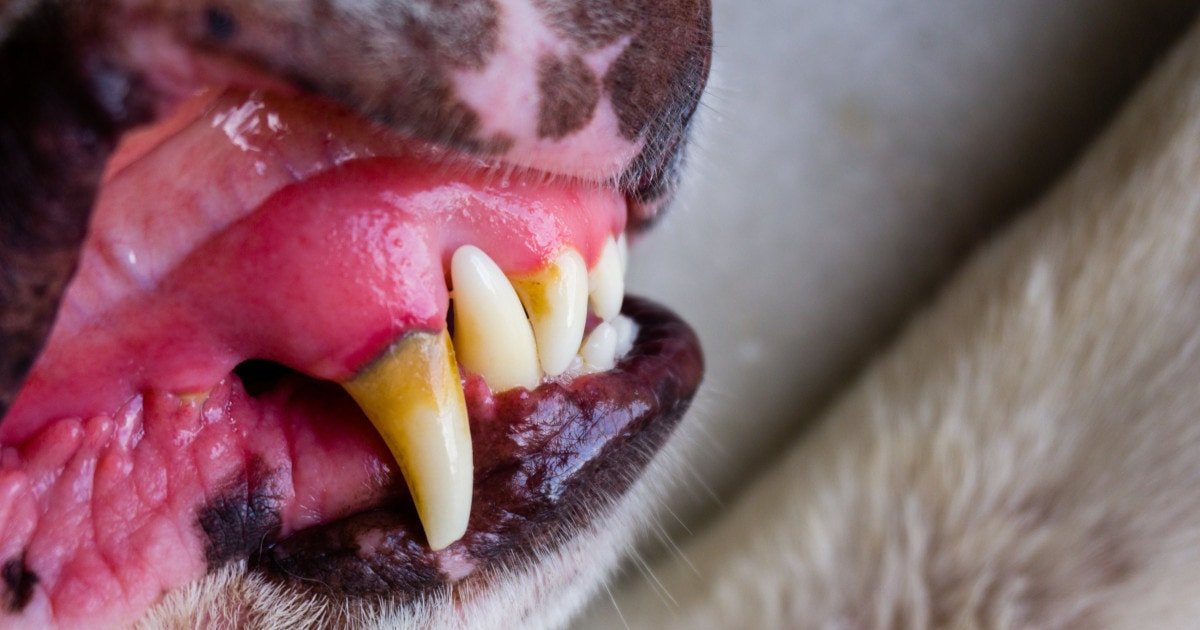
Red, swollen gums in dogs often signal gingivitis, infection, or dental disease and need quick care.
As a veterinary content writer with years of working alongside clinicians and pet owners, I’ve seen how alarming dog red swollen gums can be. This guide breaks down causes, signs, diagnosis, treatment, and real-world tips so you can act fast and confidently. Expect practical steps, vet-backed reasoning, and easy prevention strategies to keep your dog’s mouth healthy.
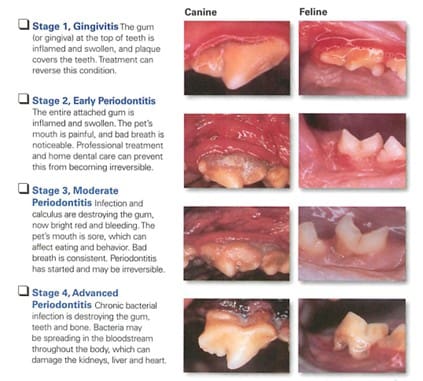
Why dog red swollen gums happen
Dog red swollen gums most often come from inflammation of the gum line. The common medical term is gingivitis. Plaque builds up on teeth and irritates the gums. If plaque is not controlled, it hardens into tartar and causes periodontal disease.
Other causes include:
- Infection from bacteria or fungi.
- Trauma from sticks, bones, or rough toys.
- Foreign bodies stuck in the gums or between teeth.
- Immune-mediated conditions that cause gum inflammation.
- Oral tumors or growths that irritate tissue.
- Underlying systemic illness such as kidney disease or diabetes that affects gum health.
Early gingivitis is reversible with cleaning and care. Advanced periodontal disease needs professional treatment. Knowing the cause helps choose the right care for dog red swollen gums.
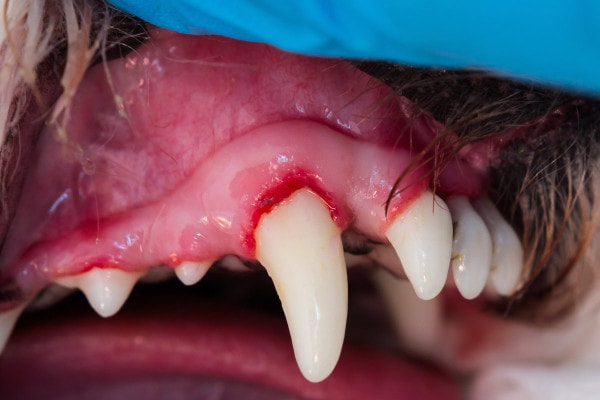
Common symptoms and how to recognize them
Recognizing dog red swollen gums early improves outcomes. Look for these signs:
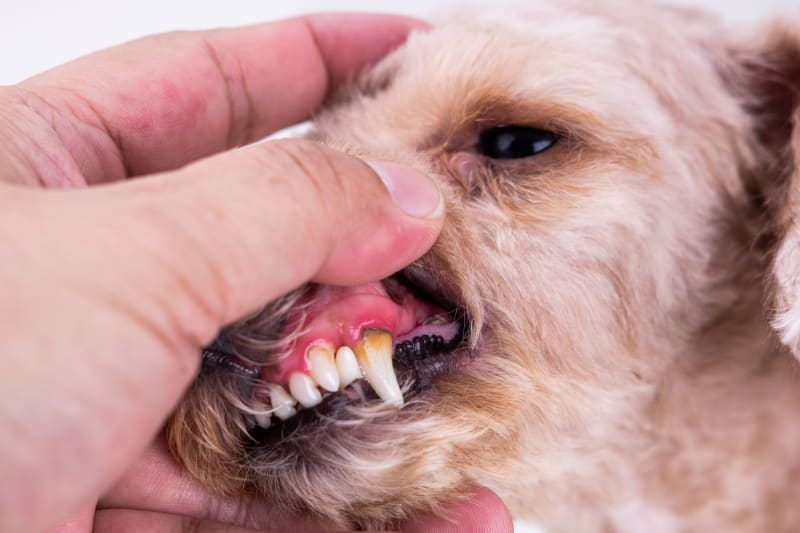
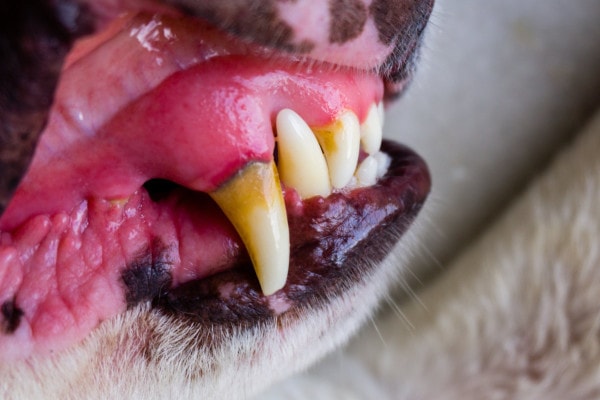
- Bright red or purple gums that look puffy or shiny.
- Bad breath that does not go away after treats.
- Bleeding when your dog chews or when you gently touch the gums.
- Drooling, pawing at the mouth, or dropping food.
- Loss of appetite or favoring one side when chewing.
- Visible tartar buildup, loose teeth, or pus around tooth roots.
Symptoms can be subtle at first. I once missed mild redness in my own dog because the signs were quiet. A quick weekly mouth check made it obvious the next time, and we avoided worse problems by seeing the vet early. Use a flashlight and gentle touch to inspect your dog’s gums safely.
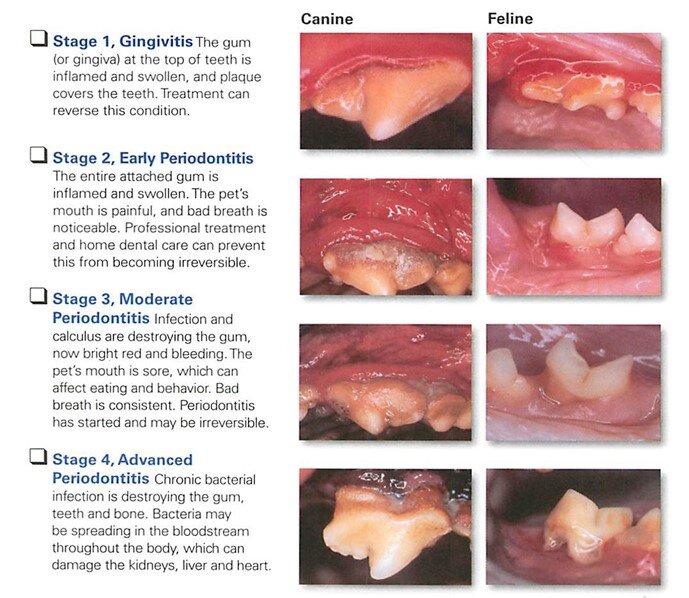
How vets diagnose red swollen gums
Veterinarians use a stepwise approach to diagnose dog red swollen gums. It starts with a full oral exam while your dog is awake, checking gum color, texture, and any bleeding. If the vet suspects deeper disease, the next steps often include:
- Dental X-rays under sedation to see below the gum line.
- Periodontal probing to measure pockets between tooth and gum.
- Swabs or biopsies if ulcers, unusual lesions, or tumors are present.
- Blood tests if a systemic disease is suspected.
Diagnosis guides treatment choices. For example, surface gingivitis may respond to cleaning and home care. Deep periodontal disease often requires extractions and antibiotics. Trust the vet’s plan and ask about the reasons for each test.
Treatment options: professional care and safe home steps
Treatment varies by cause and severity. Common professional options include:
- Professional dental cleaning under anesthesia to remove plaque and tartar.
- Tooth extractions if roots are infected or teeth are loose.
- Antibiotics for bacterial infection and anti-inflammatories for pain.
- Surgery for tumors or significant trauma.
Home care can support recovery and prevent recurrence:
- Start gentle tooth brushing with canine toothpaste as advised by your vet.
- Offer vet-approved dental chews or toys that reduce plaque.
- Switch to dental-focused diets if recommended.
- Rinse the mouth with vet-prescribed antiseptic solutions when instructed.
- Keep foreign objects like sharp sticks out of reach.
When using home remedies, avoid human products unless your vet approves them. I once used a vet-formulated oral gel on a dog with mild gingivitis and saw clear improvement within two weeks. Consistent daily care matters more than occasional treatments.
Prevention and daily oral care routine
Preventing dog red swollen gums is simpler than treating severe disease. A routine keeps gum health steady. Key steps:
- Brush your dog’s teeth daily or several times a week with canine toothpaste.
- Schedule regular dental exams with your vet, at least once a year.
- Use approved dental chews, water additives, or diets to reduce plaque.
- Inspect your dog’s mouth weekly for early redness or bad breath.
- Avoid chewing hazards like thin sticks or small bones that can injure gums.
Start slow with brushing. Use short sessions and reward your dog. Gradual training makes daily care a stress-free habit. Prevention saves money and reduces pain for your dog.
When to seek emergency care
Some signs mean you should call the vet right away:
- Heavy bleeding from the mouth or face swelling.
- Sudden refusal to eat and signs of severe pain.
- Rapid breathing, collapse, or signs of shock after facial trauma.
- Pus or a large abscess on the gum or face.
- Any sign that an oral tumor is growing quickly.
These symptoms could indicate severe infection, jaw fracture, or systemic illness. Quick veterinary attention can prevent life-threatening complications.
Personal experience and practical tips
I’ve cared for many dogs with dog red swollen gums during my time in clinics. A few lessons stand out:
- Start dental care when dogs are puppies to build tolerance. Puppies adapt quickly and adult care becomes easy.
- Use positive reinforcement. Treats and praise make mouth checks low stress.
- Keep a dental kit with a soft brush, canine toothpaste, and antiseptic rinse at home.
- Note changes in eating, chewing, or behavior; these often show oral pain before you see swelling.
- Ask your vet for a demonstrative session so you can learn safe tooth brushing and oral checks.
One dog I worked with had chronic gingivitis that improved after switching to a tailored dental diet and a daily brush routine. It cut visits and made the dog happier at mealtime.

Frequently Asked Questions of dog red swollen gums
What causes red swollen gums in dogs?
Most cases stem from plaque and gingivitis. Other causes include infection, trauma, foreign bodies, immune disease, or tumors.
Can red swollen gums go away on their own?
Mild gingivitis can improve with proper cleaning and home care. Advanced periodontal disease usually needs professional dental treatment.
Are dental chews enough to prevent swollen gums?
Dental chews help reduce plaque but are not a substitute for brushing and regular vet exams. Combine chews with daily brushing for best results.
How soon should I see a vet for red swollen gums?
See a vet if swelling, bleeding, bad breath, or pain appear. Early evaluation prevents progression to severe disease.
Is anesthesia safe for dental cleaning in dogs with swollen gums?
Anesthesia is common and usually safe when vets perform pre-anesthetic checks. It allows thorough cleaning and X-rays to treat underlying issues.
Can diet affect my dog’s gum health?
Yes. Certain dental diets help reduce tartar buildup and support oral health. Your vet can recommend the best option for your dog’s needs.
Will antibiotics cure red swollen gums?
Antibiotics treat bacterial infection but do not remove tartar or fix advanced periodontal disease. They are often part of a broader treatment plan.
Conclusion
Dog red swollen gums are a common but treatable problem that deserves prompt attention. Spotting redness early, seeking veterinary advice, and starting a simple daily care routine can prevent pain and tooth loss. Take action today: check your dog’s mouth regularly, talk to your vet about a dental plan, and start gentle brushing to protect your dog’s smile. Share your experience or questions below, and consider subscribing for more practical pet health tips.
