
Dog seizures are most often caused by genetics, toxins, brain disease, metabolic issues, or unknown factors.
As a veterinary writer and dog owner who has helped pets through seizures, I know how scary it can be to watch your dog convulse. This article dives into dog seizures causes with clear, practical steps and expert-backed advice. You will learn what causes seizures, how vets diagnose them, treatment options, and what you can do at home to help your dog. Read on for simple explanations, real-life tips, and tools to keep your dog safer and calmer.
:strip_icc()/If-your-dog-has-a-seizure-1117423_final-a65066098f2742daa2427e19fc454e2a.jpg)
What are seizures in dogs?
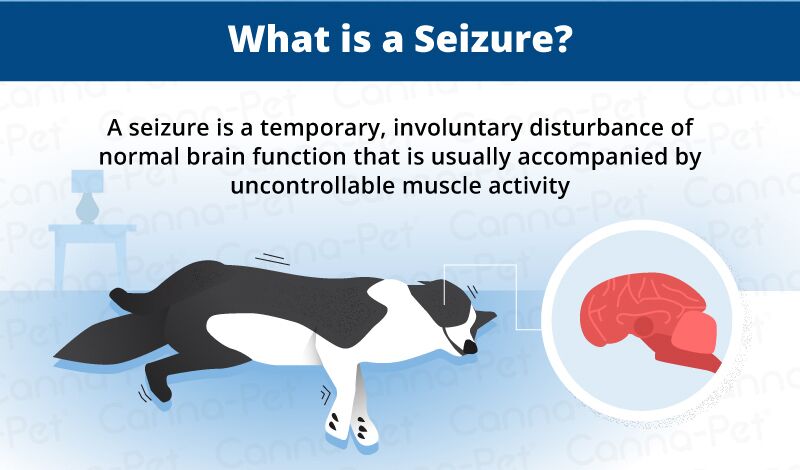
Seizures are sudden changes in a dog’s behavior, movement, or awareness.
They come from abnormal electrical activity in the brain.
Seizures can last seconds or minutes.
Some dogs have one seizure in their life. Others have many.
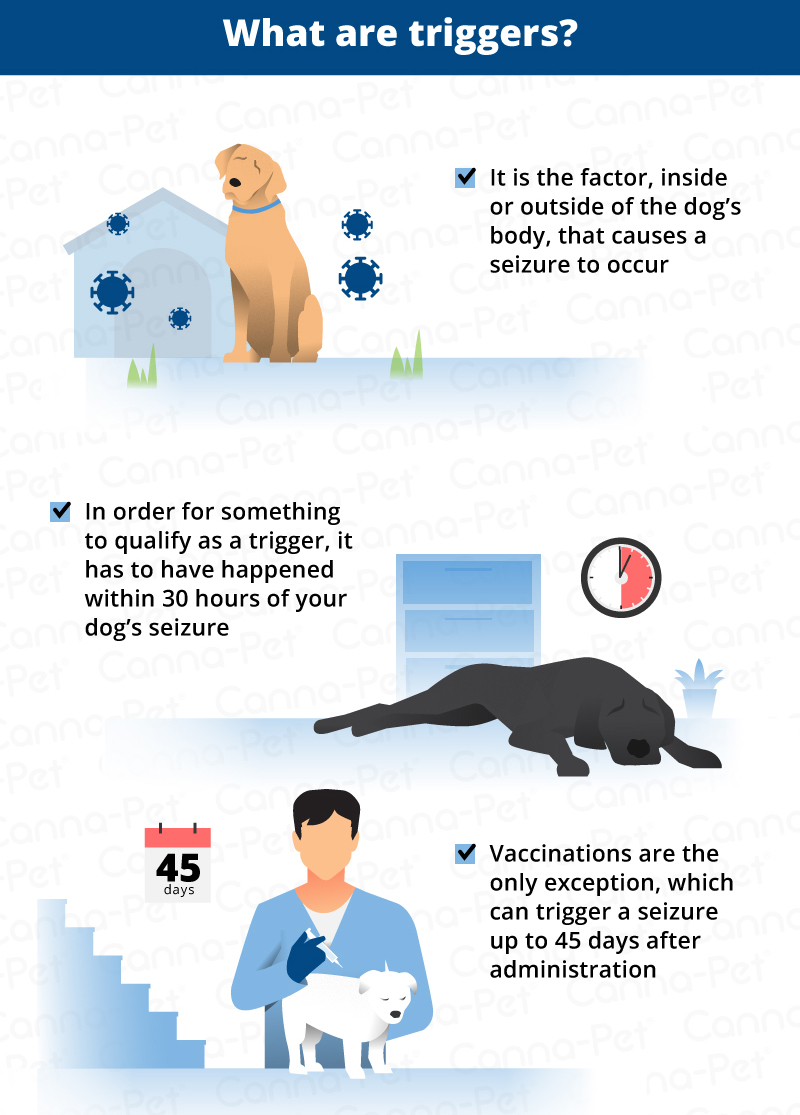
Types of seizures
- Focal seizures affect one part of the body. They can cause twitching or strange behaviors.
- Generalized seizures affect the whole body. They can cause stiffening, paddling, drooling, and loss of consciousness.
- Cluster seizures mean several seizures in 24 hours. They need quick care.
- Status epilepticus is a seizure that lasts more than five minutes or back-to-back seizures without recovery. This is an emergency.

Common dog seizures causes
Understanding dog seizures causes helps owners act fast and get right care. Causes fall into broad groups. Each group needs a different approach.
- Idiopathic epilepsy: This is a genetic or unknown cause common in many breeds. Dogs often show signs between six months and five years.
- Structural brain disease: Tumors, trauma, strokes, or birth defects can interrupt brain function and cause seizures.
- Metabolic causes: Low blood sugar, liver disease, kidney failure, or electrolyte imbalances can trigger seizures.
- Toxins and poisons: Many household and garden toxins cause seizures. Examples include xylitol, rodenticides, certain human meds, insecticides, and some plants.
- Infectious and inflammatory disease: Brain infections or inflammation from viruses, bacteria, or immune conditions can cause seizures.
- Vascular events and hypoxia: A lack of oxygen or a blood clot to the brain can cause sudden seizures.
- Heatstroke and extreme conditions: Overheating or severe dehydration can lead to seizures.
- Unknown causes: Some dogs have seizures with no clear cause despite tests; these are labeled as unknown or idiopathic.

How vets diagnose dog seizures causes
A clear history and exam are the start. Vets ask about your dog’s age, when seizures began, and seizure details. Video of a seizure is very helpful.
Common diagnostic steps:
- Blood tests to check sugar, liver, and kidney values.
- Bile acids or specific metabolic tests for liver disease.
- Thyroid tests if metabolic disease is suspected.
- Imaging such as MRI or CT to look for structural brain disease.
- Cerebrospinal fluid tests when infection or inflammation is possible.
- Toxicology screens if a poison is suspected.
- Electroencephalogram (EEG) helps in some cases to study brain waves.
Many tests are simple. Some need a specialist. A clear diagnosis points to the right treatment for your dog seizures causes.
Treatment options for dog seizures causes
Treatment depends on cause and seizure severity. Some dogs need short-term care. Others need life-long medication.
Key treatment steps:
- Emergency care for severe seizures: stabilize breathing, control body temperature, and give fast-acting meds.
- Anti-seizure medications: Phenobarbital, potassium bromide, levetiracetam, and imepitoin are common choices. Doses are tailored to each dog.
- Treat underlying disease: Surgery for a tumor, detox for poisoning, or dialysis for severe metabolic failure may be needed.
- Adjust medicines and monitor blood levels: Some drugs need regular blood tests for safe use.
- Complementary care: Diet changes and stress reduction can help some dogs.
In my clinic work, adjusting the dose and tracking levels saved many dogs from repeat seizures. Start treatment early once the cause is known or if seizures are frequent.
Home care, first aid, and monitoring
Being ready at home helps reduce harm and stress. Keep a calm plan.
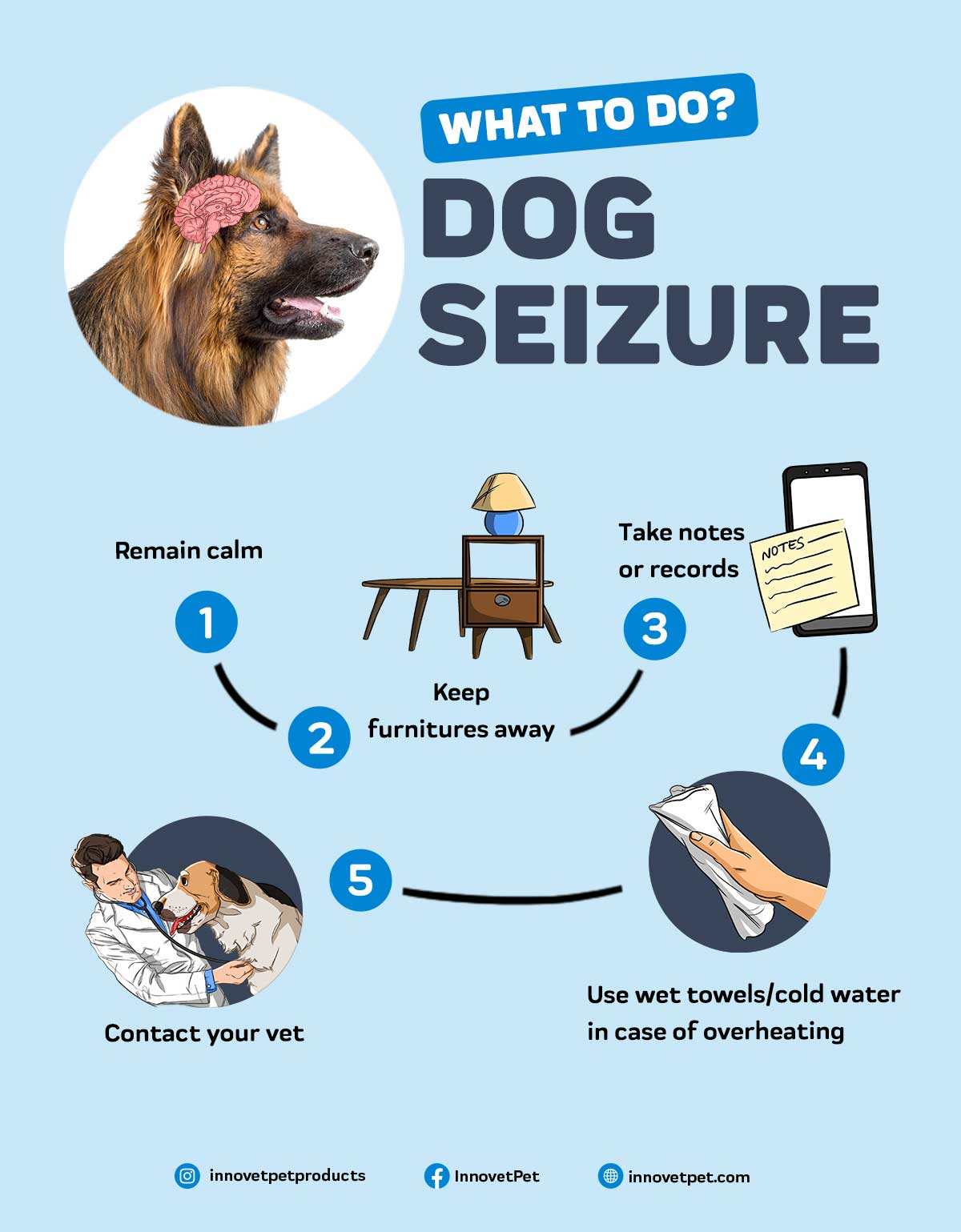
What to do during a seizure:
- Stay calm and keep others back so your dog has space.
- Time the seizure. If it lasts more than five minutes, go to the emergency clinic.
- Move dangerous items away. Do not force the mouth open or put fingers inside.
- Cool a dog that is very hot with cool (not cold) water and a fan if needed.
After a seizure:
- Keep your dog warm and quiet. Offer water when fully alert.
- Note the seizure time, length, and any triggers or symptoms. Keep a seizure log.
- Call your vet to report the event and get next steps. Medication changes may be needed.
A clear log of events helps your vet learn the pattern and choose the right plan for your dog seizures causes.

Prevention and long-term management of dog seizures causes
You cannot prevent all causes, but you can reduce risk and improve life quality.
Practical steps:
- Avoid known toxins: secure medications, foods like xylitol, and rodent baits.
- Keep regular vet checks to spot metabolic disease early.
- Follow medication plans exactly; missed doses can cause breakthrough seizures.
- Manage stress and maintain routine for anxious dogs.
- Consider genetic screening and careful breeding for breeds with hereditary epilepsy.
- Use safety tools: gates, sleep mats, and soft bedding to protect dogs during seizures.
Long-term care focuses on safety, regular testing, and gentle routine to lower triggers tied to dog seizures causes.

Personal experience and lessons learned
When I first treated a dog with sudden seizures, the owner panicked and gave extra medication without calling. The dog got sick from overdosing. I learned to teach owners simple, safe steps and when to seek help.
Lessons to share:
- Keep a seizure kit with vet contacts, a watch, and a log.
- Record a seizure with your phone if you can do so safely—video helps diagnosis.
- Ask your vet how to use emergency meds at home and when to bring your dog in.
- Trust the plan and ask for clear follow-up steps.
These small habits made care smoother and led to better outcomes for the dogs I helped.

Frequently Asked Questions of dog seizures causes
What is the most common cause of seizures in dogs?
Idiopathic epilepsy is the most common cause in young to middle-aged dogs. Older dogs are more likely to have structural causes like tumors.
Can toxins cause seizures in dogs?
Yes. Many common toxins, including xylitol, certain pesticides, and human medications, can trigger seizures quickly. If you suspect poisoning, seek emergency care right away.
Will my dog be cured after one seizure?
Not always. A single seizure may be an isolated event, but repeated seizures often require diagnosis and treatment. Your vet will recommend monitoring and tests.
How soon should I see a vet after a first seizure?
See a vet within 24 to 48 hours for the first seizure or immediately if the seizure lasts more than five minutes or if there are multiple seizures. Early evaluation helps find causes and start treatment.
Are some dog breeds more prone to seizures?
Yes. Certain breeds have higher odds of idiopathic epilepsy. Discuss breed risks with your vet and consider genetic testing when available.
Can diet change help control seizures?
For some dogs, special diets or consistent feeding schedules can reduce triggers. Always talk with your vet before starting a new diet or supplement.
Conclusion
Dog seizures causes range from genetic epilepsy to toxins and brain disease. Quick action, clear records, and good vet care make a big difference. Start by keeping your dog safe during a seizure, recording events, and seeking a timely vet exam. Takeaway: prepare a simple seizure plan, avoid known risks, and get tests if seizures repeat. If this article helped, leave a comment, share your story, or subscribe for more practical pet health guides.
