
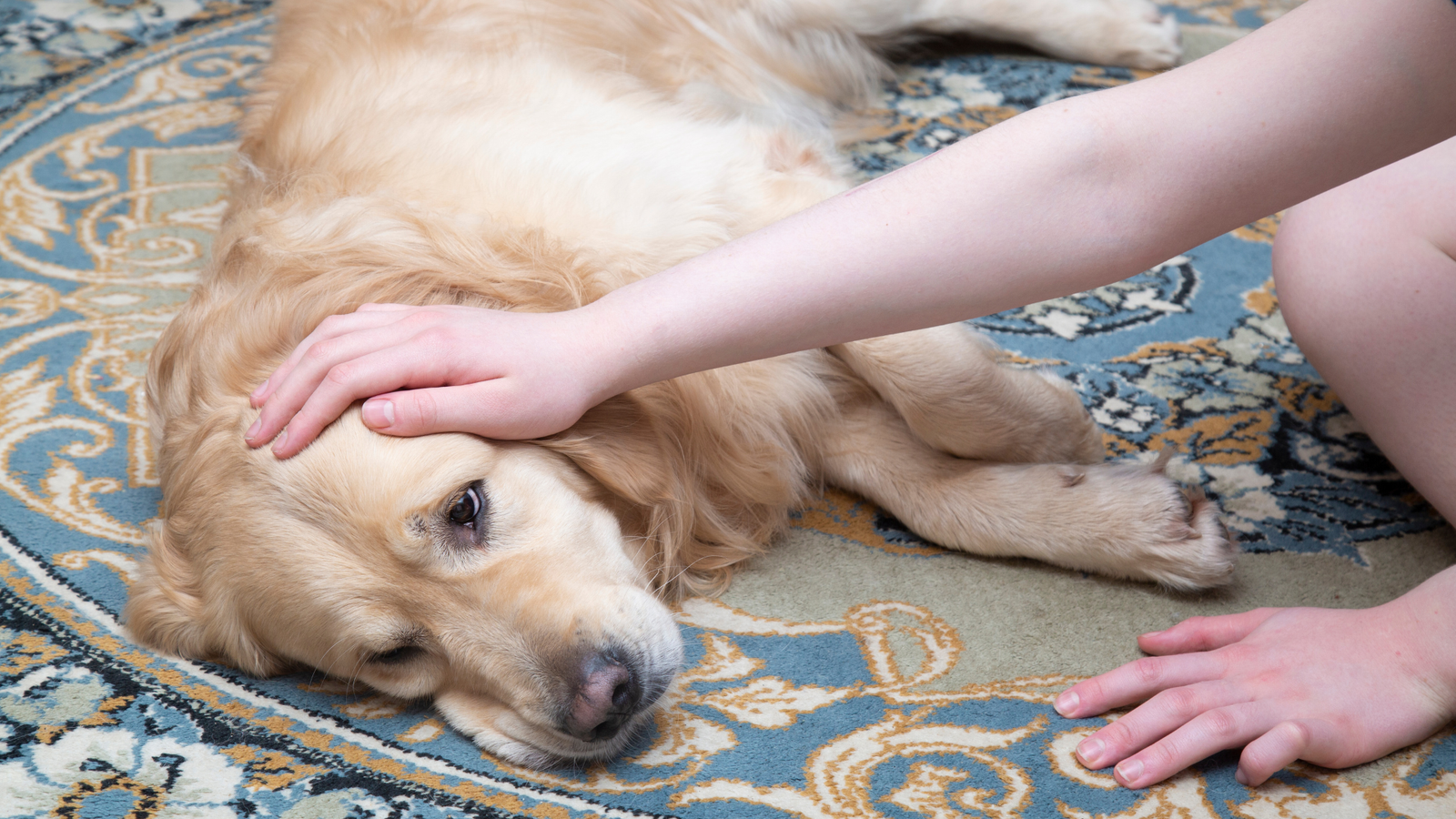
Dog shaking and shivering can mean anything from cold and fear to pain or a serious illness.
I’ve worked with dogs and read the latest veterinary guidance on dog shaking and shivering, and I know how worrying it can feel when your pet trembles. This article explains why dogs shake, when shaking is normal, when it’s a medical emergency, and what you can do at home or with your vet to help. Read on for clear, practical answers and real-life tips to keep your dog safe and comfortable.

Common causes of dog shaking and shivering
Dogs tremble for many reasons. Some are harmless and short-lived. Others point to medical problems that need care.
-
Cold or low body temperature
Dogs shiver to generate heat. Small, thin, or wet dogs shiver faster when cold. -
Fear, stress, and anxiety
New places, loud noises, or separation can trigger shaking from nerves. -
Pain or discomfort
Sudden shaking can show pain from injury, arthritis, or internal problems. -
Illness and fever
Infections or systemic illness can cause shaking and chills. -
Toxic exposure
Certain poisons, human medications, or plant toxins cause tremors. -
Low blood sugar (hypoglycemia)
Puppies and small dogs can shake when glucose falls too low. -
Neurologic issues and seizures
Tremors, ataxia, or repetitive shaking may come from brain or nerve disease. -
Vestibular disease
Inner ear or balance problems can make dogs shake and stagger. -
“Old dog” tremor syndromes
Some older dogs develop tremors linked to age or metabolic change. -
Excitement
Short bursts of shaking can be part of happy or excited behavior.
Understanding the likely cause depends on breed, age, recent events, and other signs. Keep a simple log of when shaking happens to help your vet pinpoint the cause.
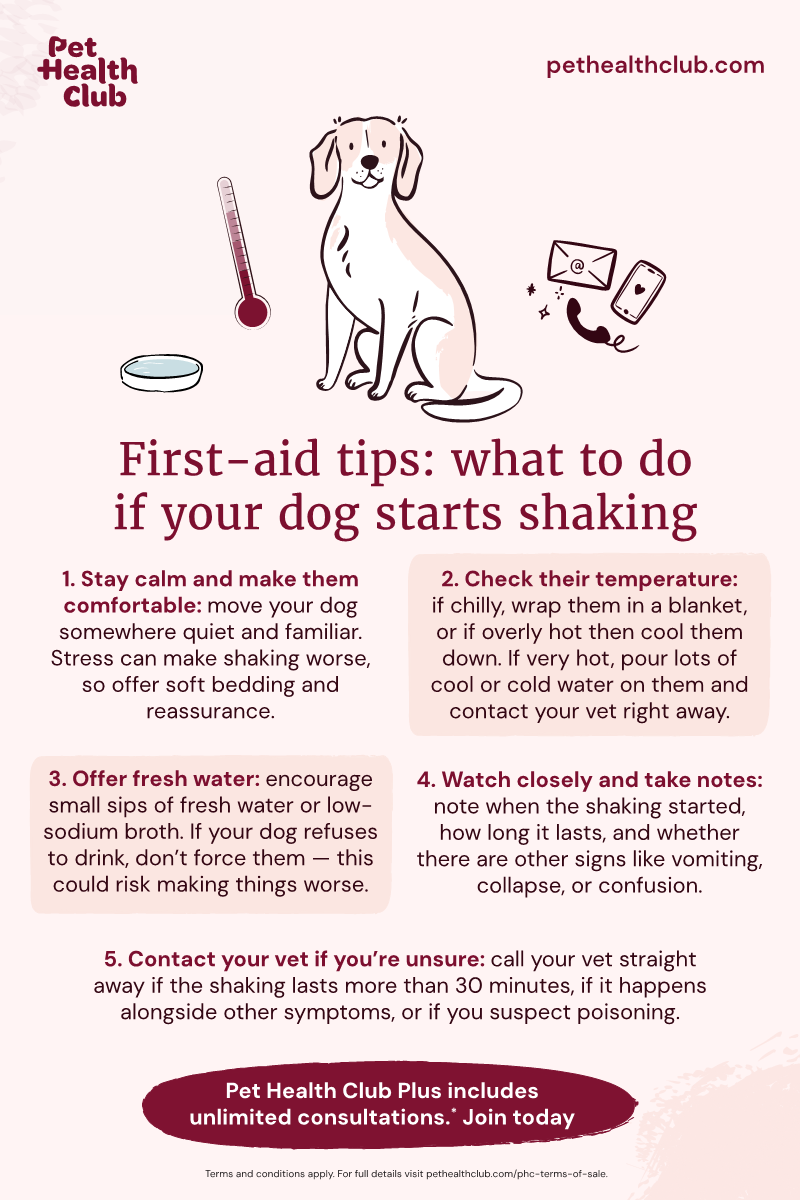
When to seek veterinary care for shaking and shivering
Some shaking is normal. Other times you need fast action. Use these rules of thumb.
-
Seek immediate care if your dog
- collapses, can’t stand, or has a stiff body
- has uncontrolled seizures or continuous shaking
- has trouble breathing, pale gums, or sudden weakness
-
Call your vet within 24 hours if
- shaking happens often or for long periods
- shaking is paired with vomiting, diarrhea, fever, or loss of appetite
- your dog was exposed to a possible toxin
-
It’s safe to monitor at home when
- shaking is brief and linked to cold or excitement
- your dog warms up and behavior returns to normal quickly
When in doubt, contact your veterinary clinic. Fast advice can prevent complications when dog shaking and shivering signal a serious issue.

How veterinarians diagnose causes of shaking
A clear diagnosis helps target treatment. Vets use a stepwise approach.
-
Medical history and physical exam
The vet asks about onset, triggers, frequency, and other signs. A hands-on exam checks temperature, pain, nerves, and reflexes. -
Basic lab tests
Bloodwork and urinalysis can reveal infection, dehydration, liver or kidney problems, and low blood sugar. -
Toxin screening and targeted tests
If poisoning is suspected, the vet may run specific tests or begin decontamination. -
Imaging and neurologic tests
X-rays, ultrasound, CT, or MRI help find internal causes or brain issues when needed. -
Specialist referral
For complex neurologic or chronic tremor cases, a neurologist may offer advanced testing and care.
Clear communication and a detailed history speed diagnosis when your dog shaking and shivering is unexplained or recurring.

Treatment options for shaking and shivering
Treatment depends on what’s causing the shaking. Here are common approaches.
-
Warmth and comfort
For cold-induced shaking, wrap your dog in a towel or blanket and move to a warm area. -
Treat underlying illness
Antibiotics, fluids, anti-inflammatories, or specific drugs treat infections and metabolic issues. -
Pain control
Pain relievers from your vet reduce shaking caused by pain. Never give human pain meds without vet approval. -
Anti-anxiety measures
Behavior modification, training, or short-term medication can help anxiety-based shaking. -
Anticonvulsants and neurologic drugs
Seizure disorders or severe tremor syndromes may need specialized medication. -
Decontamination for toxins
Vets may induce vomiting, give activated charcoal, or provide supportive care for poisoning. -
Long-term management
Diet changes, weight control, joint supplements, and environmental enrichment can reduce chronic shaking.
Always follow your vet’s instructions. Quick, appropriate treatment changes outcomes when dog shaking and shivering reflect medical problems.

Home care and prevention strategies
You can reduce episodes of shaking with good routines.
-
Keep your dog warm
Use coats for short-haired breeds in cold weather and dry them quickly after baths. -
Reduce stress
Create calm spaces, use predictable routines, and practice desensitization for noise fears. -
Avoid toxins
Store medications, chemicals, and toxic foods out of reach and watch garden plants. -
Feed regular meals
Small dogs and puppies benefit from frequent meals to prevent low blood sugar. -
Exercise and enrichment
Mental and physical activity lower anxiety and reduce stress-related shaking. -
Monitor medications
Note side effects and report new shaking to your vet after starting medicine. -
Keep a shaking log
Note time, duration, triggers, and other signs to share with your vet. This small habit often reveals patterns.
These steps cut down many common causes of dog shaking and shivering and improve overall health.

Personal experience and practical tips
Years of working with dogs taught me how context matters. I once had a terrier who shivered after grooming. At first I worried it was neurologic. I learned it was a stress response to the dryer noise. A few slow desensitization sessions and a warm towel helped completely.
Tips I use myself and share with owners:
- Note exactly when shaking happens and what changed before it started.
- Try to calm the dog with a quiet voice and gentle touch before assuming a medical emergency.
- Prepare a small emergency kit: towel, blanket, carrier, and your vet’s number.
- When your vet prescribes medication, ask about side effects and how to track progress.
Real cases taught me that many episodes are benign, but careful observation and early vet input save lives when shaking signals serious disease. Trust your instincts and document incidents—this helps your vet help your dog.
Frequently Asked Questions about dog shaking and shivering
Why is my dog shaking but acting normal otherwise?
Brief shaking with normal behavior often comes from cold, excitement, or a short stress episode. If it stops quickly and your dog resumes normal activity, monitor and comfort them.
Can anxiety cause constant shivering?
Yes, chronic anxiety can cause repeated shaking and trembling. Behavior work, environmental changes, and sometimes medication can reduce anxiety-driven shaking.
Is it normal for small dogs to shiver more?
Small and toy breeds shiver more because they lose heat quickly and have faster metabolisms. Proper warmth and frequent meals help reduce this type of shaking.
Could my dog be poisoned if it suddenly trembles?
Sudden severe tremors can indicate poisoning, especially if paired with vomiting, drooling, or collapse. Contact your vet or an emergency clinic immediately if poisoning is possible.
When should I bring my dog to emergency care?
Go to emergency care for continuous seizures, collapse, severe weakness, trouble breathing, or uncontrolled shaking. Fast treatment can be lifesaving.
Will puppies shiver for a different reason than adults?
Puppies often shiver from low blood sugar, cold, or stress. They need frequent feeding, a warm place to sleep, and gentle handling to reduce shaking.
Can medication cause my dog to shake more?
Some drugs can cause tremors or shaking as a side effect. If shaking begins after a new medication, contact your vet for guidance.
How can I track shaking episodes to help my vet?
Keep a simple log with date, time, duration, events before shaking, and other symptoms. Photos or short videos are very helpful for diagnosis.
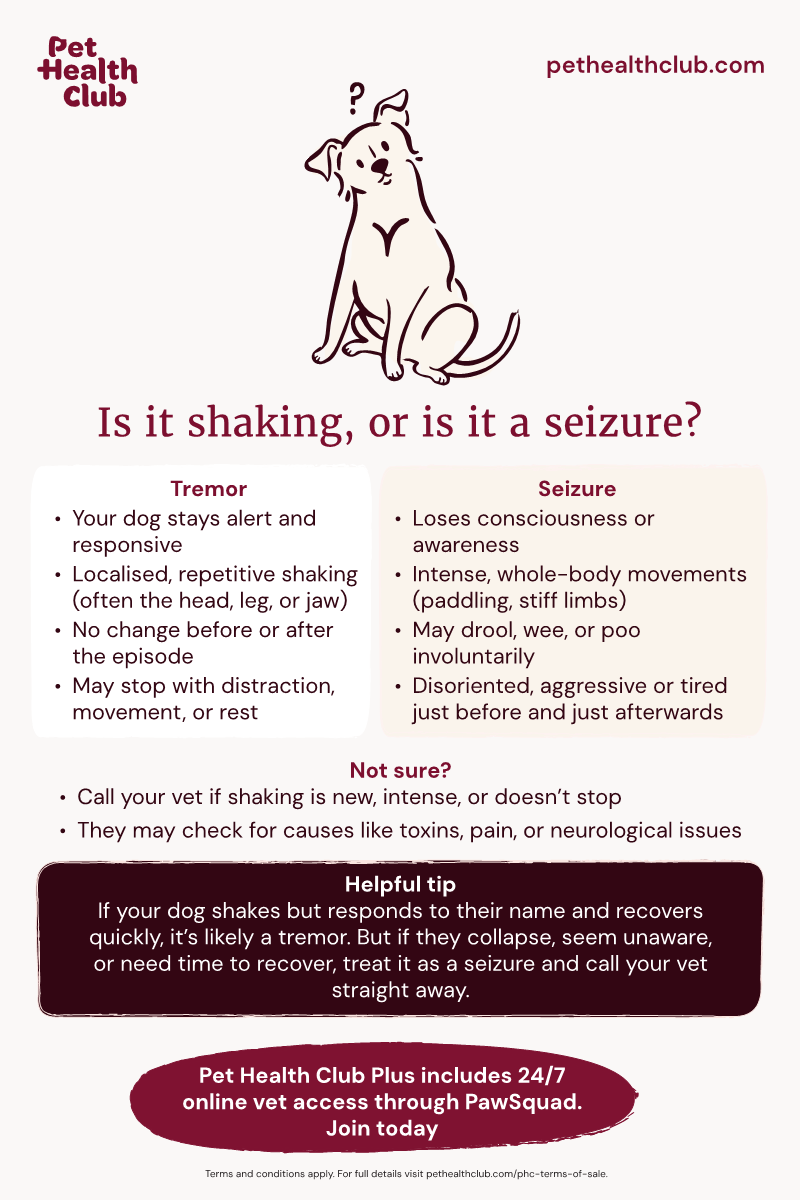
Are tremors the same as seizures?
Tremors are rhythmic shaking and can be different from full seizures, which often include loss of awareness and uncontrolled body movements. A vet can differentiate and advise treatment.
Is there a home test for low blood sugar?
There’s no reliable home test without proper tools. If you suspect low blood sugar, give a small amount of a safe, sugary snack and contact your vet right away.
Conclusion
Dog shaking and shivering have many causes, from simple cold or excitement to urgent medical conditions. Watch for other signs, track episodes, and seek veterinary care when shaking is prolonged, severe, or paired with worrying symptoms. Start with warmth, comfort, and observation, and work with your vet for diagnosis and treatment when needed. Take action today: make a shaking log, childproof your home for toxins, and call your vet if you feel unsure—your attentiveness makes a big difference in your dog’s health and comfort.
