
Scabs on a dog's skin signal irritation, infection, or an allergic reaction needing attention.
As a veterinarian-adjacent writer with years helping pet owners troubleshoot skin problems, I’ll walk you through exactly why dog skin scabs appear, how to tell what’s causing them, and practical steps to heal and prevent them. This guide blends clinical insight, clear diagnostics, home-care tips, and real-world experience so you can act fast and confidently when you find scabs on your dog.
Common causes of dog skin scabs
Dog skin scabs form when the skin is damaged and heals, but the underlying causes can vary widely. Knowing the root cause helps treat scabs correctly and prevent recurrence.
- Parasites
- Fleas and flea allergy dermatitis cause intense itching and repeated scratching that leads to scabs.
- Mange (sarcoptic or demodectic) creates hair loss, redness, and scabbing from burrowing mites.
- Allergies and hypersensitivities
- Environmental allergies, food allergies, and contact dermatitis can produce chronic itching and scab formation.
- Infections
- Bacterial infections commonly follow broken skin and create crusts and scabs.
- Fungal infections, like yeast overgrowth or ringworm, can also produce scabby lesions.
- Trauma and behavior
- Excessive licking, chewing, or rubbing due to boredom or pain leads to localized scabs.
- Hot spots (acute moist dermatitis) quickly scab over if irritated repeatedly.
- Autoimmune and underlying disease
- Some autoimmune diseases and hormonal imbalances cause fragile skin and scabbing.
- Nutritional deficiencies or systemic illness sometimes show up as scabs.
I’ve seen many dogs with scabby patches where the real cause was simple: a flea problem that the owner didn’t notice. Treating the environment solved the scabs as much as treating the dog. Use a broad lens—parasites, allergies, infections, and behavior are the usual suspects of dog skin scabs.

Signs and symptoms to watch for
Recognizing patterns helps you describe the problem clearly to your veterinarian and choose first-aid steps at home.
- Appearance
- Scabs may be small crusts, large thick plaques, or circular patches of crust and hair loss.
- Distribution
- Check common areas: ears, armpits, groin, paws, base of tail, and chest. Location gives clues to cause.
- Associated signs
- Intense itching, redness, hair loss, foul odor, or pus suggest infection on top of scabs.
- Behavior changes
- Excessive scratching, restlessness, or reluctance to be touched in certain areas often accompany scabbiness.
When dog skin scabs are itchy and widespread, chances are a systemic allergy or parasite is involved. Localized scabs that follow a bite or wound often point to trauma or secondary infection. I recommend photographing the scabs and noting any new products, foods, or outdoor exposures to help diagnosis.

Diagnosing dog skin scabs: tests your vet may use
A careful exam and a few simple tests usually identify the cause behind dog skin scabs. Early diagnosis speeds healing.
- Skin scraping
- Detects mange mites by collecting skin material for microscopic exam.
- Cytology
- Swabs or tape impressions show bacteria or yeast under a microscope.
- Fungal culture or PCR
- Confirms ringworm or fungal infections when suspected.
- Bacterial culture and sensitivity
- Used for persistent or resistant infections to pick the right antibiotic.
- Allergy testing and dietary trials
- Helps identify food or environmental allergies causing chronic scabbing.
- Skin biopsy
- Reserved for unusual, severe, or unclear cases to identify autoimmune or neoplastic causes.
I once saw a dog with chronic scabs for months. Basic scrapings were negative until cytology showed yeast overgrowth. A tailored antifungal bath and dietary tweak cleared the scabs within weeks. Accurate testing prevents repeated or inappropriate treatments.
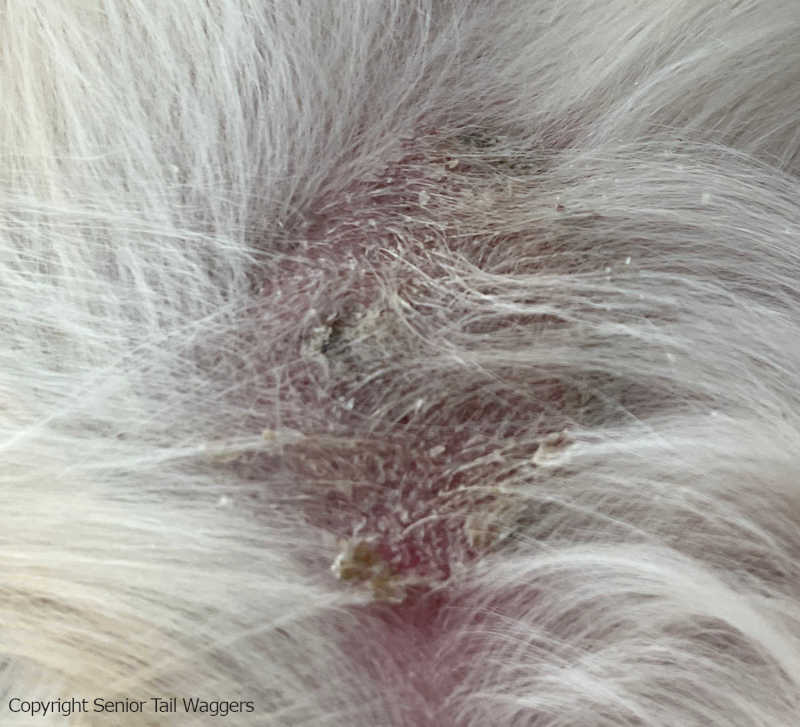
Treatment options for dog skin scabs
Treatment depends on the cause. Combine local wound care with targeted therapy for the underlying issue to resolve dog skin scabs.
- Immediate wound care
- Clean scabs gently with saline or veterinarian-recommended antiseptic to remove debris.
- Avoid picking scabs—this delays healing and risks infection.
- Parasite control
- Use vet-approved flea and tick preventives and mite-specific treatments when mites are diagnosed.
- Antibiotics and antifungals
- Short courses of systemic antibiotics or antifungal drugs treat deeper infections that cause scabs.
- Topical treatments
- Medicated shampoos, sprays, or ointments reduce microbes and soothe skin.
- Anti-inflammatory therapy
- Short-term steroid or other anti-itch medications may be necessary for severe itching and scabs.
- Behavior and environment changes
- Address excessive licking with e-collars, enrichment, and training; treat the home for fleas.
In practice, owners often try over-the-counter remedies first. That’s reasonable for small, recent scabs, but persistent or spreading scabs need veterinary guidance. Treating dog skin scabs without addressing the cause often leads to repeated flare-ups.

Home care and prevention strategies
Consistent home care reduces the chance of dog skin scabs returning and supports medical treatment.
- Keep skin clean and dry
- Drying folds and bathing with recommended shampoos can prevent yeast and bacterial growth.
- Maintain flea control
- Treat all pets and the environment to stop flea-driven scabs.
- Improve diet and supplements
- A balanced diet and omega-3 supplements help skin barrier health and lower inflammation.
- Regular grooming and inspection
- Weekly checks let you spot scabs early before they worsen.
- Reduce environmental triggers
- Change cleaners, fabrics, or grass exposure if contact allergies are suspected.
From experience, a simple routine—monthly flea prevention, weekly coat checks, and prompt cleaning of small wounds—prevents many cases of dog skin scabs. Small daily habits make a big difference.

When to see your veterinarian urgently
Some situations require prompt veterinary care rather than home treatment. Act quickly when you notice serious signs.
- Rapidly spreading scabs or severe swelling and pain
- High fever, lethargy, loss of appetite, or other systemic symptoms
- Heavy bleeding, deep wounds, or scabs that won’t heal after a few days
- Signs of severe infection such as pus, foul odor, or hot painful areas
- Persistent or recurrent scabs despite basic home care
If your dog shows these signs, contact your vet immediately. Early intervention prevents complications and shortens recovery from dog skin scabs.
)
Practical tips, mistakes to avoid, and personal experience
Here are actionable tips from years of helping pets and owners manage scabby skin.
- Tips that work
- Photograph lesions regularly to track progress and share with your vet.
- Use cotton balls and saline for gentle cleaning; avoid harsh chemicals.
- Rotate enrichment and training to reduce boredom-licking behaviors.
- Common mistakes
- Don’t assume all scabs are allergies; skipping basic parasite checks wastes time.
- Avoid prolonged steroid use without reassessment; it can mask infections.
- A real case
- My neighbor’s golden retriever had recurring paw scabs. Routine flea treatment plus changing to a limited-ingredient diet stopped the cycle within six weeks.
Being proactive and observant helps you catch the cause of dog skin scabs before they become chronic. I often remind owners that timely, modest steps at home prevent bigger problems later.

Frequently Asked Questions of dog skin scabs
What causes scabs on my dog’s skin?
Scabs form when skin is damaged and heals, but underlying causes include fleas, mites, allergies, infections, trauma, or autoimmune issues. Location and associated signs help identify the cause.
How can I treat small scabs at home?
Clean gently with saline, keep the area dry, and prevent licking with an e-collar if needed. If scabs worsen or show pus, see a vet for possible infection.
Are scabs contagious to humans or other pets?
Some causes, like ringworm and certain mites, can be contagious to humans and other pets. Practice good hygiene and seek veterinary guidance when contagious causes are suspected.
How long does it take for dog skin scabs to heal?
Minor scabs may improve in a week or two with proper care, while infected or allergy-driven scabs can take several weeks to resolve. Healing time depends on cause and treatment.
When should I worry about scabs on my dog?
Seek immediate care if scabs spread rapidly, are painful, ooze pus, or your dog shows fever or lethargy. These signs suggest a deeper infection or systemic problem.
Can diet affect my dog’s scabs?
Yes. Food allergies or poor nutrition can worsen itching and scabbing; an elimination diet or dietary upgrade may help. Discuss dietary changes with your vet first.
Conclusion
Dog skin scabs are a common but often treatable sign of underlying irritation, infection, or allergy. Identify the cause using observation, basic home care, and veterinary testing when needed. Act early: clean wounds gently, control parasites, and follow targeted treatments to speed healing and prevent recurrence. Takeaway: if scabs persist or worsen, seek veterinary advice—early diagnosis saves time and discomfort. Share your experience or questions below, subscribe for more pet-skin care tips, or book a vet consult if you’re worried.
