
Most dog treats can be healthy in moderation but some cause weight gain, allergies, or digestive upset.
As a long-time vet assistant and dog owner, I have seen firsthand how dog treats health effects shape a pet’s life. This guide breaks down the real benefits and risks of dog treats health effects. You will get clear steps to pick safe treats, spot trouble early, and even make simple homemade options. Read on for practical advice you can use today.
How dog treats affect your dog's health
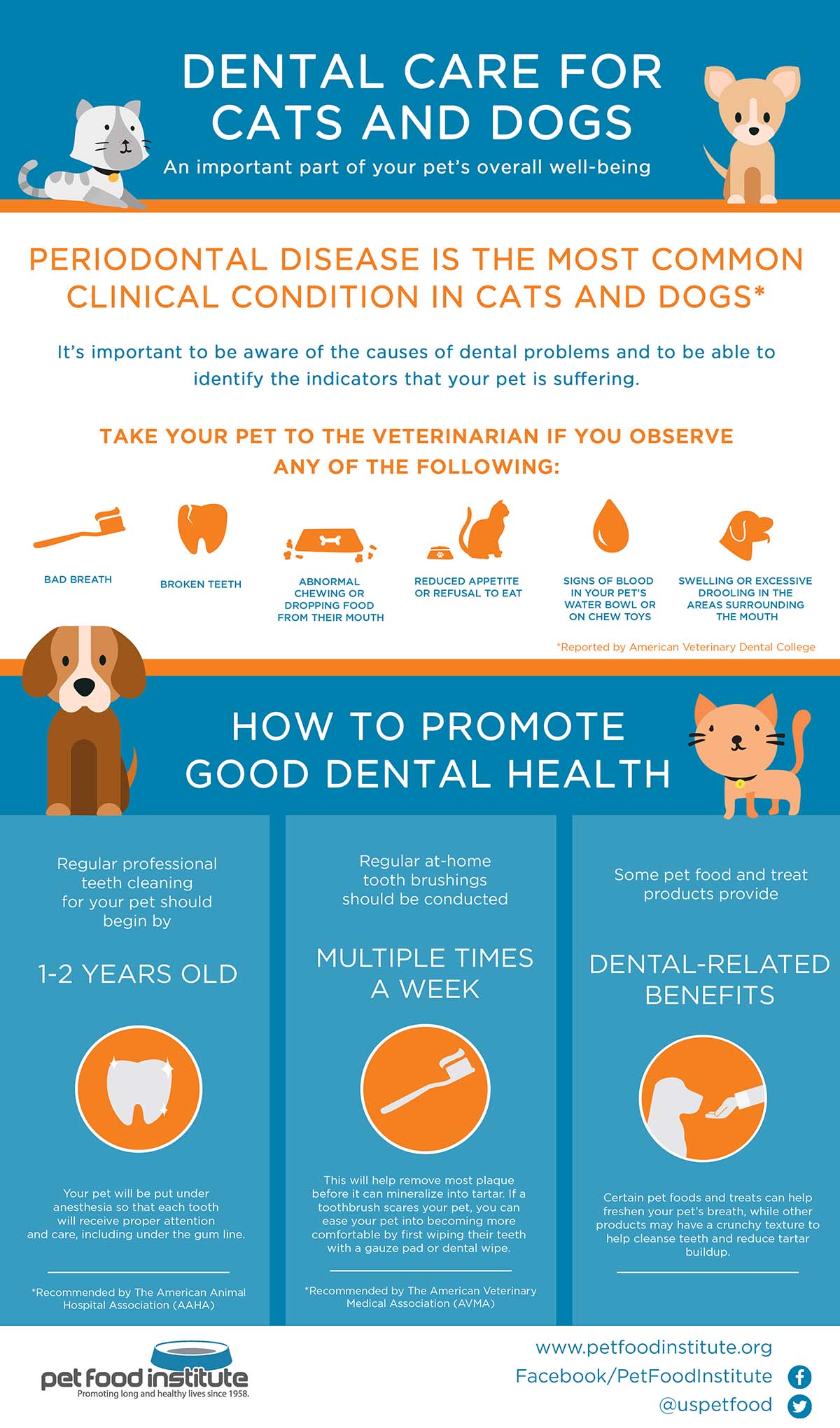
Dog treats health effects show up in many ways. Treats add calories, nutrients, and flavors that change weight and mood. Small training bits can help learning. Rich treats can cause weight gain quickly. Some treats help dental health by scraping plaque. Others hide allergens or preservatives that irritate skin or gut. Understanding dog treats health effects helps you pick treats that support your dog, not harm them.

Key nutritional components in dog treats
Knowing what is in a treat helps you predict dog treats health effects. Look for simple lists with real ingredients. Key parts to check include:
- Protein: Supports muscle and repair. Good for active dogs.
- Fat: Gives energy but can be high in calories.
- Fiber: Helps digestion and satiety.
- Carbohydrates: Provide quick energy, but too many can mean fillers.
- Additives and preservatives: Can cause reactions or long-term harm.
Check the label and compare calories per treat. Low-quality treats often spike negative dog treats health effects due to empty calories and additives.
Benefits of healthy dog treats
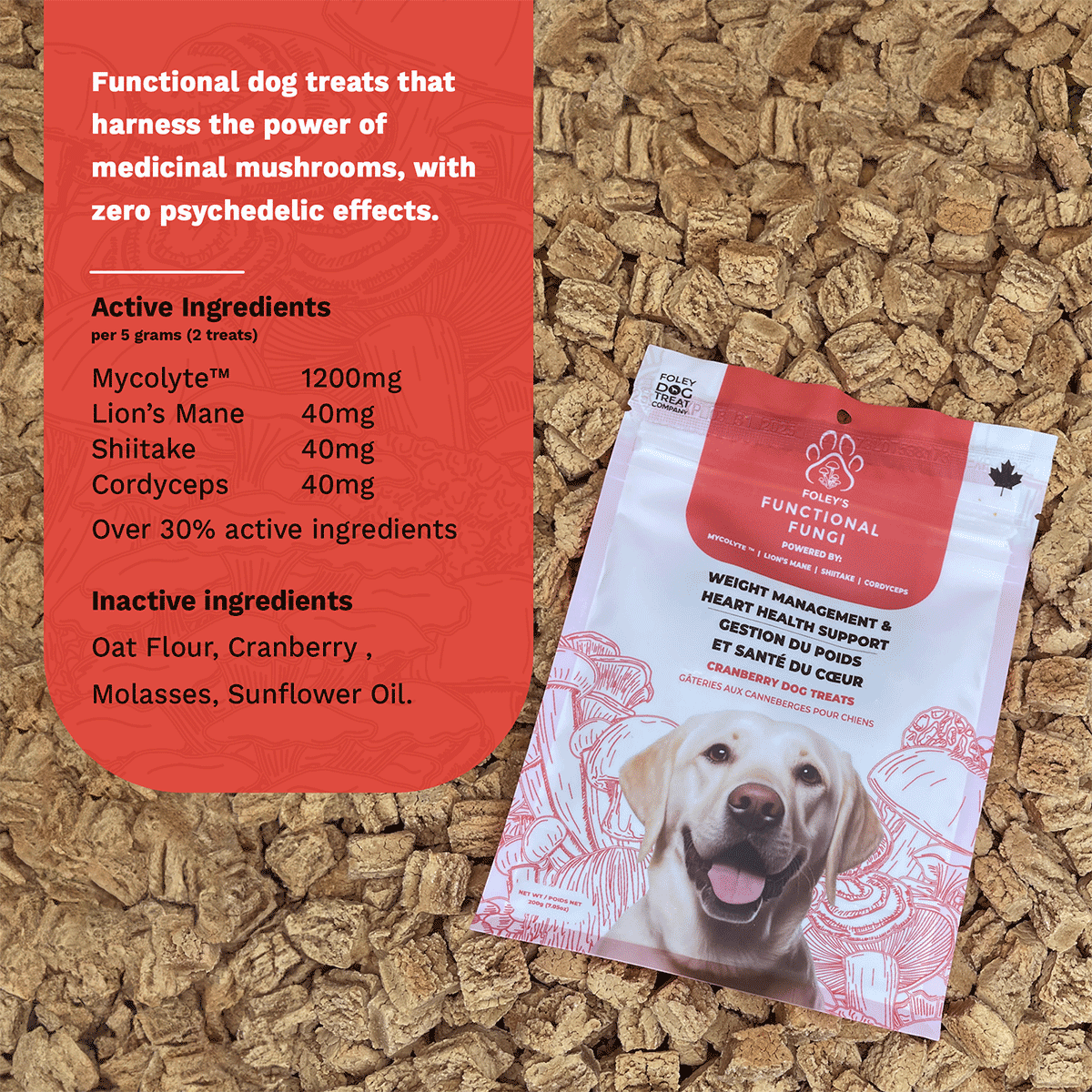
Healthy treats can do more than taste good. They can:
- Help training by rewarding focus and good behavior.
- Support dental health when texture aids scraping.
- Deliver vitamins or probiotics for gut support.
- Reduce anxiety when used in calm routines.
From my experience training young dogs, small soft treats that fit nutritional needs speed learning without weight gain. When chosen well, dog treats health effects lean heavily positive.

Risks and harms of poor-quality dog treats
Not all treats are safe. Poor-quality products can cause real harm. Common risks tied to dog treats health effects include:
- Obesity from high calorie treats.
- Pancreatitis from very fatty treats.
- Allergic reactions from certain proteins or additives.
- Digestive upset from artificial sweeteners or xylitol.
- Toxin exposure from contaminated or dyed treats.
I once cared for a dog with chronic ear itch. After removing a treat with chicken meal and additives, the skin cleared in weeks. That experience showed me how treat ingredients drive dog treats health effects.

Choosing safe and healthy dog treats
Choosing treats wisely reduces negative dog treats health effects. Use this checklist when shopping:
- Read the first three ingredients. They matter most.
- Prefer named proteins like "chicken" over vague "meat."
- Avoid xylitol, onion, garlic, and artificial sweeteners.
- Pick treats with low calories for frequent rewards.
- Choose texture appropriate for your dog’s teeth and size.
- Look for limited-ingredient or single-protein options for allergies.
When in doubt, ask your vet. Good choices minimize harmful dog treats health effects and keep training stress-free.
Homemade dog treats: simple recipes and safety tips
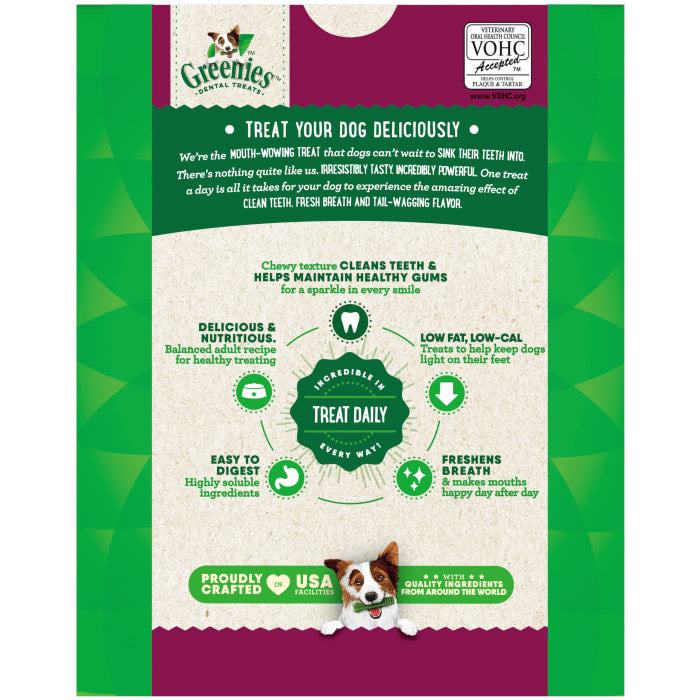
Making treats at home gives control over dog treats health effects. Try this easy recipe:
- 2 cups oat flour
- 1/2 cup mashed pumpkin
- 1 egg
Mix, roll to 1/4 inch, cut shapes, and bake 20 minutes at 350°F. Cool and store in fridge for up to a week.
Safety tips for homemade treats:
- Avoid toxic foods like chocolate, grapes, and xylitol.
- Use plain ingredients and no salt or sugar.
- Watch preservatives and store well to prevent mold.
I bake these treats for my senior dog. They helped her weight and energy. Homemade treats let me control dog treats health effects closely.

Treats for special conditions
Dog treats health effects differ by age or condition. Consider these adjustments:
- Puppies: Small, soft, nutrient-dense treats for training.
- Seniors: Low-calorie, soft textures for fragile teeth.
- Allergies: Single-protein treats or hypoallergenic options.
- Weight management: Use low-calorie or vegetable-based treats.
- Dental issues: Chews designed to clean teeth but consult vet for hardness.
Always consult a vet before switching treats for medical reasons. Tailoring treats reduces bad dog treats health effects and supports recovery.

How many treats should you give?
Treats should not dominate the diet. Follow simple rules to limit dog treats health effects:
- Keep treats under 10 percent of daily calories.
- Use tiny training bits for frequent rewards.
- Replace meal calories if giving many treats.
Example: A 40-pound dog needs about 900 kcal per day. Ten percent is 90 kcal. If a treat is 9 kcal, give up to 10 a day. Track treats to avoid slow weight creep.
Signs your dog is reacting poorly to treats
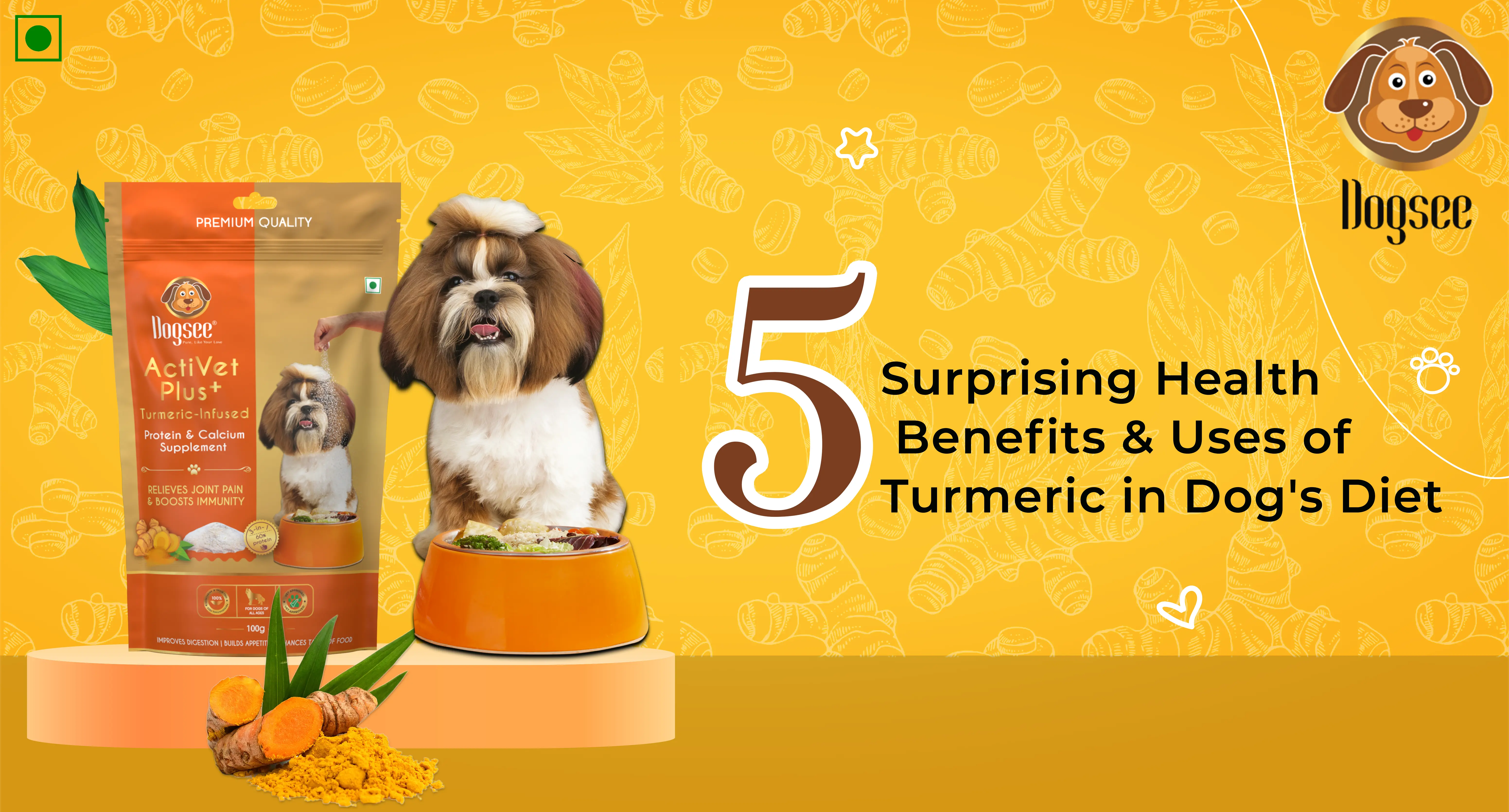
Watch your dog to catch negative dog treats health effects early. Common signs include:
- Diarrhea or vomiting after new treats.
- Itchy skin or ear infections.
- Sudden weight gain without diet change.
- Bad breath or worsened dental issues.
- Lethargy or behavioral change after eating treats.
If you spot these signs, stop the treat and talk to your vet. Switching to a single-ingredient treat can help find the cause.
Storage, recalls, and when to toss treats
Proper storage reduces risk and keeps dog treats health effects from spoiling your dog. Do this:
- Store in a cool, dry place in sealed bags.
- Refrigerate homemade treats.
- Check expiration dates on all treats.
- Sign up for recall alerts from pet safety services.
- Toss treats that smell off or show mold.
I once found a bag with a rancid smell. I threw it out. Good storage prevented illness and kept dog treats health effects positive.
Frequently Asked Questions of dog treats health effects
What ingredients most often cause allergies from treats?
Common triggers include beef, chicken, dairy, wheat, and soy. Single-protein treats can help identify the culprit.
Can treats cause pancreatitis?
Yes. Very fatty treats or a sudden high-fat snack can trigger pancreatitis in sensitive dogs. Keep fat content low, especially for at-risk pets.
Are dental chews truly helpful?
Some dental chews reduce plaque if used properly and are the right size. They are not a substitute for regular brushing and vet dental care.
How do I reduce calories from treats without stopping rewards?
Use tiny training bites, low-calorie veggies, or split treats into smaller pieces. Count treats as part of daily calories.
Are natural or organic treats always safer?
Not always. Natural labels can hide high calories or unsafe additives. Read full ingredient lists to judge safety and quality.
Is homemade always better than store-bought?
Homemade gives control over ingredients but can lack balanced nutrients. Use vet-approved recipes for frequent feeding.
How quickly will my dog react to a bad treat?
Reactions can appear within hours for digestive issues or days to weeks for skin problems. Monitor closely after new treats.
Conclusion
Dog treats health effects matter. Good treats help training, dental health, and mood. Poor choices lead to weight gain, allergies, and digestive troubles. Use labels, portion control, and vet advice to choose treats that fit your dog. Start small: swap one treat for a low-calorie or homemade option this week and watch the change. Share your experience or ask a question below to learn more and help other dog lovers.
