
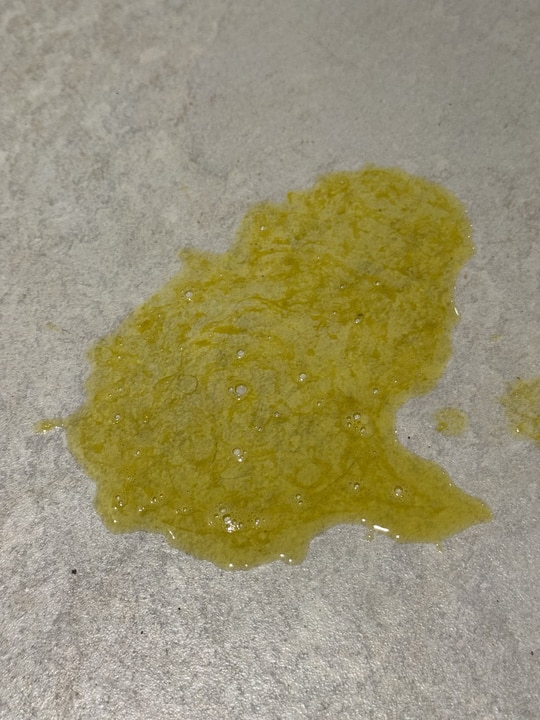
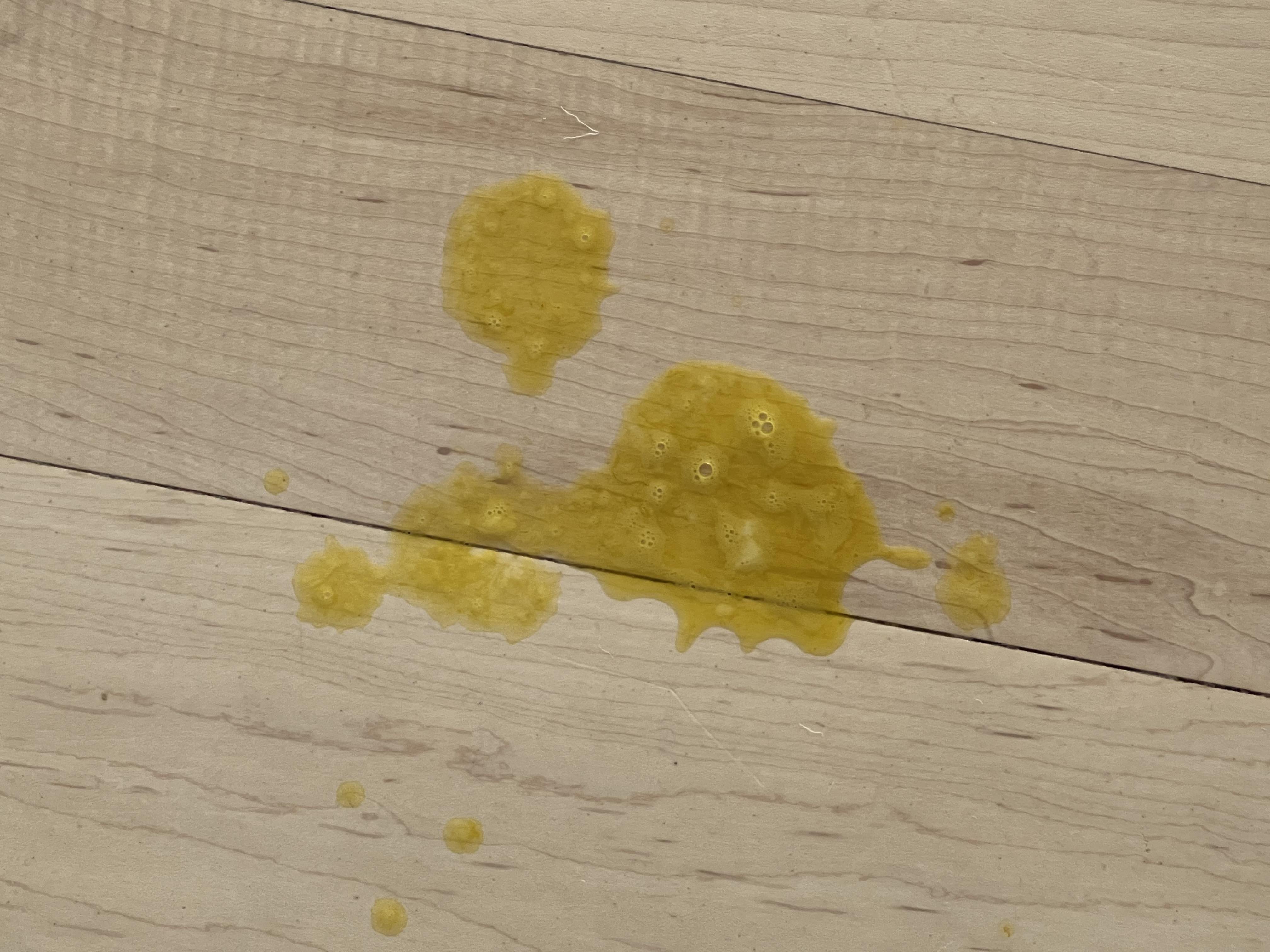
Yellow foam in dogs often means bile from an empty stomach or mild stomach irritation.
I’ve worked with vets and cared for many dogs that vomit yellow foam, so I know how worrying it can be. This article explains why a dog vomiting yellow foam happens, when it’s urgent, how vets diagnose it, and what you can do at home to help. Read on for clear, practical steps and real cases that show what works.
Why a dog vomiting yellow foam happens
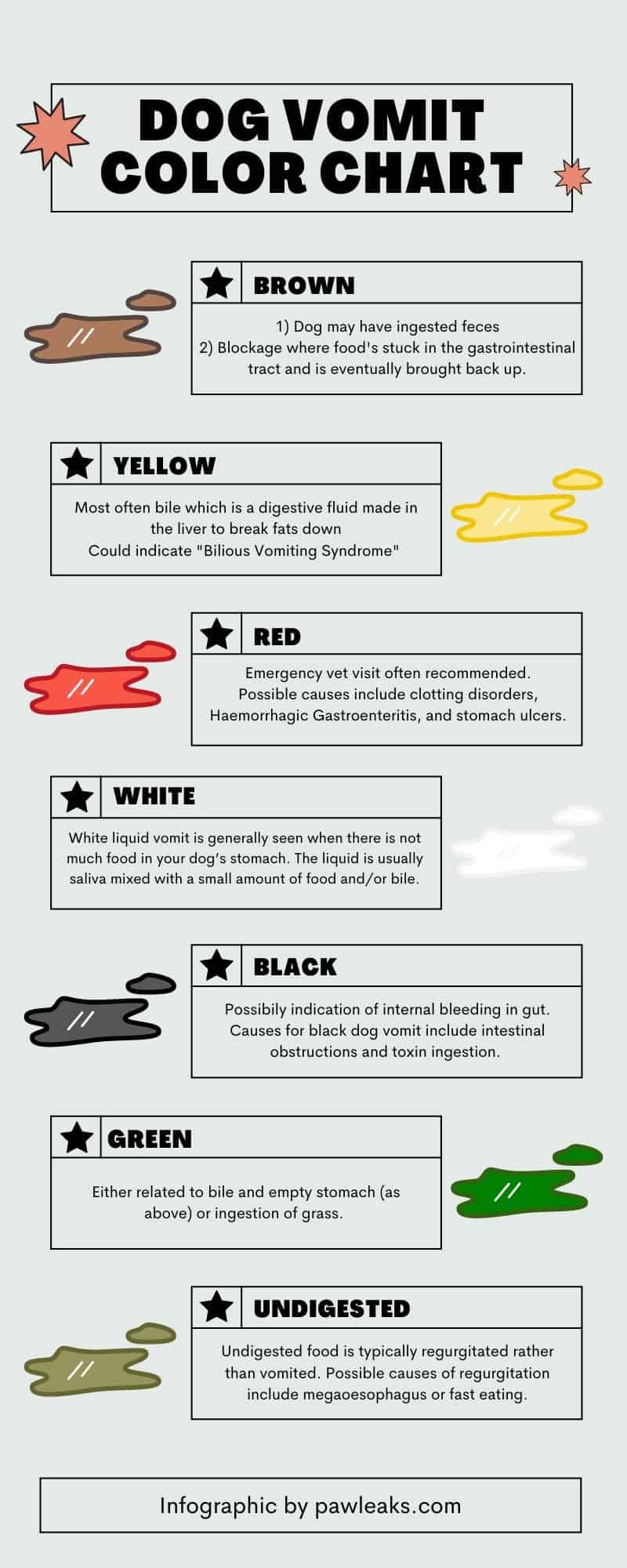
Dogs vomiting yellow foam usually points to bile in the stomach. Bile is a yellow-green fluid made in the liver. It can irritate the stomach lining when a dog has an empty stomach or reflux. Other times it comes from mild gastritis or a reaction to a new food or toxin.
Most episodes are short lived. Some dogs vomit yellow foam in the morning after not eating all night. That can be called bilious vomiting syndrome. But repeated vomiting of yellow foam can mean a bigger problem. Watch for other signs like weakness, drooling, or lack of appetite.

Common causes of dog vomiting yellow foam
Below are common reasons you might see a dog vomiting yellow foam.
- Empty stomach or hunger causing bile reflux, especially in small dogs.
- Gastritis from food changes, spoiled food, or eating garbage.
- Dietary indiscretion, such as eating table scraps or foreign objects.
- Pancreatitis, which can cause severe vomiting and yellow or frothy vomit.
- Intestinal obstruction, where vomit may contain bile and foam.
- Infections, parasites, or systemic illness that upset the gut.
- Toxins or medications that irritate the stomach lining.
- Acid reflux or chronic bile reflux into the stomach.
If your dog is a picky eater or has a history of stomach issues, you may see dog vomiting yellow foam more often. Keep a log of episodes to share with your vet.
Signs that dog vomiting yellow foam is an emergency
Not all vomiting is urgent. But some signs mean get help now.
- Repeated vomiting for more than a few hours.
- Blood in vomit or dark, coffee-ground material.
- Severe lethargy, collapse, or trouble breathing.
- Signs of pain, a swollen belly, or inability to keep water down.
- Very young, old, or immunocompromised dogs.
If you see these signs along with a dog vomiting yellow foam, go to an emergency vet. Quick action can prevent dehydration and serious complications.
First aid and home care when your dog vomits yellow foam
If your dog vomits yellow foam once and acts normal, try simple first aid at home.
- Remove food for 8 to 12 hours for adult dogs to let the stomach settle.
- Offer small amounts of water. If vomiting continues after water, stop and call a vet.
- After fasting, give a bland diet in small portions: cooked white rice and boiled chicken for a day or two.
- Avoid giving human anti-nausea meds without vet approval.
- Keep your dog calm and warm while you monitor them.
If your dog keeps vomiting or has other symptoms, call your vet. In my experience, a single short episode often settles with fasting and a bland meal. I always advise owners to track any recurring issues.
What your vet will do to diagnose the cause
Veterinarians use tests and exams to find why your dog is vomiting yellow foam.
- Physical exam to check hydration, pain, and abdomen size.
- Blood tests to check liver, pancreas, and electrolytes.
- Urinalysis to assess hydration and kidney function.
- X-rays or ultrasound to look for blockages or organ issues.
- Fecal tests for parasites or infections.
- In some cases, endoscopy to view the stomach or collect biopsies.
These tests help rule out serious causes. Be ready to share when episodes happen and what you’ve fed your dog. That helps the vet narrow down the cause faster.

Treatment options your vet may recommend
Treatment depends on the cause of the vomiting.
- Fluid therapy for dehydration and electrolyte balance.
- Anti-nausea medications to stop vomiting.
- Antibiotics or deworming if infection or parasites are found.
- Diet change to a low-fat or sensitive-stomach food.
- Surgery if an obstruction or serious condition is found.
- Long-term medications for chronic bile reflux or acid control.
Follow your vet’s plan closely. Do not give over-the-counter medicines without guidance. When a dog vomiting yellow foam is treated early, recovery is often faster.
Prevention and long-term care to reduce episodes
You can reduce how often your dog vomits yellow foam with simple steps.
- Feed smaller, more frequent meals to prevent an empty stomach.
- Keep consistent feeding times, especially overnight.
- Use a bland or sensitive-stomach diet if your dog is prone to upset.
- Avoid table scraps, spoiled food, and trash access.
- Keep toxins and dangerous items out of reach.
- Maintain regular vet checkups and parasite control.
I once had a patient who vomited yellow foam every morning. Switching to two small meals and a late-night snack stopped the problem within a week. Small changes can make a big difference.
Personal experiences and real-life tips
I’ve cared for dogs with this exact issue. One small terrier vomited yellow foam each morning. We tried feeding a small high-protein snack before bed. The vomiting stopped. Another dog had chronic vomiting and needed blood tests to find pancreatitis. That dog improved after a diet change and meds.
Lessons I learned:
- Track when episodes happen and what you fed your dog.
- Try simple fixes first, like meals and snacks, but don’t delay a vet visit if things worsen.
- Trust your gut—owners often spot subtle changes before tests do.
These real cases show the range of causes and outcomes for a dog vomiting yellow foam. Early action helps the most.
Frequently Asked Questions of dog vomiting yellow foam
What does it mean if my dog vomits yellow foam in the morning?
Morning yellow foam often means bile from an empty stomach. Try a small late-night snack and monitor for change.
Can I give my dog over-the-counter medicine for nausea?
Do not give human meds without veterinary approval. Some human drugs are toxic to dogs and may worsen symptoms.
How long should I wait before seeing a vet for dog vomiting yellow foam?
If vomiting is occasional and your dog is alert, try home care for up to 24 hours. Seek vet care sooner if vomiting is repeated or your dog seems unwell.
Will a diet change help if my dog keeps vomiting yellow foam?
A bland or sensitive-stomach diet can help in many cases. Feed small, frequent meals and consult your vet for a tailored plan.
Could stress cause my dog to vomit yellow foam?
Yes, stress and anxiety can upset the stomach and lead to bile vomiting. Calm routines and safe spaces may reduce episodes.
Is bile in vomit dangerous for my dog?
Bile itself is not always dangerous, but repeated vomiting can cause dehydration and damage. Persistent bile vomiting needs a vet check.
Conclusion
Repeated or severe vomiting is never something to ignore. Most cases of a dog vomiting yellow foam are due to bile from an empty stomach or mild stomach upset and can improve with simple home care and diet changes. If vomiting is frequent, severe, or paired with worrying signs, seek veterinary care quickly. Take action by tracking episodes, adjusting meal plans, and contacting your vet when needed. Share your story or questions below to get more help, and consider subscribing for updates and practical pet care tips.
