
Dogs often whine to communicate stress, discomfort, boredom, or medical issues.
I have worked with dogs and owners for years and helped many solve why a dog whining without reason seems to happen. This guide explains common causes, signs to watch for, and clear steps you can take to stop or reduce dog whining without reason with confident, practical advice backed by experience.

Common causes of dog whining without reason
Dogs whine for many reasons. Sometimes the reason is clear. Other times it looks like a dog whining without reason but a cause hides underneath. Understanding these causes helps you respond calmly and effectively.
Common causes include:
- Pain or illness that is subtle but real.
- Anxiety, separation stress, or fear.
- Boredom, lack of mental stimulation, or excess energy.
- Attention-seeking behavior learned over time.
- Age-related cognitive changes in older dogs.
If your dog seems healthy but keeps whining, narrow your search. Check routines, recent changes, and triggers. Small changes at home often stop long bouts of dog whining without reason.
Medical and physical reasons to consider
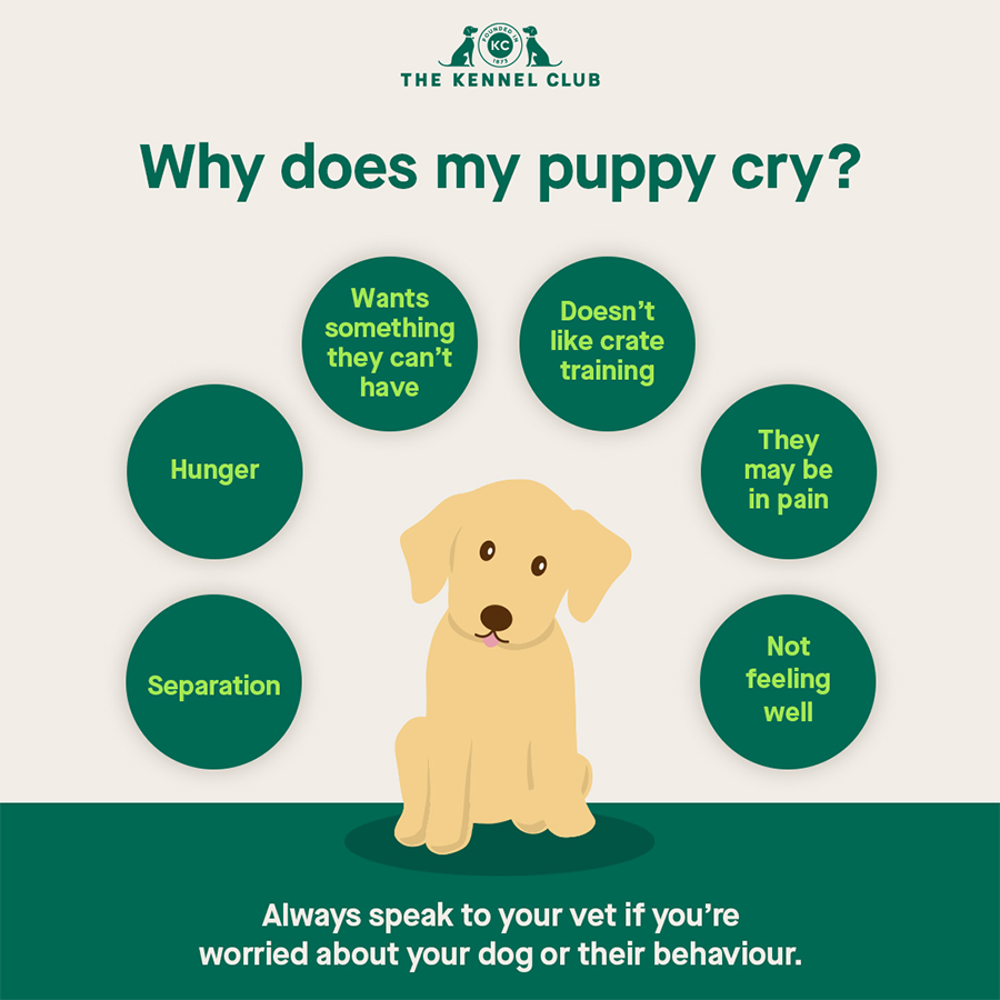
Physical issues are often overlooked when a dog whining without reason appears sudden. Pain can be internal or from a minor injury. Dogs may whine if they have arthritis, dental pain, ear infections, gastrointestinal discomfort, or urinary issues.
What to do:
- Observe for limping, appetite changes, or unusual posture.
- Check ears, mouth, and body for swelling or wounds.
- Track when the whining happens: after eating, at night, or during movement.
If you suspect medical problems, see your veterinarian. Early checks can rule out hidden causes and stop a cycle of persistent dog whining without reason.
:strip_icc()/Why-dogs-whine-4147056-v2-6fe95282387b4256bbc38b04dfa72a88.png)
Emotional and behavioral drivers
Dogs are social animals. They use whining to get help or express needs. Emotional drivers can make a dog whining without reason more frequent. Stress, separation anxiety, and changes in the household often trigger noise.
Common behavioral patterns:
- Whining when you prepare to leave might mean separation anxiety.
- Whining during car rides can signal motion sickness or fear.
- Whining for food or attention can be reinforced if rewarded.
Address the root emotion. Work on gradual desensitization for separation issues and consistent routines for anxious dogs. Mental work and predictable responses reduce episodes of dog whining without reason.

When to seek professional help
Some whining is normal. Persistent or worsening whining needs help. If you see sudden changes, health red flags, or dangerous behavior, act fast. Professional help prevents escalation of dog whining without reason into chronic distress.
Seek a vet if:
- Whining is paired with vomiting, fever, or loss of appetite.
- Your dog becomes withdrawn, aggressive, or shows sudden pain.
- There is a rapid decline in mobility or cognition.
Consider a qualified behaviorist for long-term anxiety or compulsive whining. Training plans can transform a dog whining without reason into calm, confident behavior.

Training and management strategies
Clear, consistent training helps stop whining that stems from behavior. Use positive methods and set clear rules. Avoid reinforcing whining by giving immediate attention every time.
Practical steps:
- Reward quiet behavior. Wait until your dog is silent, then give attention or a treat.
- Use timed departures to reduce separation anxiety. Start with short absences and increase slowly.
- Provide mental enrichment like food puzzles, scent games, and short training sessions.
- Maintain a predictable schedule for walks, meals, and play.
Consistency makes a big difference. Over weeks, these steps reduce how often a dog whining without reason appears.
Tools, environment tweaks, and supplements
Small changes in the home can ease a dog whining without reason. Tools and supplements sometimes help alongside training.
Helpful options:
- Interactive toys and slow feeders to lower boredom.
- Crate training or a safe room for anxious dogs.
- Calming aids such as pheromone diffusers or vet-recommended supplements.
- Background noise like soft music to mask triggers at night.
Always introduce new tools gradually and monitor your dog for improvement. If nothing changes after consistent effort, get professional advice.

My personal experience and tips that worked
I once helped a family whose Labrador began dog whining without reason after a move. The dog had no medical issues. We found the whining was tied to loss of routine and loneliness. Simple steps fixed it.
What I did:
- Reestablished consistent walk and meal times.
- Added short training sessions to build confidence.
- Used an interactive toy during work hours for mental stimulation.
Within three weeks the whining dropped dramatically. That experience taught me the power of routine and enrichment when a dog whining without reason seems unsolvable.

Frequently Asked Questions about dog whining without reason
Why does my dog whine at night for no reason?
Nighttime whining often stems from anxiety, discomfort, or a disrupted routine. Check for physical issues and create a calming bedtime routine to reduce nighttime dog whining without reason.
Can ignoring whining make it worse?
Ignoring can help if whining is attention-seeking, but only after ruling out pain or anxiety. Combine ignoring with reward for quiet behavior to reduce dog whining without reason without increasing stress.
Is whining always a sign of pain?
No. Whining can mean pain, but it can also signal fear, boredom, or attention needs. If pain is suspected, get a veterinary exam to be safe when facing dog whining without reason.
How long should I wait before consulting a vet?
If whining is new, intense, or paired with other symptoms, consult a vet within 24–48 hours. For low-level chronic whining, track patterns for a week and consult sooner if it worsens.
Are older dogs more likely to whine for no reason?
Older dogs can develop cognitive decline or pain that leads to more whining. Regular vet checks and adjusted routines help reduce episodes of dog whining without reason in senior dogs.
Conclusion
Understanding why your dog whining without reason starts is the first step to solving it. Look for medical signs, address emotions, and use consistent training and enrichment. Start small, stay patient, and track changes to find what works best for your dog.
Take action today: try a short routine tweak or a new enrichment toy and note the results. If the problem continues, consult a vet or behaviorist. Share your experience or questions below and subscribe for more practical dog care tips.
