

Dogs often whine out of anxiety, boredom, pain, or to ask for attention and help.
I have worked with dogs and written about canine behavior for years, and dog whining without reason is one of the top worries owners bring to me. This article breaks down why a dog whining without reason can happen, how to tell when it’s harmless and when it needs action, and practical steps you can use today to help your dog. I will share real-world examples, vet‑backed signs to watch for, and step-by-step guidance so you can confidently address your dog’s whining without reason.

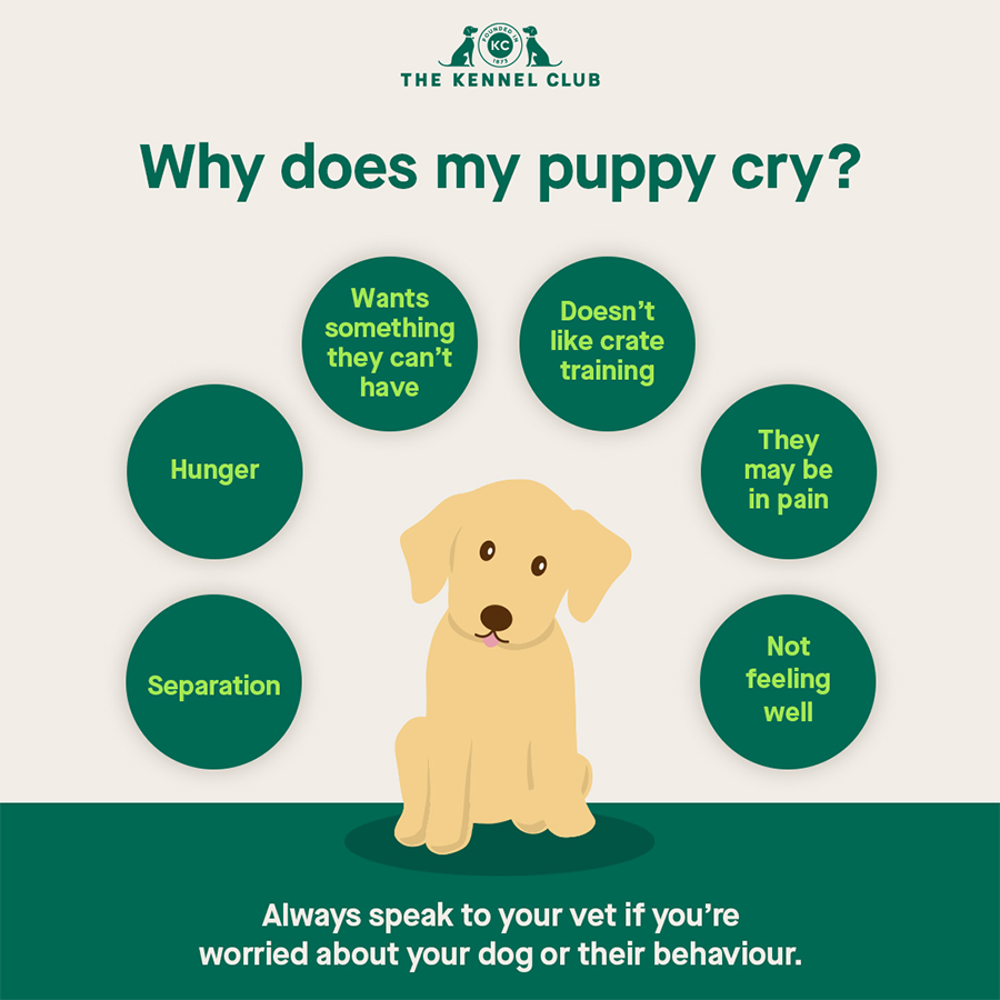
Why dogs whine without reason: common causes
Dogs vocalize to communicate. When a dog is whining without reason, the cause may not be obvious to you, but there usually is one.
- Anxiety and stress. New routines, loud noises, or separation can trigger whining.
- Boredom and unmet needs. Dogs that lack mental or physical exercise whine to get engagement.
- Attention-seeking. Some dogs learn whining gains petting, treats, or play.
- Pain or discomfort. Even mild pain can cause persistent whining.
- Age-related changes. Senior dogs may whine due to cognitive decline or sensory loss.
From my experience, a dog whining without reason often masks anxiety or unmet social needs. I once had a foster dog who whined for days after a move. Simple routines, short walks, and puzzle toys reduced the whining by half in a week. Learning the root cause helps you choose the right fix.
Medical causes to rule out
Always rule out medical issues early. Pain or illness can present as sudden or new whining.
- Injuries and pain. Sprains, dental pain, arthritis, or internal discomfort can cause whining.
- Neurological issues. Seizure activity or brain disorders sometimes show as vocal changes.
- Urinary or digestive problems. Full bladder, constipation, or GI upset can trigger vocalization.
- Sensory decline. Vision or hearing loss can make a dog anxious and more vocal.
- Endocrine and systemic disease. Conditions like thyroid problems or infections can change behavior.
If your dog’s whining appears with lethargy, appetite change, limping, or fever, seek veterinary care promptly. In my practice, a quick vet visit caught early arthritis and pain medication stopped the night whining.

Behavioral and emotional causes
Behavior explains many cases of dog whining without reason. Work through these areas patiently.
- Separation anxiety. Whining often peaks when an owner leaves or prepares to leave.
- Social needs. Dogs are social; isolated dogs may whine to ask for company.
- Learned behavior. If whining brings rewards, it becomes a habit.
- Fear and phobias. New objects, loud sounds, or strangers can spike whining.
- Lack of training or structure. Unclear rules leave dogs unsure and vocal.
I advise owners to track when whining happens. A short diary of time, context, and reactions reveals patterns fast. One client discovered that their dog whined only when they watched TV and then rewarded the dog with snacks—changing the reward stopped the nightly whining.

How to respond when your dog whines without reason
Responding calmly and consistently helps stop unwanted whining.
- Assess fast. Look for pain, injury, or urgent signs first.
- Stay calm. Reacting emotionally can reinforce whining.
- Avoid immediate rewards. If you always respond with attention or food, the whining may increase.
- Use a quiet cue. Reward calm behavior with treats, praise, or play after a short pause.
- Redirect energy. Offer a walk, puzzle toy, or training exercise to shift focus.
A useful method I’ve used: wait two calm seconds before giving attention. This small delay teaches the dog that quiet earns reward. Keep sessions short and consistent.

Training and management strategies
Structured training reduces most cases of dog whining without reason.
- Teach a “quiet” command. Reward silence rather than punish vocalization.
- Build independence. Gradually increase alone time with enrichment left behind.
- Increase exercise. Short walks, play sessions, and mental work reduce whining.
- Crate or safe-zone training. A consistent safe spot can soothe anxious dogs.
- Use puzzle feeders and toys. They provide mental work and reduce attention-seeking whining.
Step-by-step plan to train quiet:
- Wait for a short pause in whining.
- Give a calm cue like “quiet.”
- Reward immediately when the dog is silent.
- Repeat in short sessions over several days.
From my own training work, combining exercise, a quiet cue, and a predictable routine cut whining in half for most dogs in 2–3 weeks.
When to see a vet or behaviorist
Some cases require professional help. Seek help if you notice these red flags.
- Sudden onset of loud or persistent whining for no clear reason.
- Whining combined with pain signs, vomiting, or collapse.
- Rapid behavior changes, confusion, or unsteady gait.
- Whining tied to severe separation anxiety or destructive behavior.
- No improvement after simple training and environmental changes.
A vet will rule out medical causes and may refer you to a certified behaviorist. In my experience, early referral often shortens recovery time.

Prevention and long-term strategies
Long-term care prevents recurring episodes of dog whining without reason.
- Maintain routine. Dogs thrive on consistent feeding and exercise schedules.
- Regular checkups. Early detection of health issues prevents behavioral signs.
- Ongoing training. Reinforce calm behavior and independence regularly.
- Mental enrichment. Rotate toys, use scent games, and offer new challenges.
- Socialization. Regular safe social experiences reduce fear-related whining.
I recommend monthly check-ins and a short daily training or enrichment slot. These small investments pay off in a much quieter, happier dog.
Frequently Asked Questions of dog whining without reason
Why is my dog whining at night for no reason?
Night whining often stems from anxiety, discomfort, or a need to go outside. Check for medical issues and use a calm bedtime routine to reduce nighttime vocalizing.
Could my dog be in pain even if they eat and play?
Yes. Dogs may hide pain while still eating or playing. Look for subtle signs like stiffness, changes in gait, or reluctance to jump and consult a vet if you suspect pain.
How do I stop attention-seeking whining?
Ignore the whining and reward quiet behavior instead. Consistently reward silence and give attention after a calm pause so the dog learns quiet earns rewards.
When is whining a sign of separation anxiety?
Whining tied to your departures or while you’re away, plus destructive behavior or house soiling, likely signals separation anxiety. Seek a behavior plan or professional help.
Will training alone fix persistent whining?
Training helps many cases, but persistent whining may need veterinary checks or a behaviorist. Combine training with exercise, enrichment, and medical evaluation for best results.
Conclusion
Dog whining without reason is rarely random. It points to a need—medical, emotional, or social—and you can act to help. Start with a calm assessment, rule out health issues, and use consistent training and enrichment to change behavior. If the whining persists or includes red flags, consult your vet or a behaviorist for tailored help. Take one small step today: track when the whining happens for three days and try one change, like a short walk or a puzzle toy. Share your results or questions below and consider subscribing for more practical, tested tips on making life better for you and your dog.
