
Fin rot is a common bacterial disease that eats away fish fins and tails.
I’ve cared for aquariums for years and treated many cases of fish fin rot. In this guide I share clear, tested steps to spot fin rot early, treat it safely, and keep your fish healthy. You’ll get practical tips, simple protocols, and mistakes I made so you avoid them.

What is fish fin rot?
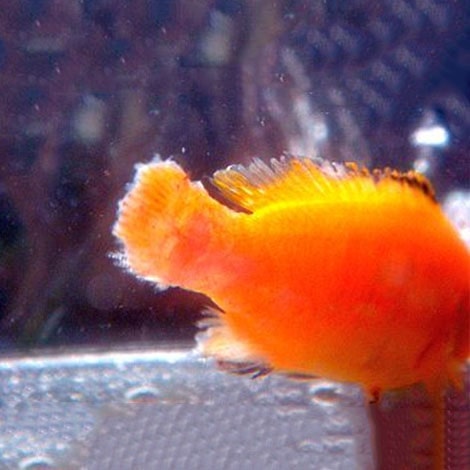
Fish fin rot is a condition where a fish’s fins fray, shrink, or look ragged. It often starts at the edges and moves inward. Most cases come from bacteria or fungi that take hold when the fish is stressed or the water is poor. Early fin rot looks like white edges or a fuzzy growth. Advanced fin rot can destroy the fin base and damage the body.
Fish fin rot is not a single disease but a group of infections with similar signs. Treating fin rot early is easier and more effective than waiting. Understanding what causes fin rot helps you stop it before it spreads to other fish.
Signs and symptoms to watch for
Spotting fish fin rot early makes a big difference. Watch your fish daily for these common signs.
- Frayed or ragged fin edges that look torn
- Fins that look shorter or are missing chunks
- White or gray edges on fins or a fuzzy layer
- Redness or inflammation at the fin base
- Lethargy, loss of appetite, or hiding behavior when fin rot advances
If you see one sign, check water quality and isolate the fish if possible. Many owners assume fins tear from fighting, but infection often follows a small tear. I once missed subtle white edges and lost a fancy guppy in two weeks. Quick action would have saved it.
:strip_icc()/fin-rot-1378481-FINAL-0546cd6b03564df595829abaae45f7c6.png)
Causes and risk factors
Understanding what causes fish fin rot helps prevent it. Common causes include poor water quality and stress. Bacteria such as Aeromonas or Pseudomonas often cause bacterial fin rot. Fungal infections can complicate the picture.
Key risk factors:
- Overcrowding that stresses fish and raises waste
- Dirty water with high ammonia or nitrite levels
- Sudden water changes or uncontrolled temperature shifts
- Poor diet or weakened immune systems
- Aggressive tank mates that bite fins
I learned to take water tests seriously after losing a betta to fin rot. The tank looked okay, but ammonia readings were high. Regular testing cut my outbreaks by more than half.
How to diagnose fin rot
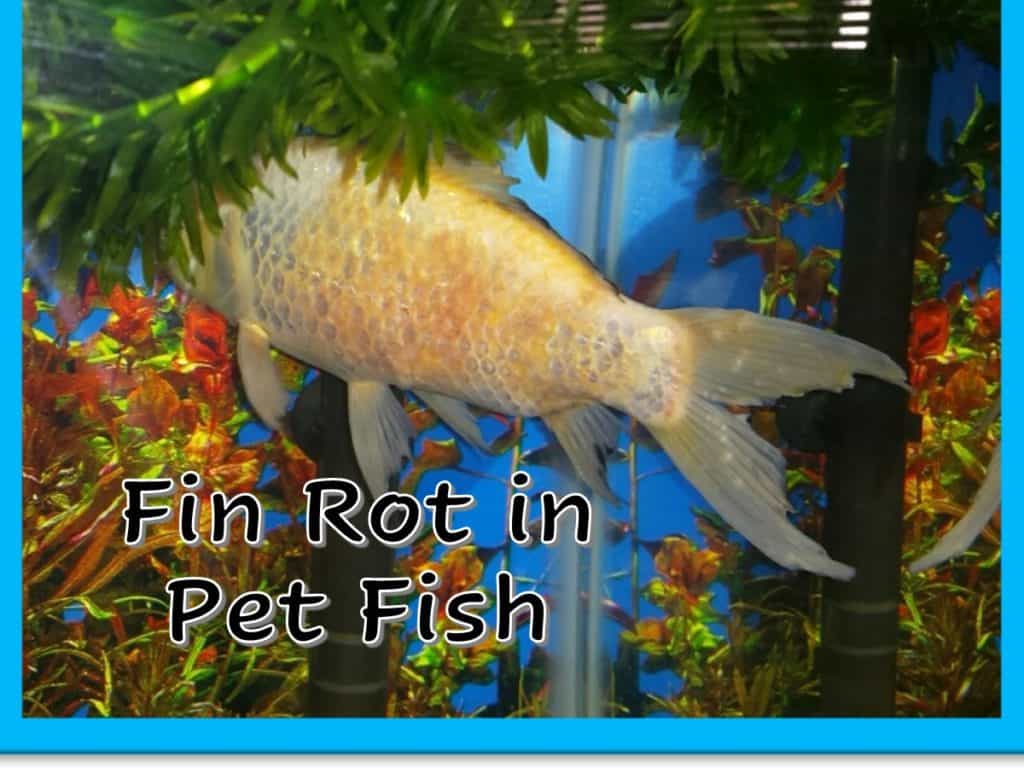
Diagnosis relies on observation and water tests. Look for the classic fin rot signs and confirm with water parameter readings.
Steps to diagnose:
- Visually inspect fins and body for ragged edges and color changes.
- Test ammonia, nitrite, nitrate, pH, and temperature.
- Observe fish behavior and check other tank mates for similar signs.
- If unsure, consult a vet or bring a clear photo to a local fish store.
A microscope or lab test can identify the exact bacteria, but most home treatments work well for common fin rot. Be honest about limitations: home diagnosis may miss mixed infections or internal disease.
Treatment options: step-by-step
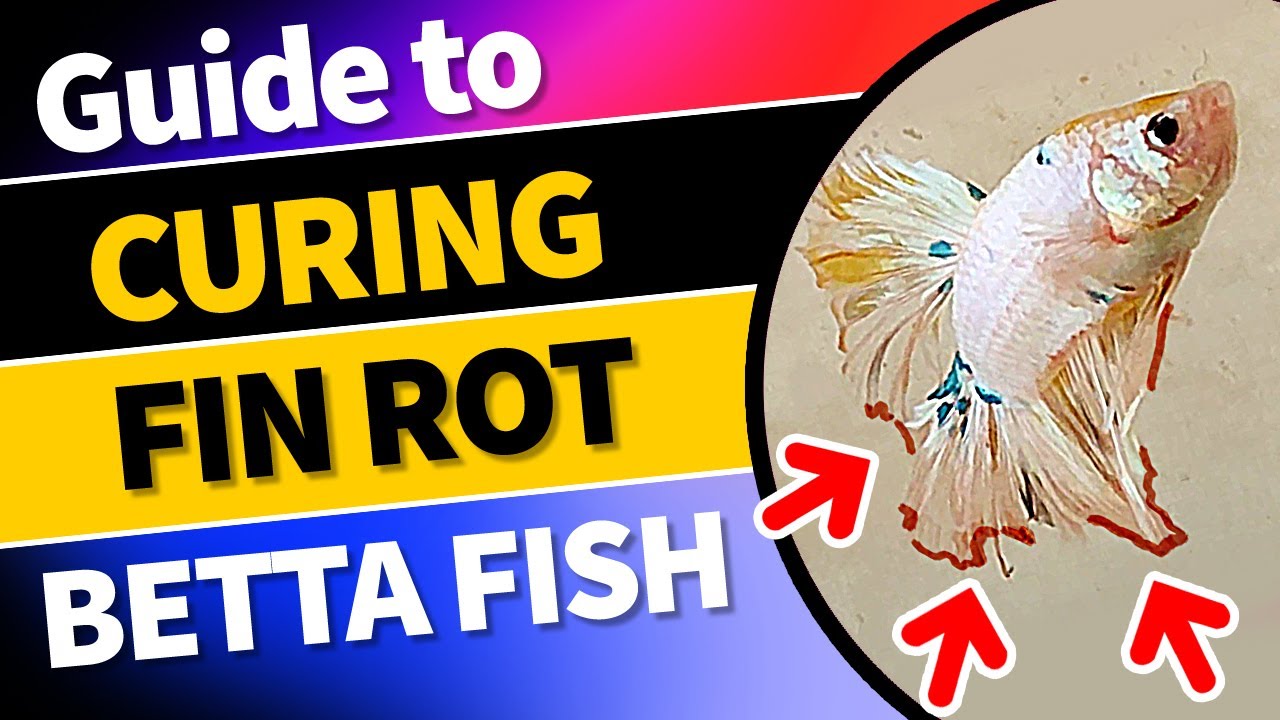
Treating fish fin rot is mostly about improving water and using targeted meds when needed. Below is a step-by-step plan I use.
-
Improve water quality immediately
- Do a 25–50% water change to lower ammonia and nitrite.
- Vacuum the substrate to remove waste.
- Check filter function and remove decaying plants.
-
Isolate the sick fish if possible
- Use a quarantine tank for treatment.
- Keep conditions stable and quiet.
-
Use aquarium salt or medicated baths for mild cases
- Add aquarium salt following product instructions.
- A short medicated salt bath can reduce bacteria on fins.
-
Use antibacterial or antifungal medication for advanced cases
- Use broad-spectrum antibiotics or antibacterial meds labeled for fin rot.
- Follow dose and duration exactly.
- Continue water changes and monitor for side effects.
-
Maintain treatment for several days after visible healing
- Keep treating for 3–5 days after fins look normal.
- Stop too early and the infection may return.
I once paused treatment too soon because the fins looked better. The infection returned. Now I always follow the full course.

Safe medications and dosages (general guidance)
Medication choice depends on the suspected cause. Always read the label. Check compatibility with sensitive species like shrimp or scaleless fish.
Common options:
- Broad-spectrum antibacterial meds for bacterial fin rot
- Antifungal treatments if fuzzy growth appears
- Melafix-type plant-based remedies for mild inflammation
- Antibiotics from a vet for stubborn or systemic infections
Avoid mixing medications without guidance. Some meds harm beneficial bacteria and can spike ammonia. If you use antibiotics, monitor water daily and do extra water changes.

Home care and supportive steps
Support your fish while it heals. Gentle care helps recovery and lowers relapse risk.
Supportive measures:
- Feed high-quality, varied food in small amounts
- Keep the tank at a stable, suitable temperature
- Add a gentle filter or sponge filter in quarantine to keep water clear
- Use stress coat products sparingly to help slime coat recovery
- Remove aggressive tank mates until fins heal
I switched to frozen foods and slow feeding during treatment. Fish ate better and began to regrow fins faster. Small care changes made a big difference.

Prevention: the best long-term strategy
Preventing fish fin rot is easier than treating it. Focus on water quality and low stress.
Preventive steps:
- Test water weekly for ammonia, nitrite, and nitrate
- Perform regular water changes, 20–30% weekly
- Avoid overfeeding and overstocking
- Quarantine new fish for 2–4 weeks before adding to main tank
- Maintain a balanced diet and stable temperature
Prevention saved me time and fish. After adopting a strict quarantine routine, I had almost no fin rot cases for two years.
When to seek professional help
Some cases need a vet or experienced shop help. Seek help if:
- The infection spreads to the body or tail base
- Multiple fish are sick at once
- Medication has no effect after a full course
- Fish show severe weight loss or systemic signs
A vet can provide lab tests and prescribe antibiotics not available over the counter. Professional help is worth it for valuable or sentimental fish.
My top do’s and don’ts from experience
I learned hard lessons. Here are short, practical rules I follow now.
Do:
- Test water first, treat second
- Quarantine new arrivals
- Keep a treatment kit ready
- Finish full medication courses
Don’t:
- Add meds without checking tank inhabitants
- Assume torn fins are only mechanical injuries
- Stop treatment when fins just look better
- Ignore small signs like white edges
These rules helped me save expensive fish and reduced stress for both me and my aquarium friends.
Frequently Asked Questions of fish fin rot
What causes fish fin rot?
Fish fin rot commonly stems from bacterial or fungal infections that take hold when fish are stressed or water quality is poor. Small injuries or fin nips often let pathogens enter.
How fast does fin rot progress?
Fin rot can progress in days or weeks depending on water quality and fish health. Fast action and water corrections slow or stop progress quickly.
Can fish fully regrow fins after fin rot?
Yes, many fish can regrow fins if the base is intact and the infection is cleared. Recovery takes weeks to months and needs stable, clean water.
Is aquarium salt effective for fin rot?
Aquarium salt can help reduce stress and limit bacteria on fins, but it is often not enough alone for advanced fin rot. Use it as part of a wider treatment plan.
Should I remove activated carbon during treatment?
Yes, remove activated carbon during medication as carbon can absorb medicines and reduce their effectiveness. Replace carbon after treatment ends.
Can fin rot infect other fish?
Yes, fin rot can spread in crowded or poor tanks. Quarantine sick fish and fix water issues to prevent spread.
Conclusion
Fish fin rot is common but treatable with quick action, clean water, and proper care. Watch your fish daily, test water routinely, and act fast at the first sign of ragged fins. Use quarantine and safe medication when needed, and follow full treatment courses to avoid relapse. Start applying these tips today to protect your fish and enjoy a healthier aquarium. Leave a comment with your fin rot questions or share your recovery stories.
