
Fish fungus growth is a common opportunistic infection that looks like cottony patches on fish.
I have spent years working with hobbyists and pond managers diagnosing and treating fish fungus growth, so I know how confusing and upsetting it can be. This article explains what fish fungus growth is, why it happens, how to spot it early, and practical steps to treat and prevent it—backed by field experience and current best practices. Read on for clear, actionable guidance you can use today.
What is fish fungus growth?
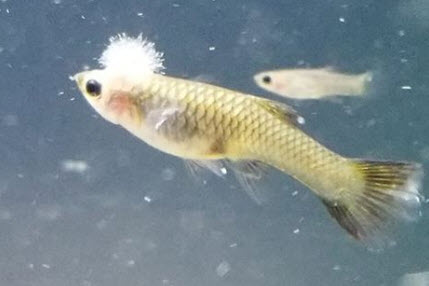
Fish fungus growth describes fungal colonization of fish skin, fins, or gills. Most cases look like white or gray cottony patches that cling to damaged tissue. The fungus often follows injury, stress, or other illness and is usually opportunistic rather than a primary disease. Understanding fish fungus growth helps you stop it early and protect the whole tank or pond.

Causes and risk factors
Fish fungus growth rarely appears out of nowhere. Common causes and risk factors include:
- Poor water quality that stresses fish and weakens their skin defenses.
- Physical injuries from nets, sharp décor, or aggressive tank mates.
- Underlying infections or parasites that damage tissue and invite fungi.
- Overcrowding, sudden temperature changes, and poor nutrition.
- New fish introductions without quarantine, which can bring spores.
Research and field experience show that fish fungus growth takes hold when fish are already compromised. Preventing those triggers lowers risk dramatically.
Common types and agents
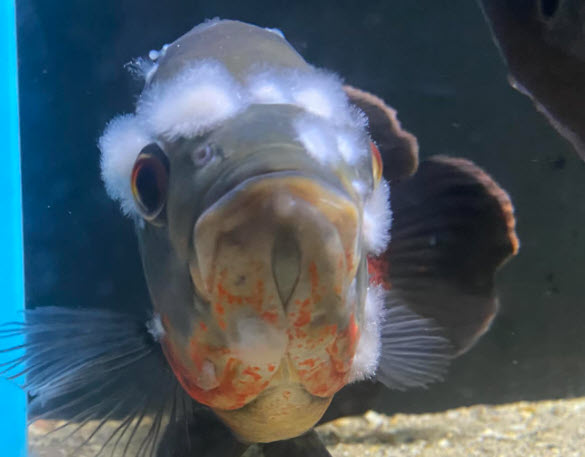
Fungal detections on fish are often from water molds rather than true fungi. Typical agents include:
- Saprolegnia and Achlya species, which look cottony and are common in freshwater.
- Yeast-like fungi that cause slimy, discolored patches.
- Secondary fungal colonizers that follow bacterial or parasitic damage.
Knowing the type helps target treatment. Most hobby treatments work for common water molds, but severe or unusual cases may need lab testing.
Signs and symptoms to watch for
Spotting fish fungus growth early makes treatment much easier. Look for:
- White or gray cottony tufts on fins, body, or gills.
- Fuzzy patches that do not wipe off easily.
- Slowed movement, loss of appetite, or rubbing against objects.
- Secondary signs like ulcers, reddened skin, or fin rot.
If you see one infected fish, check others and test water. Fish fungus growth often spreads when conditions allow.

Diagnosing fish fungus growth
Diagnosis starts with observation and water testing. Steps I follow:
- Inspect the fish closely and compare photos to common fungal images.
- Test ammonia, nitrite, nitrate, pH, and temperature to find stressors.
- Quarantine an affected fish if possible to prevent spread.
- In uncertain cases, send a swab to a fish health lab for a definitive ID.
Accurate diagnosis guides whether to use antifungal baths, salt dips, or systemic treatment.
Treatment options and step-by-step guide
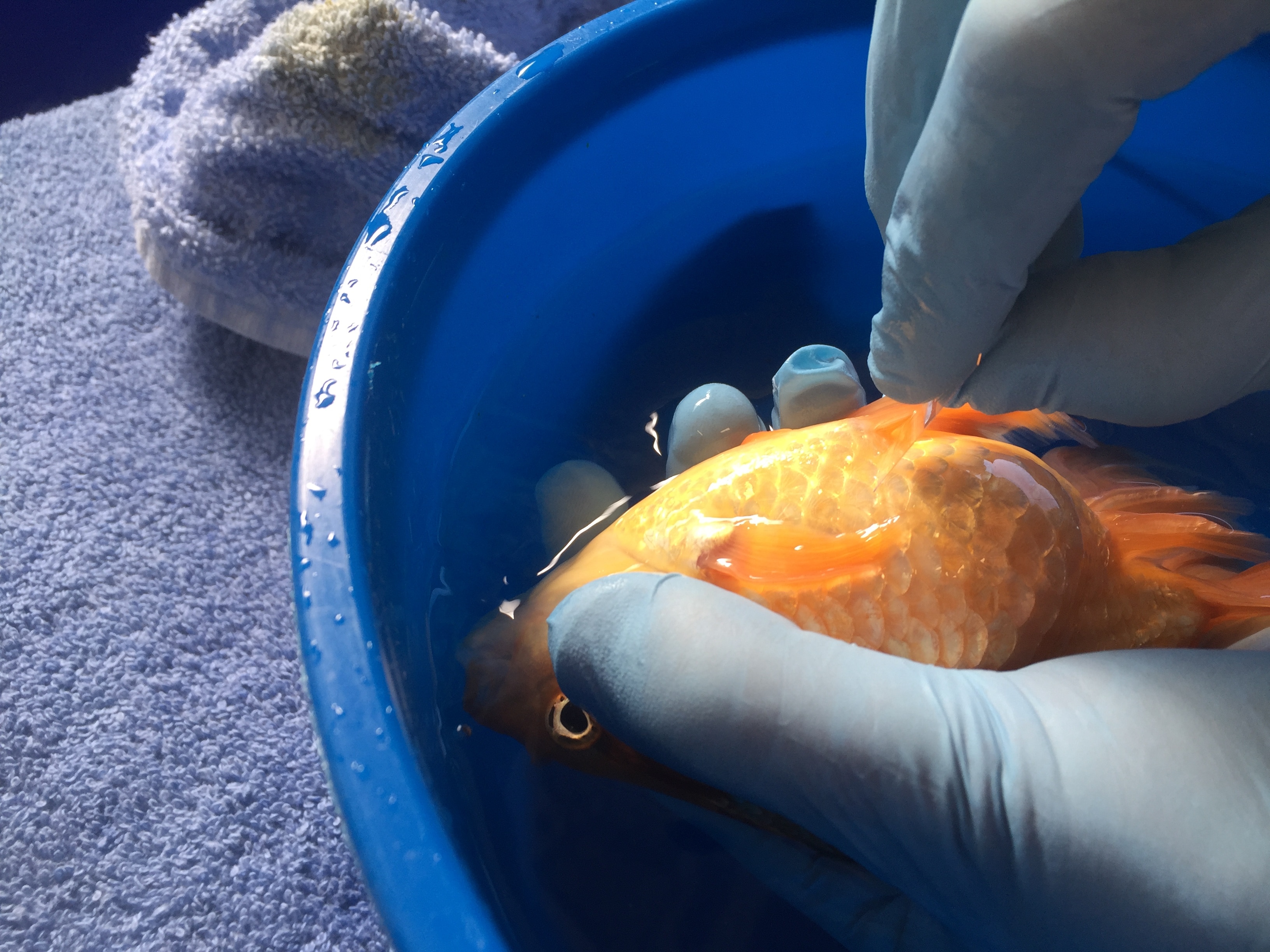
Treat fish fungus growth with a mix of environmental fixes and medications. A practical approach:
- Improve water quality quickly by doing partial water changes and stabilizing temperature.
- Isolate sick fish in a quarantine tank to treat without stressing the main stock.
- Use medicated baths or dips such as aquarium salt, potassium permanganate, or commercially available antifungal treatments following label instructions.
- Apply topical treatments for localized patches when possible, and treat underlying injuries or parasites.
- Repeat treatments and monitor for improvement over days to weeks.
From experience, combined steps work best: clean water, remove stressors, then medicate. Avoid overmedicating and follow dose instructions strictly.

Preventing fish fungus growth
Prevention beats treatment. Key prevention practices I recommend:
- Quarantine new fish for 2–4 weeks before adding them to the main tank.
- Maintain strong filtration and perform regular water changes.
- Avoid overfeeding and remove uneaten food quickly.
- Keep tank decor smooth and safe to prevent injuries.
- Balance stocking levels to reduce stress and aggression.
Small habits prevent most cases of fish fungus growth. I once prevented an outbreak by simply fixing an overstocked tank and improving feeding routine.

Aquarium and pond care best practices
Good husbandry reduces fungal risk across environments. Best practices include:
- Monitor water chemistry weekly and keep records of changes.
- Clean filters and remove debris regularly without destroying beneficial bacteria.
- Use UV sterilizers in ponds or larger systems if infections persist seasonally.
- Offer varied, nutritious diets to support immune health.
- Consider seasonal management for ponds, like aeration and partial winter care.
These measures lower the chance of fish fungus growth and improve overall fish resilience.

When to seek professional help
Some cases need expert attention. Consult a vet or fish health lab if:
- Multiple fish show severe fungal growth or die quickly.
- Treatments fail after several rounds and the condition spreads.
- You suspect a mixed infection with bacteria or parasites.
- You manage valuable stock or a large pond where losses would be significant.
Professional diagnosis can reveal the exact agent and recommend targeted therapy.
Frequently Asked Questions of fish fungus growth
What causes fish fungus growth in freshwater tanks?
Fish fungus growth in freshwater tanks usually follows injury, poor water quality, or stress that lets fungal spores colonize damaged tissue.
Can I treat fish fungus growth with salt?
Yes, aquarium salt and salt baths can help many cases of fish fungus growth by reducing osmotic stress for fish and limiting fungal growth, but follow safe dosages.
How long does it take to cure fish fungus growth?
With good water care and proper treatment, mild cases often improve in a week or two, while severe cases may take several weeks to clear.
Will fish fungus growth spread to other fish?
Yes, fish fungus growth can spread when spores are present and fish are stressed. Quarantine and improved water conditions reduce spread.
Is fish fungus growth harmful to humans?
Most common fish fungi are not a major human risk, though people with weakened immune systems should avoid contact with infected fish and water.
Should I remove decorations if fish fungus growth appears?
You should clean or disinfect decorations that may harbor spores, especially if they caused injuries or had biofilm buildup that can shelter fungi.
Conclusion
Fish fungus growth is common but manageable with quick action, good water care, and correct treatments. Focus on preventing stress, quarantining new fish, and treating early to stop spread and long-term harm. Take one step today: test your water, inspect your stock, and update your quarantine routine to protect your fish. Share your experiences, subscribe for more tips, or leave a comment about your own fungal battles.
