
Most aquarium fish hide constantly when stressed, sick, or facing poor water conditions.
I’ve kept and studied aquariums for years, so I know how worrying it is when fish hide constantly. This guide explains why fish hide constantly, how to spot the root causes, and clear steps to help your fish feel safe again. Read on for practical tips, real-life examples, and easy tests you can run today.

Why fish hide constantly: common causes
Fish hiding constantly is a common sign that something in their world is off. Causes range from simple stress to serious illness. Identifying which cause fits your tank helps you act quickly.
Common causes include:
- Poor water quality that shocks fish or irritates gills
- Sudden temperature changes or incorrect temperature
- Bullying from tank mates or territorial disputes
- Illness, parasites, or injury that make fish seek shelter
- Bright lights, loud vibrations, or frequent disturbances

Health problems that lead to fish hiding constantly
Many health issues make fish hide constantly because shelter feels safer. Bacterial infections, parasites like ich, and fungal outbreaks commonly cause hiding behavior. These conditions also make fish lose appetite and appear lethargic.
From my experience, one angelfish hid for days after a minor gill infection. Treating the water and giving medication stopped the hiding in a week. If hiding comes with white spots, torn fins, or rapid breathing, treat for disease and improve water quality immediately.
:strip_icc()/Hiding_Spot_Eric_Savage-56a330085f9b58b7d0d0dff2.jpg)
Stress, environment, and water quality
Stress is the silent driver behind fish hiding constantly. Poor water chemistry like high ammonia or nitrite levels irritates fish quickly. Inconsistent maintenance, overcrowding, and wrong filtration worsen stress.
Simple checks to reduce stress:
- Test ammonia, nitrite, nitrate, and pH every week
- Keep a stable temperature tailored to your species
- Avoid overcrowding; follow recommended fish per gallon
- Provide hiding places like plants and caves so shy fish feel safe
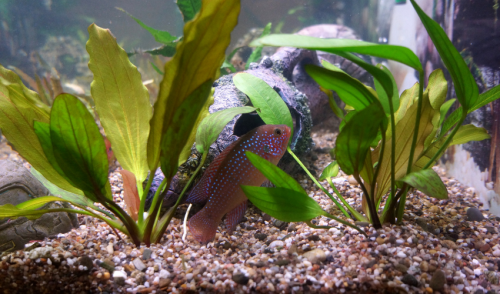
Tank mates and behavior: social reasons fish hide constantly
Sometimes hiding is behavioral, not medical. Some species are shy by nature. Others hide because a tank mate is aggressive. Territorial species may chase others into hiding spots repeatedly.
How to address social hiding:
- Research compatibility before adding fish
- Rearrange decor to break sight lines and reduce chasing
- Add more hiding spots so bullied fish have multiple refuges
- Consider temporary isolation if one fish is being harassed
How to diagnose and test when fish hiding constantly
Diagnosing the cause of fish hiding constantly is mostly about observation and tests. Start with water testing and simple behavior checks. These steps help you narrow down whether it is illness, stress, or social issues.
Diagnostic checklist:
- Test water parameters immediately and retest after changes
- Observe appetite, breathing, coloration, and swimming
- Move the fish to quarantine if you suspect contagious disease
- Try temporary dimmed lights and reduced activity near the tank

Practical fixes and daily care to reduce hiding
Fixing fish hiding constantly often requires steady, small changes. Quick reactions can backfire, so act calmly and methodically. Here are steps that worked for me repeatedly.
Step-by-step actions:
- Perform a partial water change of 20–30 percent to improve water quality.
- Check and adjust temperature slowly to avoid shock.
- Add gentle flow and more plants or decorations for shelter.
- Reduce feeding to one small meal per day until appetite returns.
- Quarantine sick fish and treat as recommended for symptoms.

When to consult a vet or expert
If fish hiding constantly persists after basic fixes, get expert help. Some issues need professional diagnosis and treatment. A vet can run tests and prescribe specific medication.
Seek veterinary help when:
- Hiding lasts more than two weeks with no improvement
- Fish show severe symptoms like open sores, gasping, or drastic weight loss
- Multiple fish get sick quickly, suggesting contagious disease

Frequently Asked Questions of fish hiding constantly
Why did my fish start hiding constantly overnight?
Sudden hiding overnight usually points to a rapid change in water quality, temperature, or a new tank disturbance. Test water and inspect equipment for failures or sudden changes.
Can a fish hide constantly and still be okay?
Yes. Some species are naturally shy and prefer hiding more than swimming in the open. Monitor appetite and breathing to confirm they are healthy.
How long should a fish hide constantly before I worry?
If hiding continues beyond a few days and the fish won’t eat, worry and act. Persistent hiding for a week or more needs water tests and possible treatment.
Will adding plants stop fish hiding constantly?
Adding plants helps by providing cover and lowering stress, but plants alone may not solve hiding if water quality or tank mates are the cause. Use plants as part of a broader approach.
Should I move the hiding fish to a new tank?
Moving the fish can help if bullying is the cause or for quarantine during treatment. Move carefully and avoid sudden changes in water chemistry to prevent further stress.
Does lighting affect fish hiding constantly?
Yes. Too-bright lights can make fish hide constantly because they feel exposed. Use dimmer lighting or floating plants to create shade and calm.
Conclusion
Fish hiding constantly is a clear signal your aquarium needs attention. Check water quality, observe behavior, and make steady, calm changes. Small fixes—partial water changes, more hiding spots, and correct tank mates—often stop hiding within days. If problems persist, consult a vet or experienced aquarist. Try one change today, track responses, and leave a comment about what worked for you or subscribe for more tank-care tips.
