
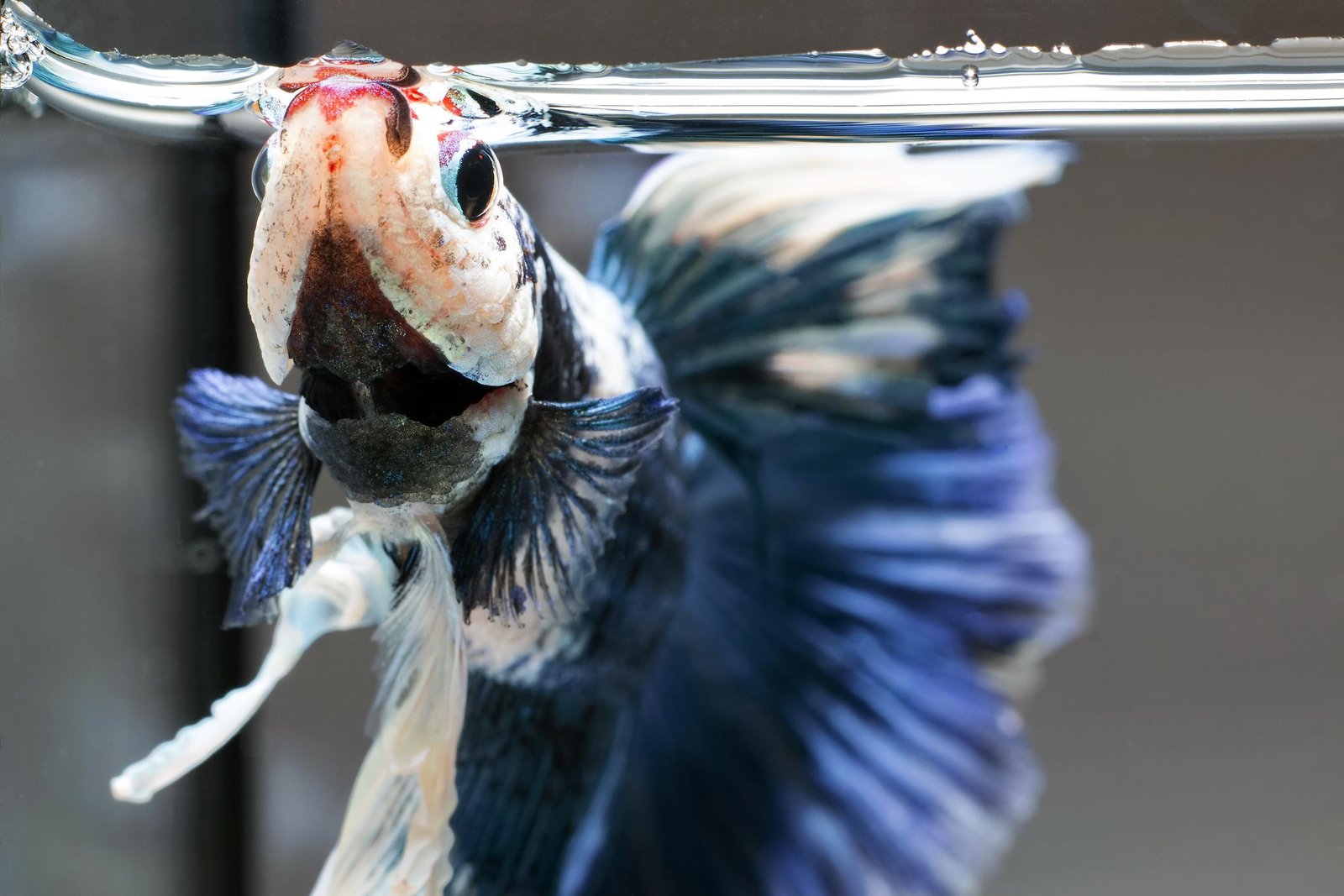
Most fish stop eating because of stress, poor water quality, or illness.
I have kept and treated many tanks over the years, so I know how worrying it is when fish stop eating. This article dives deep into why fish not eating happens, how to diagnose the cause, and clear steps to help your fish recover. You will get practical tips from bedside checks to water tests, plus real-life lessons I learned from reef tanks and community aquariums. Read on to find fast, calm, and effective actions you can take when fish not eating becomes a problem.

Causes of fish not eating
Fish not eating can have many causes. Some are sudden and fixable. Some are slow and need treatment. Below are the common reasons I see most often.
- Water quality problems. High ammonia, nitrite, or wrong pH makes fish stop eating quickly. Poor water is the top cause I encounter.
- Stress from changes. New tankmates, new decor, or moved tanks can stress fish and cut appetite.
- Temperature issues. Too cold or too hot slows metabolism so fish eat less.
- Diseases and parasites. Bacterial, fungal, and parasitic infections often reduce feeding.
- Poor diet or food boredom. Fish may refuse food if it is low quality or not what they expect.
- Overfeeding or sudden fasting. Overfed fish may have digestive upset and then stop eating.
- Light and day/night cycles. Wrong lighting or irregular cycles can disrupt feeding times.
- Poor oxygen or high CO2. Low oxygen discourages feeding and causes lethargy.
- Pregnancy or spawning. Some species eat less when breeding or brooding.
When you see fish not eating, check water first. Water issues are easy to test and often fix. My rule: test water before you assume disease.

How to diagnose why your fish not eating
A clear diagnosis saves time and stress. Follow these steps in order to find why fish not eating.
- Observe behavior. Look for gasping, hiding, clamped fins, or listlessness. Note which fish refuse food.
- Test water. Check ammonia, nitrite, nitrate, pH, and temperature. Use fresh test kits.
- Inspect for visible signs. Look for white spots, redness, frayed fins, or bloating.
- Check tank history. New additions, recent meds, or cleaning can explain appetite loss.
- Quarantine if needed. Move sick fish to a quarantine tank to prevent spread.
PAA-style question: Why did my fish stop eating overnight?
- Sudden stops often point to stress, water spike, or a new tank change. Test water and watch for quick signs of illness.
PAA-style question: Can fish skip meals and be okay?
- Many fish can miss a meal or two and be fine. Long gaps (several days) often mean an underlying problem.
PAA-style question: How long before loss of appetite is an emergency?
- If fish stop eating and show gasping, rapid color loss, or abnormal swimming, act within 24 hours. These are red flags.

Common triggers by species and life stage
Different fish react differently when fish not eating becomes an issue. Know the common triggers for your species.
- Tropical community fish. Susceptible to water and temperature swings. Appetite drops with stress.
- Goldfish and cold-water species. Digestive blockages from rich food can cause refusal to eat.
- Bettas and gouramis. Sensitive to poor water and overfeeding. They may stop to show stress.
- Fry and juveniles. Need frequent feeding; appetite loss can be life-threatening quickly.
- Livebearers during pregnancy. May eat less when carrying fry.
Tailor your response to the species. For fry, act fast. For adults, track water and behavior for a few days before treatment.

Treatment and feeding strategies when fish not eating
Use a calm, stepwise approach. Quick fixes can help, but do not rush to heavy medication.
-
Immediate steps
- Test water and do a 25-50% water change if ammonia or nitrite is present.
- Lower stress: dim lights and pause tank maintenance for a day.
- Improve oxygen: add surface agitation or an air stone.
-
Food strategies
- Offer live or high-smell foods such as brine shrimp or bloodworms to tempt timid eaters.
- Try a fast: many species benefit from 24–48 hours without food before resuming small feeds.
- Warm the tank slightly (1–2°F or 0.5–1°C) for tropical species to boost metabolism.
-
Medical steps
- Quarantine and treat diagnosed infections with appropriate meds.
- Avoid broad antibiotics without a diagnosis to prevent resistance.
- For parasite issues, use proven anti-parasitic treatments and follow dose instructions.
-
Special care for picky eaters
- Rotate food types: flakes, pellets, frozen, and live to prevent boredom.
- Use sinking pellets for bottom feeders and floating food for surface feeders.
I once had a community tank where several tetras did not eat after a heater failure. A quick test showed a slight ammonia spike. A partial water change and offering live daphnia pulled them back to normal within two days. That taught me to test first and tempt with live food second.
:strip_icc()/GettyImages-1215480249-2c08466436554f1aa5acff8ffb8fd74f.jpg)
Long-term prevention and care for fish not eating
Prevention beats cure. A steady routine keeps fish eating well.
- Maintain stable water
- Test weekly for ammonia, nitrite, nitrate, and pH.
- Do regular partial water changes.
- Feed smart
- Feed small amounts twice a day. Remove leftovers after a few minutes.
- Offer a varied diet to meet nutritional needs.
- Quarantine new arrivals
- Keep new fish in quarantine for 2–4 weeks to watch for appetite loss or disease.
- Monitor tankmates
- Avoid aggressive species that bully others and cause them to stop eating.
- Keep logs
- Write short notes on feeding, water numbers, and behavior to spot trends.
Small, steady habits stop most cases of fish not eating before they start. Routine is your best friend.

Frequently Asked Questions of fish not eating
Why is my fish not eating but still active?
Your fish may be stressed or adjusting to a new tank. Active behavior is good, but test water and offer tempting food to check appetite.
How long can a fish go without food?
Many adult fish can live a week or more without food, but juveniles and fry need regular feeding. Long gaps raise disease risk and weaken immunity.
Should I medicate if my fish not eating?
Only medicate when you see signs of infection or have a diagnosis. Unnecessary meds can harm beneficial bacteria and stress fish further.
Can poor water quality stop fish eating?
Yes. High ammonia or nitrite often causes immediate appetite loss. A quick water test and change can often restore feeding.
What foods encourage a fish not eating to eat again?
Live foods, frozen bloodworms, and brine shrimp have strong smells and can entice reluctant fish. Warm the tank slightly for better acceptance.
Is temperature the reason my fish not eating?
Temperature affects metabolism. If the water is too cold or too warm, fish may slow down or refuse food. Adjust slowly to safe ranges.
Can stress from tankmates cause fish not eating?
Yes. Bullying or chasing can prevent timid fish from feeding. Arrange hiding spots and remove overly aggressive fish if needed.
Conclusion
Fish not eating is common but manageable. Test water first, observe behavior, and try simple steps like a water change, quarantine, and tempting live food. Use a calm, steady plan and keep a short log to spot problems early. Start today by testing your water and noting any behavior changes. If this guide helped, try one small change now and see how your fish respond — and consider subscribing or leaving a comment to share your experience.
