
Rapid breathing in fish usually signals low oxygen, poor water quality, or gill disease.
I’ve spent years caring for aquariums and treating stressed fish. This article explains why fish rapid breathing happens, how to diagnose it, and clear, practical steps to treat and prevent it. Read on for expert-backed tips, real-life examples, and easy actions you can take today to help your fish breathe easier.

Understanding fish rapid breathing
Fish breathe by moving water over their gills. Rapid breathing means faster than normal opercular (gill cover) movement. Rates vary by species, size, and activity. Seeing rapid gill movement is often the first sign something is wrong.
Rapid breathing can be subtle at first. Small increases in rate can quickly worsen into gasping at the water surface. Knowing normal behavior for your species helps you spot trouble early. Studies and aquarium practice show that oxygen, water chemistry, and gill health are the main drivers of this symptom.

Common causes of fish rapid breathing
- Low dissolved oxygen
- Warm water holds less oxygen. Poor surface agitation cuts oxygen exchange.
- High temperature
- Heat raises metabolism. Fish breathe faster to meet increased oxygen demand.
- Poor water quality
- Ammonia, nitrite, and high CO2 irritate gills and reduce oxygen transport.
- Gill infections and parasites
- Gill flukes, bacteria, or fungi damage gill tissue and trigger rapid breathing.
- Toxins and chemicals
- Chlorine, heavy metals, and some medications harm gills immediately.
- Overcrowding and stress
- Too many fish or rough handling increases oxygen demand and breathing rate.
- Low flow or clogged filters
- Reduced filtration cuts oxygen and raises harmful compounds.
Each cause needs a different response. Observing context — tank mates, temperature changes, or recent treatments — helps narrow the cause quickly.
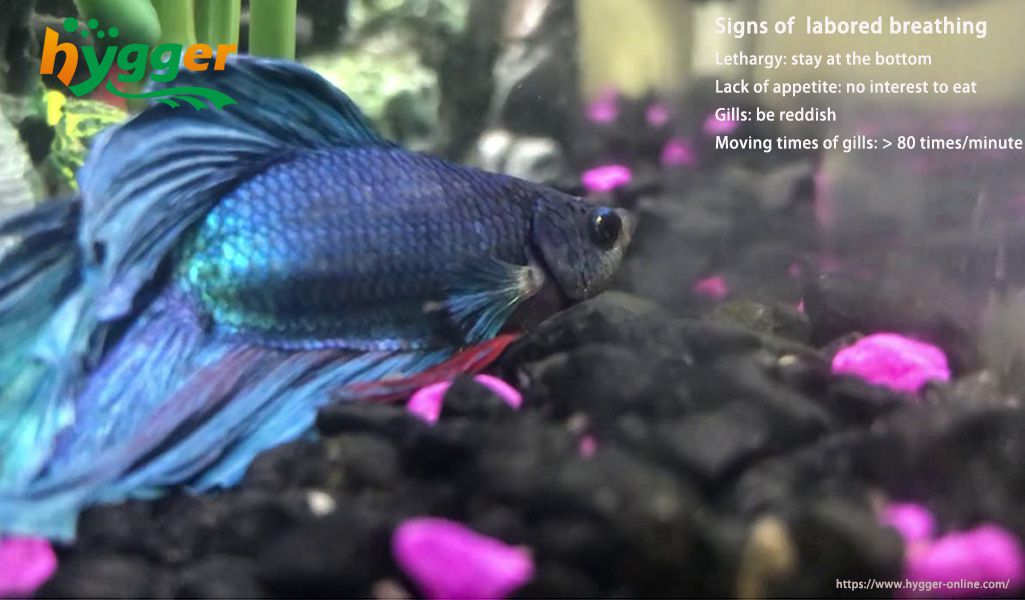
How to recognize and diagnose the problem
- Watch breathing rate and behavior
- Count opercular beats or note visible gasping at the surface.
- Check water parameters immediately
- Test for temperature, pH, ammonia, nitrite, and dissolved oxygen if possible.
- Look for gill and body signs
- Pale, reddened, or slimy gills suggest infection or chemical damage.
- Inspect environment
- Look for dead plants, decaying food, or a failing filter.
- Isolate if needed
- Move a single affected fish to a quarantine tank when unsure.
Diagnosis is a mix of observation and testing. Quick water tests often reveal the culprit. If water tests are normal, suspect disease or toxins.

Immediate actions to take when you see rapid breathing
- Improve oxygen quickly
- Add aeration, increase surface agitation, or raise filter outflow.
- Do a partial water change
- Replace 25–50% with properly treated water to reduce toxins.
- Reduce temperature slightly (if safe)
- Lowering temperature by a few degrees can raise oxygen levels and slow metabolism.
- Stop feeding temporarily
- Uneaten food can worsen water quality.
- Remove dead or decaying matter
- Clean substrate and plants that may be rotting.
- Isolate a very sick fish
- Use a quarantine tank with good aeration to monitor and treat.
Act fast. Small, calm steps often prevent deaths. Avoid panic treatments like overdosing medications without clear cause.

Treatment and long-term care options
- Treat water chemistry issues
- Use ammonia and nitrite detoxifiers if needed. Maintain zero ammonia and nitrite.
- Address infections
- Use antiparasitic or antibacterial meds when gill flukes or bacterial gill disease are identified.
- Gentle salt baths
- Low-dose aquarium salt can ease osmoregulation for some species. Use species-safe doses.
- Improve filtration and maintenance
- Add sponge filters or increase biofiltration capacity.
- Consider oxygen supplements
- Oxygen concentrators or tablets help in emergencies, but fix the root cause.
- Follow-up care
- Monitor water daily, repeat tests, and keep the fish in a stable, clean tank until full recovery.
Always follow medication instructions and consult a vet when infection is suspected. Some treatments stress fish further if used incorrectly.

Prevention strategies for fish rapid breathing
- Maintain stable water parameters
- Test weekly for ammonia, nitrite, and nitrate. Keep temperature steady.
- Avoid overcrowding
- Stock fish according to tank size and species needs.
- Quarantine new arrivals
- Observe new fish for at least two weeks before introducing them.
- Regular maintenance routine
- Weekly partial water changes and filter cleaning prevent toxins from building up.
- Use proper aeration and surface movement
- Ensure good gas exchange at the water surface.
- Feed wisely
- Avoid overfeeding. Remove leftovers within a few minutes.
Prevention is the best cure. Small daily habits stop most causes of fish rapid breathing.

When to seek a vet or professional help
- Multiple fish show symptoms at once
- Widespread rapid breathing suggests a tank-wide issue.
- Visible gill damage or blood
- Red or eroded gills need expert diagnosis and treatment.
- No improvement after water fixes
- If water changes and aeration don’t help in 24–48 hours, get professional help.
- Complex infections or resistant parasites
- Some gill diseases need prescription meds or lab tests.
A vet can run tests and prescribe targeted treatment. Don’t delay when several fish or prized specimens are affected.
Personal experience and case examples
I once had a community tank where three tetras began rapid breathing overnight. Water tests showed rising nitrite from a failing heater that reduced flow. A 50% water change, added aeration, and replacing a clogged filter resolved the problem in two days. I learned to check flow and clean pre-filters weekly.
In another case, a goldfish with rapid breathing had gill flukes. Quarantine and targeted antiparasitic treatment cleared the parasites over two weeks. The key lesson: early isolation and correct diagnosis save lives.
Frequently Asked Questions of fish rapid breathing
What immediate steps should I take if my fish is breathing rapidly?
Check water quality, add aeration, and perform a partial water change. Isolate very sick fish in a well-aerated quarantine tank if you can.
Can low oxygen alone cause rapid breathing?
Yes. Low dissolved oxygen makes fish breathe faster and gasp at the surface. Increasing surface agitation and aeration usually helps quickly.
Is rapid breathing contagious to other fish?
Rapid breathing itself isn’t contagious, but the underlying cause, like gill parasites or bacterial infection, can spread. Quarantine new or sick fish to limit spread.
Will aquarium salt help my fish breathe easier?
Salt can help in some cases by easing osmotic stress and reducing parasite load. Use species-safe doses and avoid salt for saltwater species.
How long does it take for fish rapid breathing to improve?
Improvement can be seen within hours after oxygen and water fixes. If due to disease, treatment may take days to weeks depending on severity and response.
Should I stop feeding fish that are breathing rapidly?
Yes. Stop feeding for a day or two to reduce waste and ammonia buildup. Resume small feedings once the fish stabilize.
Conclusion
Rapid breathing in fish is a clear warning sign. Common causes include low oxygen, poor water quality, and gill disease. Act fast with aeration, water changes, and proper diagnosis. Regular maintenance, quarantine protocols, and careful stocking prevent most problems. Use these steps to protect your fish and keep your tank healthy.
Take action today: test your water, increase aeration if needed, and note any behavior changes. If you found this helpful, try the steps now, subscribe for more care guides, or leave a comment with your fish story.
