
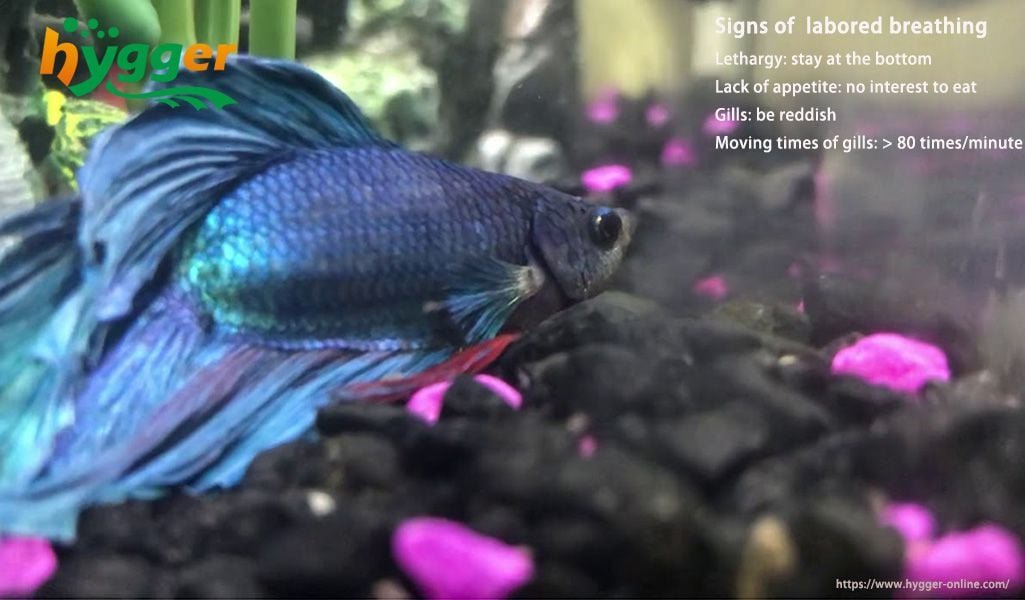
Rapid breathing in fish most often signals low oxygen, poor water quality, or gill stress.
I have kept and treated many aquarium and pond fish for over a decade. In this guide I explain what fish rapid breathing looks like, why it happens, how to diagnose causes, and practical steps to help your fish recover. You will get clear, step-by-step actions, real-life tips from my experience, and easy prevention plans so you can act fast when you spot fish rapid breathing.

What is fish rapid breathing?
Fish rapid breathing means the fish moves its gill covers faster than normal. You will see quick operculum beats or the fish gasping at the surface. This change can be subtle at first. It often shows alongside other signs like lethargy, clamped fins, or flared gills.
Why this matters:
- Fish get oxygen through gills. Fast breathing often means not enough oxygen.
- It can be a sign of water problems, disease, or environmental stress.
- Early detection lets you fix the issue before it becomes deadly.

Source: reddit.com
Common causes of fish rapid breathing
Below are the main reasons you might see fish rapid breathing. Each cause has simple checks you can do.
- Low dissolved oxygen
- Warm water holds less oxygen. Heavy stocking or cloudy water lowers oxygen too.
- Symptoms include gasping at the surface and rapid gill movement.
- Poor water quality
- High ammonia, nitrite, or nitrate can damage gills and cause fast breathing.
- Test kits reveal these issues quickly.
- Gill disease and parasites
- Gill flukes, bacterial gill disease, and fungal growth reduce gas exchange.
- Look for reddened or frayed gills and excess mucus.
- High temperature and low flow
- Heaters out of range and weak filtration reduce oxygen and raise stress.
- Overcrowding and heavy feeding
- Too many fish or too much food spikes wastes and lowers oxygen.
- Chemical exposure
- Chlorine, chloramine, or copper can irritate gills and cause rapid breathing.
- Trauma and physical injury
- Gill damage from rough handling or sharp décor leads to labored breathing.
Recognizing the likely cause helps you pick the correct response fast. Fish rapid breathing due to low oxygen needs different steps than breathing caused by gill parasites.
How to observe and measure breathing rate
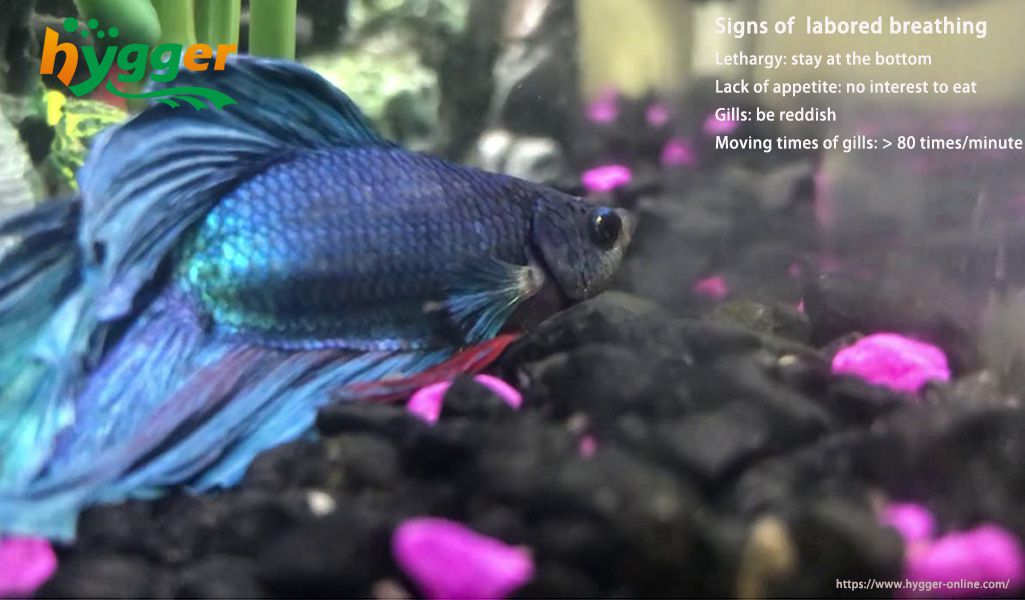
Counting breaths helps track severity and recovery.
Steps to measure:
- Watch from a calm spot for one minute.
- Count operculum beats (gill cover openings) for a single fish.
- Compare to typical rates for that species; if unknown, contrast to similar healthy tankmates.
- Note if breathing changes when the fish is inactive or at the surface.
Signs to record:
- Beats per minute
- Surface gasping
- Paired symptoms like clamped fins, rubbing, or white spots
Short tests give a baseline. Repeat counts after any corrective step to check improvement.

Immediate steps to take when you see fish rapid breathing
Act fast but calmly. Use this checklist as a quick response plan.
- Test water parameters immediately
- Use a kit for ammonia, nitrite, nitrate, pH, and temperature.
- Increase oxygenation
- Add an air stone, raise filter outflow, or increase surface agitation.
- Perform a partial water change
- Replace 20–30 percent of water with properly conditioned water.
- Lower temperature slightly if too warm
- Drop a few degrees to increase oxygen solubility.
- Reduce feeding and remove uneaten food
- Less waste reduces ammonia build-up.
- Isolate obviously sick fish
- Use a hospital tank if you suspect parasites or severe illness.
- Avoid medications without a diagnosis
- Incorrect treatment can stress fish further.
These steps often reverse fish rapid breathing caused by environmental issues. If breathing stays fast after 24 hours, move to diagnostic treatment.

Diagnosis and treatment options
Once immediate needs are met, use specific treatments based on likely cause.
Diagnostic tips:
- Repeat water tests over 24 hours.
- Inspect gills (if possible) for color and damage.
- Look for external signs: spots, frayed fins, or slime.
- Consider sending photos to a fish vet or experienced keeper.
Treatment options:
- Oxygen and water quality fixes
- Continue aeration and regular water changes.
- Antiparasitic treatments
- Use parasite-specific meds if gill flukes or external parasites are confirmed.
- Salt baths
- Low-dose aquarium salt can reduce stress and help gill function for freshwater species.
- Antibiotics or antibacterial treatments
- Only use when a bacterial infection is suspected; follow vet guidance.
- Remove toxins
- Perform large water changes and activated carbon if chemicals are suspected.
Be cautious with dosing and avoid mixing meds. When unsure, consult an aquatic vet or trusted expert. Timely, accurate diagnosis improves outcomes for fish rapid breathing.

Prevention and long-term care
Prevention is the best cure for fish rapid breathing. Simple habits keep oxygen high and gills healthy.
Daily and weekly routines:
- Test water weekly and after big changes.
- Do regular partial water changes.
- Clean filters and maintain flow.
- Avoid overfeeding and overstocking.
- Quarantine new fish for at least two weeks.
- Use plants and good aquarium design to boost oxygen.
Long-term tips:
- Match fish species to tank size and water conditions.
- Keep a backup air pump or battery aerator for power outages.
- Monitor seasonal temperature shifts in outdoor ponds.
Good routines cut risk and make spotting fish rapid breathing much easier.
Personal experience and practical tips
From my years keeping community tanks and treating pond fish, I learned a few key lessons.
Real example:
- I once had a school of tetras with rapid breathing after a heater failed overnight. Quick aeration and a 30 percent water change saved them within 12 hours.
Lessons learned: - A single failure (heater, filter) can cause rapid breathing fast. Redundancy matters.
- Don’t rush to medication. Fix water first, then treat specific disease.
- Keep a simple emergency kit: test strips, dechlorinator, liquid salt, and an air pump.
Mistakes to avoid:
- Overdosing medications when unsure.
- Ignoring small signs like slight increases in breathing rate.
- Adding new fish without quarantine.
Apply these tips and you will reduce stress and deaths linked to fish rapid breathing.

Quick questions people also ask
How fast is too fast for fish breathing?
If a fish’s gill cover beats noticeably faster than stable tankmates or it gasps at the surface, that is too fast and needs checking.
Can low oxygen cause rapid breathing immediately?
Yes. Low dissolved oxygen can cause immediate gasping and rapid breathing, especially after a temperature rise or heavy feeding.
Will a water change stop rapid breathing?
A partial water change often helps when water quality is the issue, but it may not fix disease-related breathing problems.
Is salt safe to treat breathing problems?
Low-dose aquarium salt can help freshwater fish by reducing stress and aiding gill function, but not all species tolerate salt well.
When should I call a vet for rapid breathing?
Call a vet if breathing does not improve after emergency steps, if multiple fish are affected, or if there are clear signs of disease or injury.
Frequently Asked Questions of fish rapid breathing
What does rapid breathing in fish mean?
Rapid breathing usually means the fish is not getting enough oxygen or its gills are damaged. It is a warning sign that needs investigation.
Can rapid breathing be caused by ammonia?
Yes. Ammonia burns the gills and reduces oxygen uptake, which causes fast breathing and lethargy.
How quickly should I act when I see rapid breathing?
Act immediately to check water parameters and add aeration. Quick action can prevent fatalities.
Will antibiotics help if my fish breathes fast?
Antibiotics only help if a bacterial infection is the cause. Use them with a proper diagnosis or vet advice.
How long does it take for fish to recover?
Recovery can take hours to weeks depending on cause and treatment. Environmental fixes often show improvement within 24–48 hours.
Can stress alone cause rapid breathing?
Yes. Stress from moving, new tankmates, or loud noise can cause temporary rapid breathing.
Is surface gasping the same as rapid breathing?
Surface gasping is a form of rapid breathing where fish try to take in more oxygen near the water surface. It often indicates low dissolved oxygen.
Should I isolate a fish that breathes rapidly?
Yes, isolate if the fish shows severe symptoms or if you suspect contagious disease. A hospital tank helps targeted treatment.
Can plants help with oxygen levels?
Live plants can improve oxygen during the day, but they consume oxygen at night. Use plants alongside aeration for best results.
Are pond fish more prone to rapid breathing?
Pond fish can be prone during hot weather or winter oxygen drops. Proper aeration and seasonal care reduce risk.
Conclusion
Fish rapid breathing is a clear sign something is wrong. Check water, boost oxygen, and act with clear steps. Use diagnostics for targeted treatment and build simple prevention habits to protect your fish. Start today by testing your water, keeping emergency aeration ready, and quarantining new arrivals. Share your experiences, subscribe for more practical fish care guides, or leave a comment with your situation so I can help.
