
Fish can die suddenly from stress, poor water, or unseen illness.
I have spent years helping hobbyists and public aquarium staff diagnose and prevent fish sudden death. This article combines hands-on experience, lab-backed reasoning, and clear steps you can use right away to find causes, treat sick fish, and prevent future losses. Read on for practical, step-by-step guidance about fish sudden death that you can use in your tank today.

Causes of fish sudden death
Fish sudden death can stem from many causes. Water quality issues top the list. Low oxygen, high ammonia, nitrite spikes, and sudden pH swings kill fish fast.
Disease also causes rapid loss. Bacterial blooms, viral outbreaks, and parasites can overwhelm fish in days. Poor nutrition and sudden diet changes weaken fish and make disease more likely.
Stress is a silent killer. Crowding, rough handling, transport, sudden light changes, or new tankmates create stress. Stressed fish have weak immune systems and face higher risk of fish sudden death.
Genetics and age matter too. Some breeds are fragile. Older fish die faster when stressed or when disease strikes. I have watched hardy koi survive months in rough water, while a delicate fancy goldfish died in a single night after a poor move.

Common symptoms before fish sudden death
Many signs appear before fish sudden death. Watch for these red flags.
- Rapid gill movement or gasping at the surface.
- Lethargy or hiding more than usual.
- Loss of appetite or refusal to eat.
- Clamped fins, pale color, or sudden darkening.
- Erratic swimming, flashing, or rubbing against decor.
- External sores, fin rot, or blooms of mucus.
Spotting signs early can let you act before fish sudden death occurs. In my experience, a single fish gasping at the surface often precedes several deaths the next day if water quality is not checked.

How to diagnose causes quickly
Diagnosing fish sudden death means acting fast and using simple checks. First, test water. Measure ammonia, nitrite, nitrate, pH, and temperature. High ammonia or nitrite often explains sudden losses.
Second, inspect the tank. Look for crowds, dead plants, blocked filters, and leftover food. Third, observe fish closely for signs of disease or parasites. Use a magnifier if you can.
Fourth, review recent changes. Did you add new fish, new decor, or a medication? Did the power fail? These events often lead to fish sudden death. When I work with tanks, a checklist keeps me from missing a simple cause like a clogged filter.
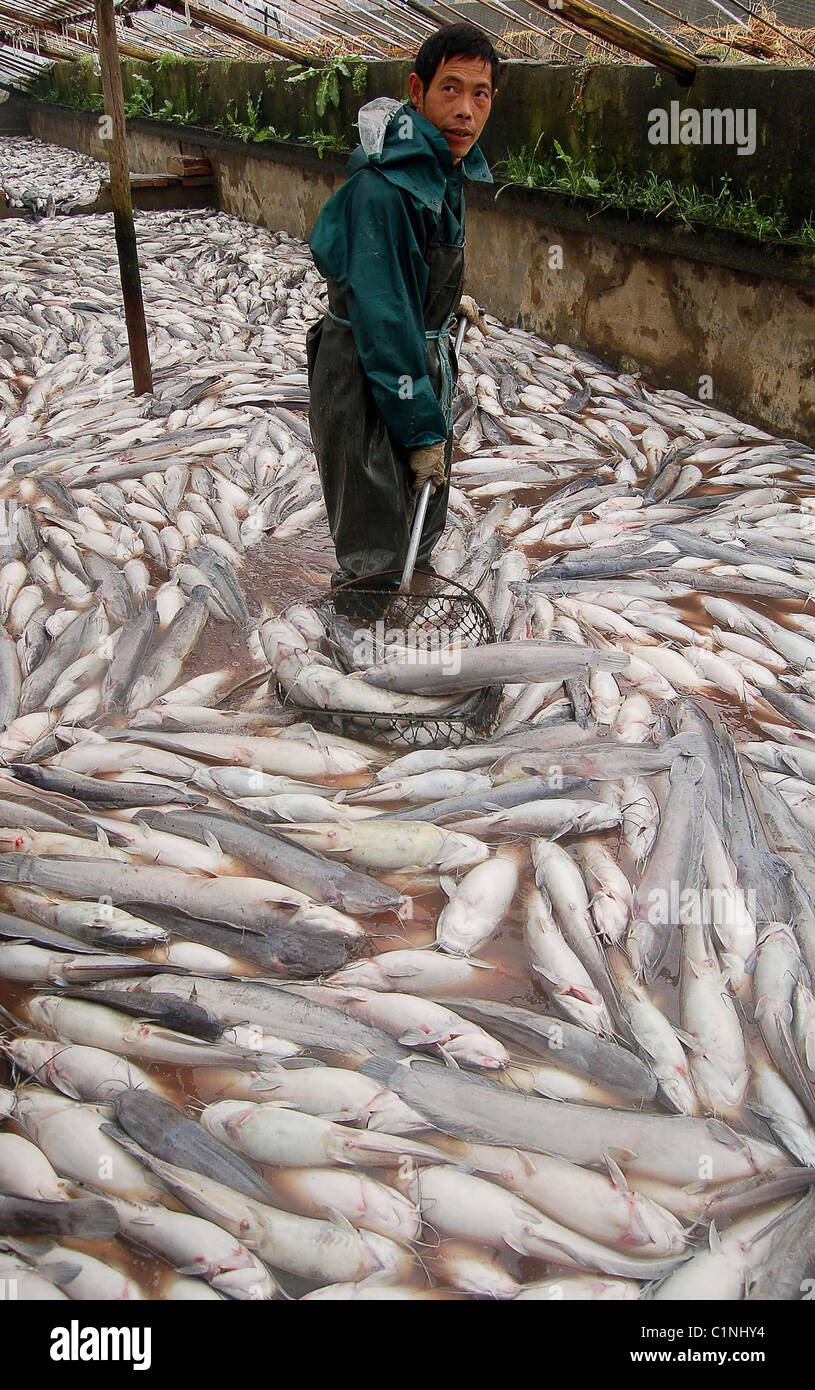
Immediate steps when fish sudden death occurs
If fish die suddenly, follow these steps to protect the rest.
- Remove dead fish promptly to stop bacterial spikes.
- Test water parameters and record values.
- Perform a partial water change of 25 to 50 percent using dechlorinated water at the same temperature.
- Increase aeration with an air stone or stronger filter flow to raise oxygen.
- Quarantine sick or stressed fish if possible.
Acting fast lowers the risk that fish sudden death will spread. I once prevented a wider loss by moving three sick tetras into a hospital tank and doing two water changes in one day. The remaining community recovered.

Treatment options for health issues
Treatment varies by cause. For poor water quality, do repeated water changes and fix the source, like overfeeding or a broken filter. For external bacterial infections, a broad-spectrum antibacterial, used as directed, often helps.
For parasites, use targeted anti-parasitic medicines and freshwater dips when safe. For fungal infections, antifungal treatments and improved water quality work well. Always follow dosing instructions and treat in a quarantine tank when possible.
If many fish show severe symptoms, consult a vet or aquatic specialist. In my experience, overuse of meds without fixing water quality causes more harm than good. Treat the water and the fish together.

Preventing fish sudden death: best practices
Prevention beats cure. Use these steps to reduce the risk of fish sudden death.
- Test water weekly and log results.
- Cycle new tanks before adding fish.
- Avoid overcrowding; follow stocking guides for each species.
- Quarantine new fish for two weeks before adding them.
- Feed a varied, species-appropriate diet and avoid overfeeding.
- Maintain filters and clean media as recommended.
- Stabilize temperature and avoid sudden swings.
A steady routine is one of the best defenses against fish sudden death. I schedule maintenance days and color-code test bottles to make this easy and foolproof.

Tank management tips to reduce risk
Good tank care stops many cases of fish sudden death. Keep these habits.
- Use a quality test kit and check ammonia, nitrite, nitrate, pH, and temperature.
- Keep filter flow matched to your tank size and bioload.
- Use live plants or bio-media to boost biological filtration.
- Vacuum the substrate to remove waste and uneaten food.
- Replace filters or media per manufacturer guidelines to avoid filter failure.
Small, regular tasks prevent most sudden problems. When I inherited a neglected tank, routine cleaning and slow restocking saved the new owner from repeated fish sudden death events.

Case studies and real examples
Case 1: A community tank lost five tetras overnight. Tests showed ammonia at 4 ppm. A cracked filter intake caused a loss of flow. Two large water changes and a new filter returned the tank to normal. No further fish sudden death occurred.
Case 2: A breeder lost young fry in one day. The cause was temperature fluctuation during a power outage. A battery-powered heater and backup pump prevented future losses. This taught me the value of emergency backup for sensitive stocks.
These examples show how common causes of fish sudden death are often simple to fix when identified early.
When to call a vet or specialist
Call an aquatic vet or specialist if:
- Multiple fish die despite water fixes.
- You see unusual lesions, tumors, or large ulcers.
- You handle rare or valuable species and need a precise diagnosis.
A professional can perform necropsies, run lab tests, and recommend treatments you cannot get over the counter. For high-value fish, early expert care often avoids mass loss from fish sudden death.
Long-term monitoring and record keeping
Keep a log to spot trends that lead to fish sudden death. Record these items weekly:
- Water test results and notes on any swings.
- Feeding amounts and any changes in diet.
- New fish added, with quarantine dates.
- Any med use and results.
Charts help find slow declines before they become sudden deaths. My logs once revealed a seasonal pH drop that I fixed with buffering. No more seasonal fish sudden death happened after that.
Frequently Asked Questions of fish sudden death
What is the fastest way to stop fish sudden death in a tank?
Remove dead fish, test water, and do a 25–50% water change. Increase aeration and isolate sick fish to stop further loss.
Can one dead fish cause tankmates to die?
Yes. A dead fish can spike ammonia and promote bacteria. Remove carcasses quickly to prevent more deaths.
How often should I test water to prevent fish sudden death?
Test weekly at minimum, and test immediately after any die-off, after adding fish, or after maintenance to catch problems early.
Will medication alone fix fish sudden death?
Medication can help treat disease, but fixing water quality and stressors is required. Medicine alone often fails if the environment is poor.
Can temperature swings cause fish sudden death?
Yes. Sudden or extreme temperature swings can shock fish and lead to rapid death. Stable temperature reduces risk.
Conclusion
Fish sudden death is upsetting but often preventable. Regular testing, steady maintenance, careful quarantine, and quick action at the first sign of trouble stop most sudden losses. Track your tank, act fast on signs, and seek expert help when many fish are affected. Try one new habit this week—test water more often, add a backup air pump, or start a quarantine routine—and watch your tank get stronger. Share your experiences below or subscribe for more practical fish care tips.
