
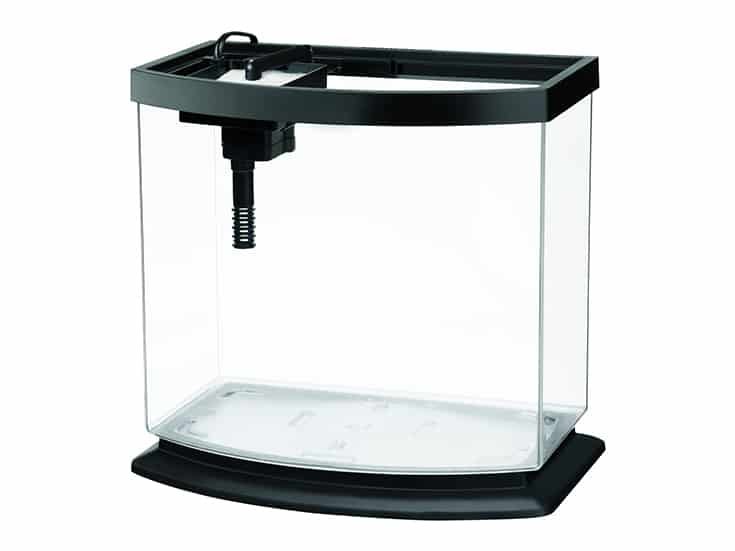
Glass aquariums resist scratches and cost less; acrylic tanks are lighter, clearer, and more impact-resistant.
I have set up and cared for dozens of tanks over the last decade. I know the trade-offs between glass aquarium vs acrylic aquarium from hands-on building, moving, and repairing aquariums. This guide gives clear, practical advice to help you pick the right tank for your budget, space, and fish. Read on for tested tips, cost estimates, and easy-to-follow care steps.
Why compare glass aquarium vs acrylic aquarium?
Choosing between a glass aquarium vs acrylic aquarium matters. The choice affects cost, weight, clarity, safety, and long-term care. I will walk you through real pros and cons so you can match the tank to your needs. Expect clear comparisons, real-world examples from my setups, and a simple buying checklist.

Pros and cons: glass aquarium vs acrylic aquarium
Glass aquarium pros
- Scratch resistance: Glass holds up to scrubbing and gravel vacuuming.
- Clarity over time: Tempered glass stays clear and resists yellowing.
- Cost: Glass is often cheaper per gallon for common sizes.
- Rigidity: Less flex means simple frames and seals.
Glass aquarium cons
- Weight: Glass is heavy. Moving a large tank needs help.
- Fragility: Hard impacts can crack or shatter glass.
- Limited shaping: Custom curves are harder and cost more.
Acrylic aquarium pros
- Lightweight: Acrylic weighs less than glass for the same volume.
- Impact resistance: Acrylic resists breakage from hits.
- Shape and size: Easier to form curves and large, seamless panels.
- Insulation: Acrylic holds heat better, which can aid stable water temps.
Acrylic aquarium cons
- Scratches: Acrylic scratches easily and needs care when cleaning.
- Cost: Custom acrylic can cost much more than glass.
- Yellowing: Cheap acrylic may yellow over years with UV exposure.
- Flex: Large acrylic panes can bow without proper bracing.

Durability, repairs, and safety
Durability comparison
Glass wins on scratch durability. If you plan heavy maintenance or rock work, glass shows fewer marks. Acrylic wins on impact. A dropped tool that might shatter glass will likely dent acrylic.
Repair and maintenance
- Glass repairs: Chips and cracks usually mean replacement of the panel. Small chips are often manageable.
- Acrylic repairs: Scratches can be buffed out with fine polish. Cracks can be welded by a pro.
Safety and location tips
- Place glass tanks on level, sturdy stands to avoid stress points that cause cracks.
- Place acrylic tanks away from windows or strong sunlight to reduce yellowing risk.
- For high-traffic homes or kids, acrylic can reduce the chance of broken glass.

Visual clarity, viewing experience, and thickness
Optical differences
Acrylic can appear clearer and offers less visual distortion at thick depths. Glass can produce slight green tint in very thick panes. For very large tanks, acrylic offers a seamless view that many hobbyists prefer.
Thickness and design
- Glass panels must get thicker quickly as tank height increases. That adds weight and cost.
- Acrylic panels scale more favorably for large volumes and tall displays. This makes acrylic ideal for big custom tanks and curved fronts.
How they age
Glass keeps visual clarity for decades with proper care. Acrylic can remain crystal clear too, but it may scratch and require polishing. Use UV-stable acrylic for outdoor or sun-facing displays.

Cost, weight, and installation
Price factors
- Off-the-shelf glass tanks are often cheaper per gallon.
- Custom sizes and shapes raise glass prices fast. Acrylic custom work is pricier but sometimes the only option for huge or curved tanks.
Moving and installation
- Glass tanks need multiple people to move safely. A 50-gallon glass tank weighs a lot when filled.
- Acrylic tanks are lighter, easier to lift, and safer to transport in tight spaces.
Long-term cost view
Consider repair and replacement costs. Acrylic may require more frequent cosmetic care but less chance of catastrophic breakage. Glass may be cheaper up front but cost more to custom-build or replace if damaged.
Maintenance and day-to-day care
Cleaning tips for glass aquarium vs acrylic aquarium
- Glass cleaning: Use a metal blade scraper or pad made for glass. Avoid metal on acrylic.
- Acrylic cleaning: Use soft cloths and plastic-safe cleaners. Polish out fine scratches with a rubbing compound.
Common mistakes to avoid
- Using abrasive pads on acrylic.
- Dragging heavy decor across glass without lifting, which can chip seals.
- Placing tanks on uneven floors—this stresses seams and can cause leaks.
Water chemistry and life support
Both glass and acrylic do not affect water chemistry. Your filtration, heating, and water changes matter more for fish health than the tank material.
Custom tanks, warranties, and long-term ownership
When to choose acrylic
- You want very large, curved, or unusual designs.
- You need a lighter tank for an upper floor or narrow doorway.
- You have kids or pets and want less risk of shattering.
When to choose glass
- You want a budget-friendly, durable tank for a common size.
- You plan to do heavy tank maintenance and want scratch resistance.
- You prefer a simpler, replaceable design.
Warranties and pro tips
- Check the warranty for seams and UV stability on acrylic.
- Check tempered glass ratings and rim strength for glass.
- Ask for framed or rimless options depending on your style and weight needs.
My personal experience and best tips
What I learned
I once moved a 90-gallon glass tank and the weight nearly stopped the project. It required four people and careful padding. Later, a large custom acrylic tank I installed was much easier to place through a tight stairwell but did get a few fine scratches from a volunteer who used a rough cloth.
Practical tips
- If you plan frequent moves, pick acrylic.
- If you want low-cost, low-maintenance for a standard size, pick glass.
- Always measure doorways, hallways, and stairs first.
- Buy a good stand rated for the full weight of water plus decor.
Buying checklist for glass aquarium vs acrylic aquarium
Before purchase, check these items
- Exact dimensions and where the tank will sit.
- Weight when filled and the stand rating.
- Warranty on seams, material, and factory defects.
- Whether glass is tempered and whether acrylic is UV-stable.
- Availability of custom work and repair services locally.
Setup and care checklist
- Level the stand with a bubble level.
- Use proper underlay or foam for acrylic to reduce point stress.
- Install reliable filters and heaters sized for your tank.
- Keep spare parts and repair contacts on hand.
Frequently Asked Questions of glass aquarium vs acrylic aquarium
Which material is better for large tanks?
Both can work, but acrylic is often better for very large or curved tanks due to lower weight and easier shaping. Glass can be used for large tanks but becomes heavy and thick.
Do acrylic tanks scratch easily?
Yes, acrylic scratches more easily than glass, but most scratches can be polished out at home or by a pro.
Does glass or acrylic affect water quality?
Neither material affects water chemistry; filtration, maintenance, and care determine water quality.
Are acrylic tanks safer around kids and pets?
Acrylic is less likely to shatter, making it safer in homes with active children or pets.
Which is cheaper to buy and maintain?
Glass is usually cheaper to buy for standard sizes. Maintenance costs vary; acrylic may need polishing while glass may need panel replacement if cracked.
Can I repair a cracked glass or acrylic tank?
Glass cracks often require panel replacement. Acrylic cracks can sometimes be welded or patched by professionals.
Conclusion
Choosing between a glass aquarium vs acrylic aquarium comes down to your priorities: budget, size, safety, and style. Glass gives strong scratch resistance and lower cost for standard tanks. Acrylic gives light weight, impact resistance, and design freedom for large or curved setups. Use the checklists and tips above to match the tank to your home and routine. Try one option on a small scale first if you can, and plan moves and maintenance ahead. Ready to pick your next tank? Share your space measurements or tank goals below and I’ll help you choose.
