
Heat lamps deliver targeted infrared warmth; ceramic heaters heat air for safer, even room comfort.
As someone who has installed heating for workshops, kept reptiles healthy, and tested portable room heaters, I’ve seen where heat lamps shine and where ceramic heaters win. This guide dives deep into heat lamp vs ceramic heater so you can pick the best option for your space, safety needs, and budget. Read on for clear comparisons, real-world tips, and practical buying and use advice drawn from hands-on experience and industry best practices.
How heat lamps and ceramic heaters work
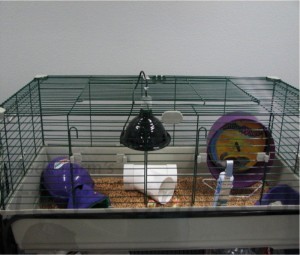
Heat lamps use infrared bulbs that emit radiant heat. They warm objects and skin directly without needing to heat all the air. This makes them fast and ideal for focused spots like a pet bed or food warmer.
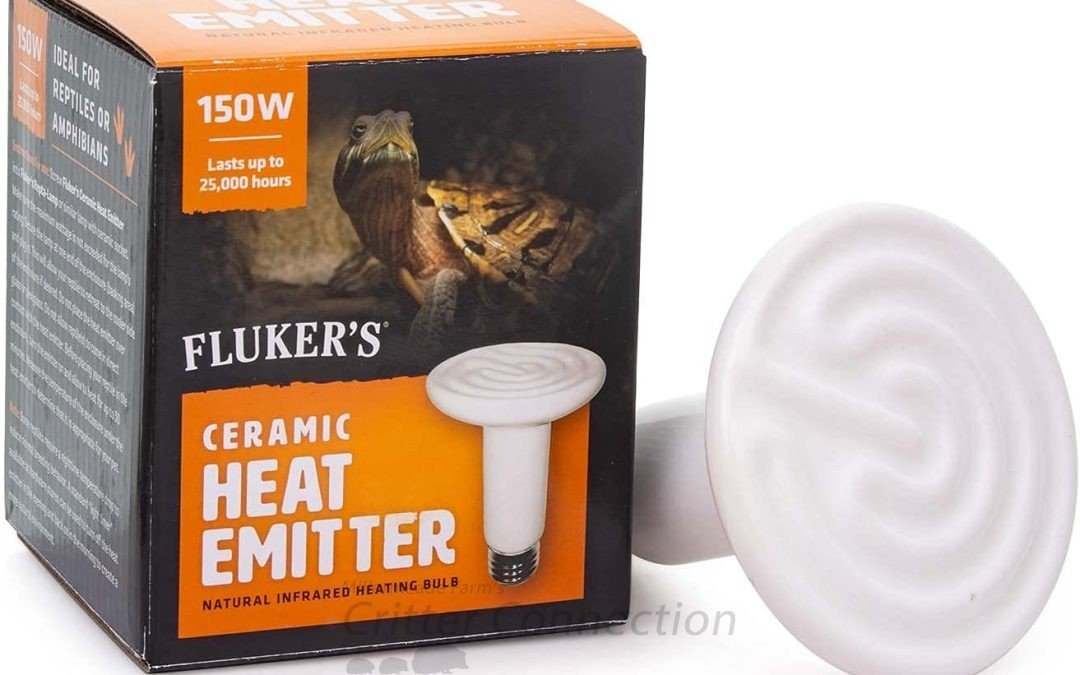
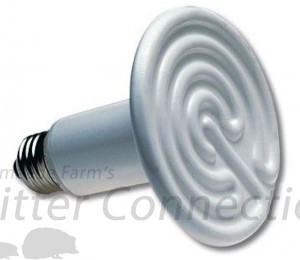
Ceramic heaters use an electric element inside a ceramic block. The ceramic radiates heat to a fan or to the room by natural convection. They warm the air and give more even, ambient heat for rooms and workspaces.
Comparing heat lamp vs ceramic heater starts with this key difference: radiant versus convective heat. That difference guides which device will fit your needs best.
Performance, efficiency, and energy use
Heat lamps turn electricity into focused infrared energy. They heat targets quickly and waste less energy if you only need a small zone warm. For long-term room heating, they can be less efficient than ceramic heaters.
Ceramic heaters spread heat over a larger area. Many come with thermostats and fans. These controls can improve efficiency because the unit cycles on and off to keep a set temperature.
Consider these points when weighing heat lamp vs ceramic heater:
- Heat lamps deliver instant spot warmth and are efficient for small zones.
- Ceramic heaters provide steady room heat and can be more efficient for continuous use.
- Thermostatic control on ceramic heaters reduces wasted energy over time.
Source: critterconnection.cc
Safety considerations and risks
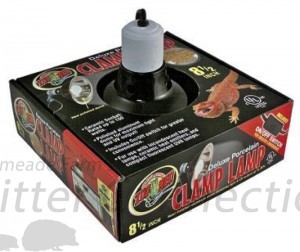
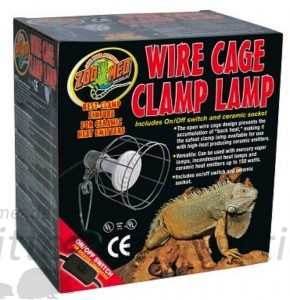
Heat lamps use exposed hot bulbs. That raises burn and fire risks if the lamp is too close to flammable materials or pets. They also cause light that can disturb sleep or stress some animals.
Ceramic heaters usually have enclosed elements and cool-touch housings. Many include tip-over switches and overheat protection. This makes ceramic heaters safer for indoor living spaces and around children.
When deciding heat lamp vs ceramic heater, safety matters:
- Use a guard and secure mount for heat lamps to avoid contact burns.
- Place ceramic heaters on stable, flat surfaces and keep clearances as recommended.
- Always follow manufacturer safety instructions and check certifications.
Source: critterconnection.cc
Best uses and practical applications
Heat lamp best uses:
- Reptile and poultry brooder setups where direct warmth is needed.
- Food warming in kitchens or buffet lines.
- Focused warmth for outdoor tasks or specific workstations.
Ceramic heater best uses:
- Heating small rooms, home offices, and bedrooms.
- Supplementing central heat during cold snaps.
- Areas where safety and even warmth are priorities.
My experience shows the heat lamp vs ceramic heater decision often comes down to purpose. If you need a warm patch fast, pick a heat lamp. If you want steady room comfort and safety, choose a ceramic heater.
Personal testing, tips, and common mistakes
I once used a heat lamp to warm a chicken coop. The birds loved the direct heat but a loose straw caught a spark. Lesson learned: secure mounts and clearances matter. After that I installed a protective guard and moved the lamp higher.
When I tested ceramic heaters in a small office, the thermostat kept the room steady. But some low-cost models cycled too often. Tip: buy a unit with a reliable thermostat and a fan option for faster heat spread.
Practical tips:
- Measure the area and heat loss to match wattage needs.
- For mixed use, consider both: a ceramic heater for room warmth and a heat lamp for a specific spot.
- Avoid cheap knock-offs; safety features and certifications matter.
Maintenance and longevity
Heat lamp maintenance is simple but important. Change bulbs when output drops and inspect fixtures for wear. Replace sockets or guards that show damage.
Ceramic heater care includes cleaning air intakes and checking fans. Dust buildup reduces efficiency and can stress the thermostat. Replace worn switches and test safety cutoffs annually.
Maintenance checklist:
- Replace heat lamp bulbs at manufacturer intervals.
- Clean ceramic heater grills and fan blades monthly.
- Test safety features regularly and replace damaged units.
Buying guide and what to check
When shopping, compare the following factors for heat lamp vs ceramic heater:
- Wattage and coverage area to match heating needs.
- Safety certifications and built-in protective features.
- Controls like thermostats, timers, or remote control for ceramic heaters.
- Mounting options and guards for heat lamps.
Budget tips:
- Spend a bit more for certified safety and reliable controls.
- For pets or food use, choose fixtures designed for that purpose.
- Read reviews focused on long-term reliability and noise levels.
Frequently Asked Questions of heat lamp vs ceramic heater
What is the main difference between a heat lamp and a ceramic heater?
The main difference is how they deliver heat: heat lamps use infrared radiation to warm objects directly, while ceramic heaters warm the air via a heated ceramic element. This affects speed, coverage, and best use cases.
Can I use a heat lamp to warm a whole room?
No, heat lamps are designed for targeted, spot heating and are not efficient for warming entire rooms. For whole-room heating, a ceramic heater or central system is a better choice.
Are ceramic heaters safe for pets?
Ceramic heaters are generally safer for homes with pets due to enclosed elements and safety cutoffs. Keep any heater out of reach and follow spacing guidelines to avoid chewing or tipping hazards.
Do heat lamps use more electricity than ceramic heaters?
Not necessarily; a heat lamp can use similar wattage but focuses heat on a small area. Ceramic heaters with thermostats can be more efficient for prolonged room heating because they cycle to maintain temperature.
Which is better for a workshop: heat lamp or ceramic heater?
It depends on the need: use a heat lamp for spot tasks that need instant warmth, and use a ceramic heater if you want to keep the entire workshop at a steady temperature. Many people use both in different areas.
Conclusion
Choosing between a heat lamp vs ceramic heater comes down to purpose, safety, and how you want heat delivered. Heat lamps are excellent for targeted, fast warmth while ceramic heaters are better for safe, even room heating and long-term use. Think about your space, who or what you’re heating, and safety features when you decide.
Take action: list your heating goals, check safety ratings, and pick the device that matches your needs. Share your experience in the comments or subscribe for more practical heating tips.
