
Clean your fish tank with regular partial water changes, gravel vacuuming, and gentle filter care.
I have cleaned hundreds of tanks over the years and helped beginners get healthy aquariums fast. This guide on how to clean fish tank walks you through each step, from weekly maintenance to deep cleans. You will learn what tools to use, when to act, and how to keep fish safe while improving water quality. Read on for clear, tested advice that makes tank care simple and stress-free.
 cleaning matters”
style=”max-width: 100%; height: auto; border: 2px solid black; border-radius: 10px; display: block; margin: 0 auto;”
loading=”lazy”
/>
Why regular cleaning matters
Keeping a schedule for how to clean fish tank protects fish health. Dirty water leads to ammonia and nitrite spikes. Algae can throttle oxygen and hide illness signs. Clean tanks also look better and reduce disease risk for your fish and plants.
A regular routine keeps beneficial bacteria stable. That stability helps process fish waste. It also makes sudden crashes less likely. Small, steady steps beat rare, intense cleans every time.
How often to clean your fish tank
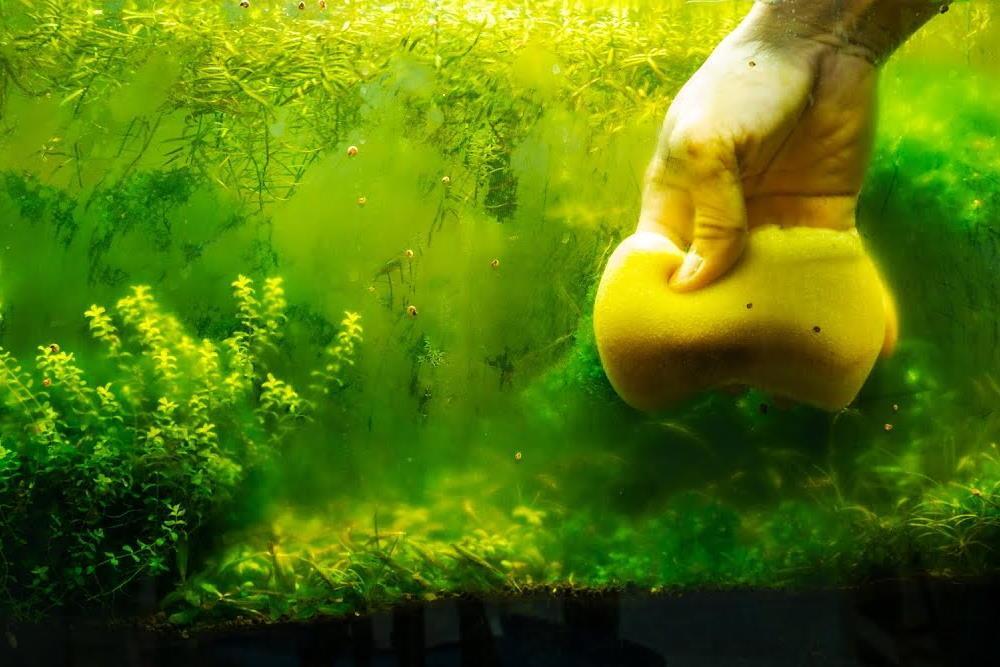
Frequency depends on tank size, fish count, and plants. Small tanks and heavy stocks need weekly attention. Large, planted tanks can get by with biweekly to monthly chores.
- 5 to 10 gallon tanks: partial clean every 1 week.
- 10 to 30 gallon tanks: partial clean every 1 to 2 weeks.
- 30+ gallon tanks: partial clean every 2 to 4 weeks.
- Deep clean: every 3 to 6 months, depending on buildup and filter type.
Tools and supplies you'll need
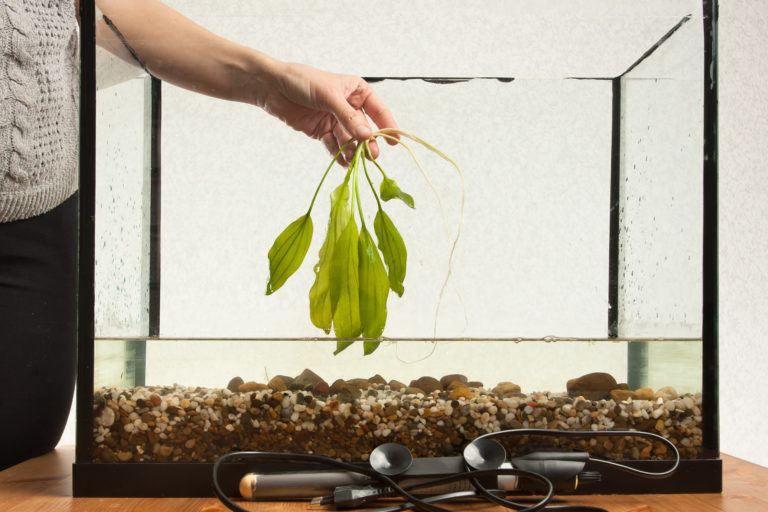
Gather these before you start how to clean fish tank:
- Gravel vacuum or siphon for water changes and debris removal.
- Algae scraper or pad safe for your tank glass or acrylic.
- Bucket reserved for aquarium use only.
- Water conditioner to remove chlorine and chloramine.
- Test kit for ammonia, nitrite, nitrate, and pH.
- Soft brush or toothbrush for filter housing and decorations.
- Replacement filter media as recommended by the manufacturer.
- Thermometer to match replacement water temperature.

Step-by-step guide: how to clean fish tank
Follow these steps for a safe, effective clean:
- Prepare replacement water
- Mix and dechlorinate tap water first. Match the tank’s temperature within 2°F to avoid shocking fish.
- Turn off equipment
- Unplug heaters, filters, and lights before working in the tank.
- Remove large debris
- Use a net to lift out floating waste or uneaten food. This keeps hands out of the water longer.
- Siphon and vacuum gravel
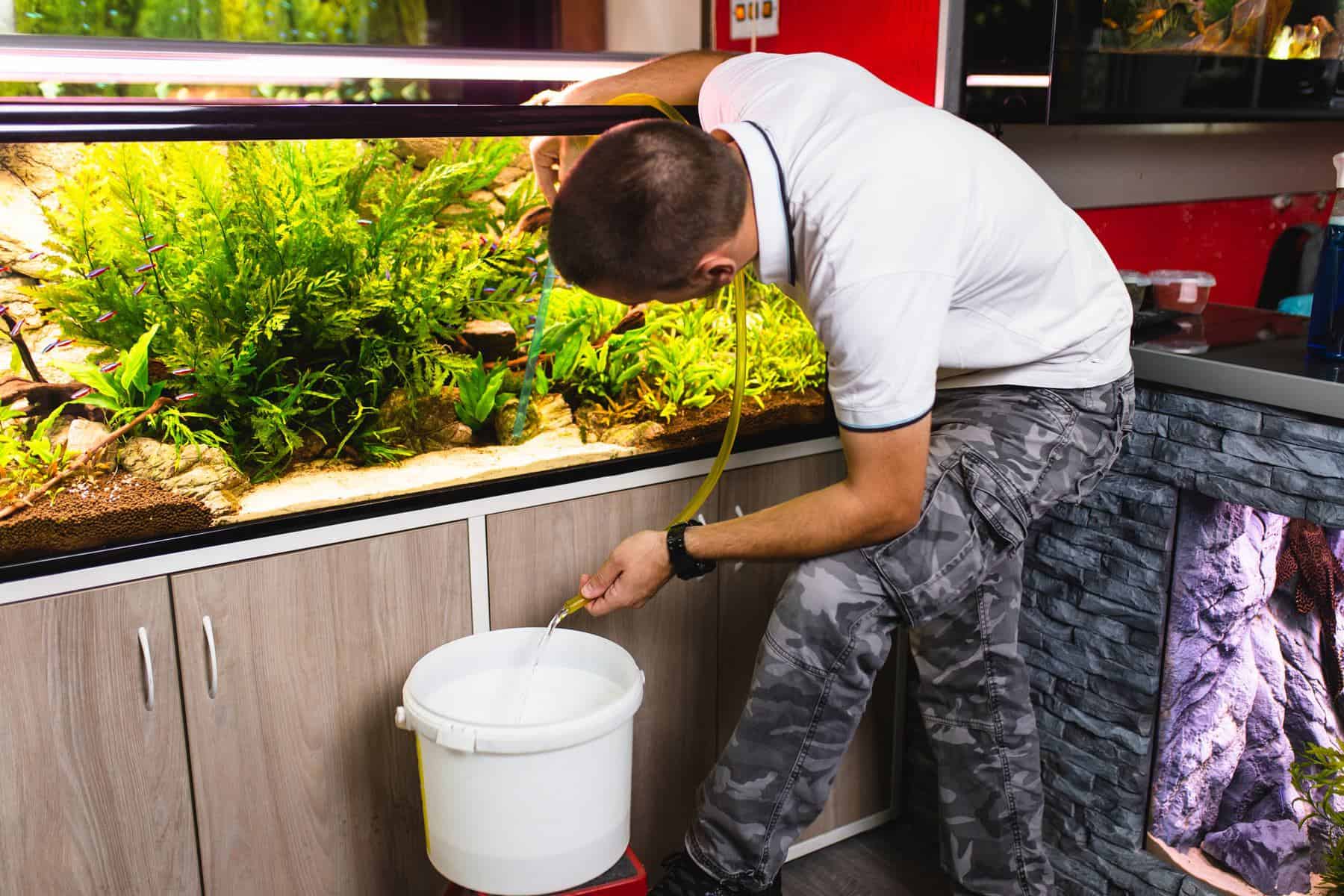
- Use a gravel vacuum to remove 20% to 30% of the water while cleaning the substrate. Move the hose through gravel in short bursts.
- Clean glass and decorations
- Scrape the glass gently with an algae pad. For decorations, scrub with tank water in the bucket; avoid soap.
- Rinse filter parts safely
- Rinse sponges and filter housings in siphoned tank water. Replace or rinse biological media only sparingly to preserve bacteria.
- Refill with conditioned water
- Slowly add dechlorinated water to the tank and plug equipment back in. Double-check temperature and filter flow.
- Test water
- Test ammonia, nitrite, nitrate, and pH after cleaning. Record results so you track trends.
Repeat this routine as needed, and adjust the water change percentage based on readings and bioload.
Deep clean and gravel vacuuming
Deep cleaning is different than routine maintenance. Do a deep clean when muck builds up in hard-to-reach places or when plants and decorations need thorough scrubbing. Avoid removing all substrate or wiping all filter bacteria at once.
Deep-clean steps:
- Move fish to a temporary container with tank water if you must do an intensive clean.
- Rinse decorations in tank water and scrub stubborn algae with a brush.
- Vacuum gravel thoroughly to remove compacted detritus.
- Replace up to 50% of water only when necessary, and recondition it.
Deep cleans are stressful for the tank’s bacteria. Stagger large clean tasks to keep the filter biologically stable.
Cleaning filters safely
Filters process waste and house beneficial bacteria. How you clean them affects water quality. Rinse mechanical media in siphoned tank water to remove debris. Avoid using tap water on biological media because chlorine can kill helpful bacteria.
Filter tips:
- Replace chemical media like carbon monthly, or as needed.
- Replace filter cartridges on a schedule that matches your tank’s needs.
- For canister or sponge filters, rotate maintenance so you do not remove all media at once.
- If the filter smells rotten or flow drops drastically, inspect and clean more thoroughly.
Algae control and prevention
Algae is normal but controllable. It grows with excess light and nutrients. To reduce algae, cut back light and feed less food.
Practical steps:
- Keep lights 6 to 8 hours per day and use a timer.
- Do regular water changes to lower nitrates.
- Add algae-eating species if they suit your tank setup.
- Avoid overfeeding; uneaten food fuels algae growth.
Water change and water chemistry basics
Water changes are the keystone of how to clean fish tank. They remove nitrates and replenish minerals. Test water before and after changes to track chemistry.
Key points:
- Use a quality test kit and record values.
- Match temperature and pH when adding new water.
- Treat tap water to remove chlorine and chloramine.
- Change more water if ammonia or nitrite is high.
Common mistakes to avoid
Avoid these errors when learning how to clean fish tank:
- Cleaning everything at once and killing beneficial bacteria.
- Using soap or household cleaners on decorations.
- Using cold tap water to rinse biological media.
- Changing too much water in one go for a lightly stocked tank.
- Overfeeding right after a clean because fish seem hungry.
Personal experience and tips
I once over-cleaned a community tank and caused a spike in ammonia. I learned to stagger filter and substrate work. Now I do small, frequent water changes and keep a log. That simple habit keeps fish calm and water stable.
A few tried tips:
- Keep a maintenance calendar and note readings.
- Use a small net for routine debris removal between cleans.
- Always keep spare filter media and a backup test kit.
Signs your tank needs urgent cleaning
Watch for these warning signs and act fast on how to clean fish tank:
- Cloudy water that does not clear after a day.
- Sudden fish gasping at the surface or flashing.
- Sharp spikes in ammonia or nitrite on a test.
- Excessive algae covering glass and plants.
- Strong rotten smell from tank water or filter.
Address these signs with immediate partial water changes and filter checks.
When to call a professional
If you see persistent water chemistry problems or rapid fish death, get expert help. A pro can diagnose hidden issues like disease or equipment failure. Don’t wait if multiple fish are sick or dying.
Frequently Asked Questions of how to clean fish tank
How often should I change the water in my aquarium?
For most tanks, change 10% to 30% of the water every 1 to 2 weeks. Frequency depends on tank size, fish load, and test results.
Can I use tap water directly in my aquarium?
No. Treat tap water with a water conditioner to remove chlorine and chloramine before adding it. Always match temperature and test chemistry.
Is it OK to clean the filter with tap water?
Avoid using tap water on biological media. Rinse filter sponges and media in siphoned tank water to protect beneficial bacteria.
How do I remove stubborn algae from glass or acrylic?
Use an algae scraper made for your tank’s surface and work gently to avoid scratches. For acrylic, use a soft pad designed for acrylic tanks.
Will cleaning stress my fish?
Some stress is normal, but short, calm sessions reduce impact. Keep movements slow, limit cleaning time, and avoid drastic water changes.
Conclusion
Regular, gentle maintenance is the best way to keep an aquarium healthy. Follow a schedule, use safe tools, and protect beneficial bacteria when you learn how to clean fish tank. Small, consistent steps prevent big problems. Start today: pick a day each week for light maintenance, keep a log of water tests, and watch your fish thrive. Share your progress, ask questions, or subscribe for more aquarium tips.

Pingback: Aquarium Filter Maintenance Guide: Essential Steps - pettraiers.com