
Start with a short routine, crate training, and consistent praise to build fast, reliable habits.
I have trained many puppies and helped anxious owners turn messy days into calm routines. This guide on how to potty train puppy covers clear steps, real-life tips, and common pitfalls. I explain why timing, consistency, and the right tools matter. Read on to learn simple, proven methods that work for small and large breeds alike.
Why timing and age matter when you learn how to potty train puppy
Puppies have small bladders and limited control until about 12 to 16 weeks. Starting early helps create good habits, but expect accidents in the first months. Match training pace to your puppy’s age and physical ability for steady progress.

Prepare the space: tools and setup for how to potty train puppy
Create a safe area for your puppy. Use a properly sized crate, puppy pads if needed, and an easy-to-clean surface. Set up a consistent outdoor exit point and remove temptations like toys near the potty area. Proper prep reduces confusion and speeds learning.
A step-by-step plan for how to potty train puppy
Follow a calm, repeatable routine to help your puppy learn quickly.
- Choose a cue: Pick one short word like “Go” to mark potty time.
- Establish a schedule: Take the puppy out first thing, after meals, after naps, before bed, and every 1–2 hours for very young pups.
- Use crate training: Keep the puppy in a properly sized crate when unsupervised to prevent accidents.
- Take the puppy to the same spot: Smells help them recognize the potty area.
- Wait and watch: Give them up to 10 minutes and praise loudly and immediately when they go.
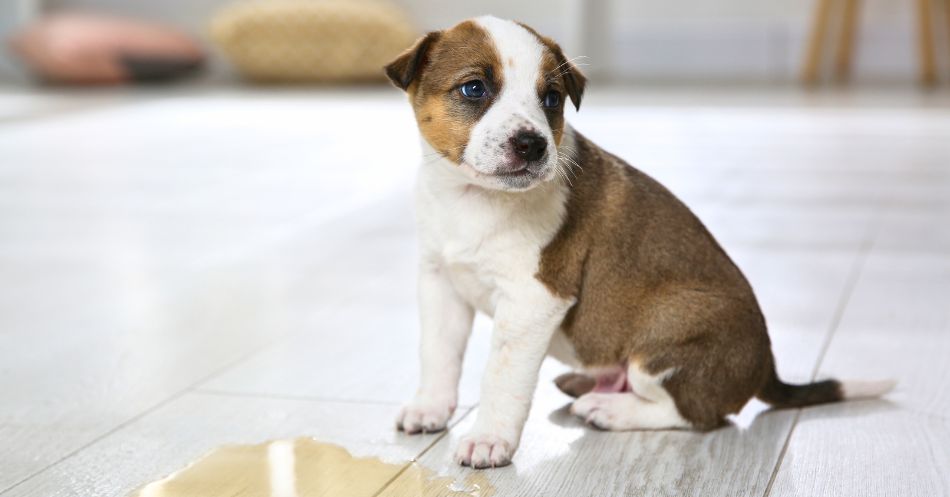
- Clean accidents calmly: Use an enzyme cleaner and avoid scolding, which confuses the puppy.
This step-by-step method for how to potty train puppy is simple. Repeat the steps daily and adjust timing as your puppy gains control. Consistency is the key to success.

Crate training details and tips for how to potty train puppy
Crates teach bladder control by using the puppy’s natural den instincts. Pick a crate that lets the puppy stand, turn, and lie down but not roam. Use short crate times at first and add one meal, potty break, and brief play sessions before longer rests. If the puppy cries, signal quietly and wait; rushing out can teach them to hold on for attention.
Handling accidents and setbacks while you teach how to potty train puppy
Accidents happen and are normal. Clean with enzyme cleaners to remove smell cues. If accidents persist, track patterns: time of day, activity, or diet may be the cause. Avoid punishment; it creates fear and slows learning. Be patient and return to the schedule if setbacks occur.
Diet, feeding schedule, and how to potty train puppy faster
A consistent feeding schedule creates predictable potty times. Feed the puppy at the same times daily and remove free-feeding. Most puppies need to go out within 15–30 minutes after eating. Water access should be regular but managed overnight as bladder control improves.
Nighttime training and how to potty train puppy overnight
Expect nighttime wake-ups at first. Put the crate in your bedroom to hear signals and take short, calm potty breaks at night. Gradually increase time between breaks as the puppy grows. Use a midnight routine that is low-key to avoid stimulating the puppy.
Outdoor vs. indoor potty training choices when deciding how to potty train puppy
Outdoor training builds long-term habits and reduces odor in the house. Indoor pad training can help in apartments or bad weather but may confuse some puppies later. If you start with pads, transition gradually: move the pad closer to the door, then outside. Decide early and be consistent to avoid mixed signals.
Common health and medical issues that affect how to potty train puppy
Urinary tract infections, parasites, and dietary problems can cause accidents. If a well-trained puppy suddenly regresses, see your vet. Young puppies also have limited bladder capacity; their physiology limits speed. Rule out health issues before blaming behavior.
Troubleshooting stubborn cases of how to potty train puppy
If the puppy won’t catch on, try these steps:
- Increase potty frequency: Add short outdoor trips every 45–60 minutes.
- Reward immediately: Use high-value treats and loud praise the moment the puppy finishes.
- Reduce distractions: Pick a quiet spot without other dogs or loud sounds.
- Consult a professional: A trainer or vet can spot hidden issues and give tailored advice.
These fixes helped me with a shy beagle that needed extra praise and quiet spaces to focus. With persistent calm work, the puppy learned within weeks.
My real-life lessons and mistakes while learning how to potty train puppy
I once rushed a training plan and mixed commands. The puppy got confused and regressed. I learned to slow down, keep one cue, and celebrate small wins. Another time I relied too much on pads and had to re-train the outdoor habit. The best lesson: consistency and patience beat speed.
Lifelong habits and preventing regression for how to potty train puppy
Keep routines as your dog matures. Continue regular potty breaks on busy days and after big meals. Reinforce cues occasionally and praise good behavior at all ages. Life changes like travel or new babies can cause slips; return to basics when you see them.
Frequently Asked Questions of how to potty train puppy
How long does it take to potty train a puppy?
Most puppies show reliable control by 4 to 6 months, but full consistency can take up to a year. Age, breed, and consistency affect the timeline.
What if my puppy keeps having accidents indoors?
Increase potty frequency, check for medical issues, and clean thoroughly with enzyme cleaner. Return to a strict schedule and reduce unsupervised time.
Can I potty train a puppy without a crate?
Yes, but you must supervise closely and use barriers like baby gates to limit roaming. Crates speed learning by teaching bladder control.
Should I use puppy pads or go straight outside?
Use pads if you have no immediate outdoor access, but choose one method and transition slowly to avoid confusion. Outdoors is the long-term best option.
How do I stop my puppy from peeing in the house when guests come?
Teach a calm greeting routine and take the puppy out before guests arrive. Reward calm behavior and limit access to guest areas until training sticks.
Conclusion
Potty training is doable with a calm plan, clear cues, and steady timing. Start early, keep routines consistent, and use crate training and praise to shape behavior. Be patient with setbacks and check health if problems persist. Now pick a schedule, choose your cue, and begin—your puppy will learn with steady practice. Share your progress or ask questions below to get tailored tips and support.

Pingback: Crate Training Vs Free Roaming: Which Is Best For Dogs - pettraiers.com