

Indoor cats live safer, longer lives; outdoor cats get more stimulation but face higher risks.
I have spent years caring for cats and advising owners on the indoor cats vs outdoor cats choice. I will share clear facts, lived experience, and practical steps so you can make the best call for your cat and home. This guide covers health, behavior, costs, safety, and how to move a cat from outdoors to indoors if that is your plan.
Understanding the debate: indoor cats vs outdoor cats
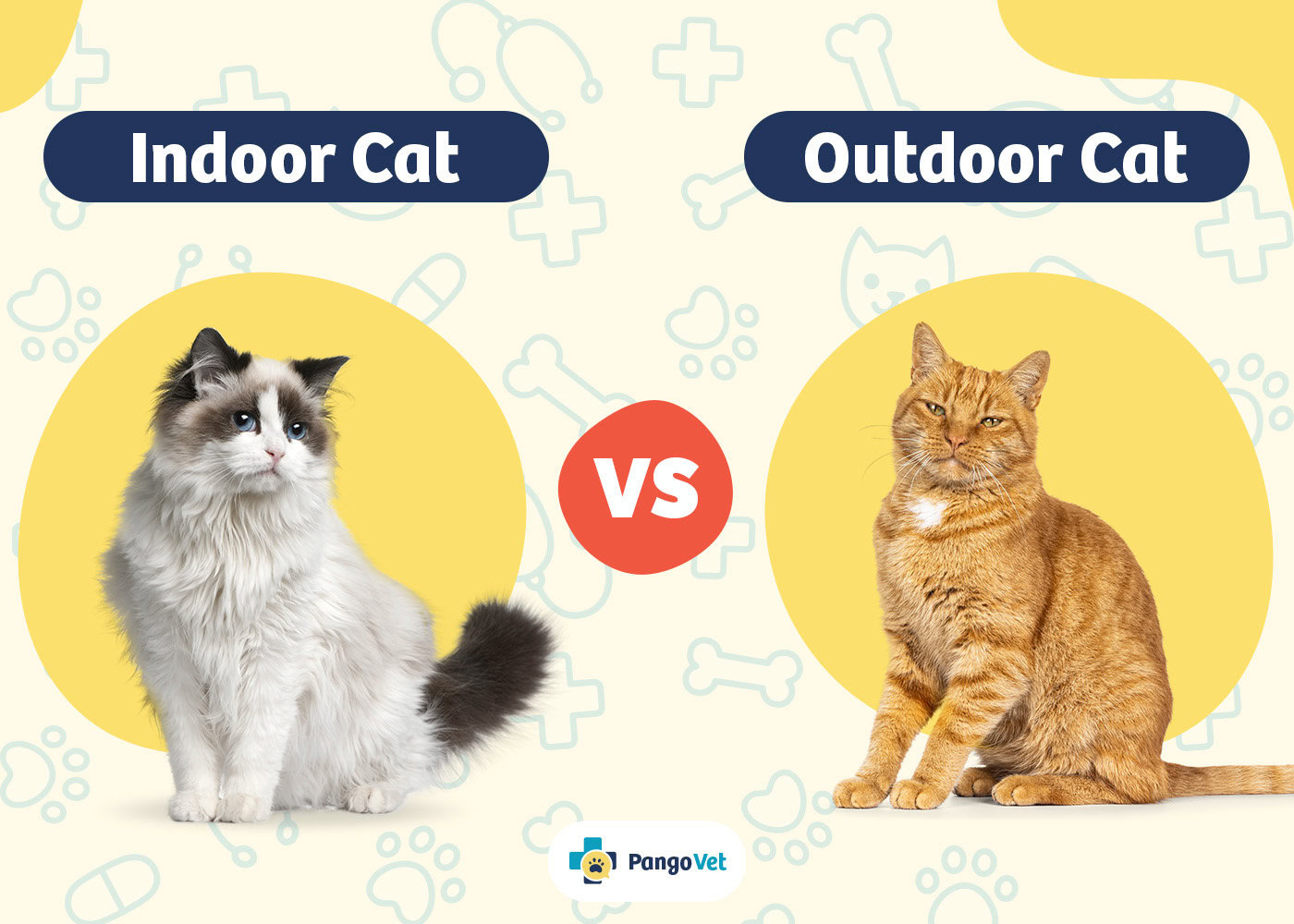
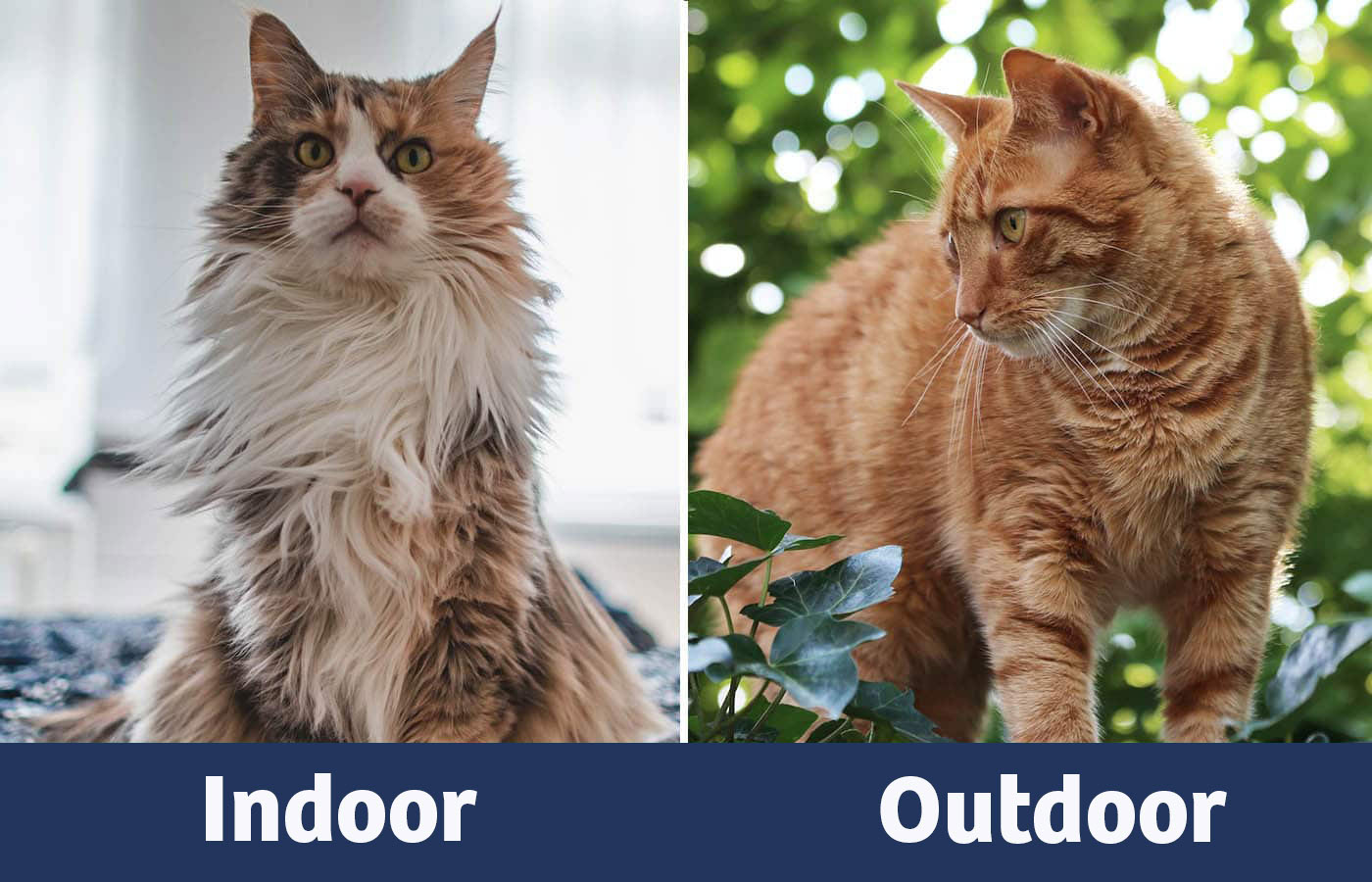
The indoor cats vs outdoor cats debate centers on trade-offs. Indoor cats tend to live longer and face fewer injuries. Outdoor cats enjoy natural enrichment, exercise, and hunting chances.
I have worked with dozens of cats of both kinds. I will explain the data and share real-life tips to help you decide what fits your cat’s personality and your environment.

Health and safety: risks and benefits
Outdoor cats face more risks than indoor cats. They are more likely to get hit by cars, fight, pick up parasites, or catch infectious diseases. Vet bills for trauma and infections are often higher for outdoor cats.
Indoor cats are protected from many of those hazards. That does not make them immune to illness. Indoor cats can develop obesity, boredom, and dental issues if not managed well.
Common health points to weigh
- Vaccinations: Outdoor cats usually need more frequent vet checks and booster shots to prevent outdoor-borne diseases.
- Parasite control: Flea, tick, and worm prevention is critical for outdoor cats, and still important for indoor cats.
- Injury and trauma: Outdoor cats face a higher risk of trauma from collisions or fights.
- Longevity: Indoor cats generally live several years longer than outdoor cats due to lower exposure to hazards.

Behavior, enrichment, and mental health
Behavior differs between indoor cats and outdoor cats. Outdoor cats get natural stimulation from sights, smells, and hunting. Indoor cats need enrichment to meet the same needs.
Practical enrichment ideas for indoor cats
- Vertical space: Provide cat trees and shelves for climbing and perching.
- Play sessions: Use wand toys and short daily play to mimic hunting.
- Puzzle feeders: Slow food intake and add mental challenge.
- Window views: Secure window perches to watch birds and activity.
- Safe outdoor access: Try a catio or leash walks to give controlled outdoor time.
From my experience, a stressed indoor cat often calms with two extra play sessions a day and a few puzzle feeders. For former outdoor cats, slow enrichment and access to a safe outdoor space can prevent pacing and vocalizing.
Practical care differences
Care routines differ for indoor and outdoor cats. Your schedule and budget should reflect that.
Key care differences
- Litter and hygiene: Indoor cats need daily litter maintenance; outdoor cats may use the yard but still need indoor litter options for safety.
- Grooming: Outdoor cats often need extra baths or brushing to remove dirt and debris.
- Supervision: Outdoor cats may require microchipping, reflective collars, and ID tags.
- Diet: Outdoor cats may burn more calories and need higher activity diets; indoor cats often need calorie-controlled food to avoid weight gain.
I once adopted a cat that spent years outdoors. Bringing her inside required changing her diet slowly and increasing play. That helped her settle and lose excess weight.
Cost and community impact
The choice between indoor cats vs outdoor cats affects your wallet and wildlife.
Cost factors to consider
- Vet costs: Outdoor cats often incur higher emergency costs for injuries and disease.
- Preventive care: Both types need vaccines and parasite prevention. Outdoor cats may need more frequent treatment.
- Home changes: Catios, double-door entry systems, and enrichment toys add cost for indoor conversions.
- Wildlife impact: Outdoor cats can reduce local bird and small mammal populations. This is an important community concern.
I have seen owners face surprise expenses after a cat fight or car accident. Planning and prevention can reduce those risks and costs.
How to choose: making the right call for your cat
Deciding between indoor cats vs outdoor cats depends on several factors. Think about your cat’s history, neighborhood safety, and your time for enrichment.
Ask these questions
- Is your neighborhood high-traffic or dangerous?
- Does your cat have prey drive or is she calm and home-loving?
- Do you have time for regular play and enrichment?
- Are you ready to invest in microchipping, vaccinations, and possible repairs?
If safety is a concern, prefer indoor life with enrichment and supervised outdoor time. If your cat has been outdoor most of life, plan a gradual transition.
Transitioning outdoor cats to indoor life
A gentle, stepwise plan helps outdoor cats adapt to indoor life. Sudden change often triggers stress and escape attempts.
Step-by-step transition
- Create a safe indoor zone: Set up a quiet room with food, water, litter, and bedding.
- Slow introduction: Keep the cat in the safe zone for 1–2 weeks while offering toys and short play.
- Expand access: Gradually allow access to other rooms once the cat eats, uses the litter, and rests.
- Add enrichment: Increase vertical space, puzzle feeders, and play sessions to reduce boredom.
- Offer controlled outdoor time: Use a catio or harness to give safe outdoor access and prevent escape behavior.
- Maintain routine: Keep play, feeding, and quiet times consistent to build trust.
From my experience, patience is the most important tool. A formerly outdoor cat may hide for days, but gentle handling and steady routines help them adapt.
Pros and cons summary
A clear list helps compare indoor cats vs outdoor cats at a glance.
Indoor cats — Pros
- Longer lifespan and fewer injuries
- Lower exposure to infectious disease
- Safer for local wildlife
- Easier to monitor health and behavior
Indoor cats — Cons
- Risk of boredom and obesity without enrichment
- Need for more owner time and investment in toys and space
Outdoor cats — Pros
- Natural stimulation and exercise
- Opportunities to hunt and explore
- Can be less stressful for highly independent cats
Outdoor cats — Cons
- Higher risk of trauma and disease
- Greater vet costs and need for parasite control
- Can harm local wildlife populations
Frequently Asked Questions of indoor cats vs outdoor cats
Can indoor cats be happy and healthy long-term?
Yes. With regular play, vertical space, and mental stimulation, indoor cats live long and healthy lives. Routine vet care and a balanced diet complete the picture.
Is it cruel to keep a cat strictly indoors?
Not if you meet their needs. Many indoor cats thrive with enrichment, playtime, and safe outdoor options like catios.
How do I stop an outdoor cat from roaming at night?
Use schedule changes and enrichment. Bring food and play sessions indoors before dusk and provide cozy sleeping spots to encourage staying in.
How long does it take an outdoor cat to adapt to indoor life?
It varies, but most cats show major adjustment within 2–8 weeks with a slow, patient approach. Some shy cats take longer and need calm handling.
Are outdoor cats better hunters and more skilled?
Outdoor cats have more hunting practice, but indoor cats can retain hunting instincts. You can mimic hunting via play and puzzle feeders to satisfy that drive.
Should I let my indoor cat outside on a leash?
Yes, supervised leash walks or cat harness time can be a safe way to give outdoor stimulation. Always train slowly and use a secure harness made for cats.
Conclusion
Choosing between indoor cats vs outdoor cats is a personal decision shaped by your cat’s temperament, local risks, and your care capacity. Indoor life typically offers safety and longevity, while outdoor life gives natural stimulation and freedom. If you decide to bring an outdoor cat inside, do so with patience, enrichment, and a clear plan.
Take action today: assess your cat’s needs, invest in enrichment, and if you plan a change, move slowly and monitor stress. Share your experience or questions below, or subscribe for more tips on living well with cats.
