
Kittens need high-protein, calorie-dense food and frequent small meals for steady growth.
As a feline nutrition writer and long-time cat caregiver, I’ve helped many new kitten owners learn what to feed, when to feed, and why it matters. This kitten feeding nutrition guide walks you through the basics and the details. You will learn age-based needs, how to choose food, feeding schedules, bottle-feeding tips, homemade diet cautions, and signs that your kitten needs a check-up. Read on for clear, practical steps you can use today.
Why proper feeding matters for kittens
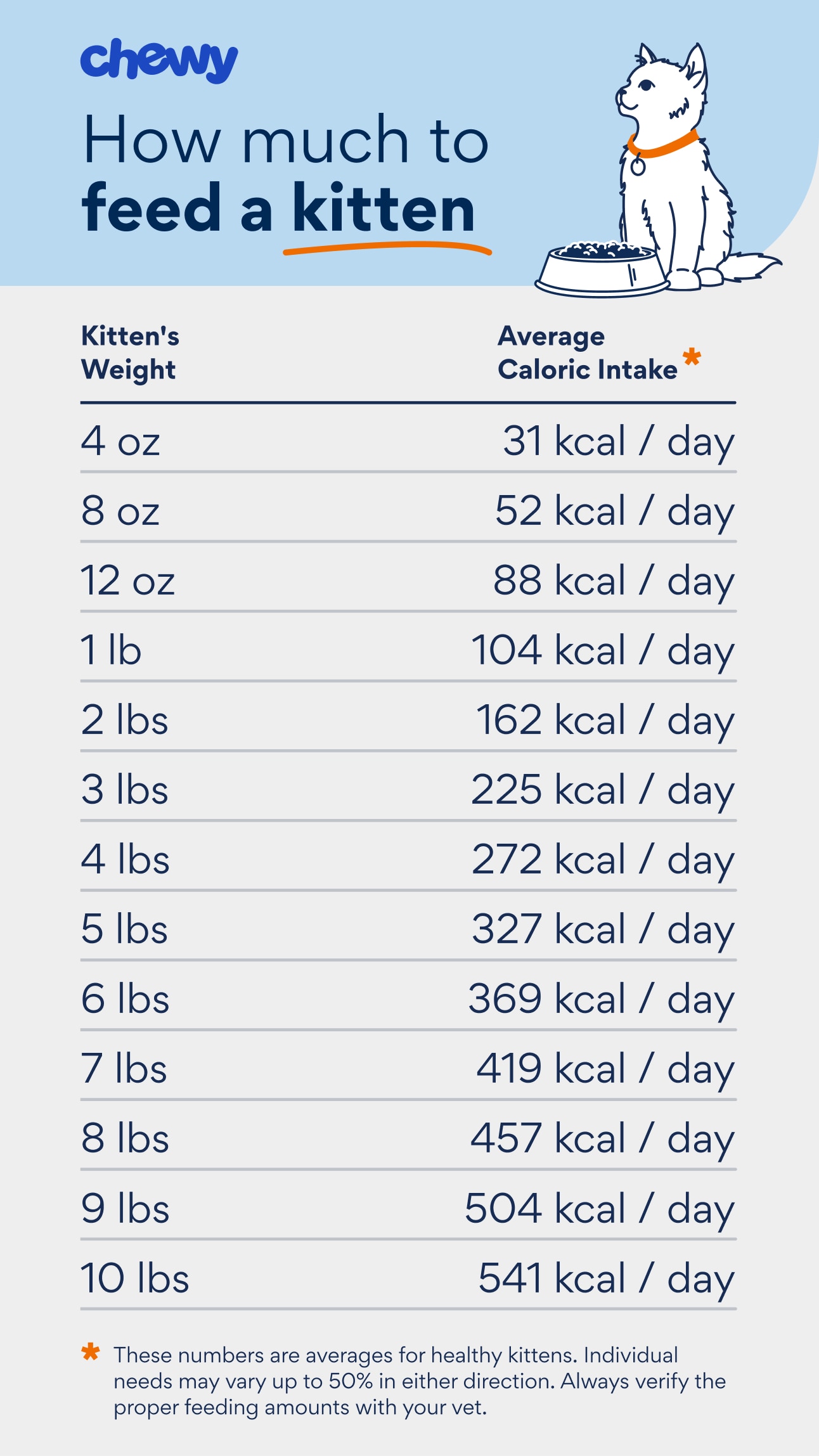
Kittens grow fast. Their bodies need more calories, protein, and nutrients than adult cats. A solid kitten feeding nutrition guide helps you avoid growth problems and health issues. Good nutrition supports bones, brain, immunity, and behavior.
From my experience, a small mismatch in diet can cause slow growth or loose stools. I once switched a foster kitten too quickly and saw weight drop for a week. After going back to a steady, high-calorie kitten food, the kitten bounced back within days. That taught me to prioritize consistency and nutrient density.

Key nutrients kittens need
Kittens need specific nutrients in higher amounts than adults. This kitten feeding nutrition guide emphasizes these essentials.
Protein
- Kittens need high-quality animal protein for muscle and organ growth.
- Aim for foods where meat is the first ingredient.
Fat
- Fat provides energy and supports brain growth.
- DHA, an omega-3 fat, supports vision and cognitive development.
Taurine
- An essential amino acid for heart and eye health.
- Must be in commercial kitten diets.
Calcium and phosphorus
- Needed for bone and tooth development.
- The ratio must be balanced to avoid skeletal issues.
Vitamins and minerals
- Vitamins A, D, E, and B-complex and trace minerals support many body functions.
- Commercial kitten diets are formulated to include these.
Water
- Hydration is critical. Kittens dehydrate quickly.
- Wet food helps increase water intake.

Kitten nutritional needs by age
Kittens change fast. This kitten feeding nutrition guide breaks needs into clear age ranges.
0–4 weeks
- Rely on mother’s milk or a kitten milk replacer.
- Feed every 2–4 hours for newborns.
4–8 weeks
- Introduce wet food mixed with milk replacer.
- Offer small amounts several times a day.
8–12 weeks
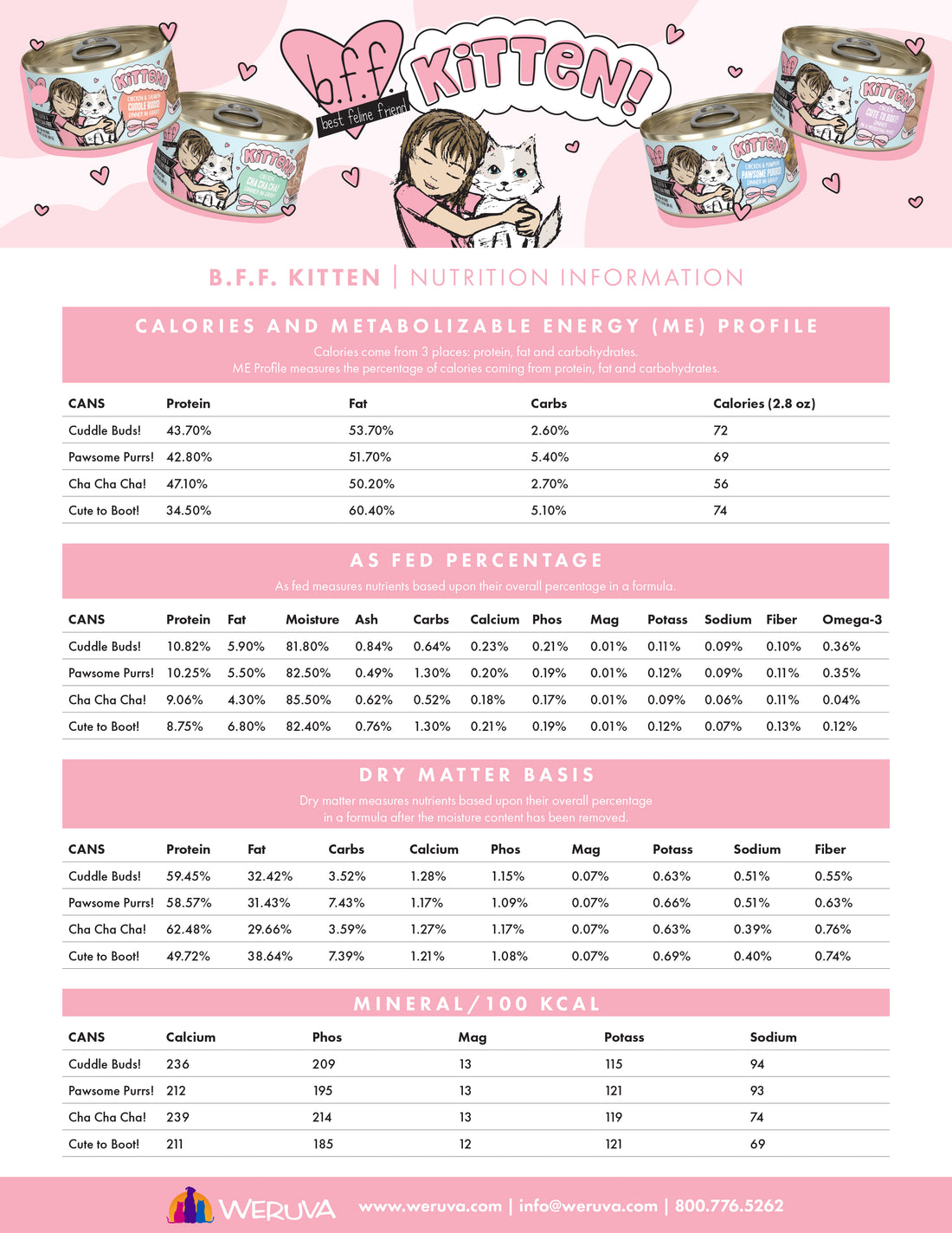
- Offer high-quality kitten wet and dry food.
- Feed 3–4 meals per day.
3–6 months
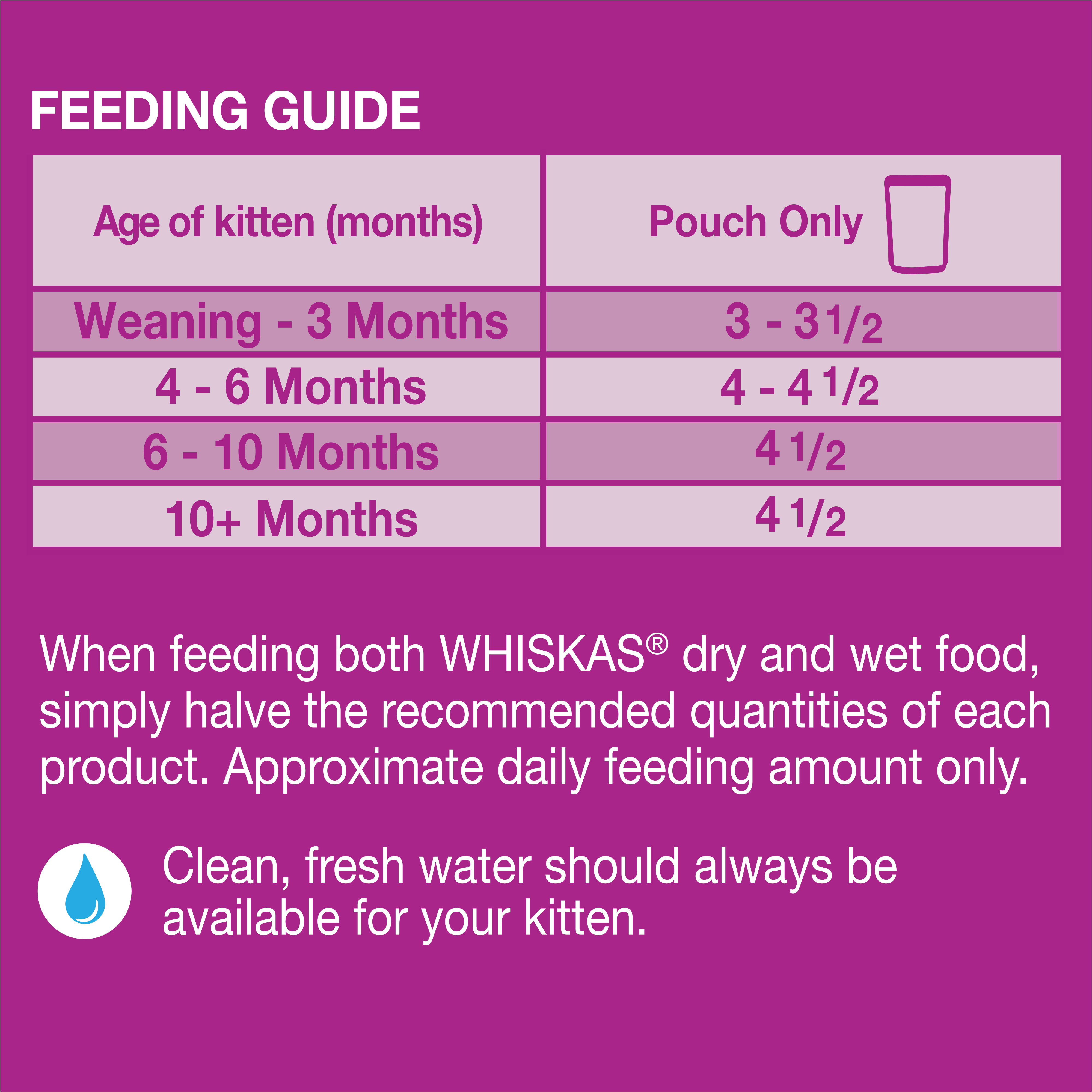
- Continue kitten food. Increase portions as weight grows.
- Feed 3 meals per day.
6–12 months
- Gradually reduce to 2–3 meals by 9–12 months.
- Maintain kitten food until around 12 months for most breeds.
Large-breed kittens may need kitten diets until 12–18 months. Follow your vet’s advice for large or giant breeds.
How to choose the right food
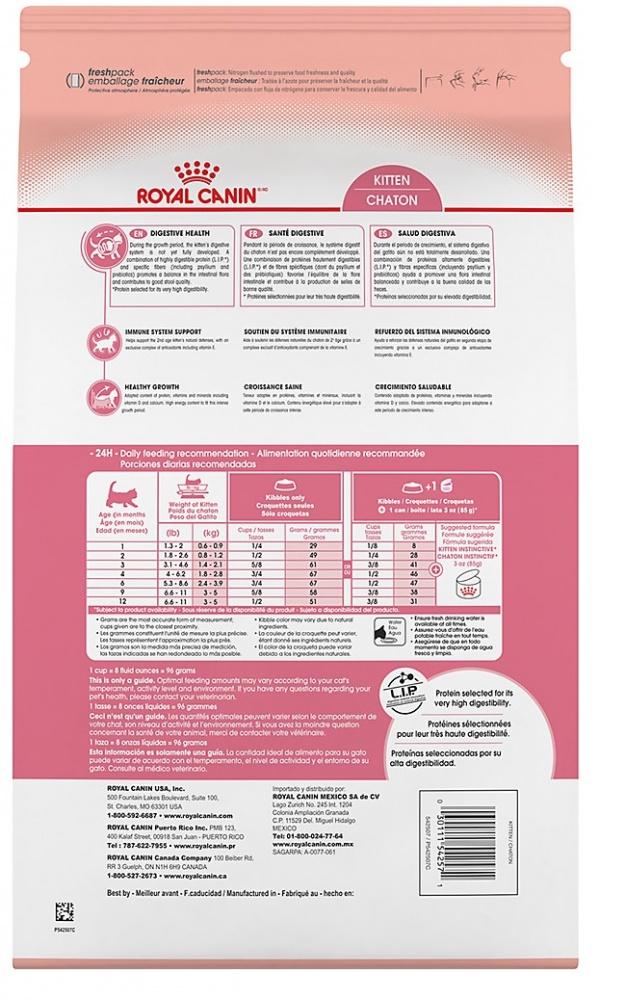
Picking the right product is a main step in this kitten feeding nutrition guide.
Look for complete kitten formulas
- Choose foods labeled complete and balanced for kittens.
- These meet nutrient levels set by feeding guidelines.
Wet vs dry
- Wet food adds water and is often more palatable.
- Dry food supports dental texture but has less moisture.
- Many owners do a mix for balance.
Read the label
- Check protein percentage and ingredient list.
- Avoid vague meat byproducts and excess fillers.
Avoid unsafe ingredients
- No raw diets for young kittens unless supervised by a vet.
- Some human foods are toxic; chocolate, onions, garlic, grapes are dangerous.
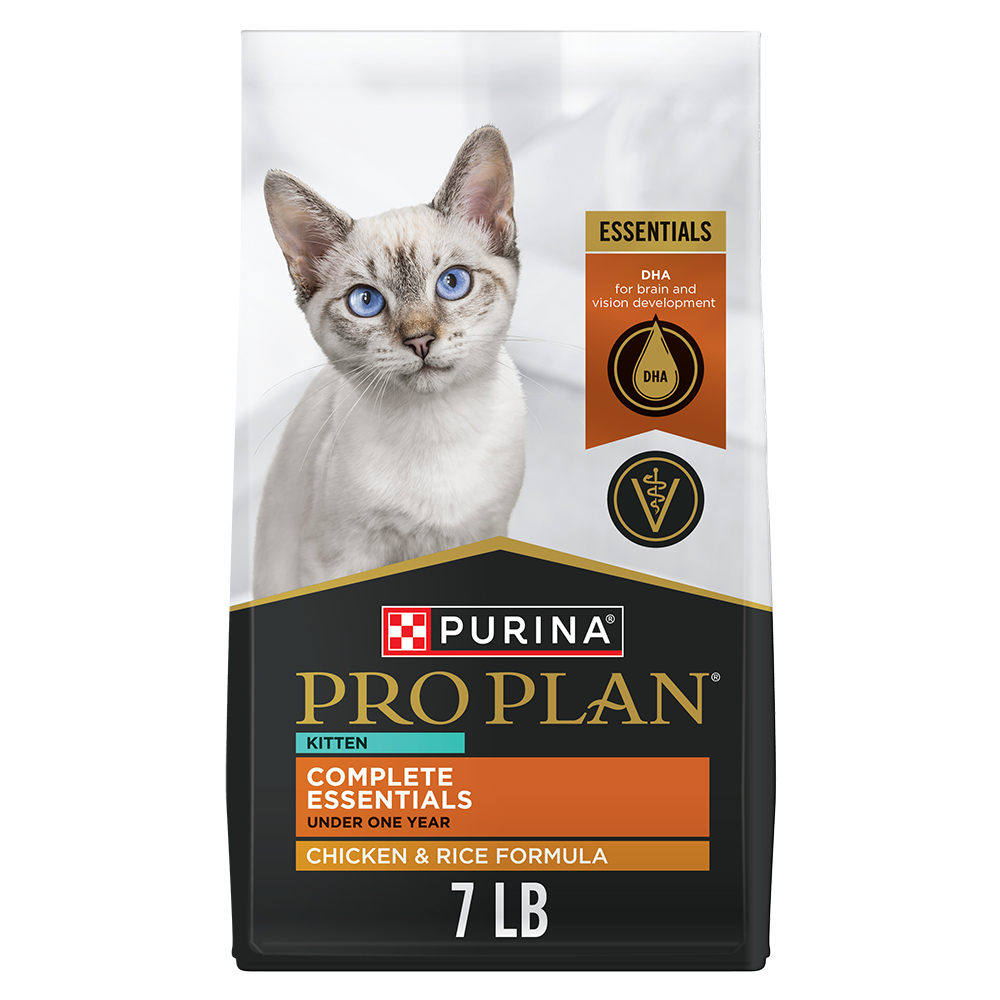
Trust reputable brands and your vet’s advice. I recommend trialing a few top kitten foods to see which your kitten accepts and digests well.
Feeding amounts and schedules
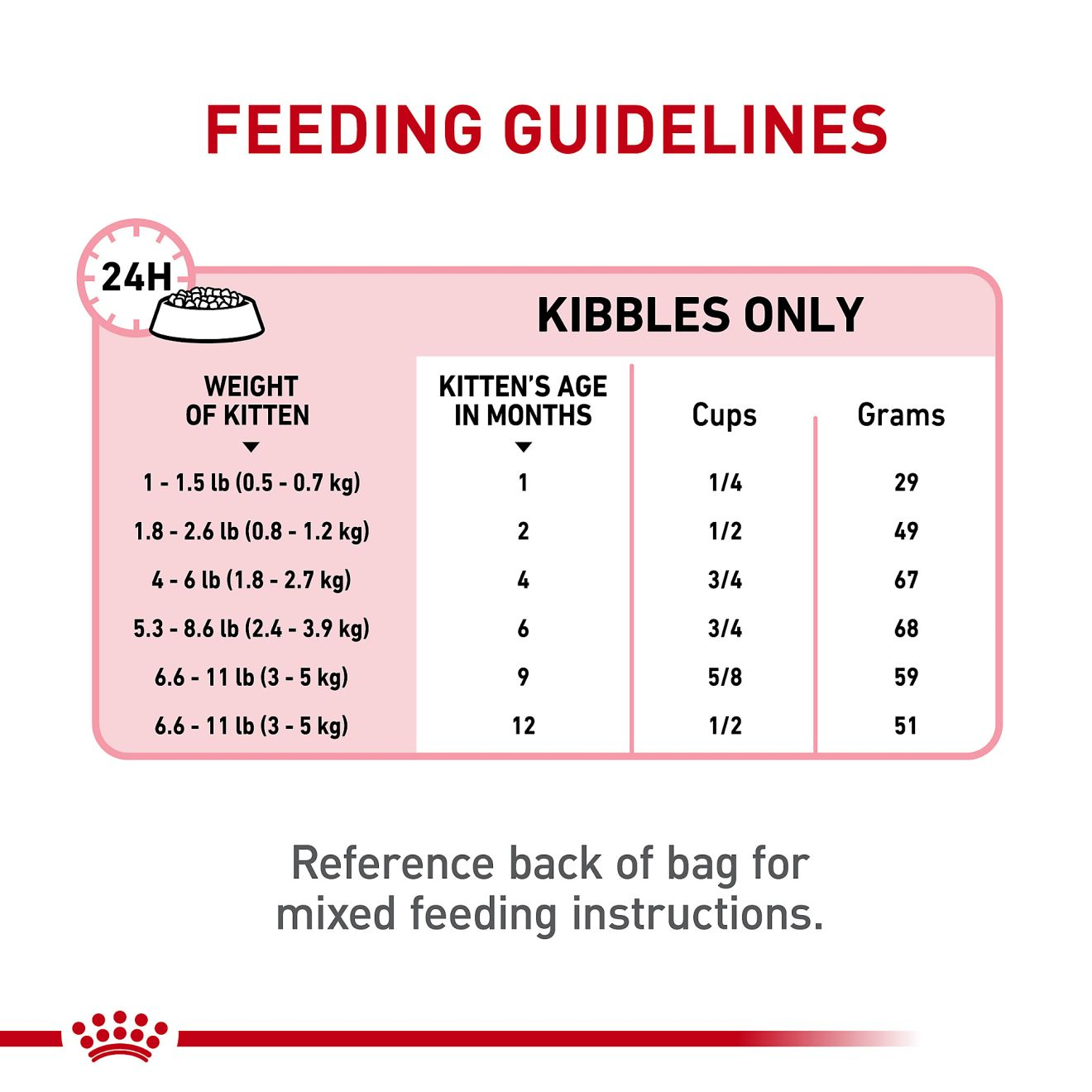
Consistency is key in this kitten feeding nutrition guide. Here are simple feeding plans.
Sample feeding schedule
- 0–4 weeks: bottle or nursing every 2–4 hours.
- 4–8 weeks: offer gruel and nursing, 6 times daily.
- 8–12 weeks: feed 3–4 small meals daily.
- 3–6 months: feed 3 meals daily.
- 6–12 months: feed 2–3 meals daily.
Portion control
- Follow package feeding charts for weight and age.
- Adjust for activity level and body condition.
- Weigh your kitten weekly for the first months.
Tips for picky eaters
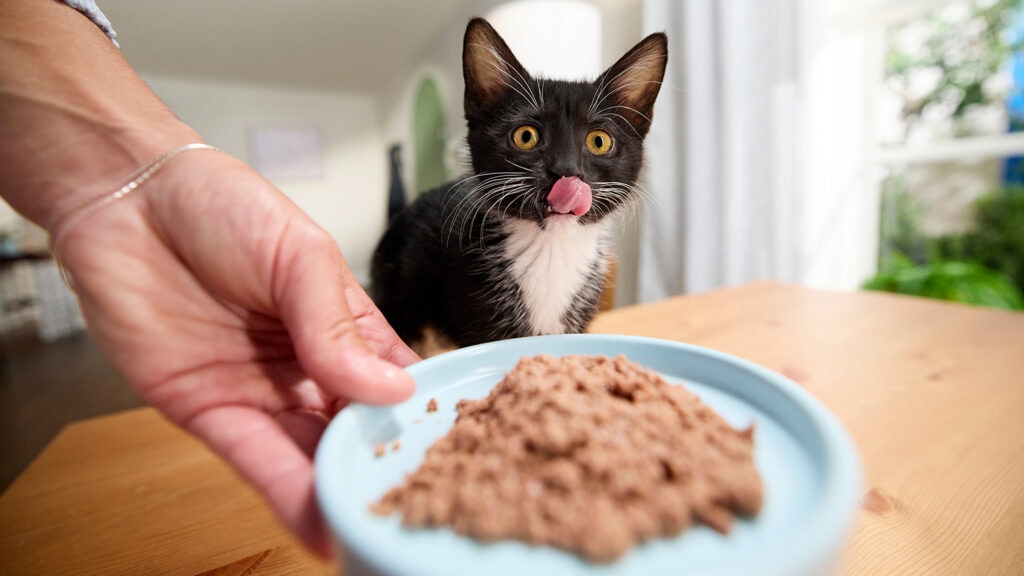
- Warm wet food slightly to boost aroma.
- Offer consistent meal times and remove uneaten food after 20–30 minutes.
- Avoid free-feeding dry food for very young kittens.
Bottle feeding and orphan kitten care
When a kitten is orphaned, this kitten feeding nutrition guide covers essentials.
Choose the right formula
- Use a commercial kitten milk replacer. Cow milk is unsuitable.
- Mix and warm it to body temperature.
Feeding technique
- Use a proper kitten bottle or syringe.
- Feed in a natural belly-down position to prevent aspiration.
Feeding frequency and amounts
- Newborns: every 2–3 hours, including nights.
- Increase amounts slowly as the kitten grows.
After-feeding care
- Stimulate elimination with a warm cloth until the kitten can go on its own.
- Keep the kitten warm and dry. Cold kittens can refuse to feed.
I’ve bottle-fed orphan kittens many times. Patience and gentle handling make a big difference. One tiny foster kitten thrived after careful bottle feeding and a quiet environment.
Transitioning to adult food and common mistakes
Knowing when and how to switch is part of this kitten feeding nutrition guide.
When to switch
- Most kittens switch at 12 months. Large breeds may need more time.
- Consult your vet for breed-specific needs.
How to transition
- Mix increasing amounts of adult food over 7–10 days.
- Watch stool, weight, and appetite during the change.
Common mistakes
- Switching too fast causes diarrhea.
- Feeding adult food too early can stunt growth.
- Overfeeding leads to obesity and joint stress.
Fixing problems
- If stools loosen, slow the transition and check for other causes.
- Ask your vet if you see vomiting, weight loss, or poor coat condition.
Homemade diets and supplements: pros and cons
Many owners ask about DIY meals in this kitten feeding nutrition guide.
Homemade diet issues
- Creating balanced meals is hard without guidance.
- Missing taurine, calcium, or vitamins can cause serious harm.
Supplements
- Only use supplements if recommended by a vet.
- Too much calcium or vitamin D is dangerous.
When homemade can work
- Work with a veterinary nutritionist for recipes.
- Use supplements to correct verified deficiencies, not as a shortcut.
I once advised an owner who tried homemade meals without testing. The kitten developed low taurine symptoms. After switching to a balanced commercial diet and supplementing as advised, the kitten recovered. This taught me to always recommend expert oversight.
Signs of poor nutrition and when to see a vet
Watch your kitten closely. This kitten feeding nutrition guide lists common red flags.
Weight and body condition
- Slow weight gain or weight loss needs vet attention.
- Rapid weight gain can mean overfeeding.
Coat and skin
- Dull or patchy fur can signal a nutrition gap.
- Excessive scratching may signal allergies or poor diet.
Stools and digestion
- Diarrhea, vomiting, or constipation need prompt care.
- Persistent digestive issues can be diet-related.
Behavior and energy
- Lethargy or poor play can mean nutrient deficiency.
- Excessive hunger may mean wrong calorie balance.
If you see any of these signs, contact your vet. Early action prevents long-term problems.
Practical tips and mistakes to avoid
Use these quick tips from my experience to get the most from this kitten feeding nutrition guide.
Daily habits
- Keep fresh water available at all times.
- Weigh your kitten weekly for the first months.
Feeding environment
- Feed in a quiet, safe spot away from other pets.
- Use shallow dishes for small faces.
Avoid these mistakes
- Do not give cow’s milk.
- Do not over-rely on treats.
- Avoid sudden diet changes.
Rewarding progress
- Track weight and stool quality.
- Praise and play with a healthy, fed kitten.
Frequently Asked Questions of kitten feeding nutrition guide
What is the best type of food for kittens: wet or dry?
Both wet and dry can work well. Wet food adds needed moisture. Dry food helps dental texture and is convenient. A mix is often ideal.
How often should I feed a 2-month-old kitten?
Feed a 2-month-old kitten 3–4 times per day. Offer small, measured meals and monitor weight. Consistency helps digestion and growth.
Can I give cow’s milk to kittens?
Do not give cow’s milk. It often causes diarrhea and poor digestion. Use a kitten milk replacer for young or orphaned kittens.
When should I switch my kitten to adult cat food?
Most kittens move to adult food around 12 months. Some large breeds may need longer. Ask your vet for breed-specific guidance.
Are supplements necessary for kittens?
Supplements are usually unnecessary with a complete kitten diet. Only use them if a vet diagnoses a deficiency. Too much can be harmful.
How much protein do kittens need?
Kittens need higher protein than adults. Look for foods formulated for kittens with animal protein listed first. Adequate protein supports healthy growth and muscle.
Conclusion
Good feeding now sets the stage for a healthy adult cat. This kitten feeding nutrition guide gives clear steps for choosing food, feeding schedules, and spotting problems early. Start with a high-quality kitten formula, keep meals regular, and involve your vet for tailored advice. Try the tips here, monitor your kitten closely, and reach out to a professional if you’re unsure. Leave a comment with your questions, subscribe for more kitten care posts, or share your own feeding wins.

Pingback: Kitten Feeding Schedule Guide: Easy Feeding Plan - pettraiers.com
Pingback: Dry Cat Food Vs Wet: Which Is Best For Your Cat - pettraiers.com