
Pet first aid basics are calm steps to stabilize your pet and get veterinary help fast.
When a pet gets hurt, seconds feel like hours. I have coached many owners through panic. With clear pet first aid basics, you can act, not freeze. In this guide, I share proven steps, simple tools, and real tips I use in the field. You will learn how to check vitals, handle common emergencies, and build a kit that works. Read on, and keep this pet first aid basics guide handy.

Start here: the first steps in any emergency
- Stay safe. Scan the area. Remove hazards like traffic or glass.
- Stay calm. Your pet reads your tone and body language.
- Muzzle if needed, but only if safe. Never muzzle a pet that is vomiting or has trouble breathing.
- Check for breathing and a heartbeat. Look at the chest. Feel the ribs. Check gums.
- Control heavy bleeding with direct pressure. Use clean cloth or gauze.
- Call your vet or an emergency clinic. Share weight, signs, and what happened.
- If you suspect poison, call a poison helpline before you induce vomiting.
- Transport with care. Keep your pet warm and still.
I use this simple flow in real cases. It keeps you focused when fear is loud. Pet first aid basics start with safety, calm action, and fast contact with a vet.

Build a pet first aid kit
Keep one kit at home and one in your car. Check items twice a year.
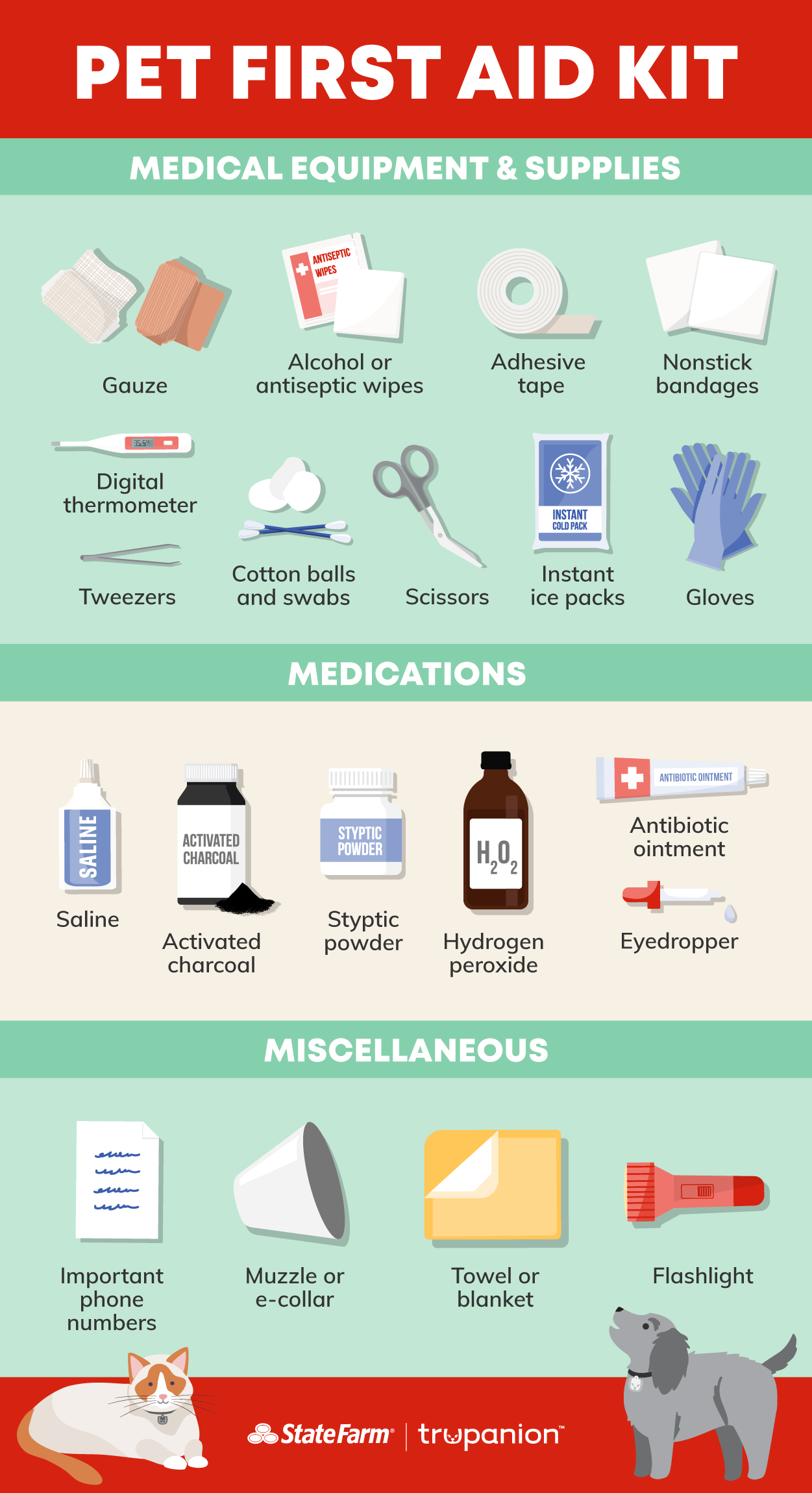
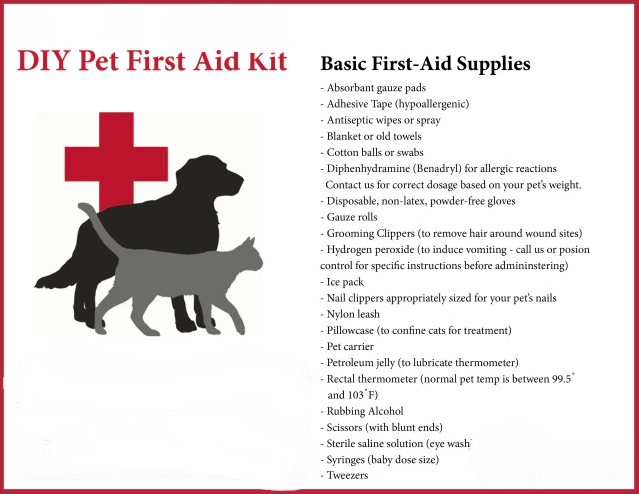
- Gauze rolls and nonstick pads
- Self-adhesive wrap that will not stick to fur
- Clean cloths and cotton balls
- Saline for wound flush and eye rinse
- Antiseptic solution for skin, like povidone iodine or chlorhexidine
- Digital thermometer and water-based lube
- Styptic powder for nail bleeds
- Tweezers and a tick remover
- Blunt-tip scissors
- Instant cold pack and heat pack
- Splint materials, like a small board and extra wrap
- Muzzle sized for your pet, only if safe to use
- Soft towel or blanket for restraint and warmth
- Elizabethan collar to stop licking
- Disposable gloves
- Honey or corn syrup for low blood sugar in small pets
- 3 percent hydrogen peroxide to induce vomiting only if a vet says to use it
- Activated charcoal only if a vet says to use it
- Extra leash, collar, and ID
- Flashlight and spare batteries
- Emergency contacts and a recent photo of your pet
- Copy of vaccines, meds list, and microchip info
This kit pairs with pet first aid basics to save time when minutes matter.
Check vitals like a pro
Know what is normal for your pet. Write it down when they are calm and well.
- Heart rate. Dogs are about 60 to 120 beats per minute. Cats are about 140 to 220. Feel the pulse at the inner thigh. Count beats for 15 seconds and multiply by four.
- Breathing rate. Dogs are about 10 to 30 breaths per minute. Cats are about 20 to 30. Watch the chest rise and fall. Count for 15 seconds and multiply by four.
- Temperature. Normal is about 100.0 to 102.5 degrees Fahrenheit. Use a rectal thermometer with lube. Never force it.
- Gum color. Pink is good. Pale, blue, or gray is a red flag. Press the gum and release. Color should return in under two seconds.
- Hydration. Gently lift the skin over the shoulders. It should snap back fast. Slow return can mean dehydration.
These checks guide your next steps. They are core to pet first aid basics and help your vet triage by phone.
Common emergencies and what to do
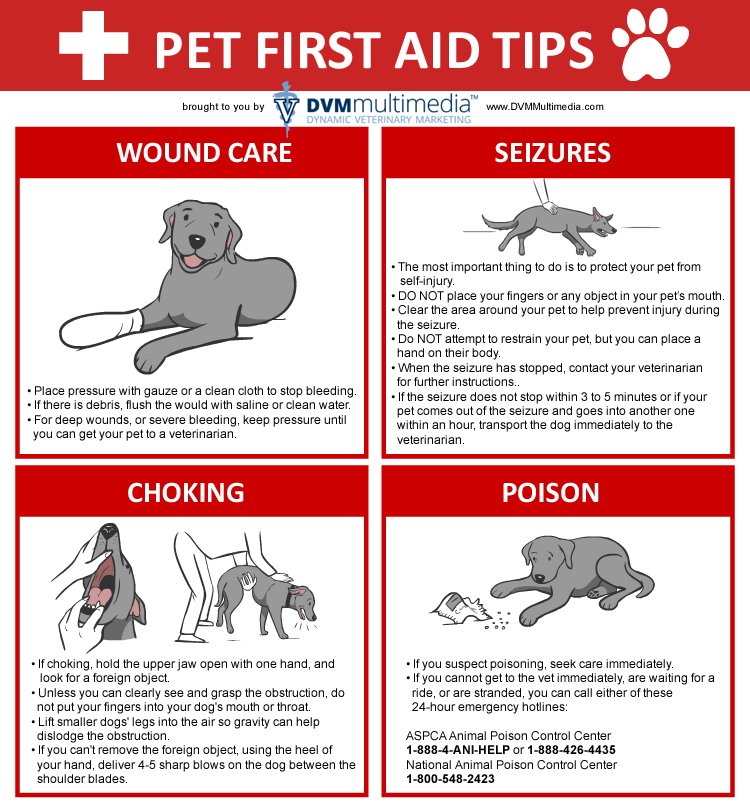
Bleeding and wounds
- Apply firm pressure with gauze. Do not peek for two minutes.
- Add layers if soaked. Do not remove the first layer.
- For limb bleeds, raise the leg if it does not cause pain.
- Use a tourniquet only as a last resort and only for a few minutes.
- Cover and see a vet. Deep wounds need care and may need stitches or drains.
Choking
- If your pet can cough or breathe, keep them calm and head to a vet.
- If not breathing, look in the mouth. Remove visible items with care.
- For small dogs and cats, hold with the head down and give firm back blows between shoulder blades.
- For medium to large dogs, use chest thrusts over the widest part of the chest.
- Start CPR if there is no breath and no heartbeat. Then transport.
Heatstroke
- Move to shade or a cool room now.
- Wet the body with cool water, not ice cold. Focus on belly, armpits, and paws.
- Use a fan. Offer small sips of water if alert.
- Check temperature. Stop cooling at 103 degrees.
- Go to a vet at once. Heat damage can be hidden and severe.
Poisoning
- Remove your pet from the source. Save the label or plant.
- Call a vet or a poison helpline. Do not guess.
- Do not induce vomiting unless a vet says to do so.
- If on the skin or fur, rinse with lukewarm water for 15 minutes.
- Watch for drool, tremor, or weakness. Transport fast.
Allergic reactions
- Signs include face swelling, hives, red skin, and vomit.
- Keep your pet calm. Prevent scratching.
- Call your vet. They may advise meds by weight.
- For trouble breathing, go to an emergency clinic now.
Fractures and sprains
- Do not try to set a bone.
- Muzzle if safe. Support the limb with a towel or splint.
- Keep your pet still. Lift on a board if you suspect back or neck injury.
- Seek veterinary care. Pain control and x-rays are key.
Burns
- For heat burns, cool with lukewarm water for 10 minutes.
- For chemical burns, flush with lots of water. Wear gloves.
- Do not apply butter or oil.
- Cover with a clean, dry dressing and see a vet.
Seizures
- Time the event. Most last under two minutes.
- Clear the area. Do not put your hands in the mouth.
- Keep lights low and voice calm.
- After, your pet may be dazed. Call your vet, and go in if it is the first seizure or lasts over five minutes.
Eye injuries
- Do not let your pet rub the eye.
- Use a cone if you have one.
- Rinse with sterile saline only.
- Cover lightly and see a vet the same day.
Bloat in deep-chested dogs
- Signs include a tight belly, gagging with no vomit, and restlessness.
- This is an emergency. Do not wait. Go to a clinic now.
Real life tip from my cases: speak softly, move slowly, and narrate what you do. It calms you and your pet. That calm is a secret tool in pet first aid basics.

Pet CPR basics
Only start CPR if your pet is not breathing and you cannot feel a heartbeat.
- Lay your pet on the right side on a firm surface.
- Chest compressions. Aim for 100 to 120 per minute. Compress one third to one half of chest width. For small dogs and cats, use one hand or both thumbs.
- Hand placement. Over the widest part of the chest for most dogs. Over the breastbone for barrel-chested breeds. Around the chest for cats and tiny dogs.
- Rescue breaths. Close the mouth. Seal over the nose. Give one second breaths until the chest rises.
- Ratio. Do 30 compressions and then 2 breaths if you are alone.
- Recheck every two minutes. Rotate rescuers if you can.
- Keep going until your pet breathes, you are relieved by a vet team, or you must stop.
This is intense. Practice on a manikin in a class if you can. Hands-on practice is a big win in pet first aid basics.
Safe handling and transport
- Use a towel to wrap cats and small dogs. It works like a gentle hug.
- Use a muzzle only if safe. Never on pets that are vomiting, struggling to breathe, or are short-nosed breeds.
- Make a stretcher with a board or a firm lid. Use a blanket as a sling for the hind end if needed.
- Lift with two people for large dogs. Keep the back and neck in line.
- Keep your pet warm, but not hot. Quiet helps reduce shock.
- Call ahead so the clinic can be ready. Share your pet’s weight and signs.
These calm moves limit pain and stress. They also fit the core of pet first aid basics.

Prevention, training, and readiness
- Pet-proof your home. Secure trash, meds, and plants.
- Train leave it and drop it. These cues prevent many bad moments.
- Use ID tags and a microchip. Keep info current.
- Watch heat, cold, and water risks. Bring fresh water on every walk.
- Keep vaccines and preventives current. Parasites can trigger crises.
- Practice touch. Handle paws, ears, and mouth often. Reward calm.
- Take a pet first aid class. Refresh skills each year.
- Review your plan. Save vet, emergency, and poison numbers in your phone.
- Run drills. Try a two-minute mock check of vitals and a car load.
Prepared owners spot problems early. That is the quiet power of pet first aid basics.
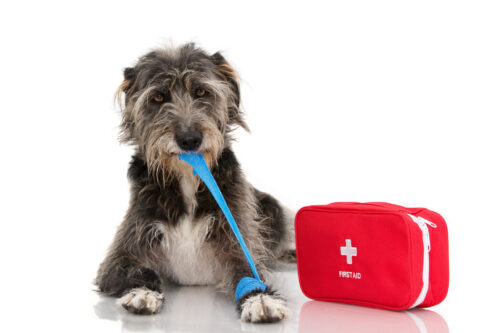
Frequently Asked Questions of pet first aid basics
Can I give human pain meds to my pet?
No. Many human meds are toxic to pets. Call your vet for safe options and dose.
When should I induce vomiting after a toxin?
Only when a vet or poison expert tells you to do so. Some toxins and sharp items cause more harm if vomited.
How do I know if my pet has a fever?
Use a rectal digital thermometer. A temperature over 102.5 degrees calls for a vet visit.
What should be in a basic pet first aid kit?
Stock gauze, wrap, saline, antiseptic, thermometer, gloves, cone, muzzle, and vet contacts. Add items for your pet’s size and needs.
How do I stop a nail bleed at home?
Press with gauze, then use styptic powder. If bleeding will not stop in 10 minutes, call your vet.
Is honey safe for low blood sugar in small pets?
A small amount rubbed on gums can help while you head to a vet. Only use if your pet can swallow.
How often should I practice pet first aid basics?
Review monthly. Check your kit twice a year. Skills fade without practice.
Conclusion
You now have the core steps, tools, and checks to act fast and smart. Pet first aid basics help you stay calm, stabilize your pet, and get timely veterinary care. Start with safety, know your pet’s normals, build a real kit, and practice.
Set a reminder today to stock your kit and save clinic numbers. Share this guide with a friend who loves their pet. Subscribe for more pet care tips, or leave a comment with your questions or stories.
