

Most pet owners use GPS collars to quickly locate and protect lost dogs and cats.
I have tested and used many pet gps tracker usage systems over several years. I write from hands-on experience and research. This guide explains how pet gps tracker usage works, why it helps, and how to pick and use one safely. Read on for clear steps, real tips, and mistakes to avoid.
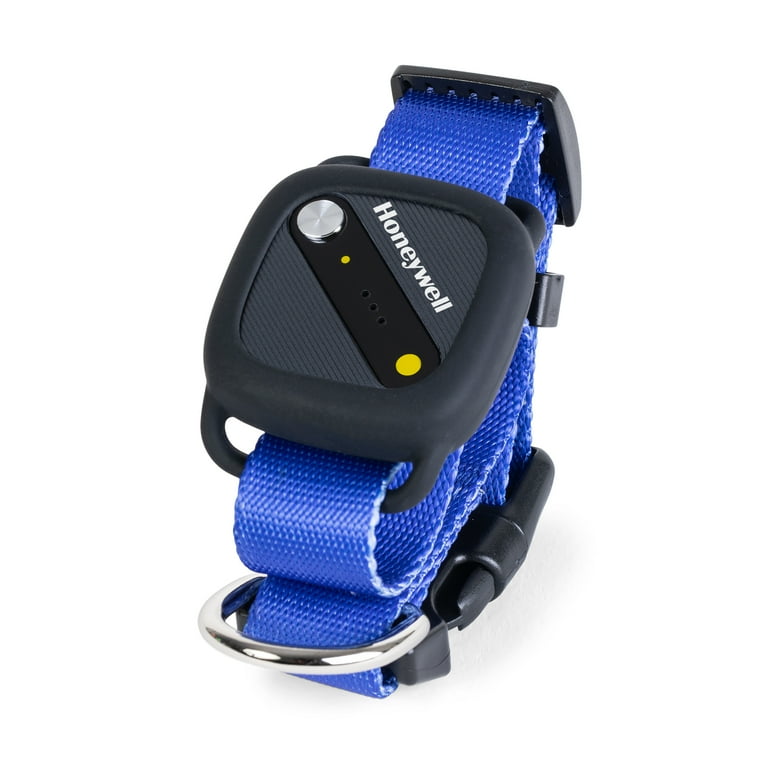
How pet GPS trackers work
Pet gps tracker usage relies on three main parts. The tracker device attaches to a collar. It uses GPS satellites to find precise location. It then sends that location via cellular or Bluetooth to an app. The app shows the pet on a map and can alert you if the pet leaves a safe zone. This tech is simple to use but depends on signal, battery, and cell service.

Key benefits of pet gps tracker usage
Using a tracker brings calm and safety. You find a lost pet faster. You can set safe zones and get alerts. You learn your pet’s activity patterns and routes. Trackers also help older or sick pets that wander. Many owners say recovery time drops from hours to minutes when they use a tracker.

Choosing the right tracker for your pet
Match size and weight to your pet. Small cats need tiny, light trackers. Big dogs can carry heavier models. Check the tracking method: real-time GPS or Bluetooth. Real-time GPS is best for long-range tracking. Look at battery life. Longer battery means less charging. Consider subscription fees for cell data. Compare waterproof rating if your pet swims or plays outside. Read reviews and check return policies before buying.

Setup, daily use, and best practices
Charge the tracker before first use. Fit it snug but not tight on the collar. Test in your yard to confirm accuracy. Create safe zones in the app for home, park, and other spots. Turn on alerts for exits from safe zones. Check the tracker location once a day. Replace batteries or recharge before they run low. Update firmware when the app prompts you. These small steps improve pet gps tracker usage and reliability.
:max_bytes(150000):strip_icc()/dog-gps-tracker-test-tractive-waterproof-lte-tstaples-0533-ce8cbc2ecf724ba19e24e72808ca10be.jpg)
Troubleshooting and maintenance tips
If the tracker shows an old location, check battery level and cellular signal. Move the pet to an open area to improve GPS fix. Ensure the tracker sits clear of metal tags that can block signal. Reboot the device by removing and reseating it if needed. Keep the app updated and re-pair if the connection drops. Regular checks reduce surprises and keep pet gps tracker usage consistent.
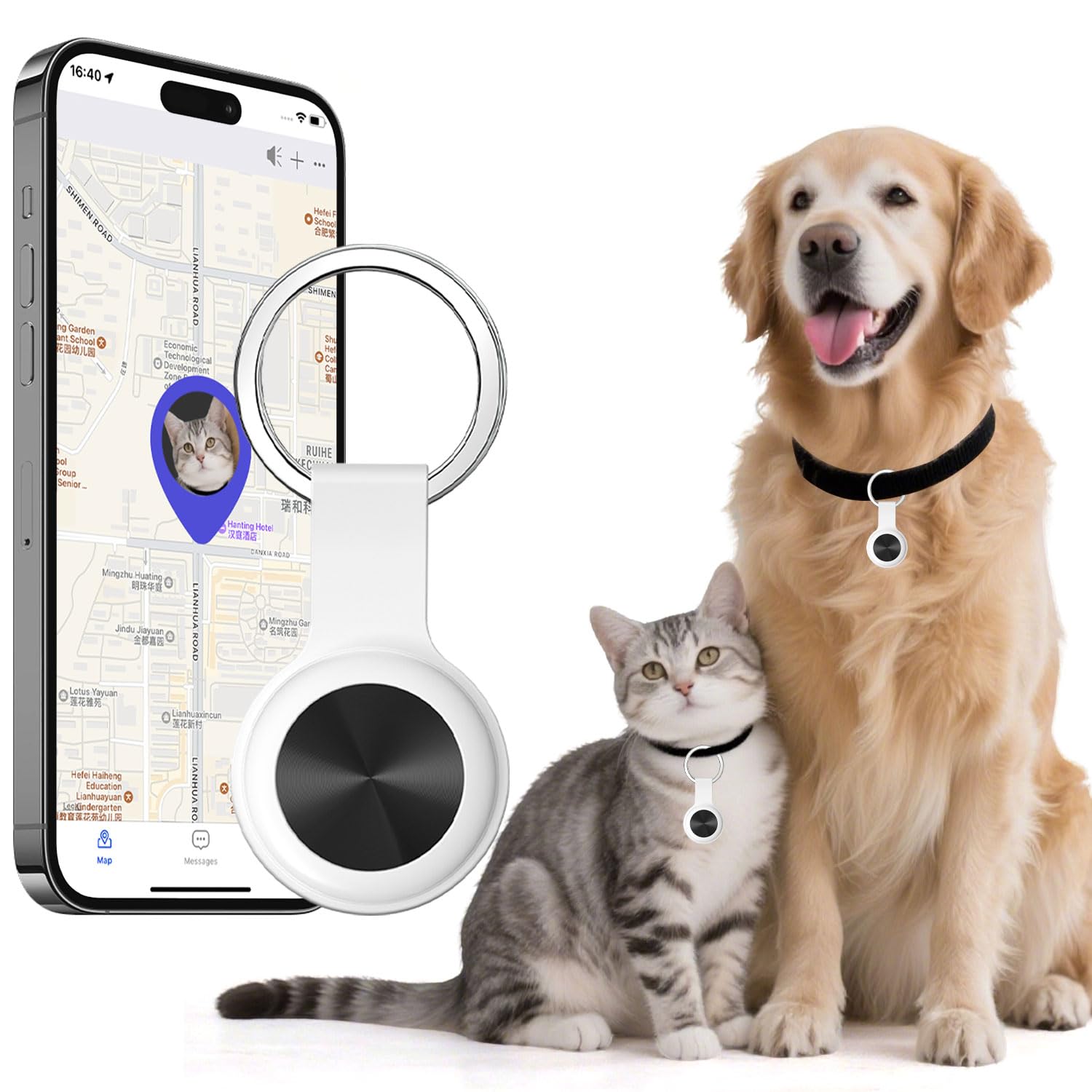
Real-world examples and personal lessons
One morning my dog slipped through a gate. I opened the tracker app and saw him at a neighbor’s yard. I walked there and called him home. The whole event took 12 minutes. That experience taught me to keep the GPS collar charged and to set neighbor safe zones. I also learned that a tracker is a tool, not a substitute for secure fencing and supervision. Pet gps tracker usage helped, but good routines prevented repeat escapes.
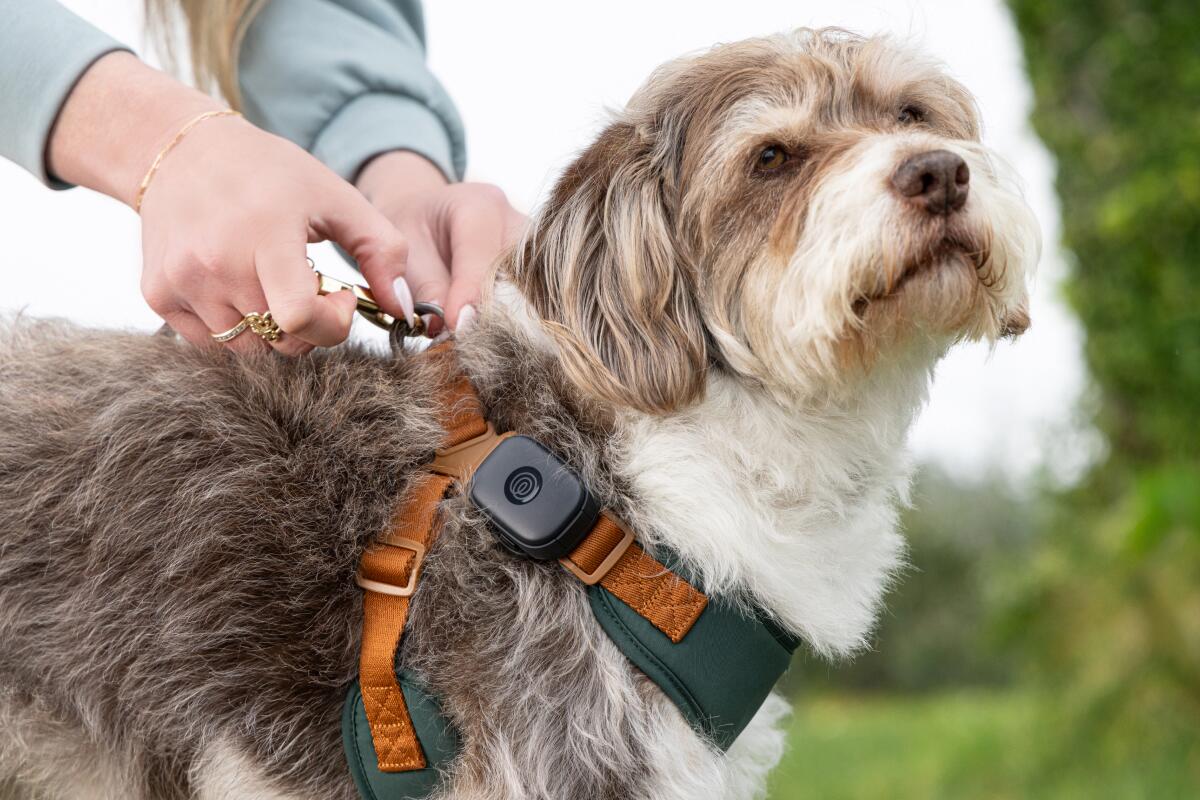
Legal, privacy, and safety considerations
Use trackers with consent if you track multiple people’s pets. Treat location data like private data. Use strong app passwords and two-factor login when available. Be aware that trackers need cell data, which may collect location info on servers. Understand the tracker’s warranty and replacement policy. These steps increase trust and safety in your pet gps tracker usage.
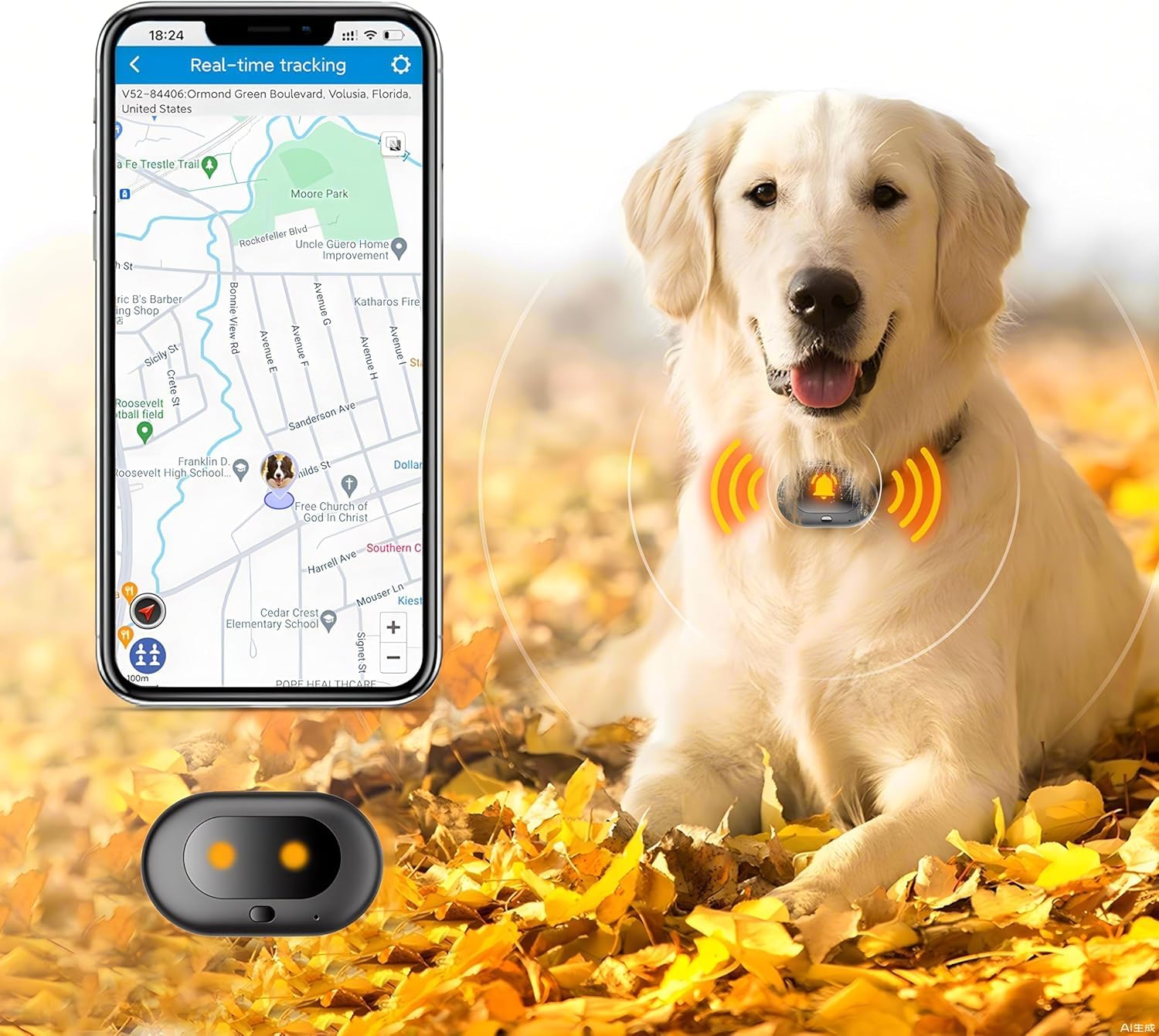
Cost, subscriptions, and long-term value
Trackers vary widely in cost. One-time price can be low, but monthly fees often apply for real-time tracking. Factor in battery replacement and accessories. Compare plans and check network coverage for your area. In many cases, pet gps tracker usage saves money and stress by reducing lost-pet costs. Decide based on how often your pet roams and your budget.

Frequently Asked Questions of pet gps tracker usage
How accurate is a pet GPS tracker?
Most GPS trackers are accurate to within a few meters in open areas. Accuracy drops near tall buildings, dense trees, or underground spots.
Do pet GPS trackers need a subscription?
Many real-time GPS trackers use cellular networks and require a subscription. Bluetooth-only trackers often do not need a monthly plan.
How long does the battery last?
Battery life ranges from a day to several weeks. It depends on reporting frequency, signal strength, and device size.
Can small cats wear GPS trackers safely?
Yes. Choose very small, light models designed for cats. Always check weight and fit before regular use.
Will a tracker work indoors or underground?
Trackers work poorly indoors or underground due to weak GPS signals. Some trackers use Wi-Fi or Bluetooth to improve indoor location.
What if my tracker shows the wrong location?
First check battery and signal. Reboot the device and move to an open area for a better GPS fix.
Are pet GPS tracker usage apps easy to use?
Most apps are user-friendly with maps and alerts. Spend time exploring settings and testing them in safe spaces.
Can I track a lost pet without a subscription?
If the tracker supports Bluetooth and another pet or person gets close, you may get a location. Real-time recovery usually needs a subscription.
Is the data from trackers secure?
Security varies by brand. Use strong passwords, enable two-factor login, and review privacy settings in the app.
How often should I check the tracker?
Check daily and immediately after walks or outings. Check more often if your pet has a history of escapes.
Conclusion
Pet gps tracker usage can change how you protect and care for your pet. Trackers help you find lost pets faster, understand activity, and reduce worry. Start with the right size device, keep it charged, set safe zones, and follow simple maintenance steps. Try a model with a clear trial or return policy and plan for subscription costs. Take action today: pick a tracker that fits your pet, test it in your yard, and make pet safety a daily habit. Leave a comment with your tracker story or subscribe to learn more tips and updates.
