
Pet grooming cleaning tools keep coats healthy, reduce shedding, and prevent skin issues.
If you want a happy, clean pet and a hair-free home, the right pet grooming cleaning tools are your best friend. I’ve spent years testing brushes, dryers, clippers, and cleansers on many coat types. In this guide, I’ll break down pet grooming cleaning tools that actually work, how to use them, and how to build a safe routine you can keep. Let’s keep it simple, stress-free, and effective.

The core toolkit for home groomers
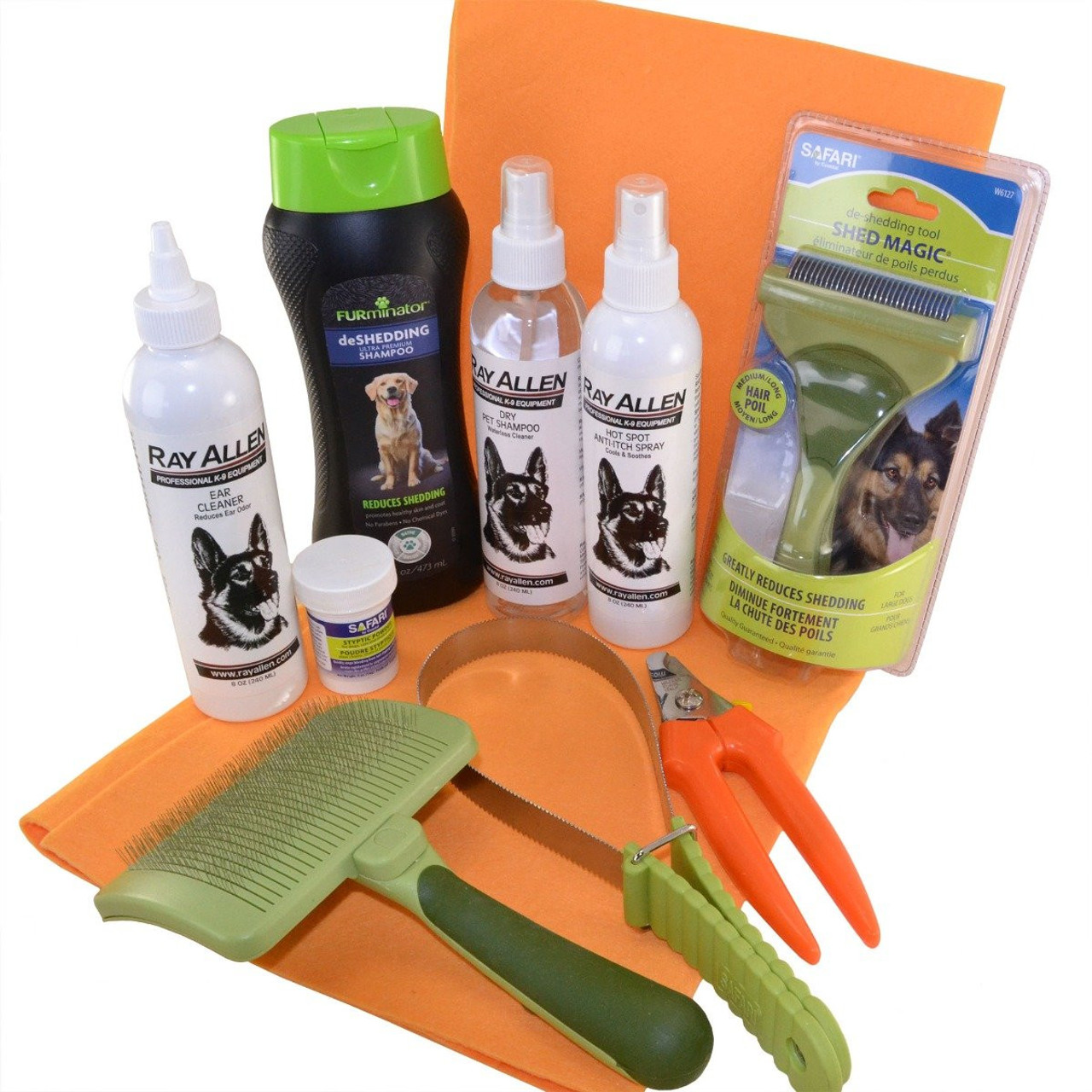
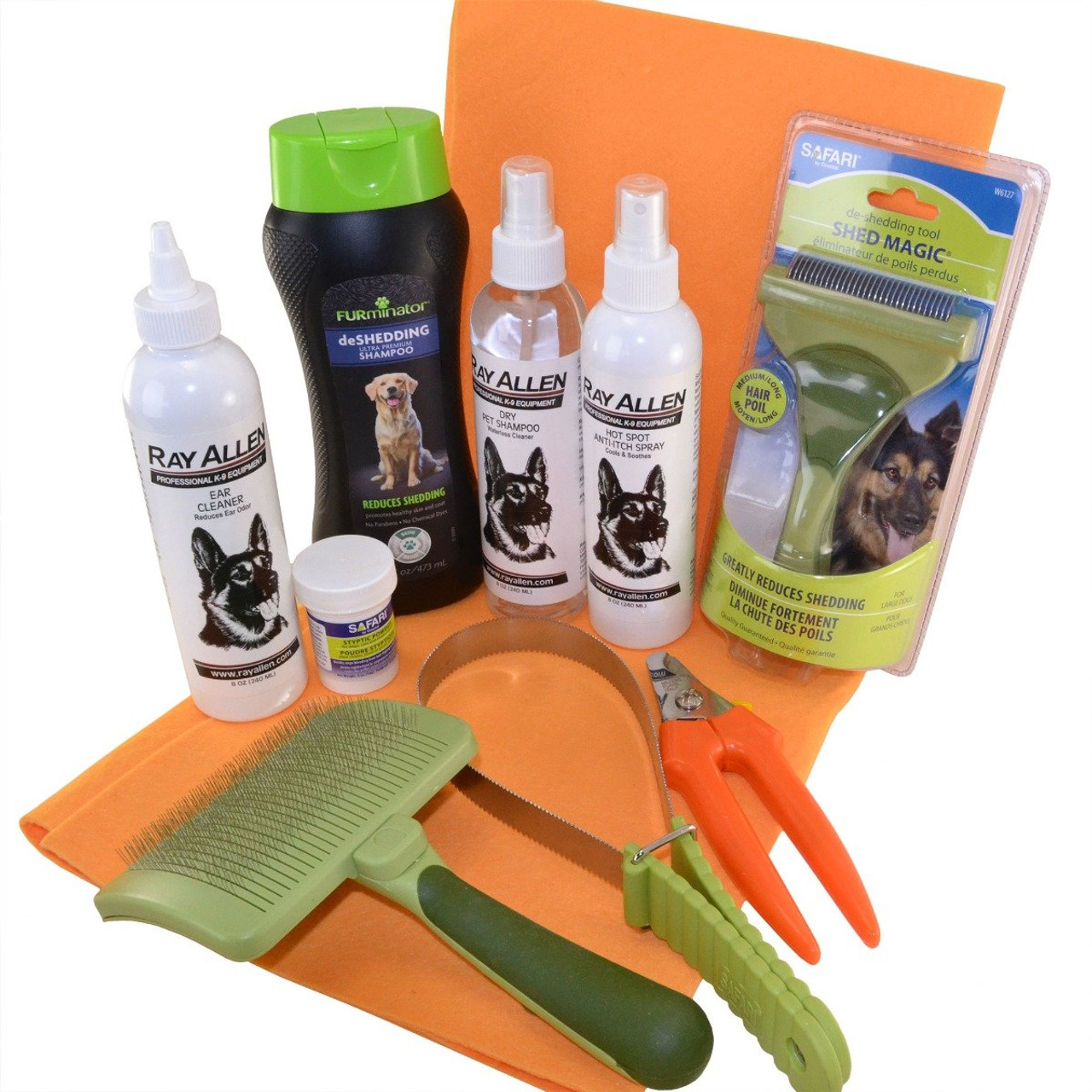
A basic kit covers most needs. Start with a slicker brush, a comb, nail clippers or a grinder, pet-safe shampoo, and microfiber towels. Add a deshedding tool, ear cleaner, toothbrush, and a high-velocity dryer if budget allows.
When I build a kit for new owners, I pick tools that match the coat first. Then I add items that make cleanup easy. Pet grooming cleaning tools that save time and stress are always worth it.
Useful additions:
- Rubber curry or grooming glove for short coats. Great for baths and quick sheds.
- Grooming wipes for spot cleaning. Handy after walks or meals.
- Flea comb for fine debris. It also checks for flea dirt.
- Styptic powder for nail mishaps. It stops minor bleeding fast.
Make sure every tool feels safe in your hand. Good grip beats fancy features. Pet grooming cleaning tools should make grooming calm and fast.
Brushes and combs: match tool to coat type
Choosing a brush is like choosing shoes. The right fit changes everything. Pet grooming cleaning tools do their best work when matched to the coat.
Short and smooth coats
Use a rubber curry in circles. Follow with a soft bristle brush to lift dust. A fine comb can help with face and paws.
Medium double coats
Use a slicker to lift loose undercoat. Work in layers. Pull a comb through to check for mats. A deshedding tool helps during heavy shed days.
Long and silky coats
A pin brush glides without snagging. Use a metal comb to find hidden tangles. Detangler spray helps prevent breakage.
Curly and wavy coats
Use a slicker with gentle pressure. Comb in small sections to prevent mats. Keep hair dry when brushing to avoid frizz.
Wire coats and terriers
A slicker and a coarse comb manage daily care. Hand-stripping is advanced. Leave that to a pro if you are not trained.
Pro tip from the table: I once spent an hour on a mat that should have taken five minutes. The mistake was pressure instead of patience. Short strokes, hold the hair near the skin, and work in tiny sections. Your pet will thank you.
Pet grooming cleaning tools that match coat type save time and reduce skin stress.
Bathing tools that make cleanup easy
A good bath starts with a plan. Gather pet grooming cleaning tools before water hits the coat. Use a non-slip mat to prevent slips.
Useful bath tools:
- Dilution bottle to thin shampoo for even spread.
- Silicone scrubber to lift grime and massage skin.
- Handheld sprayer with gentle pressure for full rinse.
- Drain hair catcher to prevent clogs.
- Conditioner or coat spray to reduce tangles.
Use lukewarm water. Hot water dries the skin. Always use pet-safe shampoo. Human products can upset skin balance. For quick fixes, dry shampoo and deodorizing sprays help between baths.
Bathing note from experience: I rinse three times. The third rinse is when the coat feels light and squeaky. Leftover soap causes itch and flakes. Pet grooming cleaning tools work best when the coat is clean and well rinsed.

Drying tools: towels, blowers, and calm handling
Drying is where many pets get stressed. The right tools keep noise low and coats smooth. Microfiber towels pull water fast and cut blower time.
A high-velocity dryer lifts water from skin to tips. Keep the nozzle a few inches away. Aim with the hair flow to avoid tangles. For noise-sensitive pets, use lower settings and reward breaks.
Tips that help:
- Use cotton balls in ears to block spray. Remove after.
- Keep dryer moving. Do not hover in one spot.
- For curly coats, dry in sections with a comb to prevent mats.
I once helped a nervous doodle by starting with the dryer on the lowest speed in another room. We inched closer with treats. Pet grooming cleaning tools matter, but timing and patience make them shine.

Nail, ear, and dental cleaning tools
These areas keep pets healthy and comfy. Start slow. Keep sessions short and sweet.
Nail care:
- Scissor clippers fit small, curved nails. Guillotine clippers suit thicker nails.
- A grinder smooths sharp edges and gives more control.
- Keep styptic powder nearby to stop minor bleeding.
Ear care:
- Use pet ear cleaner with cotton pads. Never push cotton swabs deep.
- Lift the ear, add solution, massage, then wipe out debris.
Dental care:
- Pet toothbrush or finger brush with pet toothpaste.
- Dental wipes are great for quick cleans.
- Water additives help between brushings.
Pet grooming cleaning tools for nails, ears, and teeth prevent odors, pain, and vet visits. Go slow and build trust.

Sanitation and tool care
Clean tools mean healthy skin. Dirty gear spreads germs and oil. Make cleanup part of the routine.
Do this after each session:
- Remove hair from brushes and combs. Wash with warm soapy water. Rinse well.
- Spray tools with pet-safe disinfectant. Let them dry.
- Wipe clipper blades and oil them to prevent rust.
- Wash towels on hot and dry fully.
I store sharp tools in a dry box with silica packs. It stops rust. Pet grooming cleaning tools last longer with simple care. Replace tools if they chip, rust, or lose tension.
Safety, comfort, and handling tips
Safety turns grooming into bonding time. Keep sessions short. End on a win.
Helpful habits:
- Check skin for redness, hot spots, or lumps as you work.
- Use treats to pair tools with rewards.
- If a pet growls or freezes, pause and reset.
- For anxious pets, try a lick mat during baths.
I learned to read “ear flicks” and lip licks as early stress signs. When I slow down, pets relax and trust grows. Pet grooming cleaning tools are only as good as the calm hands that use them.

Budget vs pro-grade: what to buy first
You do not need pro gear on day one. Buy smart, add as needed. Focus on pet grooming cleaning tools that fix your biggest pain.
Start here:
- A solid slicker brush and metal comb.
- Pet-safe shampoo and a microfiber towel set.
- Clippers only if your pet needs trims. Otherwise, book a groomer for haircuts.
When to upgrade:
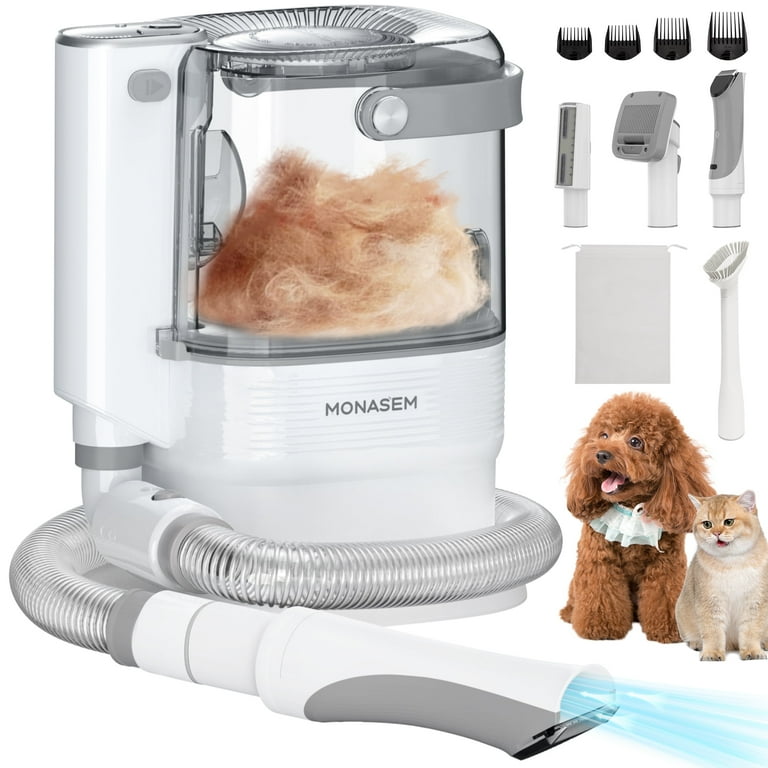
- Heavy shedding or thick coats benefit from a high-velocity dryer.
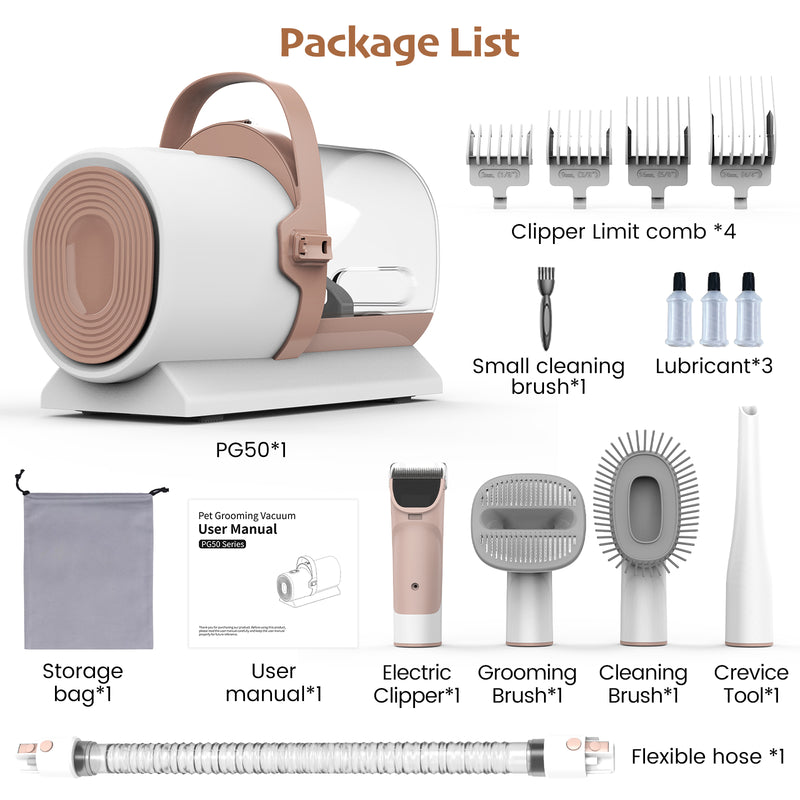
- If you clip often, get a quiet clipper with steel blades and guards.
- Replace low-quality tools that tug or scratch.
I wasted money on a flashy deshedding tool that did not fit my dog’s coat. The simple slicker and patient combing worked better. Match tools to your pet, not a trend. Pet grooming cleaning tools should solve your pet’s needs, not sit in a drawer.
Build a weekly grooming routine that sticks
A simple plan keeps things easy. Keep sessions short. Repeat each week.
Try this flow:
- Quick brush to find tangles.
- Comb in sections. Add detangler if needed.
- Wipe eyes and paws with grooming wipes.
- Brush teeth for 60 seconds.
- Check ears. Clean if dirty.
- Trim or grind nails if tips touch the floor.
- Bath and full dry only when needed.
Track what works in a small note on your phone. I log tools used, time spent, and any skin notes. Pet grooming cleaning tools work best when used in a steady rhythm.
Frequently Asked Questions of pet grooming cleaning tools
How often should I brush my pet?
Most dogs and cats do well with brushing two to four times a week. Long or double coats may need daily care during shedding seasons.
Which brush is best for my dog’s coat?
Short coats like a rubber curry and bristle brush. Long or double coats benefit from a slicker and a metal comb to prevent mats.
Are human shampoos safe for pets?
Use pet-safe shampoo only. Human formulas can upset skin pH and cause dryness or itch.
Do I need a high-velocity dryer?
It helps with thick, long, or double coats. For short coats, microfiber towels may be enough.
What is the safest way to trim nails?
Use sharp clippers or a grinder and take small trims. Stop if you see a pink quick or your pet pulls back.
How do I disinfect grooming tools?
Wash off hair and debris first. Spray with a pet-safe disinfectant, let it sit, then air dry before storage.
Can grooming reduce shedding in the home?
Yes. Regular brushing and proper drying lift loose hair before it hits your floors and furniture.
Conclusion
With the right pet grooming cleaning tools and a simple plan, you can keep your pet clean, comfy, and confident. Match each tool to the coat, move slow, and celebrate small wins. Your home will be tidier, and your bond will grow.
Pick one upgrade this week. Maybe a better slicker or a set of microfiber towels. Try the routine for seven days and note the change. Want more tips? Subscribe, share your questions, or drop a comment with your pet’s coat type and challenges.

Pingback: How To Stop Dog Shedding: Ultimate Guide For 2026 - pettraiers.com
Pingback: Dog Flea And Tick Care: Essential Tips For 2026 - pettraiers.com