
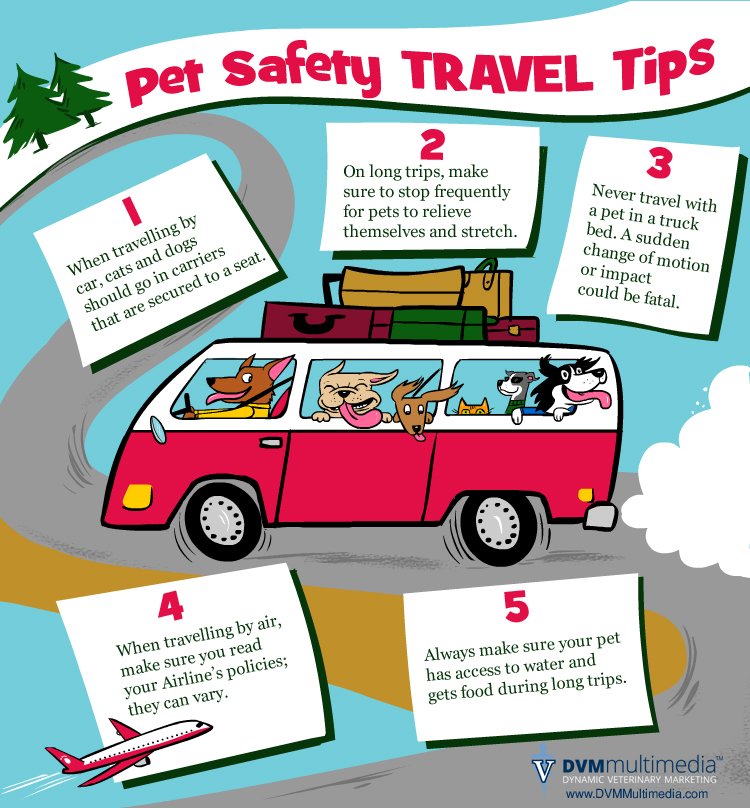
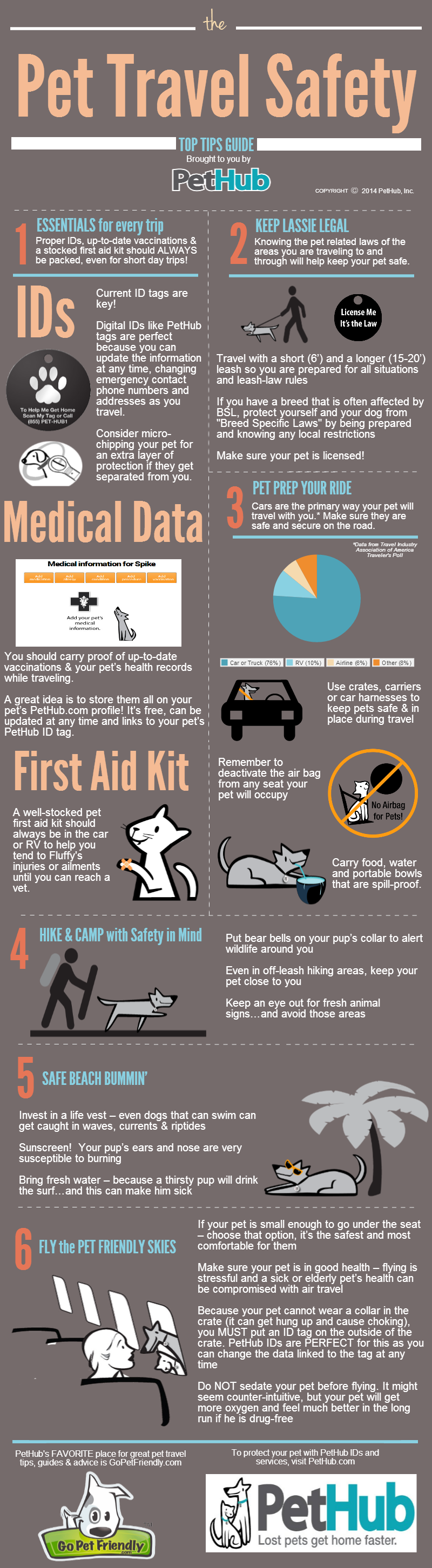
Pet travel safety means planning, securing, and monitoring pets to prevent injury or distress.
I have helped dozens of pet owners plan trips and kept my own dog safe on many long drives and flights. This guide dives deep into pet travel safety. You will get practical steps, checklists, and real tips from experience. I explain what works, what to avoid, and how to stay calm if things go wrong.

Why pet travel safety matters
Pets cannot tell us when they are scared or sick. Good pet travel safety reduces stress, avoids injury, and keeps pets healthy. Airlines and car rules can be strict, so planning helps you meet requirements and avoid delays. I have seen rushed trips turn into long vet visits. Proper prep prevents those problems.

Prepare well before travel
Start planning weeks in advance. A vet check is key to verify health and get required certificates. Update ID tags and microchip info to match travel plans.
- Schedule a pre-trip vet visit 2–3 weeks before travel to handle vaccines and paperwork.
- Update microchip data and add a temporary travel phone number to your pet’s profile.
- Practice short trips with your pet in a carrier or seat restraint to build comfort.
From personal experience, slow buildup works. My dog went from 5-minute car rides to three-hour drives with no vomiting. That gradual approach improves pet travel safety.
Choosing the right carrier and restraint
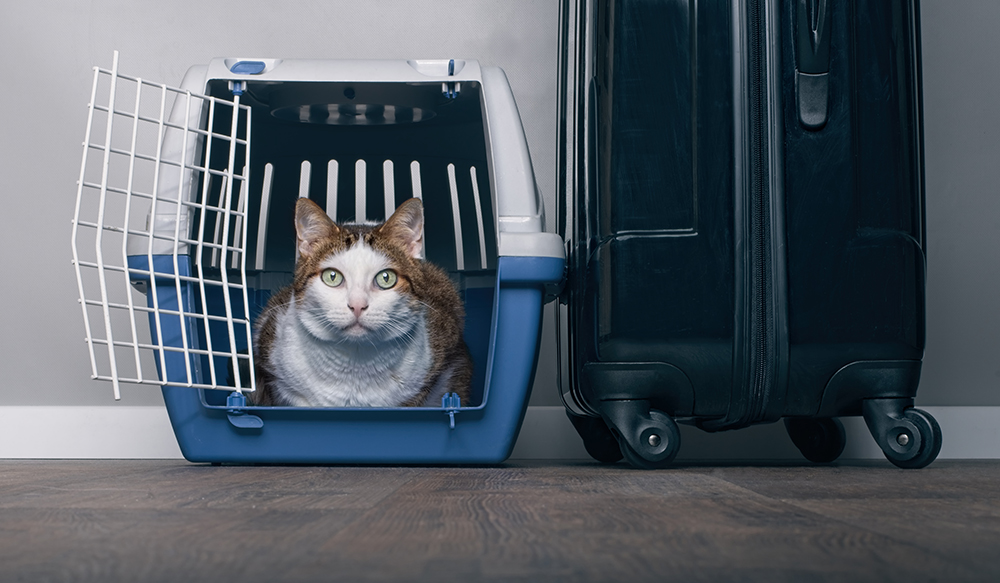
A proper carrier protects your pet and meets rules. Size matters. The pet should be able to stand, turn, and lie down.
- For air travel, use airline-approved carriers for in-cabin flights.
- For car travel, select a crash-tested harness or a secure crate that locks.
- Soft-sided carriers work for calm cats and small dogs. Hard crates are best for long trips or larger dogs.
I once switched to a better harness after a scare. It kept my pet steady during sudden stops. Good restraints are central to pet travel safety.

Air travel tips and rules
Air travel can be stressful. Know the airline rules for in-cabin and cargo travel. Most airlines require health certificates issued within 10 days of departure for domestic flights and even earlier for international travel.
- Book direct flights when possible to reduce handling and transfers.
- Never sedate pets for travel without vet approval. Sedation can cause breathing problems at altitude.
- Line the carrier with absorbent pads and familiar bedding to reduce stress.
When I flew with a nervous cat, a carrier with an item that smelled like home helped calm her. These small choices make a big difference for pet travel safety.

Road trip safety for pets
Road trips are flexible but still risky without planning. Keep pets restrained and never let them roam free in the car.
- Place carriers on the floor behind the front seat or use a seat belt harness.
- Make frequent stops every 2–3 hours for water, potty breaks, and short walks.
- Never leave a pet alone in a parked car. Temperatures rise fast and are dangerous.
I learned to plan pet-friendly stops along the route. That cut stress for everyone and increased overall pet travel safety.

Health, documents, and legal requirements
Travel rules differ by state and country. Missing paperwork can stop you at the airport or border.
- Carry vaccination records, a health certificate, and medication lists.
- Check entry rules for international destinations, including quarantine rules.
- Bring copies of microchip details and any behavior reports if needed.
I once helped a friend who lacked a simple rabies record. That trip was delayed for days. Proper documents are a cornerstone of pet travel safety.

Packing checklist for pet travel safety
Pack early and test items before travel. A compact kit can solve many problems on the road.
- Food and measured portions for each day
- Bowl(s), water, and a spill-proof bottle
- Medications with dosing instructions
- Leash, harness, and spare collar with ID
- Waste bags, litter box supplies, or puppy pads
- First aid kit tailored for pets with bandages, tweezers, and antiseptic
- Copies of medical records and a recent photo of your pet
- Calming aids like a familiar blanket, pheromone spray, or a favorite toy
I carry an extra day of food and meds. That saved a trip when delays happened. A simple kit supports pet travel safety every time.
Training and behavior tips
Good behavior makes travel safer and smoother. Train in short, positive sessions.
- Crate train weeks before travel. Reward calm behavior inside the carrier.
- Teach basic commands like sit, stay, and come to keep control at stops.
- Desensitize pets to car sounds and movement with gradual exposure.
I used treats and praise to teach crate calm. Pets that know routines cope better. Training is a long-term investment in pet travel safety.
Handling emergencies and common problems
Know how to act if something goes wrong. Quick action often prevents harm.
- Locate emergency vets along your route or at destinations before you leave.
- If a pet is injured, stabilize them and get to a vet right away.
- For heatstroke, move the pet to shade, cool their body with damp cloths, and seek emergency care.
On a trip, my friend’s dog got stung and swelled up fast. We headed straight to the vet and avoided a worse outcome. Preparation improves outcomes and pet travel safety.
Technology and monitoring tools
Tech can boost pet travel safety and peace of mind.
- GPS trackers help find lost pets quickly.
- Temperature monitors alert you if a carrier gets too hot or cold.
- Pet cameras let you check on pets during hotel stays or car breaks.
I use a small GPS tag on my dog’s collar. It gave fast location help when he slipped out of a campsite. Tech adds a key layer of pet travel safety.
Cost, insurance, and realistic expectations
Travel costs for pets vary. Plan for fees, permits, and possible vet bills.
- Budget for carrier fees, health certificates, and pet fares.
- Consider pet travel insurance for long trips or international moves.
- Accept that pets may have some stress. Expect to manage it with patience.
I once underestimated costs for international pet travel. An extra fee and paperwork added days to the timeline. Realistic planning supports good pet travel safety.
Frequently Asked Questions of pet travel safety
How early should I book pet travel arrangements?
Book as soon as you set travel dates. Carrier space and in-cabin spots can fill quickly, so early booking secures your place.
Is it safe to sedate my pet for a flight?
Sedation is usually not recommended without vet approval. It can affect breathing and temperature control during flight.
What documents do I need for international pet travel?
Most trips need vaccination records, a recent health certificate, and microchip details. Specific rules vary by country, so check requirements early.
How do I keep my pet cool during car travel?
Never leave pets alone in cars. Use shade, fresh water, frequent stops, and temperature monitors to prevent overheating.
Can small pets travel in-cabin on planes?
Many airlines allow small pets in-cabin if they fit a carrier under the seat. Check airline size and weight limits before booking.
Conclusion
Pet travel safety starts with planning, preparation, and calm execution. Use the checklists and training tips here to reduce risk and stress. Take small steps early, carry the right gear, and know where to find help. Start your trip with confidence and keep your pet safe—book smart, prepare well, and enjoy the journey. Leave a comment with your travel story or subscribe for more pet travel tips.


Pingback: Cat Litter Training Tips: Simple Steps For Success - pettraiers.com
Pingback: Crate Training A Puppy: Stress-Free Steps For Success - pettraiers.com
Pingback: Reptile Terrarium Setup Guide: Easy Steps For Beginners - pettraiers.com