
A puppy nutrition feeding guide ensures balanced meals, correct portions, and steady healthy growth.
I write from years of hands-on dog care and working with veterinarians and trainers, so I know what truly helps a pup thrive. This puppy nutrition feeding guide will walk you through what to feed, how much, and when, with clear steps you can use today. I blend real-life tips, science-backed advice, and simple how-to steps so you can feed your puppy with confidence.
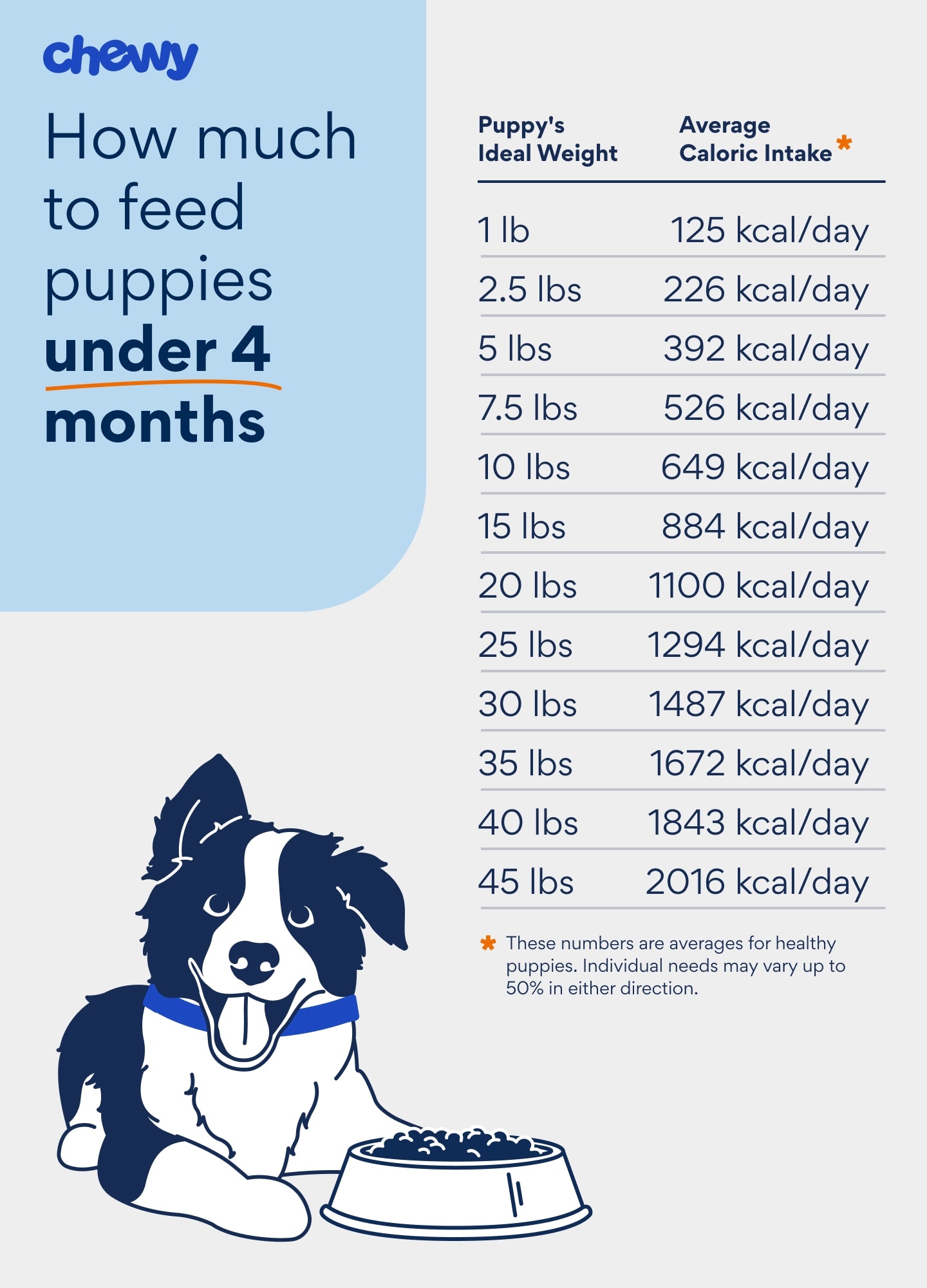
Why puppy nutrition matters
Good nutrition sets the stage for a dog’s life. A puppy nutrition feeding guide helps you meet growth needs, support immune health, and prevent common problems like obesity or weak bones. Puppies grow fast. The right balance of protein, fat, vitamins, and minerals shapes how they develop.
When I raised my first litter, following a clear puppy nutrition feeding guide cut vet visits and helped the pups hit weight and energy goals. This guide focuses on safe, practical steps you can follow at home.
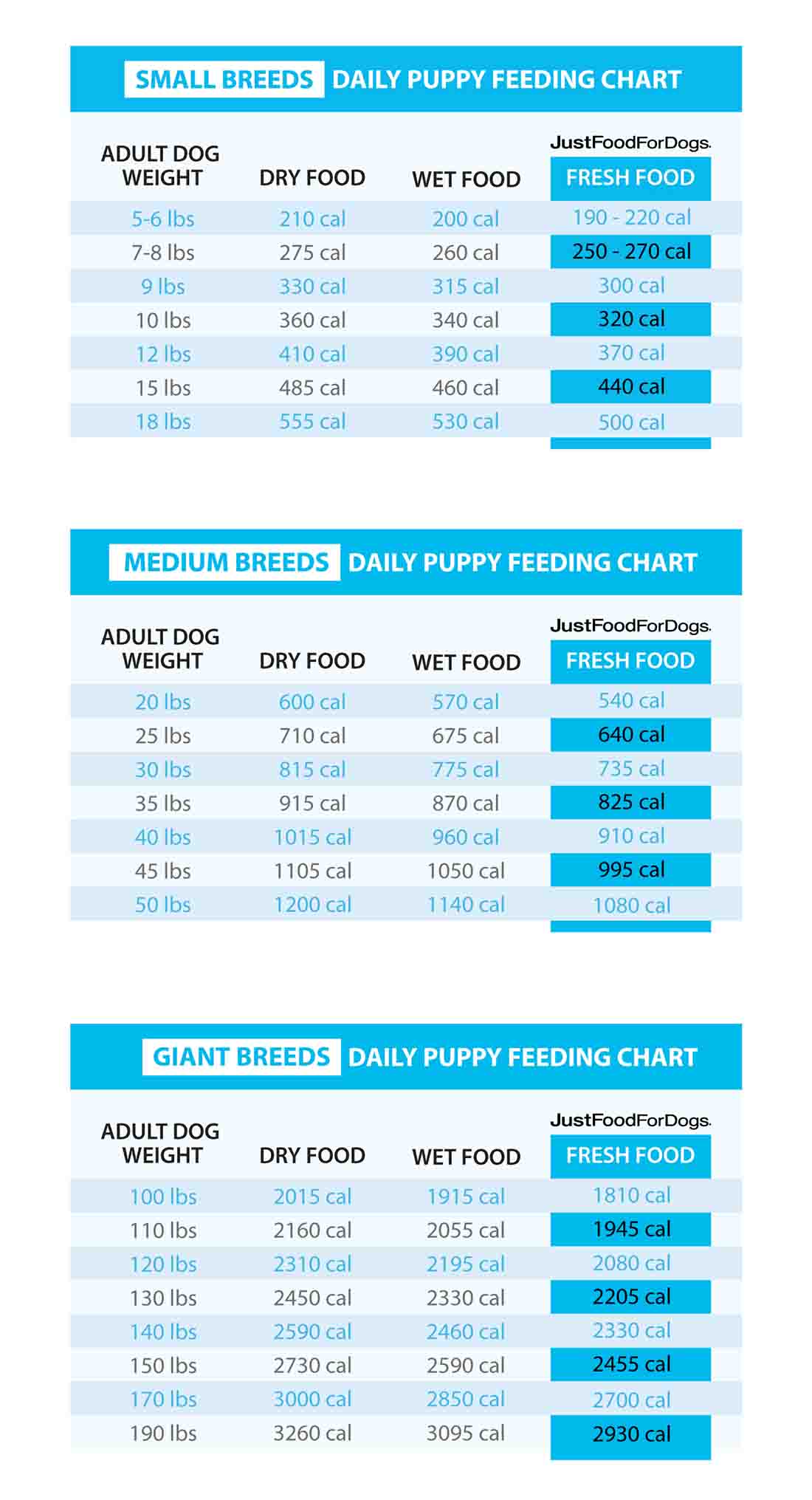
How much and when to feed
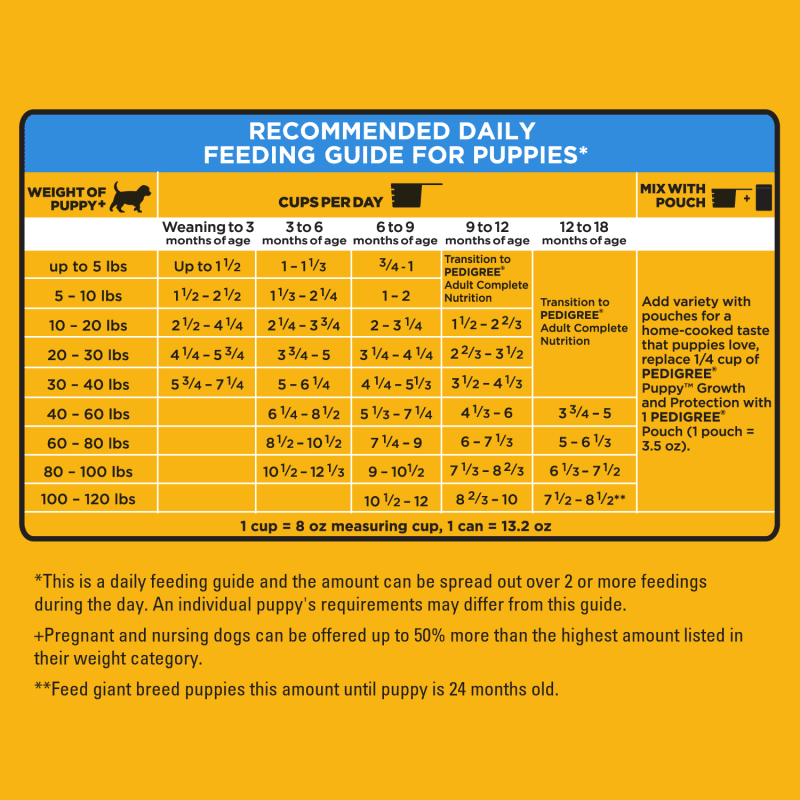
Portion control and schedule matter more than free-feeding. Use age and weight as your guide. A simple way to start is to follow the food label for puppies and adjust for activity and body condition.
Feeding frequency by age
- 6 to 12 weeks: four small meals a day to avoid low blood sugar.
- 3 to 6 months: three meals a day as the tummy grows.
- 6 to 12 months: two meals a day for most breeds; large breeds may stay on three until slower growth.
- After 12 months: most go to two meals a day.
Portion tips
- Measure food with a cup or scale each time.
- Track weight weekly for the first months, then monthly.
- Adjust portions if your puppy looks too thin or gains weight too fast.
This puppy nutrition feeding guide helps you keep feeding simple and predictable. If your puppy has special needs, consult your vet for a tailored plan.

What to feed: types of food and nutrient needs
Pick food marked for growth and puppy life stages. Puppy formulas have higher protein and fat than adult formulas. They also balance calcium and phosphorus to support bone growth.
Main food types
- Commercial dry kibble: convenient, supports dental health, and easy to measure.
- Canned/wet food: palatable and good for picky pups or added moisture.
- Raw or homemade diets: can work but need careful planning and vet guidance to avoid gaps or dangers.
- Puppy milk replacer: for orphaned or rejected pups during the first weeks.
Key nutrients to watch
- Protein: supports muscle and tissue growth. Look for named meat sources.
- Fat: provides energy and supports brain development.
- Calcium and phosphorus: critical for bone growth; balance is vital.
- DHA (omega-3): supports brain and eye development.
- Vitamins and minerals: follow a complete formula made for puppies.
Reading labels
- The phrase “complete and balanced” for growth means the formula meets puppy needs.
- Check guaranteed analysis for crude protein and fat percentages.
- Avoid foods with vague meat sources or lots of fillers.
From my experience, switching foods slowly over one week prevents stomach upset. I once moved a pup from one puppy kibble to another over five days and saw better coat and energy after the transition.
 transitions and growth stages”
style=”max-width: 100%; height: auto; border: 2px solid black; border-radius: 10px; display: block; margin: 0 auto;”
loading=”lazy”
/>
Feeding transitions and growth stages
Puppies move through phases fast. This puppy nutrition feeding guide covers how to change food safely and what to expect at each stage.
Weaning and early weeks
- Start weaning at about 3 to 4 weeks by mixing milk replacer with softened kibble.
- By 8 weeks most pups are eating solid puppy food.
Transitioning food
- Use a gradual mix over 7 days: 75% old and 25% new on day one, then shift to 50/50 midweek, and 25/75 before the switch.
- Watch stool and appetite. Slow changes cut diarrhea risk.
Large-breed vs small-breed timing
- Small breeds reach maturity earlier and can move to adult food around 9–12 months.
- Large and giant breeds need controlled growth; keep them on puppy formulas made for large breeds until 12–24 months.
Monitor growth
- Keep a growth chart for weight and body condition.
- Ask your vet about breed-specific growth targets and any joint supplements if needed.
This puppy nutrition feeding guide makes transitions predictable and calm for your pup.
Common mistakes and practical tips
Many owners mean well but slip into patterns that hurt growth. This section lists mistakes and quick fixes.
Common mistakes
- Free-feeding: can lead to overeating and poor body condition.
- Rapid diet switch: causes diarrhea and stress.
- Overusing treats: extra calories add up fast and unbalance nutrition.
- Giving adult food too early: misses key growth nutrients.
- Adding supplements without vet advice: can create nutrient imbalances.
Practical tips
- Use measured meals and feed at regular times.
- Keep treats under 10% of daily calories.
- Use a weigh scale or cup for accuracy.
- Keep plain water available at all times.
- Track progress and take photos monthly to compare growth visually.
From my experience, a simple set routine helped an anxious pup settle and eat well. Consistency in timing and portion size was more effective than changing brands or formulas often.
Frequently Asked Questions of puppy nutrition feeding guide
How do I choose the right puppy food?
Choose a food labeled complete and balanced for puppies. Pick a reputable brand and check that protein and fat levels suit your breed size.
When should I switch my puppy to adult food?
Most small breeds switch around 9–12 months. Large breeds may need puppy-formula food until 12–24 months. Ask your vet for a breed-specific timeline.
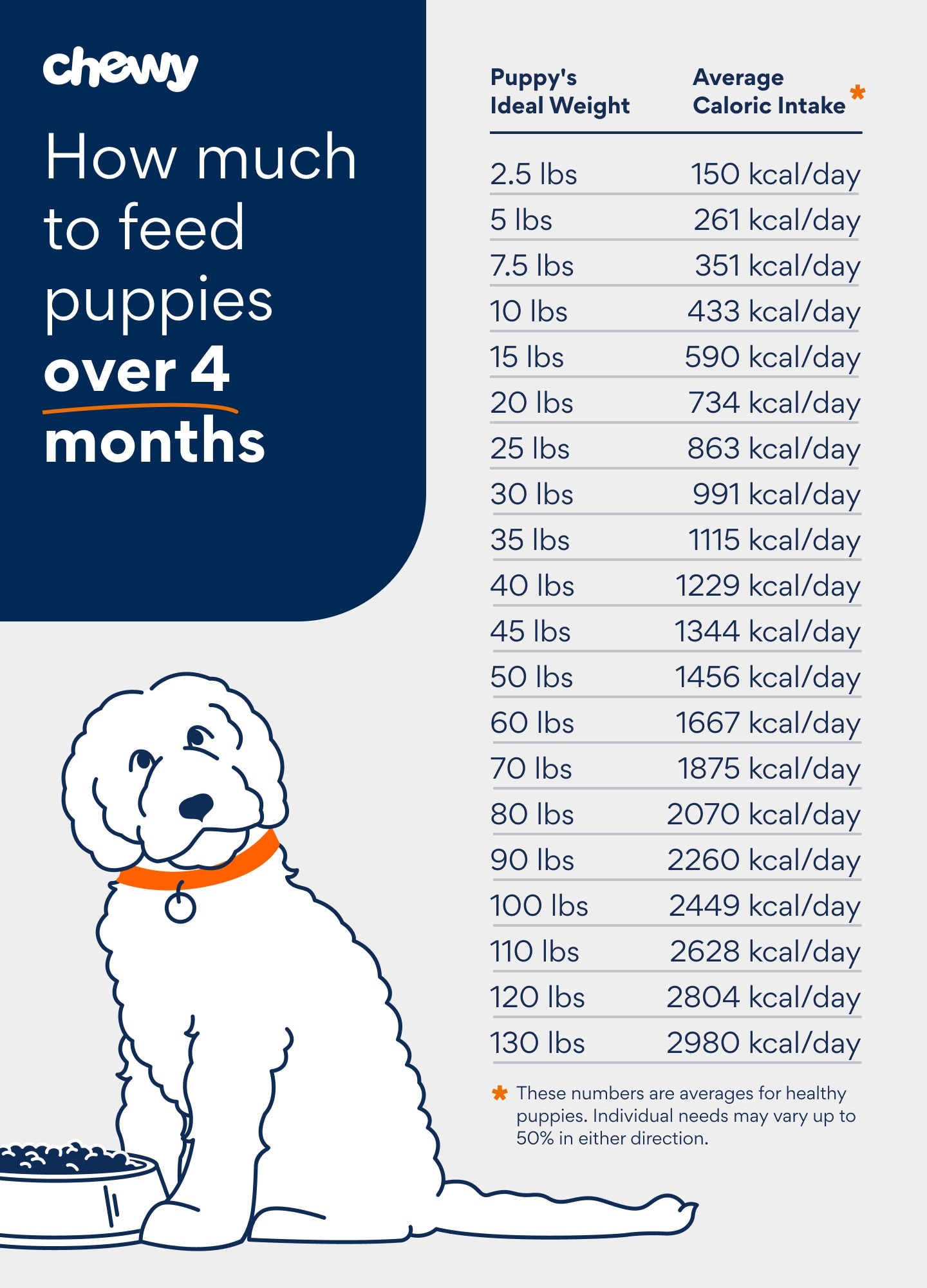
How many calories does my puppy need each day?
Calorie needs vary by breed, size, and activity. Use the food label as a starting point and adjust based on weight changes and body condition.
Are homemade diets safe for puppies?
They can be, but they must be planned with a vet or veterinary nutritionist to avoid nutrient gaps. Improper homemade diets can harm growth.
Can I give my puppy human food or table scraps?
Limit human food. Many items are unhealthy or toxic. Use vet-approved treats and keep table scraps rare and safe.
How fast should my puppy gain weight?
Puppies should gain steadily but not too fast. Growth charts and vet checks help ensure healthy, steady weight gain without spikes.
Do puppies need supplements like calcium or fish oil?
Most complete puppy foods include needed nutrients. Only add supplements when a vet recommends them for a specific issue.
Conclusion
Good feeding is simple when you follow a clear puppy nutrition feeding guide. Feed complete puppy food, measure portions, keep a regular schedule, and change diets slowly. Track growth and stay in touch with your vet for advice tailored to your puppy’s breed and needs. Start today by measuring meals and noting weight—small steps lead to a healthy, happy dog. Share your progress or questions below, subscribe for more guides, or ask your vet for a personalized plan.

Pingback: Puppy Feeding Schedule Guide: Easy Plan For New Owners - pettraiers.com