
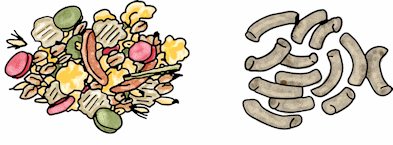
Rabbit pellets vs hay: Hay should be the daily staple; pellets serve as a measured supplement.
I’ve cared for rabbits for years and worked with vets and breeders. I will walk you through rabbit pellets vs hay with clear facts, real tips, and easy rules you can use today. This guide covers nutrition, portioning, mistakes to avoid, and how to pick good pellets. Read on to make confident choices for your rabbit’s health.
Why hay is essential
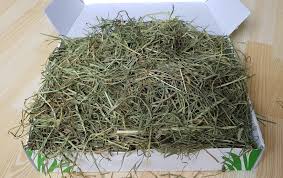
Hay is the single most important food for rabbits. It supports gut health and tooth wear with high, slow-moving fiber. Rabbits need hay every day to prevent gut stasis and dental trouble. Giving unlimited hay keeps them busy and healthy.
Why pellets matter
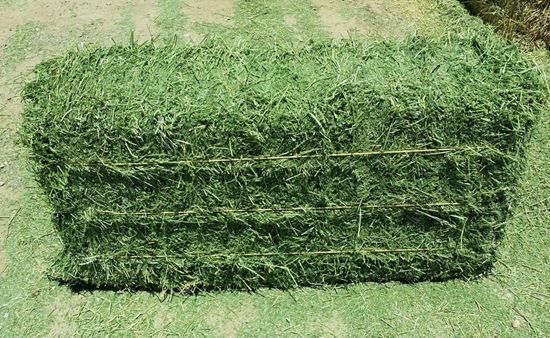
Pellets can fill nutrient gaps and make sure rabbits get some vitamins and minerals. They are compact, consistent, and easy to measure. But pellets are not a main food. Overdoing pellets raises obesity and digestive risk.
Nutritional comparison: rabbit pellets vs hay
When you weigh rabbit pellets vs hay, you see a clear trade-off between fiber and concentrated nutrients. Hay is mainly fiber and low calories. Pellets are denser in protein and calories and may include added vitamins and calcium. Here are key points to compare:
- Fiber content: Hay gives very high fiber. Pellets have lower fiber by volume.
- Calories and weight: Pellets pack more calories in a small scoop. Hay is low calorie and fills the gut.
- Protein and fat: Pellets can have higher protein and fat than hay, which matters for young or breeding rabbits.
- Calcium and vitamin A: Some pellets add calcium and vitamins. Too much calcium can be an issue for adult rabbits.
- Digestive behavior: Hay promotes chewing and slow digestion. Pellets pass faster and can shift gut flora.
This simple view helps you plan feeding that favors hay but uses pellets smartly.

How to balance pellets and hay
To balance rabbit pellets vs hay, follow simple rules for most rabbits. Give unlimited hay first. Offer pellets by weight and adjust by age and condition. For adult rabbits, a common guideline is a small tablespoon per 2 pounds of body weight daily, but check package directions and vet advice.
Practical steps:
- For adults: Unlimited hay plus a measured pellet portion once per day.
- For bunnies under six months: Higher pellet amounts support growth, split into two feeds.
- For overweight rabbits: Cut pellets back and add more hay and vegetables.
- Monitor body score and stools to guide adjustments.
Keep water fresh and watch for changes in appetite or droppings.
Choosing the right pellets
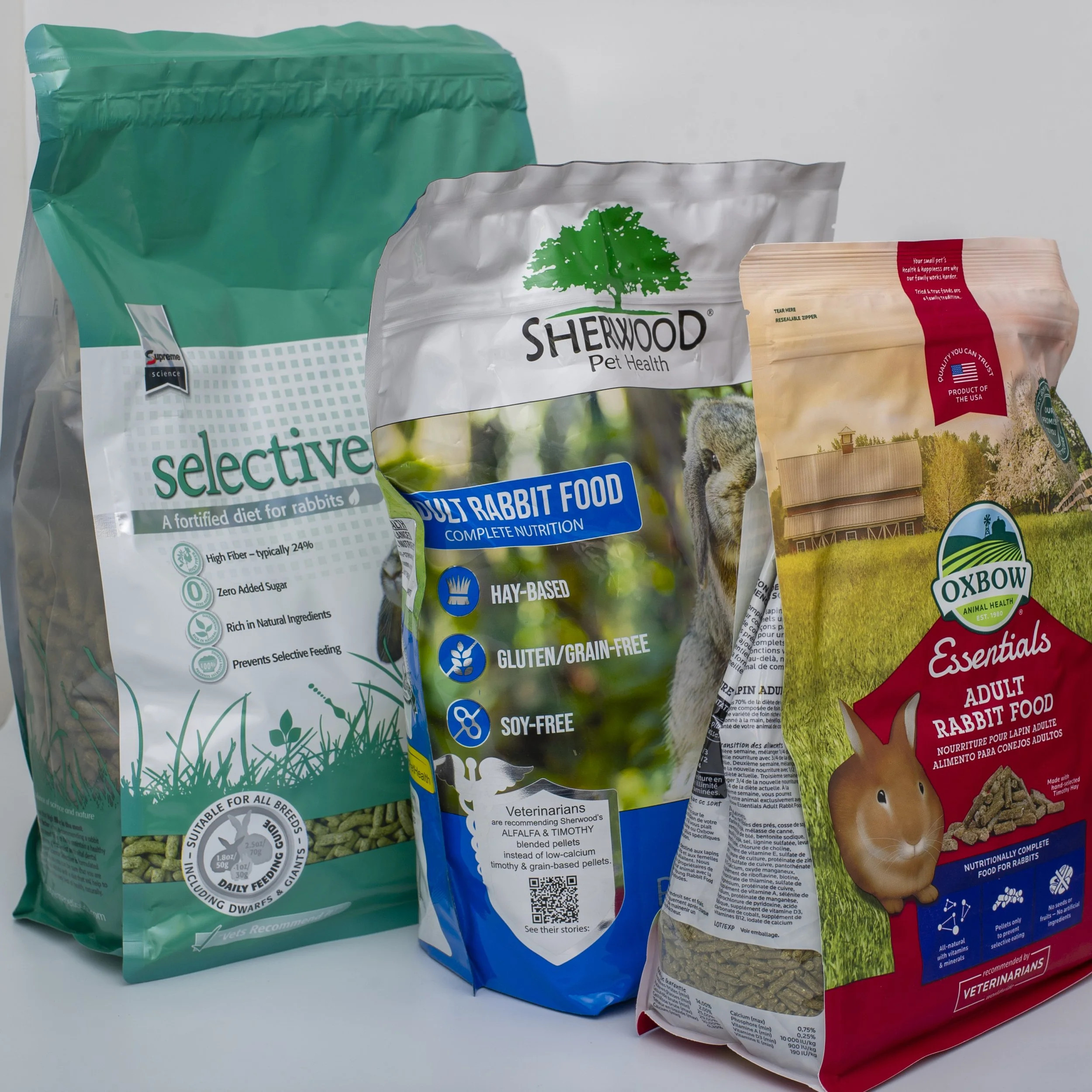
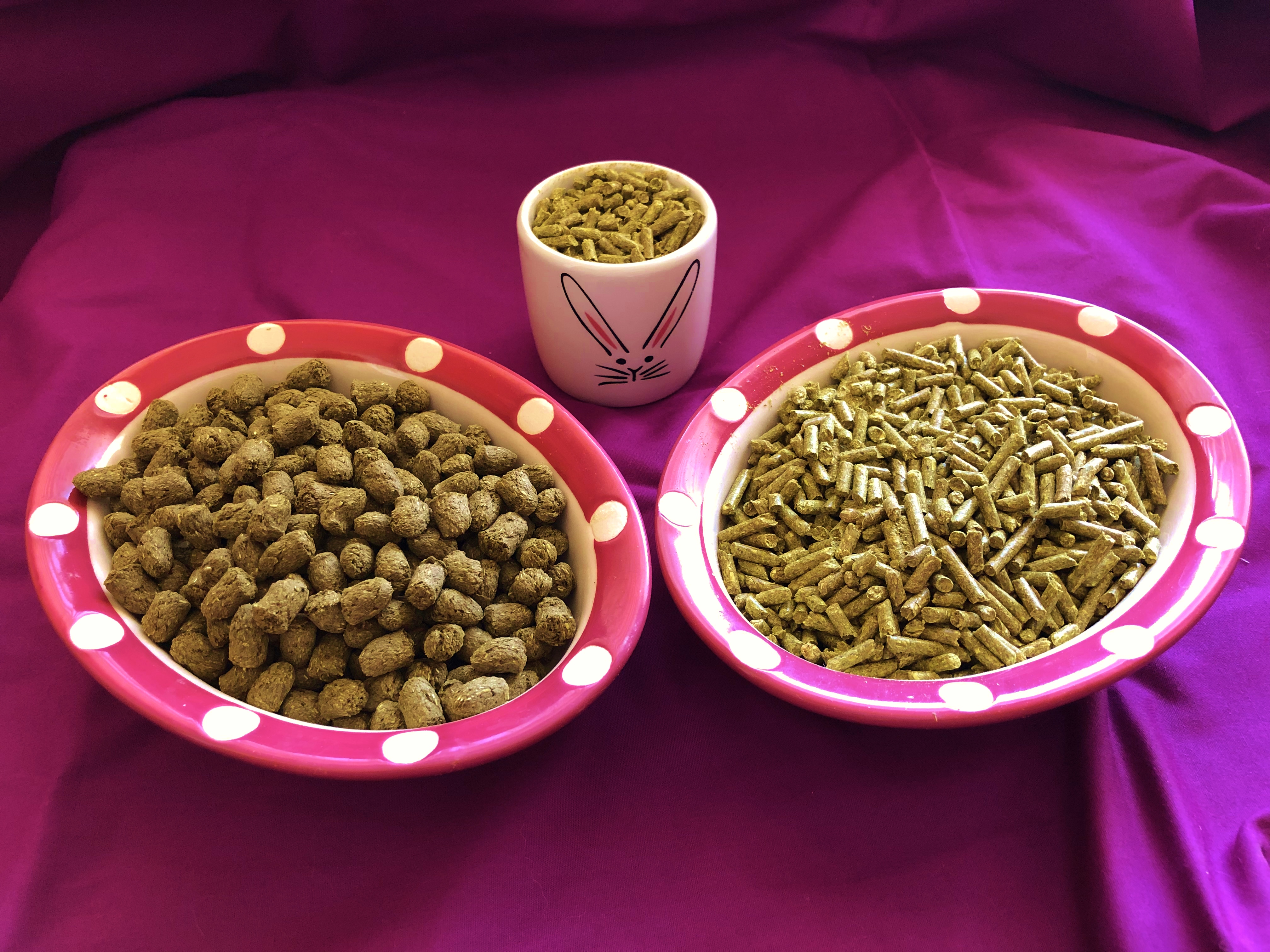
When choosing pellets in the rabbit pellets vs hay balance, prefer timothy-based pellets for adult rabbits. Look for plain pellets without seeds, dried fruit, or colored bits. Check the ingredient list for timothy or grass hay meal listed first and avoid mixes with many extras.
Tips for shopping:
- Choose pellets made from grass hay for adults.
- Pick higher-fiber, lower-protein formulas for non-breeding adults.
- Use alfalfa-based pellets only for kits, pregnant, or nursing rabbits.
- Buy small bags to keep pellets fresh and rotate stock.
Common mistakes and how to avoid them
Many owners get rabbit pellets vs hay wrong by either relying on pellets or skipping quality hay. Overfeeding pellets causes obesity and soft stools. Feeding only hay that is dusty or poor quality can cause refusals and low nutrient intake.
Avoid these errors:
- Do not use rabbit feed mixes with many treats as the main diet.
- Don’t give unlimited alfalfa to adult rabbits; it is too rich in calcium.
- Avoid sudden diet shifts; change pellets slowly over 7–10 days.
- Watch droppings; soft or small droppings signal too many pellets or low hay.
Small checks each week prevent big problems.
Personal experience and tips
I once adopted a rabbit that had been fed mostly pellets. The rabbit was overweight and had small, soft droppings. I switched to unlimited hay, cut pellets to a small daily portion, and added safe greens. Within weeks the rabbit’s stools improved and the weight came down.
Lessons I learned:
- Hay quality matters as much as quantity. Fresh, leafy hay gets eaten more.
- Adjustment is slow; patience pays off.
- Use pellets as a tool, not a crutch.
Frequently Asked Questions of rabbit pellets vs hay
Are pellets or hay better for a rabbit’s teeth?
Hay is better for teeth because it forces constant chewing and grinding. Pellets do not wear teeth as effectively.
Can adult rabbits eat alfalfa pellets instead of timothy pellets?
Adult rabbits should avoid alfalfa pellets long-term due to high calcium and calories. Alfalfa is fine for babies and nursing mothers only.
How much hay should a rabbit eat each day?
Offer unlimited hay so your rabbit can eat as much as it wants. Aim for hay equal to or greater than the rabbit’s body size each day.
What signs show my rabbit is getting too many pellets?
Signs include weight gain, small or soft droppings, and less interest in hay. Reduce pellets and increase hay if you see these issues.
Can pellets replace hay when traveling or boarding?
Pellets can be used short-term, but always provide hay when possible. Hay supports digestion and comfort during stress.
Conclusion
Hay should be the daily base of a rabbit diet, and pellets should be a small, measured supplement. Use timothy-based pellets for adults, unlimited good-quality hay, and adjust portions by age and condition. Start small, watch your rabbit’s weight and droppings, and make gentle changes when needed. Try one change this week: increase hay or reduce pellets and note the difference. Leave a comment with your experience or subscribe for more rabbit care tips.
